Beyond the Farm: The Critical Role of Wholesale Logistics in the Global Food Safety Chain
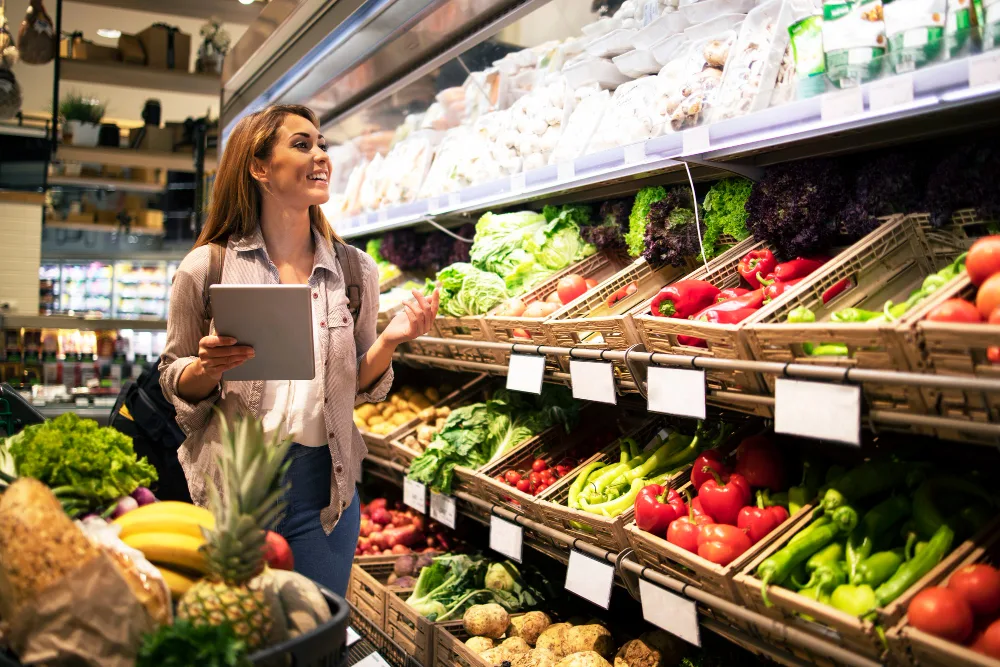
In the wake of high-profile Cyclospora outbreaks and recurring foodborne illness alerts, the public discourse regarding food safety often focuses on two extremes: the field where the produce originated and the kitchen where the final consumer prepares their meal. While these are undeniably vital checkpoints, this narrow focus overlooks the massive, complex infrastructure that exists between the harvest and the plate.
As fresh produce moves through the global supply chain, it undergoes a series of critical handoffs. Wholesale distributors serve as the "middlemen" of the fresh produce industry, yet they are far more than mere logistical conduits. They are the primary gatekeepers of food safety, responsible for maintaining the cold chain, enforcing rigorous inspection standards, and providing the granular data necessary to trace contaminated product during a public health crisis. Understanding this middle layer of the supply chain is essential to grasping how our food remains safe—or, conversely, where it is most vulnerable.
The Chronology of Freshness: From Harvest to Warehouse
The journey of fresh produce is a race against biology. Once a fruit or vegetable is detached from its source of nutrients, it begins a steady decline toward senescence and potential microbial growth. To mitigate this, wholesale distributors operate on a strict, data-backed timeline designed to preserve quality and neutralize safety risks.
Phase 1: The Cold Chain Initialization
The journey begins at the farm, but the safety protocols are locked in the moment produce is loaded onto transport vehicles. Modern logistics utilize refrigerated trucks—or "reefers"—equipped with advanced insulation and onboard telematics. These systems do more than just lower the temperature; they create an immutable digital log of the internal environment of the trailer for the duration of the trip. If a cooling unit malfunctions or if a door is left ajar, the data is captured in real-time, allowing distributors to reject shipments that may have entered the "danger zone"—the temperature range in which bacteria like Listeria or Salmonella can proliferate rapidly.
Phase 2: Arrival and the "Pulping" Process
Upon arrival at a wholesale facility, the produce is immediately subjected to a multi-tiered verification process. A central component of this is "pulping." Unlike surface-level temperature checks, pulping involves using calibrated probe thermometers to measure the internal temperature of the produce itself. This is a critical distinction; air temperature in a truck can fluctuate, but the core temperature of a pallet of lettuce or a crate of berries provides an accurate history of the product’s thermal stability. If the pulp temperature exceeds established safety thresholds, the integrity of the entire shipment is questioned.
Phase 3: Zoned Storage
Once cleared, the product is moved into climate-controlled storage zones. Wholesale warehouses are not monolithic refrigerators; they are highly segmented environments. Different produce types require specific humidity and temperature profiles. For example, tropical fruits like bananas are sensitive to chilling injuries and require different storage conditions than leafy greens. By compartmentalizing the warehouse, distributors prevent cross-contamination and ensure that each commodity stays at its physiological "sweet spot," maximizing both safety and shelf life.
Rigorous Inspection: The Gatekeeper’s Toolkit
Beyond thermal regulation, the wholesale facility acts as a high-stakes inspection hub. When a shipment hits the loading dock, it undergoes a visual and physical examination that acts as a final barrier before the product enters the consumer market.
Sensory and Physical Evaluation
Inspectors look for immediate signs of physiological distress: bruising, decay, discoloration, or premature shriveling. These are not merely aesthetic issues; they are indicators of potential microbial breach. A shriveled or bruised piece of fruit often has compromised skin, providing an entry point for pathogens. Any product exhibiting these signs is immediately segregated and removed from the supply chain.
Sanitation and Pest Control Audits
The inspection process extends to the vehicle itself. A clean cargo hold is non-negotiable. Inspectors look for evidence of pest intrusion—droppings, nesting materials, or insect activity—and signs of chemical residue from improper cleaning or previous, non-compatible cargo. Cross-contamination remains a leading cause of foodborne illness, and wholesale facilities maintain strict protocols to ensure that trucks are sanitized according to food safety standards before, during, and after transit.
Packaging Integrity and Segregation
The packaging itself serves as a critical defense layer. Inspectors check every pallet for compromised boxes, water damage, or mold. Furthermore, they enforce strict segregation rules. This is particularly important regarding ethylene gas. Many fruits, such as apples and tomatoes, release ethylene as they ripen, which can accelerate the decay of ethylene-sensitive items like broccoli or leafy greens. By keeping these commodities separated, distributors reduce waste and prevent the types of degradation that create a conducive environment for bacteria.
The Data Imperative: Traceability as a Safeguard
In the modern food safety landscape, data is as important as the produce itself. The ability to trace a specific head of lettuce from a grocery store shelf back to the precise lot and farm is the backbone of the food safety system.
Traceability is the "champion" of food safety documentation. In the event of a Cyclospora or E. coli outbreak, investigators do not have the luxury of time or guesswork. They rely on "one-up, one-down" tracking, where each entity in the chain records exactly who they received the product from and exactly who they sold it to.
This requires a granular, digital record-keeping system. If a single lot is flagged, the distributor must be able to issue a targeted recall within minutes. Without this data, companies are forced to issue broad, industry-wide recalls that cause massive economic disruption and unnecessary consumer panic. By maintaining digital lot-tracking, wholesalers turn a chaotic investigative process into a surgical, efficient operation.
Implications of Proactive Food Safety
A robust food safety program is not a static document; it is a living, breathing component of the business. The most successful wholesale operations view their safety protocols as an ongoing experiment that requires constant refinement.
Proactive Auditing and Mock Recalls
The ultimate test of any food safety program is whether it works when the pressure is on. Leading distributors conduct regular "mock recalls." During these exercises, a specific product lot is chosen at random, and the team is tasked with tracing its movement through the facility and out to customers within a set timeframe. These exercises identify bottlenecks in communication or record-keeping before a real-world emergency occurs.
Continual Employee Training
Technology and cold-chain hardware are only as effective as the people operating them. Employees at every level—from the loading dock to the administrative office—must be trained to recognize signs of contamination and to adhere to standardized operating procedures (SOPs). Ongoing education ensures that food safety is treated as a cultural priority rather than a checkbox requirement.
Coordination Across the Supply Chain
Ultimately, food safety is a team sport. It requires seamless coordination between growers, harvesters, transportation companies, wholesale distributors, and retail partners. If a grower fails to monitor water quality, the wholesaler’s best efforts can only do so much. Conversely, if a distributor fails to maintain the cold chain, the grower’s hard work is wasted.
The implications for the industry are clear: there is no room for silos. Enhanced communication protocols, shared digital infrastructure, and a collective commitment to continuous improvement are the only ways to mitigate the inherent risks of a global food system. As we move toward a future where supply chains are increasingly complex, the role of the wholesaler as a steward of safety will only grow in importance. By prioritizing rigorous documentation, stringent physical inspections, and a commitment to data-driven decision-making, the middle-mile of the supply chain acts as the silent protector of public health, ensuring that the fresh produce arriving at our tables is as safe as it is nutritious.