A Gothic Toast to the Macabre: Crafting "The Unknown Vegetable"
Few artists have managed to curate a permanent residence in the collective subconscious quite like Edward Gorey. With his cross-hatched illustrations, Victorian sensibilities, and a penchant for the grimly humorous, Gorey transformed the macabre into an aesthetic of high art. As October approaches and the veil between the mundane and the supernatural begins to thin, cocktail enthusiasts and literary aficionados alike are finding a new way to pay homage to the master of the gloomy: through the glass of a drink as enigmatic as his prose.
Enter The Unknown Vegetable, a cocktail that captures the bittersweet, unsettling essence of a Gorey narrative. Far from a standard seasonal libation, this drink acts as a liquid bridge between the world of mixology and the dark, whimsical pages of Gorey’s most famous works.
The Architecture of the Macabre: The Gorey Aesthetic
Edward Gorey was a man of peculiar contradictions. While his work often flirted with death, it did so with a polite, stiff-upper-lip formality that made the tragedy all the more amusing. His most famous contribution to the lexicon of dark humor, The Gashlycrumb Tinies (1963), remains a masterclass in economy and irony. In this alphabet of woe, each letter is assigned a child who meets an untimely, and often bizarre, end. “A is for Amy, who fell down the stairs; B is for Basil, assaulted by bears.”
The appeal of this work lies in its detachment. Gorey does not dwell on the gore; he presents the catastrophe as an inevitable, perhaps even mundane, occurrence. This is the same spirit channeled by The Unknown Vegetable, a cocktail inspired by the story of the same name. In the original tale, a woman discovers a mysterious, pulsating sound emanating from the earth. She unearths a strange stalk, brings it into the sanctity of her home, and consumes it. The results, as one might expect from a Gorey protagonist, are catastrophic.
The Chemistry of the Unknown
At the heart of this drink—and its namesake—lies the artichoke. The cocktail derives its primary character from Cynar, the legendary Italian amaro known for its distinct, vegetal profile. While many modern cocktails lean toward the sugary or the overtly citrusy, The Unknown Vegetable embraces the "choke note."
The cocktail is a direct descendant of the Paper Plane, a modern classic created by Sam Ross at New York City’s legendary Milk & Honey (now Attaboy) in 2008. The original Paper Plane is a balanced quartet of bourbon, Aperol, Amaro Nonino, and lemon juice. However, by swapping the milder, honeyed Amaro Nonino for the deeper, more aggressive bitterness of Cynar, the drink undergoes a transformation. It sheds its bright, easy-drinking demeanor and adopts a haunting, earthy complexity that feels distinctly autumnal—or, perhaps, Victorian-gothic.
A Chronology of the Cocktail’s Evolution
The lineage of The Unknown Vegetable is a reflection of the rapid evolution of the American craft cocktail movement.

- 2008: Sam Ross introduces the Paper Plane at Milk & Honey. It quickly becomes the "Bartender’s Handshake," a drink that defines the modern era of equal-part cocktails.
- 2020–2024: The "Amaro Craze" sweeps the United States. Consumers move away from simple syrups and toward the complex, botanical, and medicinal notes of Italian bitter liqueurs.
- 2025: Virginia Miller publishes Uneasy Elixirs: 50 Curious Cocktails Inspired by the Works of Edward Gorey. This compendium marks a shift in cocktail culture, where the drink is no longer just a beverage, but a thematic, immersive experience.
- 2026: The cocktail enters the mainstream zeitgeist, finding a home in seasonal menus and home bars during the Halloween season.
Supporting Data: The Rise of the "Bitter" Palate
Market research into spirits trends over the last five years indicates a seismic shift in consumer preferences. According to data from the Distilled Spirits Council of the United States (DISCUS), the category of "Bitters and Amari" has seen a year-over-year growth of nearly 12%. This shift is attributed to a maturing palate among Gen Z and Millennial drinkers who are increasingly seeking out low-ABV (alcohol by volume) or moderate-ABV options that prioritize flavor complexity over sweetness.
The popularity of The Unknown Vegetable can be seen as a microcosm of this trend. By utilizing Cynar, the drink offers a lower-sugar profile than traditional cocktails while maintaining the depth of flavor required for a "slow-sipping" experience. It is a cocktail that demands the drinker’s attention, much like a Gorey illustration demands that the reader study the intricate, cross-hatched shadows of the room.
The Recipe: The Unknown Vegetable
Courtesy of Uneasy Elixirs: 50 Curious Cocktails Inspired by the Works of Edward Gorey by Virginia Miller (Weldon Owen, 2025)
Ingredients:
- ¾ ounce Bourbon (Select a high-proof, spicy variety to cut through the bitters)
- ¾ ounce Cynar
- ¾ ounce Aperol
- ¾ ounce Freshly squeezed lemon juice
Directions:
- Prepare the Vessel: Chill a coupe glass by filling it with ice and water while you prepare the drink.
- Combine: In a cocktail shaker, combine the bourbon, Cynar, Aperol, and lemon juice.
- The Agitation: Add a generous scoop of ice to the shaker. Shake vigorously for 20–30 seconds. The goal is to achieve an icy chill and a slight dilution that tempers the bitterness of the Cynar.
- The Reveal: Discard the ice from the coupe. Double-strain the mixture into the chilled glass to ensure a clean, pulp-free presentation.
- Service: Serve immediately. No garnish is required; the dark, amber hue of the drink is ominous enough.
Implications for Modern Mixology
The emergence of themed, literary-inspired cocktails like The Unknown Vegetable suggests that the future of the bar industry lies in narrative-driven service. Patrons are no longer satisfied with merely consuming a product; they are looking for an "experience" that provides intellectual or aesthetic stimulation.
The success of Uneasy Elixirs proves that there is a significant, untapped market for niche, high-concept cocktail books. By aligning with specific cultural touchstones—be it the gothic illustrations of Edward Gorey or the cinematic aesthetics of classic film noir—mixologists can elevate the simple act of drinking into an artistic performance.

Enhancing the Experience: Setting the Stage
For those looking to recreate the atmosphere of a Gorey-esque evening at home, the choice of glassware is paramount. The Nick and Nora coupe, named after the iconic, martini-sipping protagonists of The Thin Man, is the preferred vessel for this cocktail. Its delicate, curved silhouette evokes the 1930s and 40s—the era that heavily influenced Gorey’s own style.
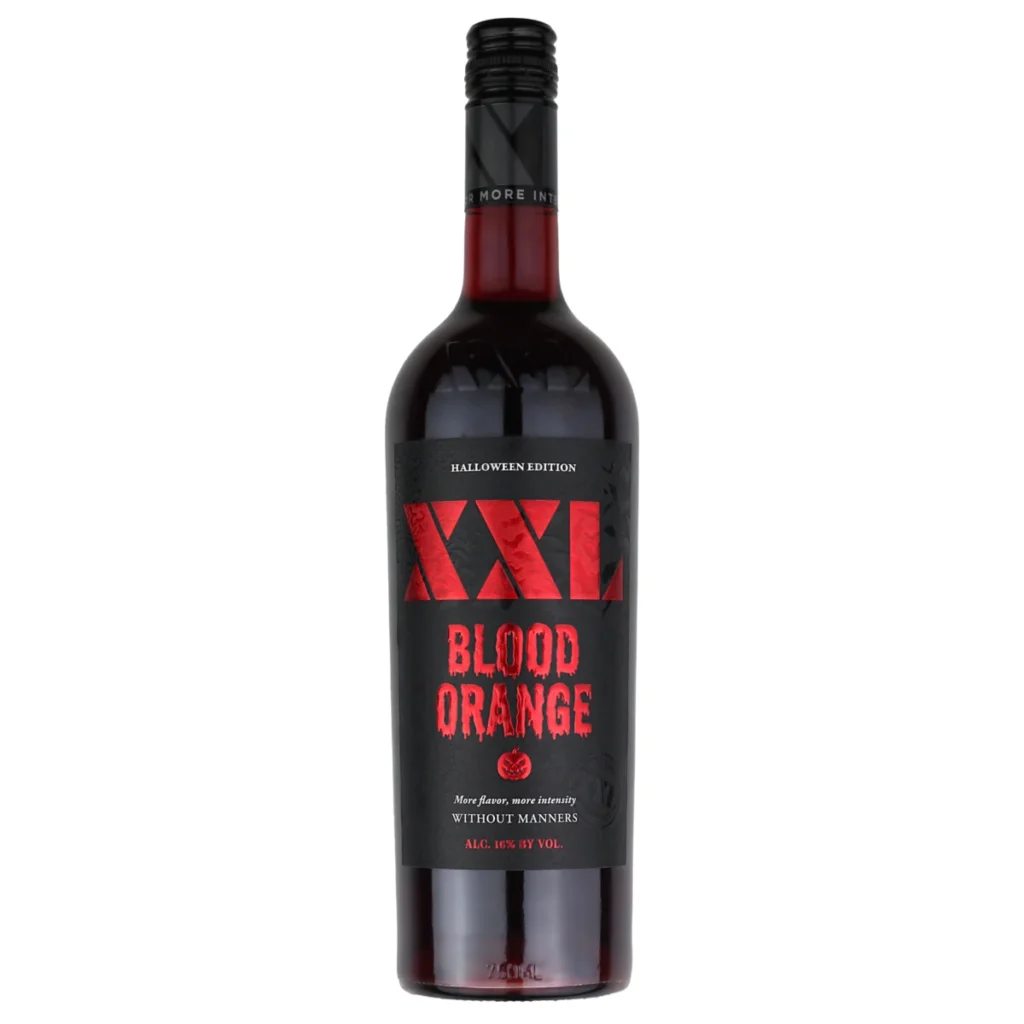
Furthermore, as Halloween approaches, many are experimenting with complementary flavors. Brands like XXL Blood Orange are finding their way into the repertoire of home bartenders, adding a seasonal citrus brightness that can play beautifully against the dark, earthy notes of the artichoke. When mixed with the right ingredients, these "spooky" components allow for a level of customization that ensures the cocktail—while perhaps mysterious—remains undeniably delicious.
Conclusion: A Toast to the Inscrutable
The Unknown Vegetable is more than a drink; it is a testament to the enduring power of the macabre. It invites us to sit with our discomfort, to find beauty in the bitter, and to appreciate the dark humor that keeps the world from becoming entirely mundane.
Whether you are a fan of Edward Gorey’s cross-hatched world or simply a seeker of the perfect bittersweet cocktail, this recipe offers an invitation to step into the unknown. As you raise your coupe to the darkening sky, remember the lesson of the vegetable: some things are best consumed with a sense of wonder—and perhaps a healthy dose of caution.
This article originally appeared in the October 2026 Rising Stars Issue of Wine Enthusiast magazine.