Beneath the Surface: Exploring the Subterranean Labyrinth of Mileștii Mici
By Andreas Walstad
September 28, 2026
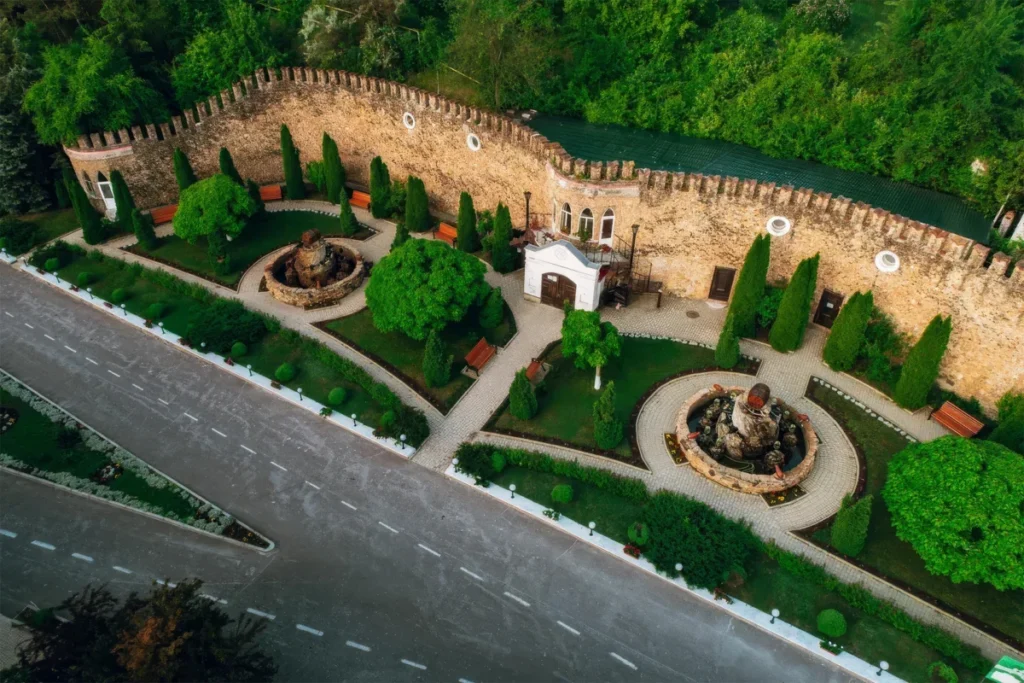
It is a balmy June afternoon in Moldova, a country whose rolling, verdant hills often go overlooked by the casual European traveler. I find myself in the town of Mileștii Mici, just a 45-minute drive from the capital, Chișinău, and barely an hour and a half from the volatile border with Ukraine. Here, hidden beneath the surface of the earth, lies not merely a winery, but an architectural marvel that holds the keys to a century of viticultural history: the Mileștii Mici cellar complex.
Recognized by the Guinness Book of World Records in 2007 for housing the largest wine collection in the world, this subterranean city is a testament to human ingenuity and the stubborn persistence of tradition. As I descend into the cool, limestone-scented darkness, I am reminded that wine is more than a beverage—it is a liquid archive of the geopolitical tides that have shaped Eastern Europe.
The Genesis of a Giant: Main Facts and Scale
To grasp the magnitude of Mileștii Mici, one must discard the traditional notion of a "cellar." This is not a room; it is a gargantuan network of galleries spanning 200 kilometers (roughly 124 miles) of limestone tunnels. While only 55 kilometers are currently utilized for production and storage, the sheer scale is staggering.
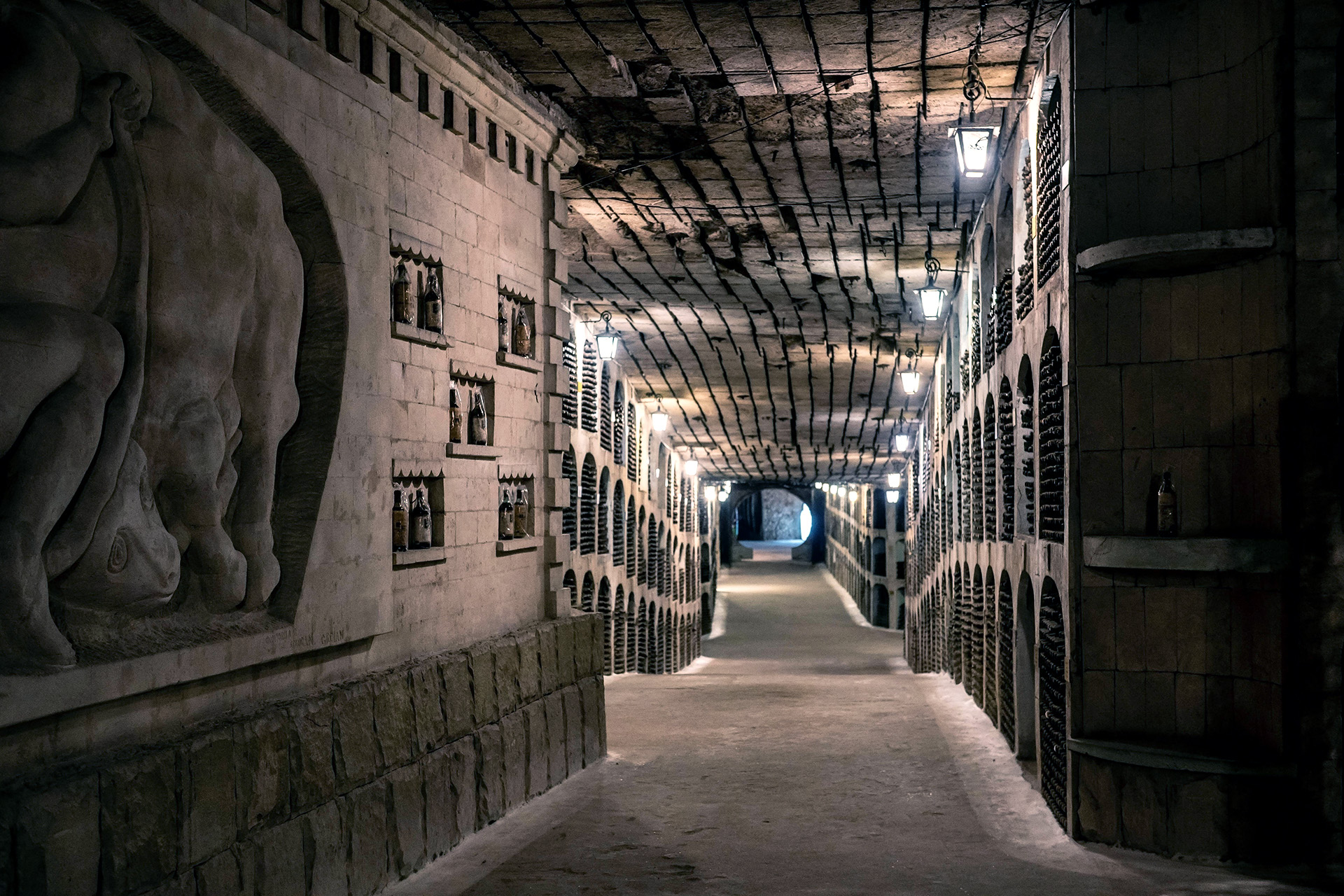
Originally excavated as a limestone mine in 1886—the material of which was used to build much of Chișinău—the site was converted into a state-run winery in the late 1960s. The natural properties of the limestone are perfect for viticulture: a constant temperature of 12–14°C (54–57°F) and a humidity level of 85–95%.
When the Guinness inspectors arrived in 2007, they spent months documenting a collection of 1.5 million bottles. Today, experts estimate the inventory has swelled to nearly 2 million. To put that into perspective, if one were to attempt an inventory audit today, it might take an entire year to account for every vintage, label, and barrel.
A Chronology of Conflict and Preservation
The history of the cellar is inseparable from the turbulent narrative of the Soviet Union. My guide, Pedro, navigates our electric shuttle through the dim corridors, pointing out the varying vintages that line the walls like limestone shelves. While I spot bottles dating back to the winery’s founding in 1969, a disproportionate number of them bear the mark of 1986.
The Gorbachev Paradox
The year 1986 serves as a watershed moment for the facility. Under the leadership of Mikhail Gorbachev, the Soviet Union launched an aggressive, state-mandated anti-alcohol campaign. Known colloquially as the "dry law," this policy aimed to curb rampant alcoholism by imposing strict quotas on the purchase and sale of spirits and wine.

The policy backfired in spectacular fashion. While the government ordered the mass destruction of vineyards and wine stocks across the Soviet bloc, the staff at Mileștii Mici feared for their legacy. They did something radical: they built secret, camouflaged chambers deep within the mine to hide their most precious vintages from the state’s demolition squads.
It is an irony of history that Gorbachev’s attempt to eradicate alcohol effectively created one of the most protected "time capsules" in the world. By forcing the winery to hide its stock, the Soviet government inadvertently preserved a massive library of Moldovan winemaking that survived the collapse of the USSR itself.
Supporting Data: The Architecture of the Underground
The aesthetic of the facility is, in a word, eclectic. As the shuttle glides through the corridors—which are wide enough to accommodate modern traffic—the walls shift from utilitarian limestone to decorative tributes to feudal castles and ancient Greek temples. This "charming hodgepodge" serves to remind visitors that the site was once a mine, now repurposed into a palace for Bacchus.
The infrastructure is equally impressive:

- Total Gallery Length: 200 kilometers.
- Active Storage Length: 55 kilometers.
- Storage Capacity: Barrels dating from the 1970s and 80s, crafted from wood sourced from modern-day Ukraine and Russia, with capacities ranging from 600 to 2,000 wine decaliters.
- Depth: The shuttle drops visitors 260 feet—approximately 20 stories—below the surface, where the silence is absolute and the air is thick with the scent of aging oak and cold stone.
Official Responses and Cultural Significance
For Moldova, Mileștii Mici is not just a commercial entity; it is a source of national pride. The winery’s management has worked tirelessly to integrate this historic site into the global tourism market.
"We are not just selling a product," a representative from the winery noted during my visit. "We are offering a journey through the soul of Moldova. Every bottle in these walls has survived a regime, a revolution, and a changing world order. To drink a wine from 1986 is to taste the history of a country that fought to keep its identity alive."
The winery has increasingly become a hub for cultural events, including high-end tastings and international marathons. The "Mileștii Mici Winerun," inaugurated in 2019, sees hundreds of runners dash through the tunnels. While the event is a unique athletic challenge, feedback is mixed. As participant Anton Zaharov noted, "It is a surreal experience, but it is a test of endurance. Most of the route is a dark, dusty, and sandy tunnel. You only reach the beauty of the surface in the final kilometers."
It seems that while the wine is heavenly, the marathon is, for some, a touch of purgatory—a stark contrast to the luxurious tasting sessions held in the upstairs salons, where one might pair a 2024 Chardonnay with local prosciutto, figs, and the melodic accompaniment of a live string quartet.

Implications: The Future of a Buried Legacy
As the world looks toward Moldova with newfound interest, the implications for Mileștii Mici are significant. The winery stands as a bridge between the Soviet era and a modern, independent European nation.
Economic and Diplomatic Impact
- Tourism as Soft Power: The cellar is Moldova’s premier tourist attraction. By inviting international visitors to walk through these tunnels, Moldova is positioning itself as a destination for history, gastronomy, and luxury tourism.
- Sustainability of the Collection: The biggest challenge moving forward is the preservation of the older vintages. As climate shifts affect agricultural output, the importance of these "banked" wines becomes more pronounced. They represent a genetic and cultural heritage that cannot be replicated.
- Modernization vs. Tradition: The winery faces a delicate balancing act. It must modernize its production facilities to remain competitive in the global market while maintaining the integrity of the 19th-century mine tunnels that give the wine its distinct character.
A Final Toast
As I sit in the tasting hall, sipping a robust 2021 Cabernet Sauvignon, I reflect on the sheer absurdity of the journey. A mine, a prohibition, a secret rebellion, and finally, a global landmark.
Mileștii Mici is more than a commercial endeavor; it is a lesson in resilience. It teaches us that when systems try to erase culture, culture has a way of going underground—literally—to wait for a better day. Whether you are a marathon runner seeking a challenge in the dark or a sommelier searching for the ghosts of 1986, the cellar remains one of the most profound, and most hidden, treasures of the European continent. It is a place where time stands still, allowing us to drink the history we were never meant to see.