The Science of Sweetness: How to Master the Homemade Magic Chocolate Shell
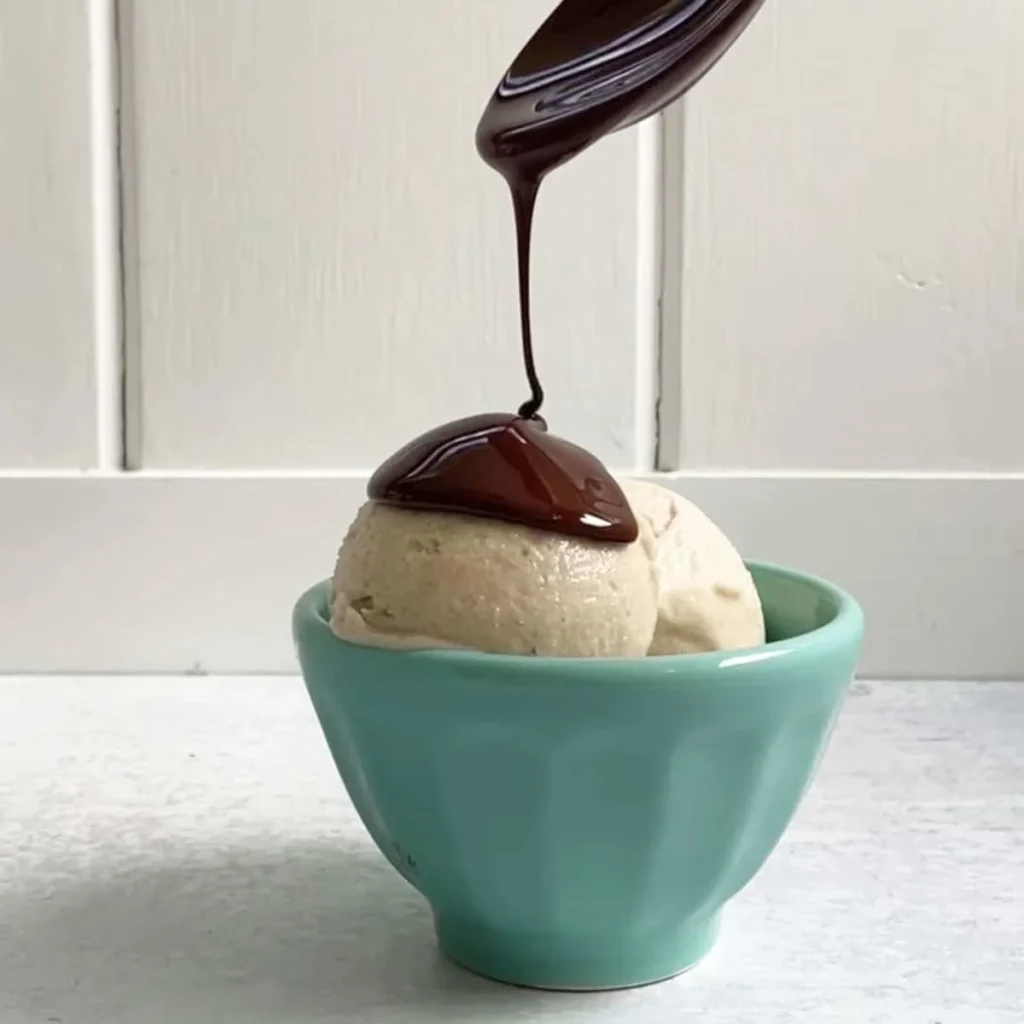
In the world of home confectionery, few things spark as much joy—or bridge the generational divide quite as effectively—as the “Magic Chocolate Shell.” That iconic, satisfying snap of hardened chocolate against a scoop of cold vanilla ice cream is a staple of childhood nostalgia. While store-bought versions have long dominated grocery aisles, a growing movement of home cooks and culinary enthusiasts is rediscovering the simplicity of crafting this decadent treat from scratch. By utilizing just two fundamental ingredients, anyone can recreate the professional-grade, snap-on-contact topping in their own kitchen in under five minutes.
Main Facts: The Alchemy of Two Ingredients
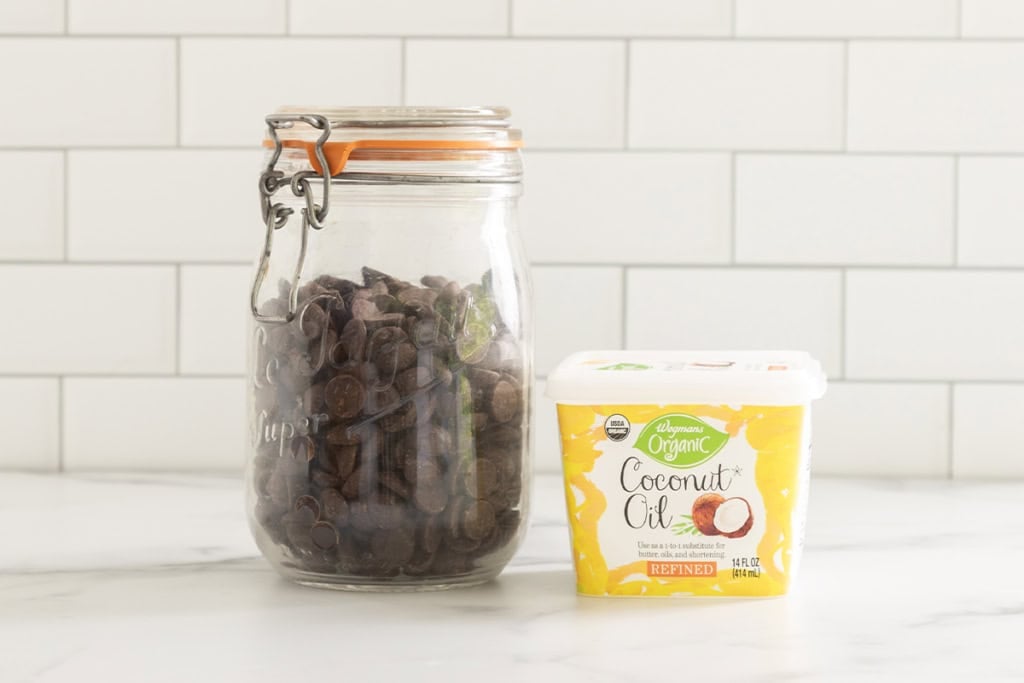
The allure of the Magic Chocolate Shell lies in its elegant simplicity. At its core, the recipe is a masterclass in food science, relying on the physical properties of fats rather than complex chemical stabilizers. The magic happens through the precise combination of semi-sweet or dark chocolate chips and high-quality coconut oil.
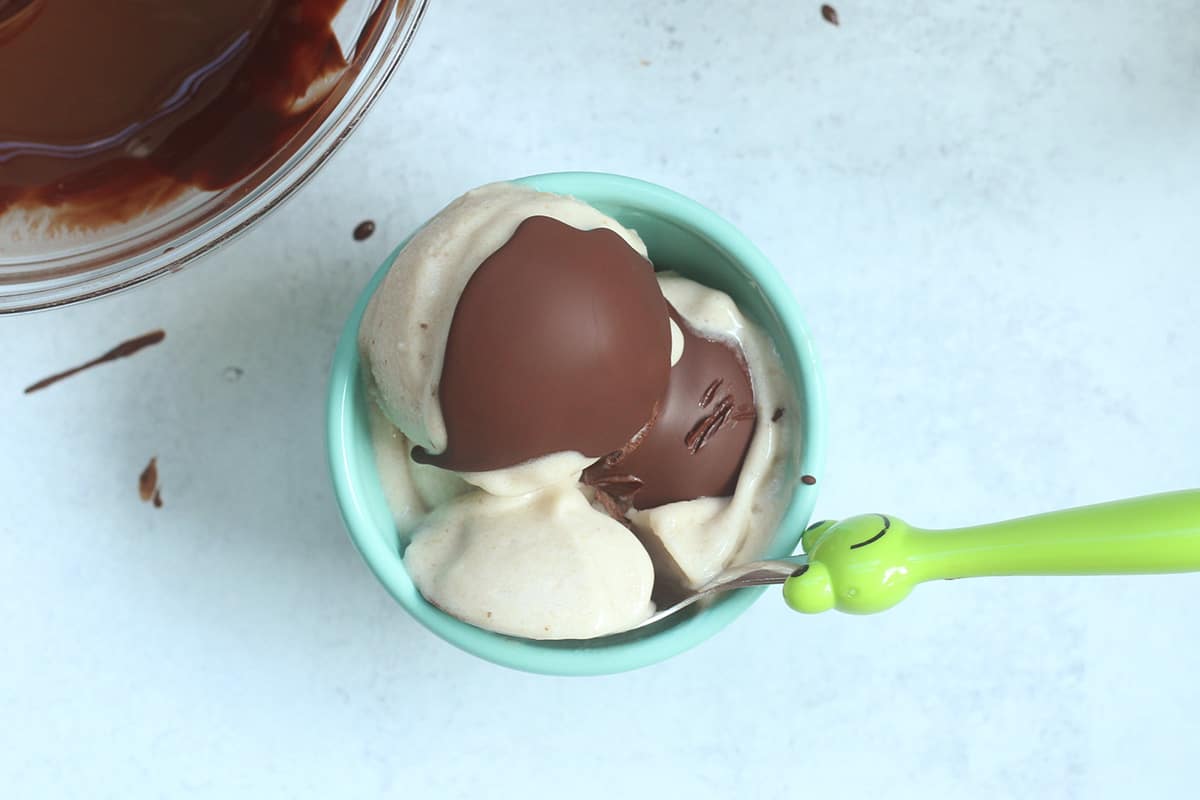
The secret ingredient is the coconut oil. Unlike butter or dairy-based fats, coconut oil remains solid at room temperature but has a relatively low melting point. When melted together with chocolate, it creates a fluid, pourable sauce. However, the moment this mixture comes into contact with a sub-zero surface—such as a scoop of ice cream, a frozen popsicle, or even chilled fruit—the coconut oil rapidly undergoes a phase change, transitioning from a liquid to a solid state. This instantaneous crystallization is what creates that distinct, crunchy "shell" that defines the experience.
Unlike commercial versions, which often incorporate hydrogenated oils, artificial flavors, and soy lecithin to ensure shelf stability, the homemade variety offers a cleaner, more robust flavor profile. It is a testament to the idea that culinary excellence often requires nothing more than high-quality, whole-food ingredients.
Chronology: The Evolution of the "Snap"
The history of the chocolate shell topping is deeply intertwined with the rise of the American ice cream parlor culture in the mid-20th century. While chocolate sauces have been poured over sundaes for over a century, the “hard-shell” phenomenon became a mainstream commercial success in the 1980s.
Initially, these products were viewed as a novelty—a way to bring the “fountain shop” experience into the home. Over the decades, however, the perception of these toppings shifted. As modern consumers began to scrutinize ingredient labels, the traditional store-bought bottles, which often listed paraffin wax and excessive corn syrup as ingredients, fell out of favor.
In recent years, the “DIY” movement has reclaimed the concept. With the rise of food-focused social media and the accessibility of high-quality baking chocolate, home chefs have turned the magic shell into a versatile canvas. It is no longer just for ice cream; it has become a staple for decorating overnight oats, dipping fresh strawberries, and elevating homemade frozen desserts. The modern iteration of the recipe is characterized by speed:
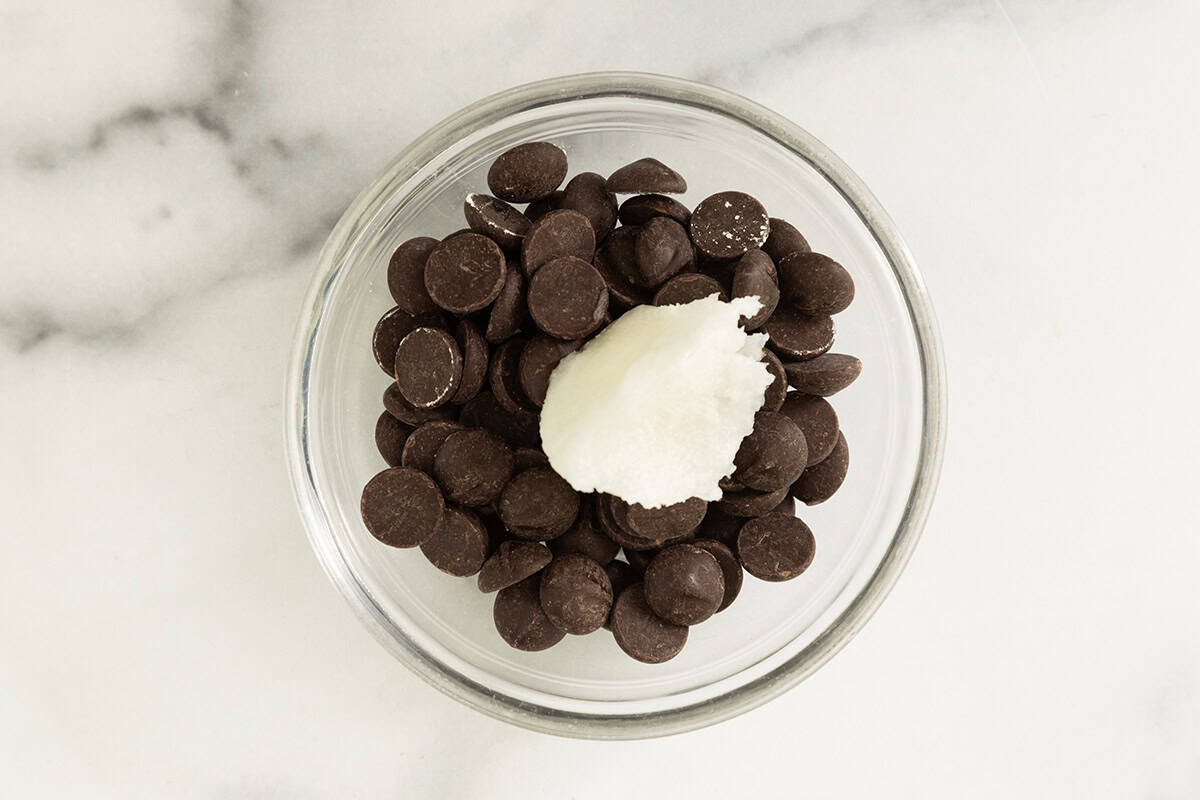
- Step 1: Selection of high-quality, tempered chocolate chips and refined or unrefined coconut oil.
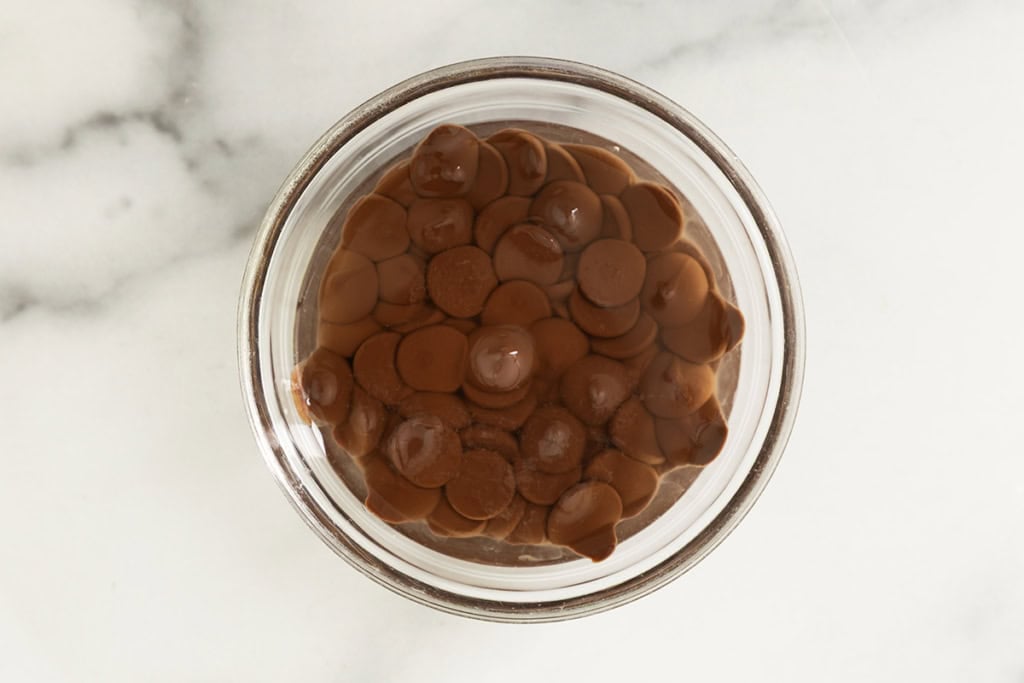
- Step 2: Controlled thermal application, typically via microwave or double boiler, ensuring the chocolate does not “seize.”
- Step 3: A brief cooling period, which prevents the heat of the chocolate from melting the dessert it is intended to top.
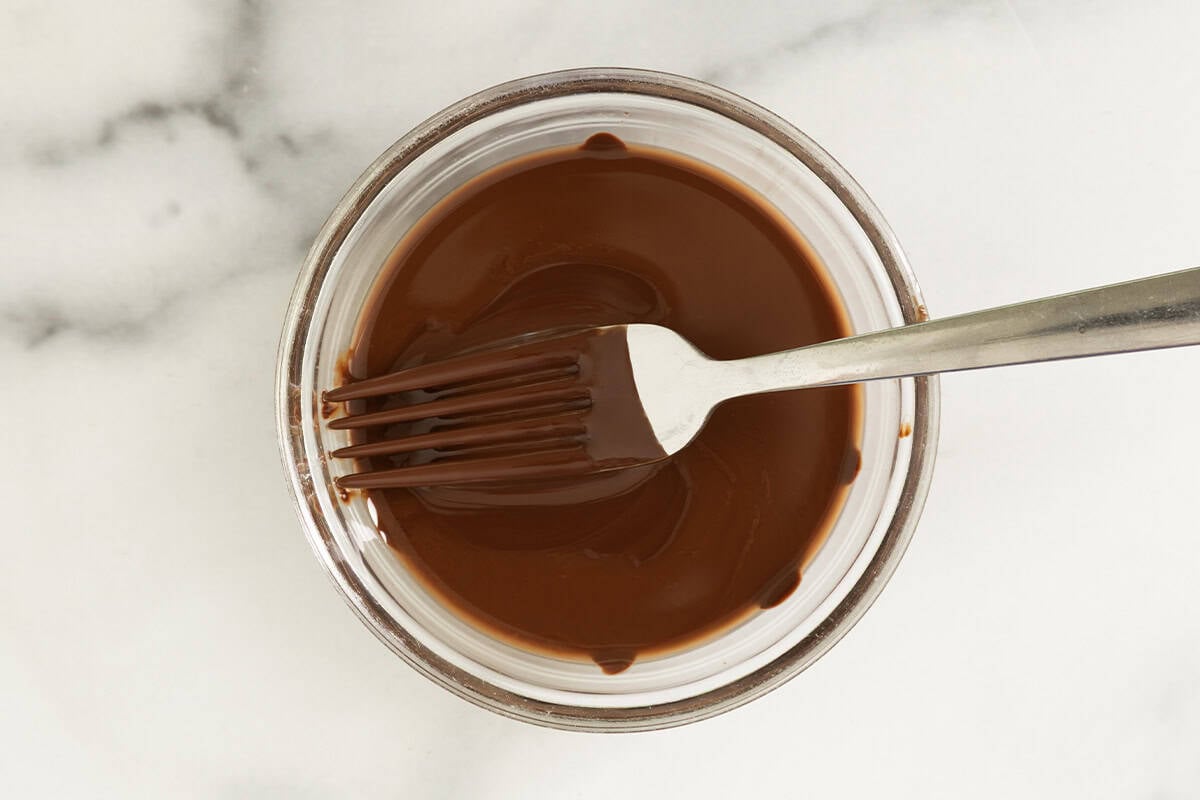
- Step 4: The pour, which results in a near-instantaneous solidification.
Supporting Data: Nutritional Efficiency
While many view the chocolate shell as an indulgent treat, the nutritional profile is surprisingly manageable when prepared in a home kitchen. Because the topping is highly flavorful and spreads thinly, a little goes a long way.
According to nutritional analysis of the standard ratio (typically two parts chocolate to one part coconut oil), a single serving contains approximately 75 calories. With 6 grams of carbohydrates and 5 grams of fat, the recipe is not designed to be a health food, but it serves as a portion-controlled way to satisfy a craving for sweets.
The inclusion of coconut oil provides a source of medium-chain triglycerides (MCTs), though, as with all saturated fats, moderation is key. When compared to the high-fructose corn syrup content of mass-produced alternatives, the homemade version allows the user to control the quality of the chocolate—opting for organic, fair-trade, or lower-sugar varieties to suit specific dietary preferences.
Official Responses and Culinary Expert Opinions
Culinary experts often praise the Magic Chocolate Shell for its versatility and its ability to teach fundamental concepts of temperature control. Professional pastry chefs note that the “shell” is essentially a simplified version of enrobage, the process used to coat truffles and candies in a thin, crisp layer of tempered chocolate.
“The beauty of this recipe,” says one food science consultant, “is that it demonstrates how fats behave under different thermal conditions. You aren’t just making a dessert; you are observing a physical transformation.”
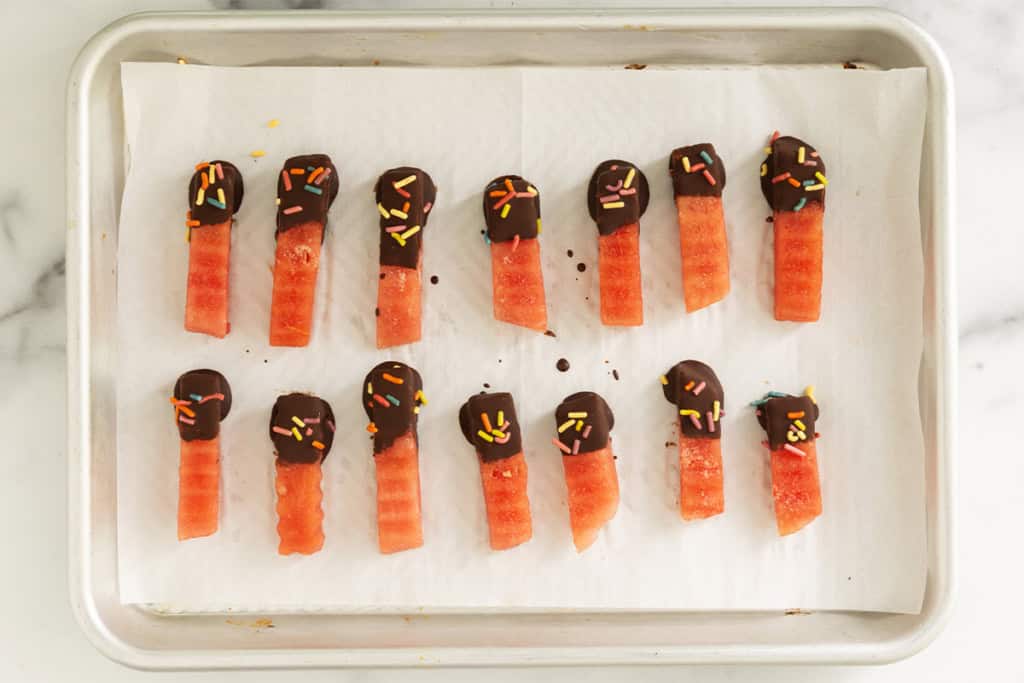
Feedback from the parenting community has been particularly enthusiastic. Nutrition-focused family food blogs, such as Yummy Toddler Food, have highlighted this recipe as a “bridge food”—a way to encourage children to engage with cold fruits or healthy yogurt-based desserts by adding a familiar, exciting texture. The “magic” element is not just a marketing term; it is a genuine sensory engagement tool that makes nutrient-dense foods more appealing to picky eaters.
Implications: The Future of Home Dessert Customization
The implications of this recipe extend beyond a single dessert. By mastering the ratio of fat to chocolate, the home cook gains a tool that can be used for a wide variety of applications:
- Textural Contrast: In professional cooking, texture is as important as taste. The shell provides a “crunch” factor that is often missing from creamy desserts like mousse or ice cream.
- Ingredient Customization: By using dark chocolate (70% cocoa or higher), the user can create a sophisticated, low-sugar version of the classic topping. Alternatively, white chocolate can be used for a sweeter, creamier variation.
- Shelf Life and Waste Reduction: Because this recipe uses only two shelf-stable ingredients, there is no need to keep specialized toppings in the pantry. It can be made in the exact quantity needed, reducing food waste and the consumption of single-use plastic bottles.
- Culinary Confidence: For the amateur cook, the immediate success of this recipe acts as a confidence booster. It is a foolproof entry point into the world of tempered chocolate, which is traditionally viewed as a daunting and technical skill.
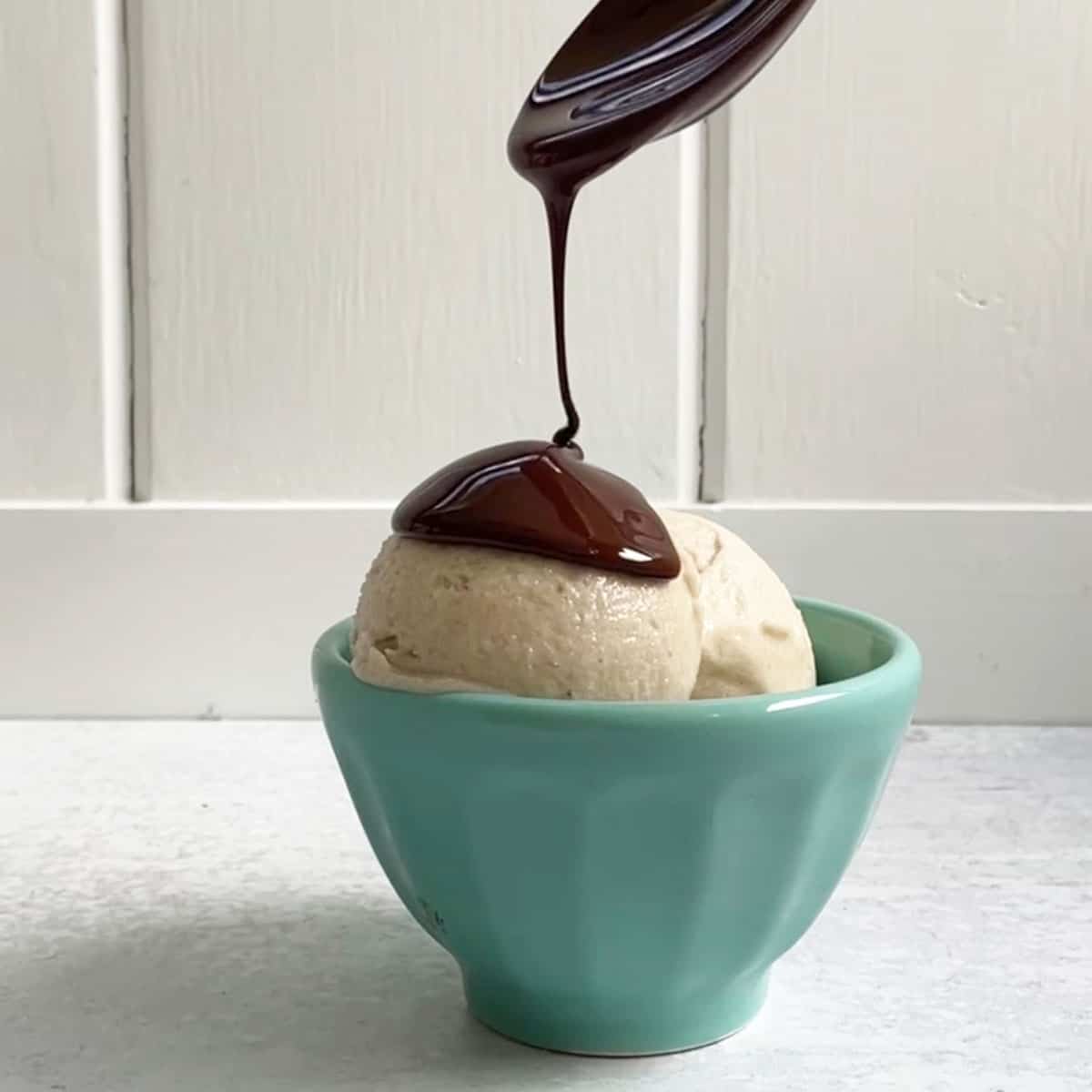
As we look toward the future of home cooking, the emphasis is clearly shifting toward recipes that are fast, clean, and customizable. The Magic Chocolate Shell fits perfectly into this paradigm. It requires no specialized equipment—only a bowl, a microwave, and a spoon—and delivers a professional result that feels indulgent. Whether you are adding a thin, crisp layer to a bowl of banana ice cream on a Tuesday night or dipping fresh fruit for a holiday gathering, the simplicity of this method remains its most enduring strength. It is a reminder that the best culinary experiences are often those that bring us back to the basics, relying on the chemistry of simple ingredients to create something truly extraordinary.