The Parisian Dream: Navigating the Complex Realities of Relocating to France

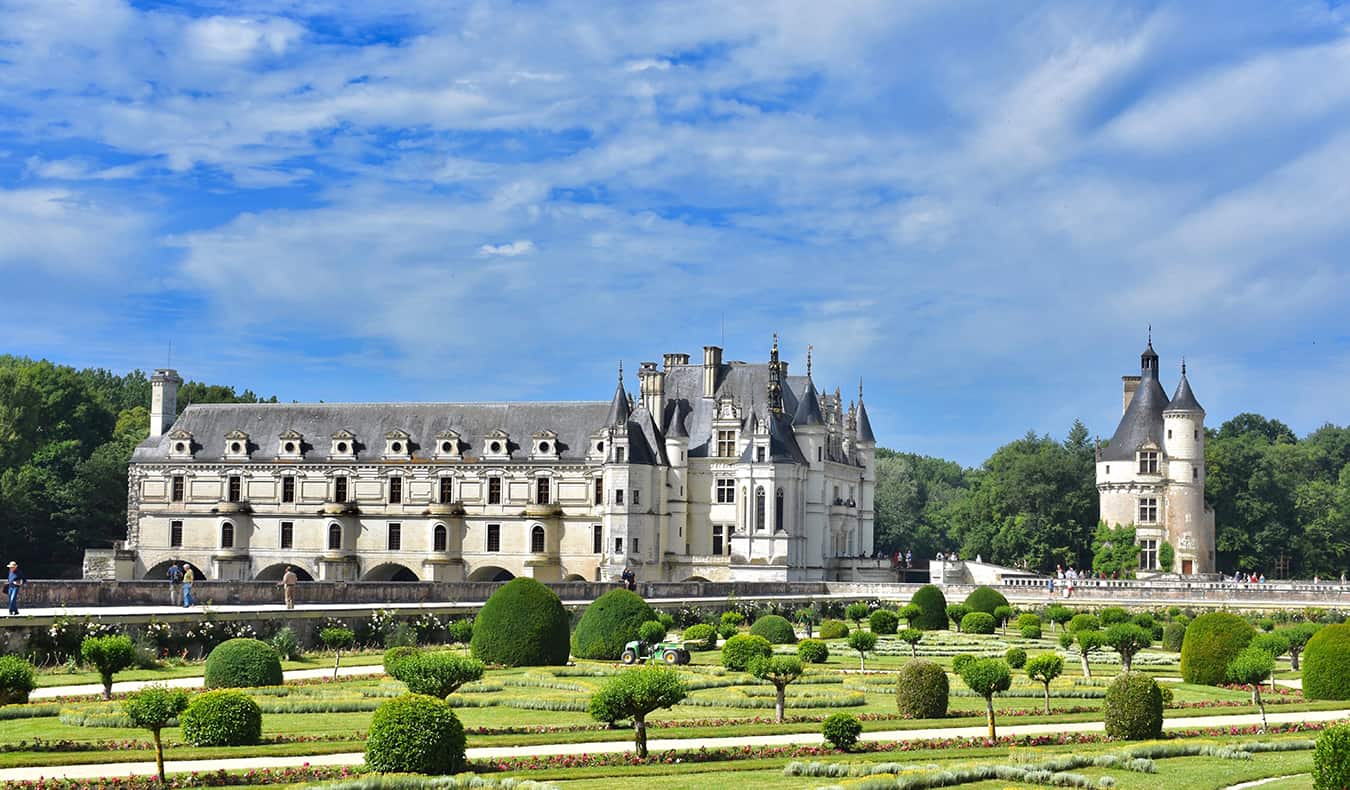
For many, the image of France is a curated collage of sun-drenched vineyards in Bordeaux, the architectural grandeur of the Loire Valley, and the relentless, intoxicating energy of Paris. For those who have visited, the country often stops being a mere destination and begins to feel like a calling. But what happens when the temporary visitor decides they want to make this dream a permanent reality?
The journey from casual traveler to long-term resident is a path paved with bureaucratic hurdles, complex visa regulations, and the existential challenge of defining what "work" actually means in a globalized, digital age. This is the reality of moving to France—a process that demands not just a love for the culture, but a rigorous, calculated approach to international law.
The Genesis of an Idea: Why France?
The fascination with France often begins with a singular experience. For many, it is the first encounter with the French "art de vivre"—the appreciation of food, the history embedded in the cobblestones, and the unique cadence of life.
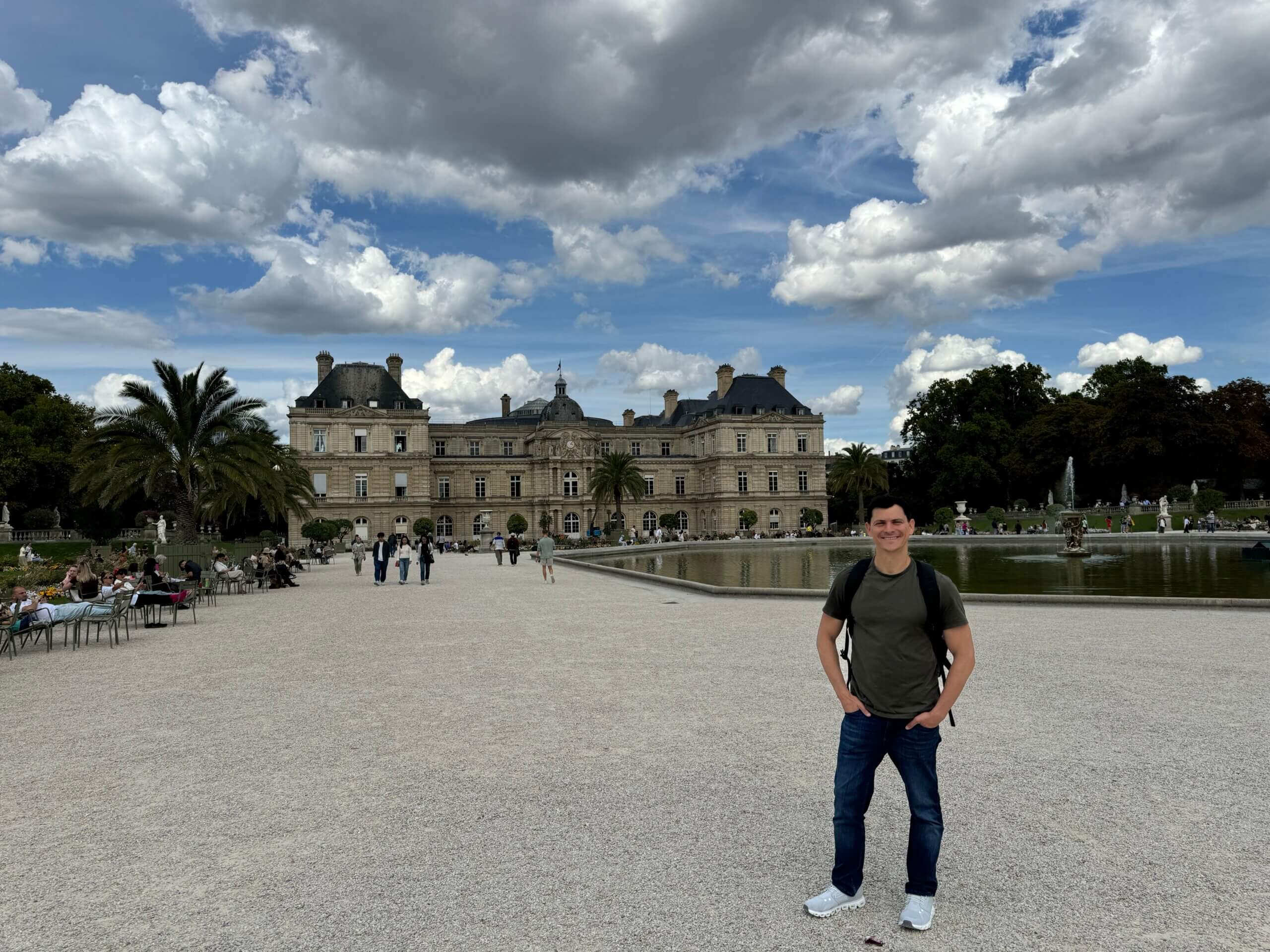
After spending years traveling the globe, the allure of Paris often transcends simple tourism. It becomes a matter of lifestyle design. Faced with the rising cost of living in major American hubs like New York City, a stagnant creative environment, and the looming uncertainty brought on by rapid advancements in artificial intelligence, many professionals are looking abroad.
Paris offers more than just aesthetic beauty; it provides a change of scenery that is often the catalyst for professional reinvention. With a lower cost of living, a vibrant social network of international expatriates, and a central location that makes the rest of Europe easily accessible, the "City of Light" acts as a magnet for those seeking a creative reset.
Chronology: A Roadmap for the Aspiring Expat
Moving to France is not a decision to be taken lightly, nor is it one that can be executed overnight. The process is a chronological progression of planning, application, and validation.
Phase 1: Assessment and Visa Selection
Before packing a single suitcase, one must identify the correct legal path. France does not currently offer a dedicated "digital nomad visa," which necessitates a strategic selection from existing options:
- Student Visa: Ideal for those looking to immerse themselves in the language or pursue higher education. It requires enrollment in an accredited institution and proof of financial solvency (approximately €600/month).
- Entrepreneur Visa: Reserved for those planning to establish a physical business presence within France. This route is notoriously document-heavy, requiring a viable business plan, proof of local clients, and evidence of income meeting French minimum wage standards.
- Talent Passport: Aimed at high-achieving professionals, artists, and academics who can demonstrate significant contributions to French culture or industry.
- VLS-TS Visiteur (Long-Term Visitor Visa): The most common route for retirees or those with passive income. It allows for a 12-month stay, renewable within the country, though it strictly prohibits physical employment within the French labor market.
Phase 2: The Application Process
Once the visa type is determined, the applicant must engage with the French government’s digital portal to initiate the process. This involves booking an appointment with a third-party processor (such as TLScontact), where the applicant submits their passport and supporting documentation.
Phase 3: The Waiting Period and Approval
The processing time typically spans 15 days, though it is often faster. During this period, the applicant’s passport is held by the consulate. The outcome—a visa stamp—is the "golden ticket" that allows for legal entry and eventual residency registration.
Phase 4: Integration
Upon arrival, the process is not finished. Within 90 days, the resident must officially validate their visa through the state’s online portal, a mandatory step to ensure legal status remains active throughout the duration of the stay.
Supporting Data and Financial Requirements
The core of the French visa application is the "proof of solvency." The French consulate is fundamentally concerned with ensuring that an applicant will not become a financial burden on the state’s social welfare system.
While the official requirements vary based on the consulate’s jurisdiction, the general rule is to over-prepare. Applicants should be ready to present:
- Proof of Accommodation: A lease or letter of invitation covering the first 90 days.
- Financial Records: Recent bank statements, proof of recurring passive income, and, in some cases, investment portfolios.
- Health Insurance: Comprehensive travel or private medical insurance that meets the specific requirements of the French state.
- Professional Background: Tax returns and, where applicable, proof of business revenue to demonstrate the legitimacy of one’s source of funds.
The Gray Area: Navigating the Concept of "Work"
One of the most persistent points of confusion for modern migrants is the legal definition of "work." In the eyes of the French administration, "work" is historically defined as a physical activity performed for a local employer that could potentially displace a French citizen.
However, the reality of the 21st-century digital economy—remote writing, consulting, and content creation—has created a significant legal gray area. If a blogger writes an article from a Parisian café for an audience in the United States, are they working in France?
Current legal consensus suggests that if the work does not involve a French employer, does not take away a job from a local, and is not physically tied to the French marketplace, it may be permissible under a Visitor visa. However, this is an area fraught with complexity. It is highly advised that individuals consult with specialists, such as prominent immigration attorneys like Daniel Tostado, who possess the expertise to navigate the intersection of French immigration law and global digital labor.

Official Responses and Administrative Reality
French authorities are notoriously traditional when it comes to labor laws. The French tax office has, in the past, signaled an interest in taxing remote work, yet there has been little progress in codifying this into law. For many on a visiteur visa, the situation is paradoxical: the government expects proof of income to support the stay, yet it provides no mechanism (like a tax number) for those individuals to contribute to the French tax system through their remote activities.
This disconnect suggests that the French administrative system is still in the process of catching up to the realities of the globalized, remote workforce. For the applicant, this necessitates a conservative approach: maintain your professional independence, keep your financial ties largely outside of the French system, and always prioritize full transparency regarding your sources of income during the application process.
Implications for the Future of Expats
The decision to move to France is more than a logistical challenge; it is a commitment to a different way of being. The implications of this move are profound:
- Professional Growth: Moving to a country with a different professional culture can act as a catalyst for innovation and creativity, provided one is willing to adapt.
- Cultural Integration: The process of obtaining a visa is just the beginning. True integration requires learning the language, understanding the social nuances, and respecting the administrative rigors of a country that deeply values its bureaucratic traditions.
- The "Forever" Question: Many people approach a move as a permanent solution to a temporary problem. It is essential to recognize that France may not be the "forever home" for everyone, and the flexibility provided by the VLS-TS visa is a strategic asset for those who wish to test the waters before committing to permanent residency or citizenship.
Ultimately, relocating to France is an exercise in patience and precision. For those willing to navigate the dense forest of paperwork and the evolving legal landscape of digital work, the reward is a life defined by the unparalleled richness of the French experience. It is a path that rewards the prepared, the curious, and those who understand that in France, the beauty of the destination is matched only by the rigor of the journey.