The $1.54 Dinner Solution: How Test Kitchen Innovation is Addressing Rising Grocery Inflation
NASHVILLE, Tenn. — As food inflation continues to strain household budgets across the nation, culinary developers are turning to food science and strategic ingredient sourcing to redesign weeknight dining. In a market where consumer sentiment is heavily influenced by the rising cost of staples, the development of high-yield, low-cost recipes has transitioned from a niche hobby to an essential household economic strategy.
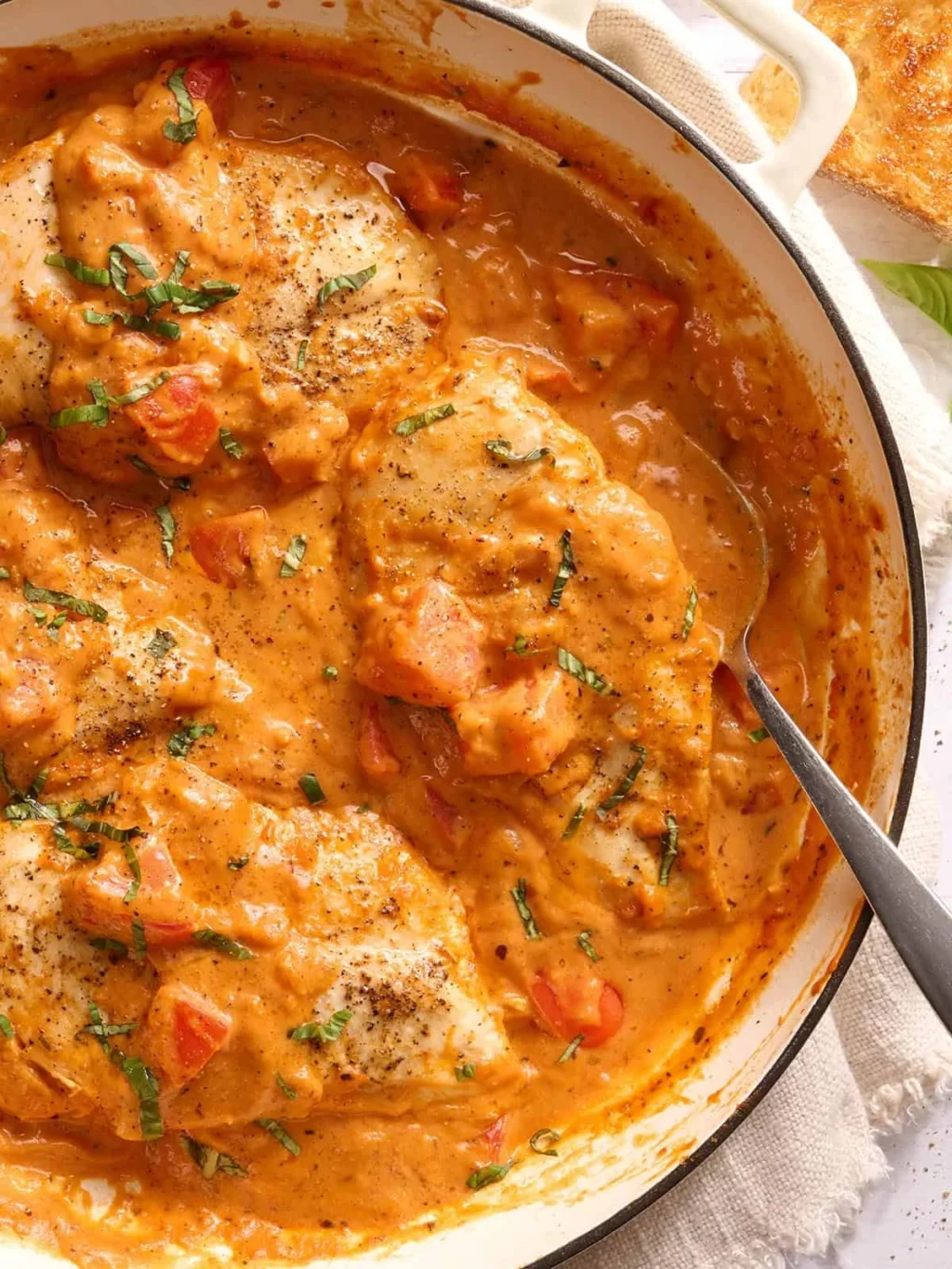
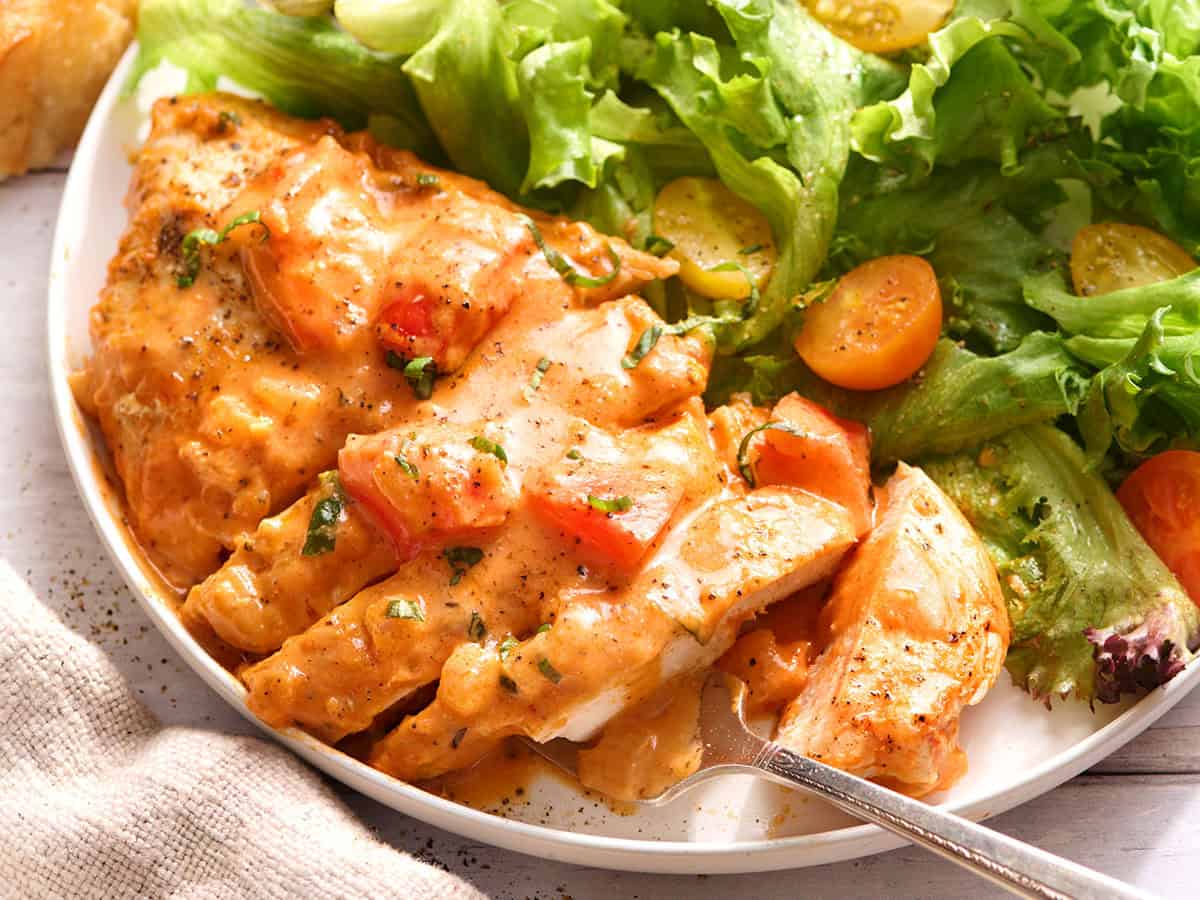
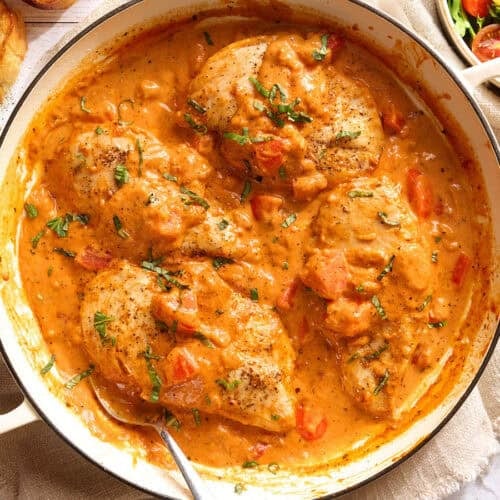
A prominent case study in this movement is the newly released "Creamy Tomato Chicken" developed at the Budget Bytes Nashville Test Kitchen. Engineered to feed a family of four for a total cost of $6.15—averaging just $1.54 per serving—the recipe highlights how classical culinary techniques can be adapted to bypass expensive ingredients without sacrificing nutritional value or flavor profile. By utilizing a oil-and-flour roux as a stabilizer and substituting whole milk for heavy cream, developers have demonstrated that high-quality, comforting meals can remain accessible to the average consumer.
Main Facts: The Anatomy of a Budget-Engineered Meal
The development of the Creamy Tomato Chicken recipe addresses three primary pressure points for modern home cooks: financial constraints, time poverty, and culinary accessibility.
====================================================================
                       RECIPE COST METRICS
====================================================================
Total Recipe Cost:                        $6.15
Cost Per Serving (4 Servings Total):      $1.54
Active Preparation & Cook Time:           35 Minutes
Core Protein Yield:                       2 Breasts optimized to 4 Cutlets
====================================================================
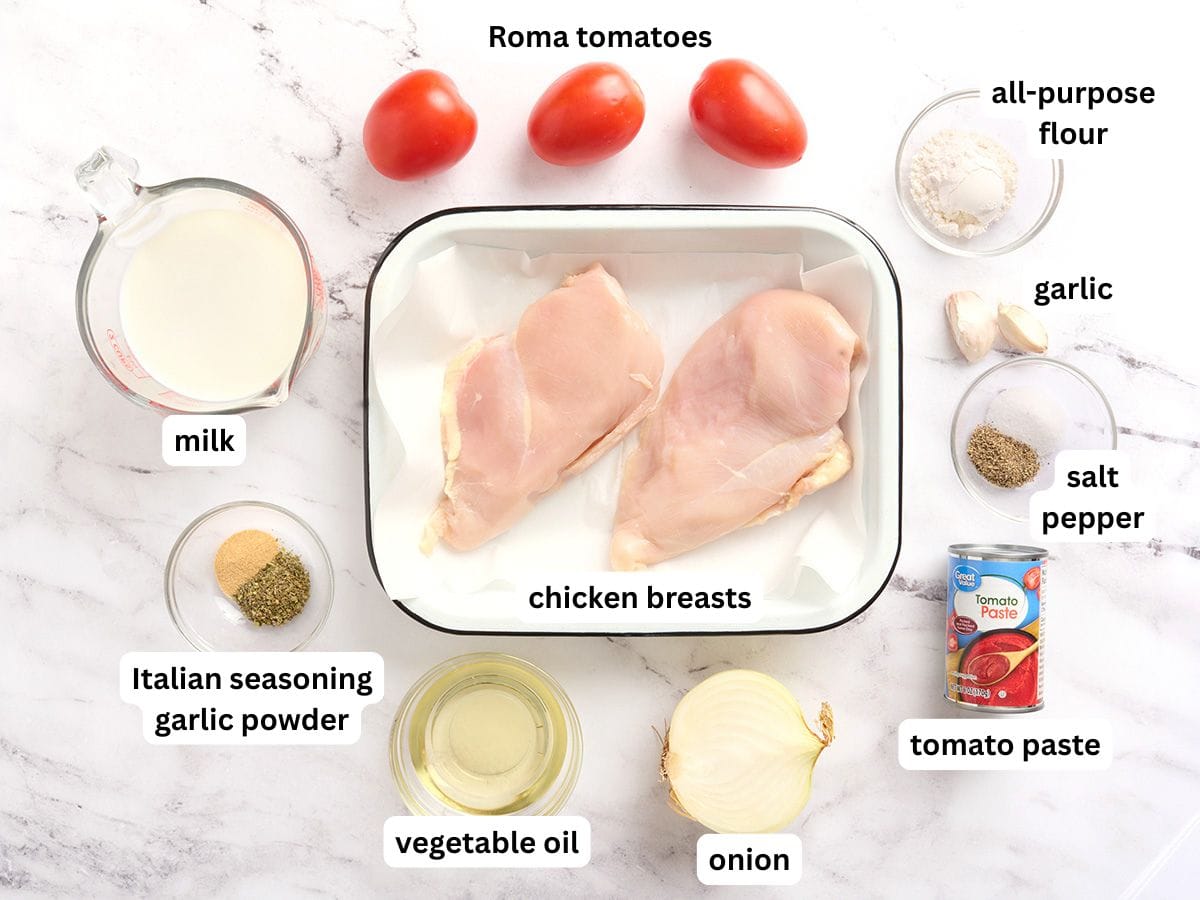
To achieve these metrics, developers relied on precise ingredient engineering. The recipe utilizes two large chicken breasts, totaling approximately 1.5 pounds. By slicing the chicken breasts horizontally—a technique known as filleting—the kitchen effectively doubled the visual and physical portion yield from two pieces to four. This modification not only distributes the protein more equitably across servings but also significantly reduces thermal transit times during the cooking process.
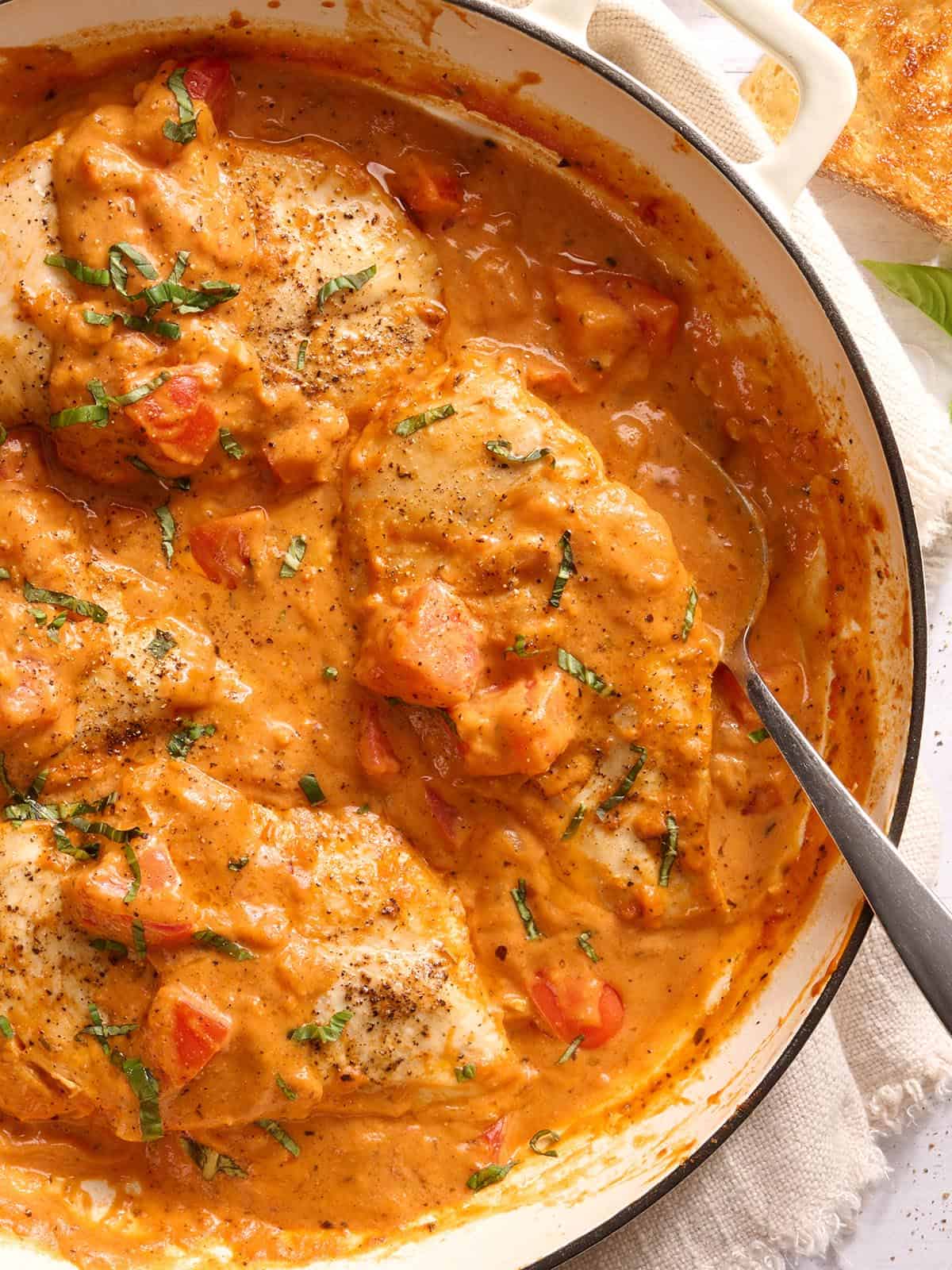
The second major optimization occurs in the emulsification of the sauce. Standard creamy tomato sauces rely heavily on heavy whipping cream, a dairy product that has experienced volatile pricing fluctuations due to supply chain pressures and high fat-content premiums. The test kitchen bypassed this expense by constructing a quick roux using standard vegetable oil and all-purpose flour, subsequently hydrated with whole milk. This technique delivers a velvety texture and stable emulsion at a fraction of the market cost of heavy cream.
Chronology: The Step-by-Step Culinary Process
The preparation of the Creamy Tomato Chicken is structured chronologically to maximize kitchen efficiency, utilizing a single skillet to capture and re-emulsify pan drippings (fond) back into the final dish.
+-----------------------------------------------------------------+
|                       CHRONOLOGICAL WORKFLOW                    |
+-----------------------------------------------------------------+
|  Phase I: Protein Modification & Seasoning                      |
|  [Time: 0-5 Mins] - Slicing, drying, and surface preparation    |
+-----------------------------------------------------------------+
                                |
                                v
+-----------------------------------------------------------------+
|  Phase II: Thermal Searing & Maillard Reaction                  |
|  [Time: 5-15 Mins] - High-heat sear, pan fond creation           |
+-----------------------------------------------------------------+
                                |
                                v
+-----------------------------------------------------------------+
|  Phase III: Aromatic Base & Roux Stabilization                  |
|  [Time: 15-22 Mins] - Sautéing, starch cooking, milk hydration  |
+-----------------------------------------------------------------+
                                |
                                v
+-----------------------------------------------------------------+
|  Phase IV: Re-incorporation & Symbiotic Simmering               |
|  [Time: 22-35 Mins] - Acid balance with fresh Roma tomatoes     |
+-----------------------------------------------------------------+
Phase I: Protein Modification and Seasoning (Minutes 0–5)
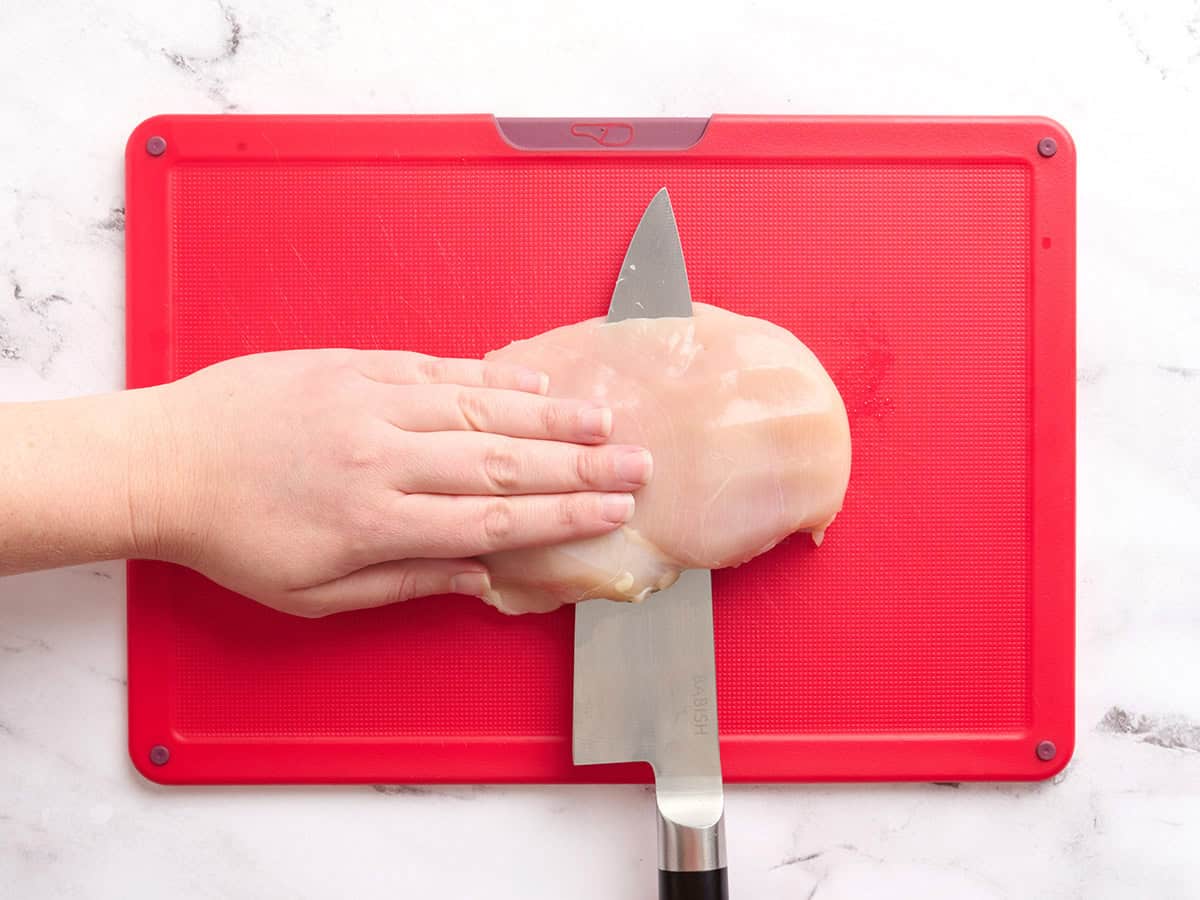
The process begins with the physical manipulation of the protein. Two boneless, skinless chicken breasts are laid flat on a sanitized cutting board. Using a sharp chef’s knife held parallel to the board, the cook slices through the horizontal equator of each breast. This yields four uniform cutlets of equal thickness, ensuring synchronized thermal conduction during cooking.
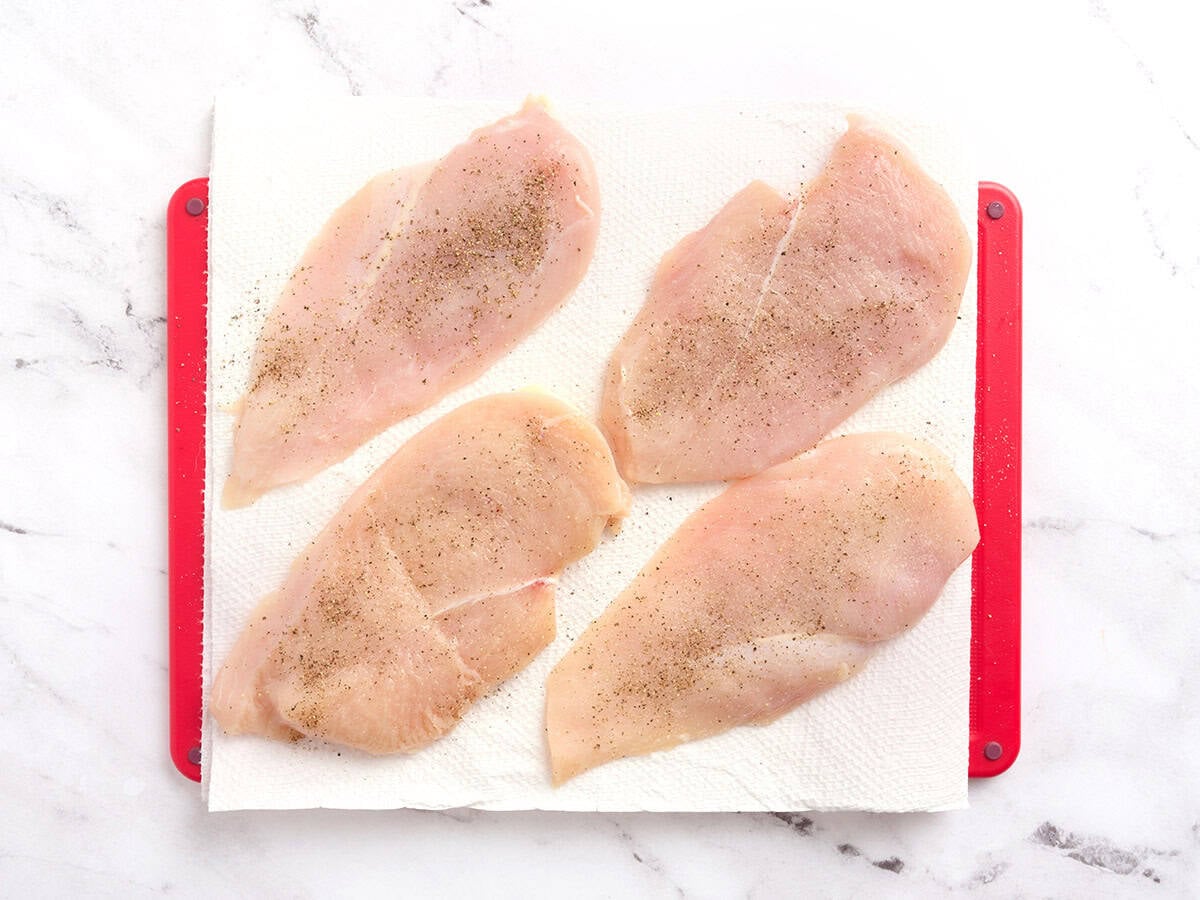
Following the cut, the surfaces of the cutlets are thoroughly patted dry with paper towels. Removing surface moisture is a critical thermodynamic prerequisite; excess water on the chicken’s surface would absorb thermal energy to undergo vaporization, steam-cooking the meat rather than searing it. Once dried, the chicken is seasoned uniformly with $1/2$ teaspoon of salt and $1/2$ teaspoon of black pepper.
Phase II: Thermal Searing (Minutes 5–15)
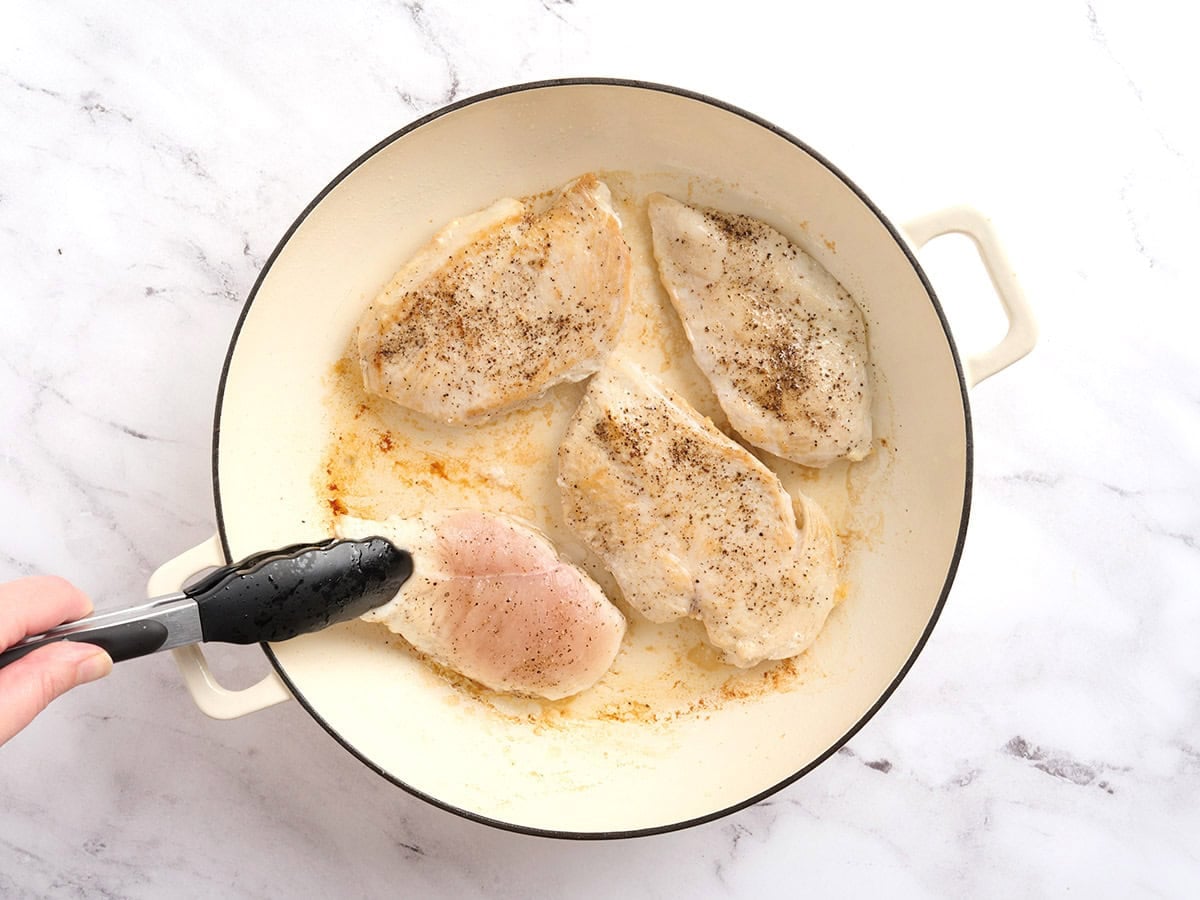
A large skillet is charged with 2 tablespoons of vegetable oil and heated over medium-high heat. Once the oil exhibits a shimmery appearance and low viscosity, the cutlets are carefully introduced to the pan.
The chicken is seared undisturbed for 4 to 5 minutes per side. This extended contact with high heat facilitates the Maillard reaction—a chemical reaction between amino acids and reducing sugars that gives browned food its desirable flavor. Upon reaching an internal temperature of 165°F (verified via digital instant-read thermometer), the golden-brown chicken is transferred to a resting plate, preserving its internal juices.
Phase III: Aromatic Base and Roux Stabilization (Minutes 15–22)
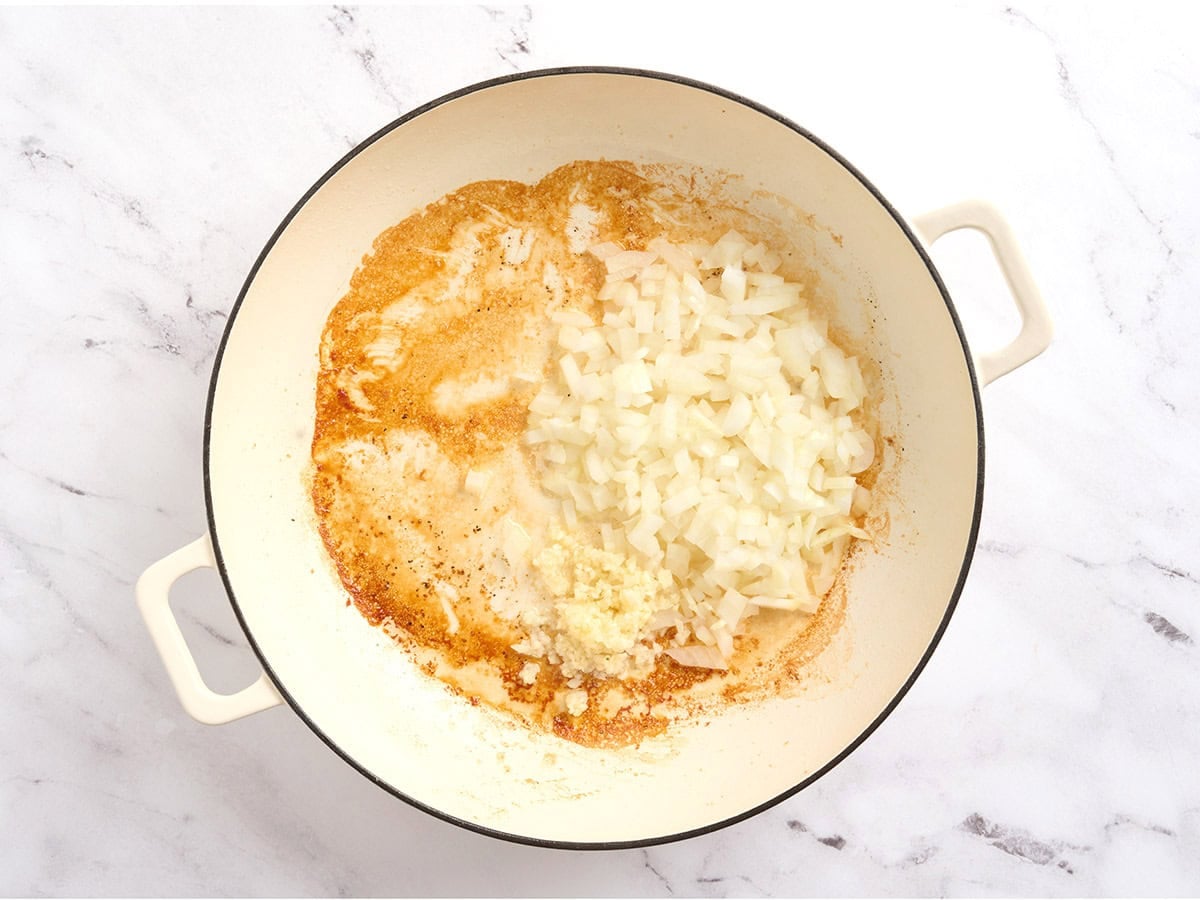
The burner is adjusted to medium heat, and the accumulated pan drippings (fond) are utilized as the cooking medium for the aromatics. One-half of a finely diced yellow onion and 1 tablespoon of minced garlic are added to the skillet. These are sautéed for approximately 3 minutes until the onion achieves a translucent state and the garlic releases its aromatic organosulfur compounds.
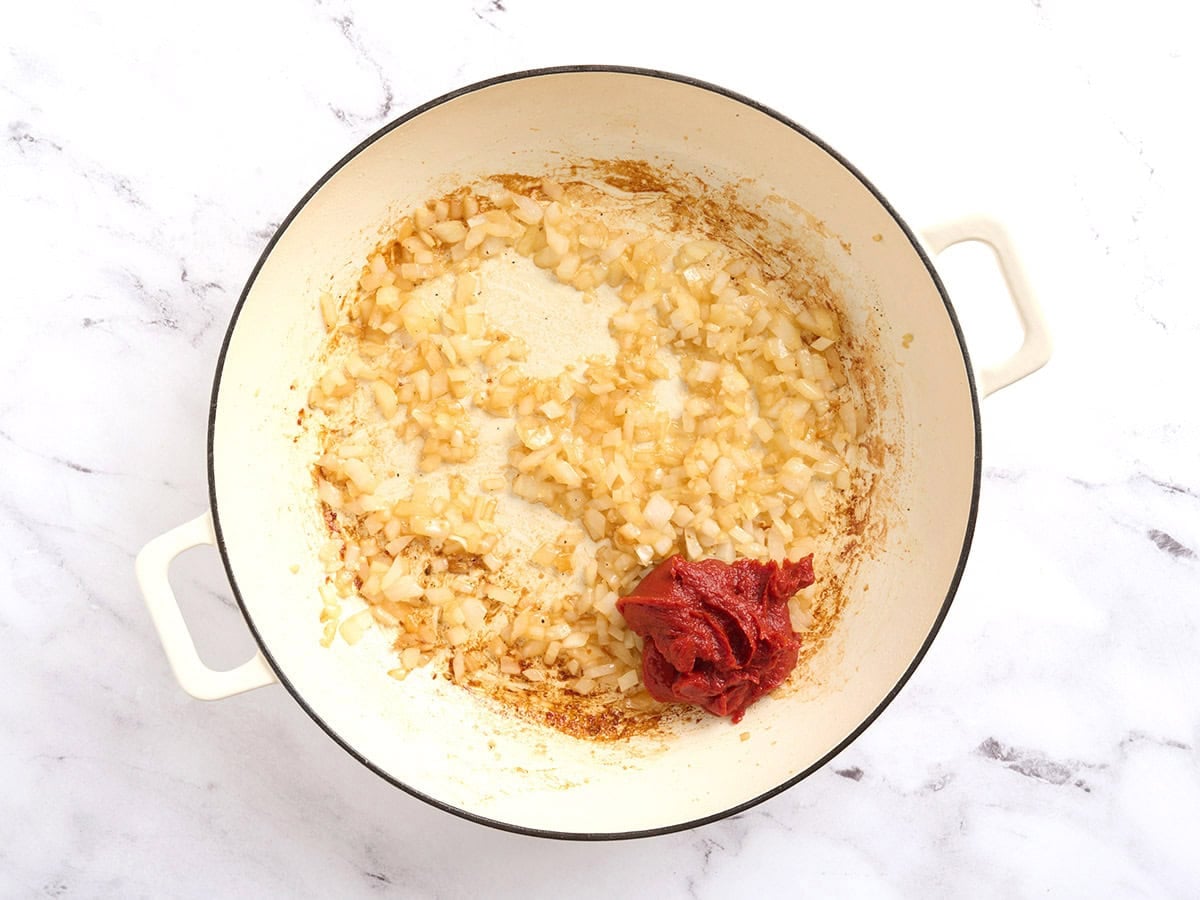
Three tablespoons of concentrated tomato paste are then incorporated directly into the aromatic mixture. Sautéing the paste for 1 to 2 minutes caramelized the natural sugars within the tomato, deepening the color and neutralizing raw, metallic notes.
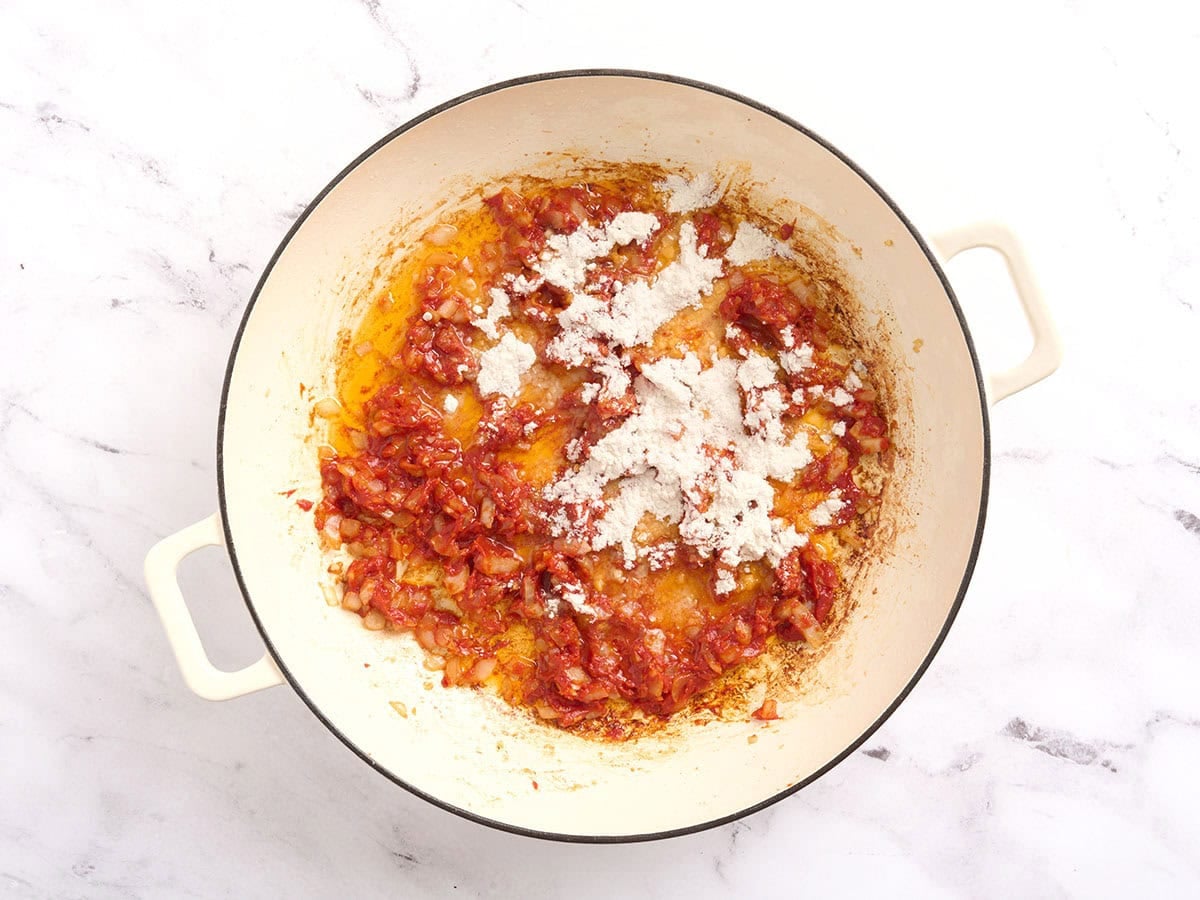
Next, the secondary fat component—1 tablespoon of vegetable oil—is drizzled in, followed immediately by 2 tablespoons of all-purpose flour. The mixture is stirred continuously for 60 seconds to cook out the raw starch flavor of the flour, creating a rich, tomato-infused roux.
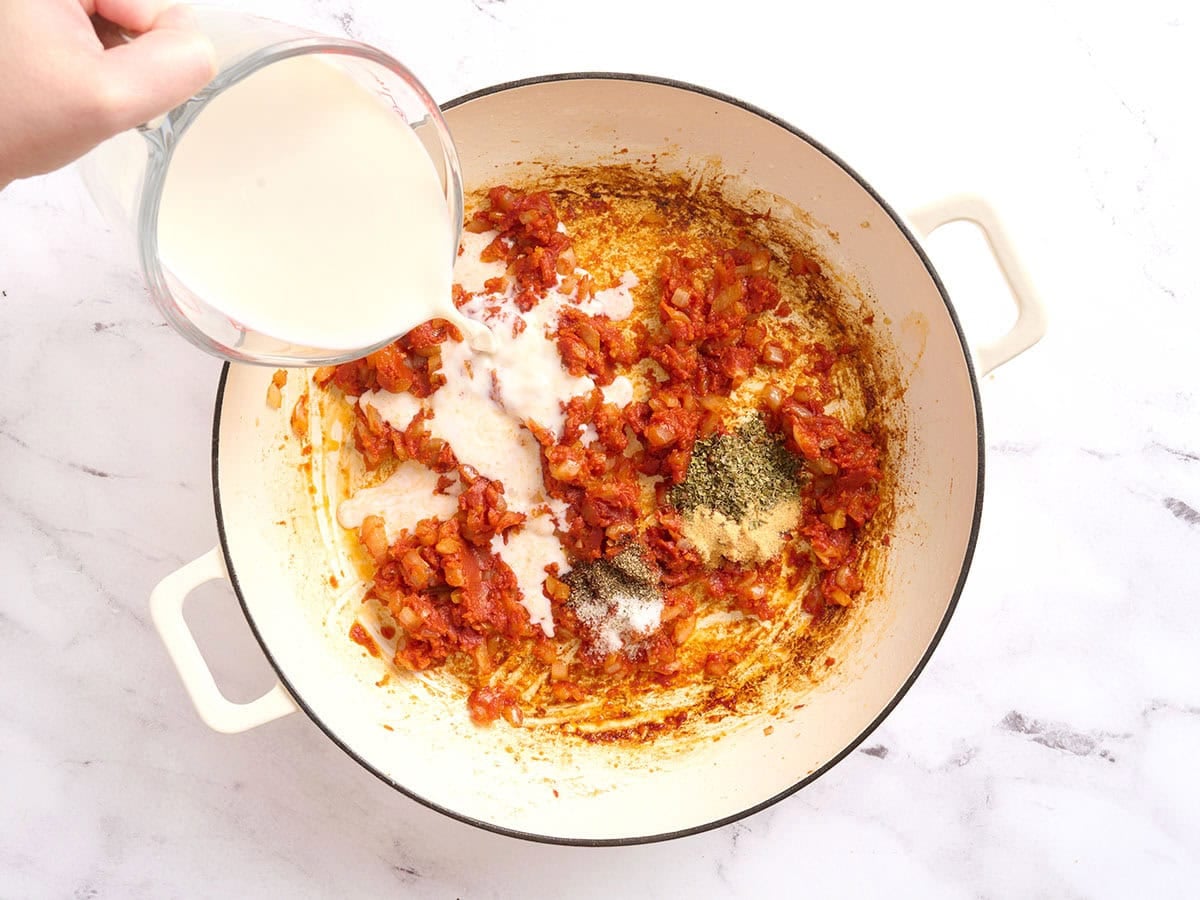
Two cups of whole milk are then slowly whisked into the pan. The mechanical action of whisking, combined with the gradual introduction of liquid, allows the cooked starch granules in the roux to swell and absorb the milk, creating a stable, thickened, and creamy liquid base. The sauce is seasoned with 1 teaspoon of Italian seasoning, $1/2$ teaspoon of garlic powder, $3/4$ teaspoon of salt, and $1/2$ teaspoon of black pepper.
Phase IV: Re-incorporation and Symbiotic Simmering (Minutes 22–35)
With the heat maintained at a gentle simmer to prevent the milk proteins from curdling, $1frac12$ cups of diced fresh Roma tomatoes are folded into the sauce.
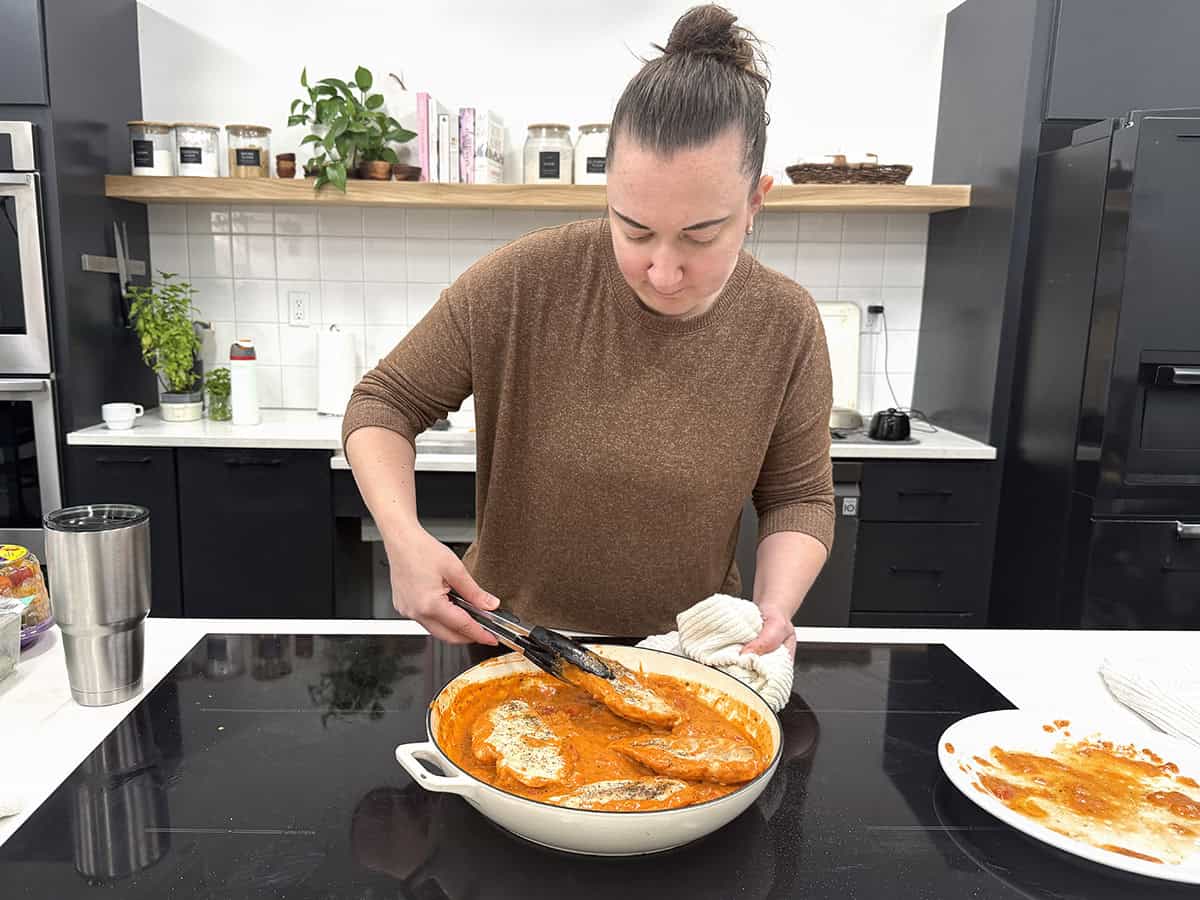
The rested chicken cutlets, along with any accumulated meat juices from the resting plate, are returned to the skillet. The sauce is spooned over the protein, and the heat is reduced to low. The dish is allowed to simmer for an additional 3 to 5 minutes, allowing the fresh tomatoes to soften slightly and release their sweet, acidic juices into the cream sauce, creating a complex and balanced flavor profile before serving.
Supporting Data: Economic and Nutritional Breakdown
To validate the claims of affordability and nutritional adequacy, the Nashville Test Kitchen subjected the recipe to rigorous quantitative analysis.
Macro-Nutritional Profile
The nutritional composition of the dish is engineered to support active lifestyles, providing a high-protein, moderate-fat profile that promotes satiety without excessive caloric density.
+-----------------------------------------------------------------+
|                  NUTRITIONAL DATA (PER SERVING)                 |
+-----------------------------------------------------------------+
|  Metric                                  Value (% Daily Value)  |
+-----------------------------------------------------------------+
|  Calories                                336 kcal               |
|  Protein                                 30 g (60%)             |
|  Total Fat                               17 g (26%)             |
|  Carbohydrates                           15 g (5%)              |
|  Sodium                                  1003 mg (44%)          |
|  Dietary Fiber                           2 g (8%)               |
+-----------------------------------------------------------------+
Ingredient Substitution Dynamics and Cost Mitigation
The choice of ingredients reflects a strategic compromise between cost and culinary performance:
- Protein Alternatives: While chicken breasts are optimal for filleting, the recipe notes indicate that 4 boneless, skinless chicken thighs or pork chops can be utilized as direct substitutes based on local sales and availability. Thighs offer increased moisture retention due to higher fat content, while pork chops must be cooked to an internal temperature of 145°F followed by a 3-minute rest.
- Dairy Variations: Whole milk provides the optimal lipid-to-protein ratio for a velvety sauce. However, 2% reduced-fat milk can be substituted with a minor loss in viscosity. Unsweetened, unflavored plant-based milks (such as oat or almond milk) are viable dairy-free alternatives, though cooks are cautioned that the final emulsion thickness may vary.
- Tomato Selection: Roma tomatoes were selected specifically due to their high flesh-to-seed ratio and lower moisture content, which prevents the cream sauce from becoming watery. Furthermore, retail tracking data confirms Roma tomatoes consistently rank among the most cost-effective fresh produce items year-round.
Developer Perspectives and Culinary Expert Insights
The creation of the Creamy Tomato Chicken was overseen by Melissa Nolan, a Recipe Developer at Budget Bytes. Nolan’s professional background—which includes a business hospitality degree from Florida State University, formal culinary training at Johnson & Wales University, and an internship at Thomas Keller’s Michelin-starred Per Se in New York City—heavily influenced the development of the recipe.
+-----------------------------------------------------------------+
|                     DEVELOPER PROFILE                           |
+-----------------------------------------------------------------+
|  Developer:     Melissa Nolan, Recipe Developer                 |
|  Education:     Johnson & Wales University (Culinary Arts)      |
|  Experience:    Per Se (NYC), JAX Cooking Studio                |
|  Philosophy:    Applying classical techniques to optimize       |
|                 household culinary economics.                   |
+-----------------------------------------------------------------+
"The challenge of modern recipe development is not merely creating something that tastes good, but doing so within strict economic parameters," Nolan stated during a review of the recipe’s performance. "At Per Se, the focus was on absolute perfection regardless of ingredient cost. At Budget Bytes, the focus is on maximizing the efficiency of every dollar spent. Applying classical techniques—like utilizing a roux to stabilize a milk-based sauce or properly deglazing a pan to incorporate fond—allows us to deliver restaurant-quality textures and deep, savory flavors without relying on premium-priced ingredients."
Nolan’s tenure as a Chef Instructor at the JAX Cooking Studio in Jacksonville, Florida, also informed the step-by-step approach of the recipe. By anticipating common home-cook errors, such as scorching tomato paste or failing to cook the raw flour taste out of a roux, the instructions are designed to act as an educational tool, teaching foundational culinary science while producing a quick weeknight dinner.
Implications: The Intersection of Gastronomy and Household Economics
The broader implications of this recipe development speak directly to changing consumer habits in the face of ongoing economic shifts. As the cost of dining out rises significantly faster than grocery store prices, middle-class households are increasingly "trading down" to home-cooked meals. However, to maintain these habits, consumers require recipes that replicate the sensory satisfaction of restaurant dining—often characterized by rich, creamy sauces—without exceeding tight weekly budgets.
The Rise of Frugal Culinary Engineering
This shift has forced a democratization of professional culinary techniques. The use of a starch-stabilized milk emulsion instead of heavy cream is an exercise in functional food chemistry. By understanding how starch molecules gelatinize and trap water and fat, recipe developers can help households bypass premium ingredients entirely.
Additionally, the single-skillet design addresses the issue of "time poverty" among working families. Minimizing clean-up times and simplifying prep work directly correlates with a family’s likelihood to cook at home rather than purchasing convenience foods or ordering delivery.
Ultimately, recipes like the Creamy Tomato Chicken demonstrate that economic constraint does not have to result in culinary monotony. By merging culinary science, strategic grocery sourcing, and structured kitchen workflows, test kitchens are providing consumers with the practical tools necessary to navigate inflationary pressures while maintaining nutritional standards and food quality at home.