Post-Mortem of a Public Health Crisis: Analyzing the 2025 Listeria Outbreak in UK Cook-Chill Meals
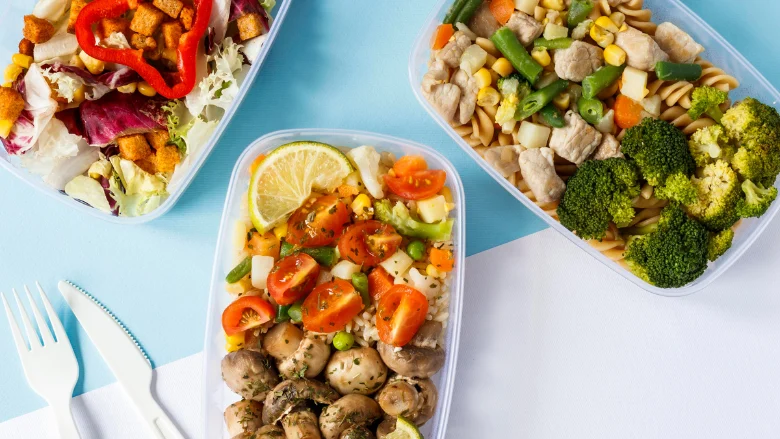
The UK Health Security Agency (UKHSA) has released a comprehensive post-incident analysis detailing a 2025 outbreak of Listeria monocytogenes that sent shockwaves through the home-delivered meal industry. The outbreak, linked to a London-based food business operator (FBO) serving a massive customer base across England, Scotland, and Wales, resulted in two hospitalizations and the tragic death of one individual.
This incident serves as a stark reminder of the persistent and lethal nature of Listeria, particularly within the production environments of "cook-chill" meal providers. As the sector grows, the case study provides critical lessons for regulators, food safety professionals, and consumers regarding the vulnerabilities inherent in centralized food production.
The Outbreak: A Clinical and Epidemiological Overview
The outbreak was defined by a highly specific genetic signature. Laboratory analysis identified a five-single-nucleotide polymorphism (5-SNP) cluster of L. monocytogenes (CC4-T5248). In March 2025, two patients, with a median age of 60 and significant underlying comorbidities, were identified as having contracted the pathogen.
Because Listeria monocytogenes is particularly dangerous to immunocompromised individuals, the elderly, and those with chronic health conditions, the vulnerability of the patients likely exacerbated the severity of their infections. Both patients had one common denominator: they had consumed meals produced by the same FBO, a company that manages a complex logistics network delivering cook-chill meals to approximately 22,000 active customers.
The subsequent investigation by the UKHSA and local authorities moved rapidly to establish a link between the clinical cases and the production facility. By utilizing whole genome sequencing (WGS), investigators confirmed that the clinical isolates matched perfectly with samples taken from the facility, providing definitive evidence of a single-source contamination event.
Chronology of the Investigation and Remediation
The trajectory of the outbreak and the subsequent regulatory intervention followed a rapid, high-stakes timeline between April and November 2025.
Phase 1: Detection and Immediate Response (April – May 2025)
- April 2025: An inspection by Havering Council revealed systemic food hygiene failures at the FBO. Investigators documented stagnant water, condensation, and damaged flooring—the quintessential breeding grounds for Listeria. Three formal hygiene improvement notices were issued, and the company’s hygiene rating plummeted from a 4 to a 1.
- May 20, 2025: Facing mounting evidence and regulatory pressure, the company voluntarily suspended production.
- May 23, 2025: Following a deep cleaning and the implementation of a new Listeria management plan, the company reopened. Simultaneously, a recall was initiated for all meals containing a specific parsley garnish, which had tested positive for the outbreak strain.
Phase 2: Ongoing Surveillance and Secondary Findings (June – October 2025)
- June 2025: The investigation uncovered a secondary, unrelated cluster. A recall was issued for a "chimichurri beef bowl" after testing revealed a different genetic strain of Listeria within the facility, highlighting the chronic nature of the contamination beyond the initial outbreak strain.
- April – October 2025: During this period, authorities collected 109 food and environmental samples. The results were alarming; the persistent recovery of the pathogen from drains, floors, and equipment suggested that Listeria had established a "niche" within the facility’s infrastructure.
Phase 3: Resolution and Monitoring (November 2025 – 2026)
- November 2025: With no new clinical cases reported since March, the UKHSA concluded that the public health risk had been sufficiently mitigated. The FBO’s hygiene rating was restored to 4.
- February 2026: Despite the recovery, authorities implemented a six-month enhanced surveillance program, consisting of formal environmental sampling every two months to ensure the pathogen does not resurface in the facility’s mezzanine lift area.
Supporting Data: The Anatomy of Contamination
The UKHSA investigation was exhaustive, utilizing environmental swabbing to map the migration of Listeria through the facility. The recovery of the outbreak strain from multiple locations—including a cold kitchen drain gulley, a hot kitchen floor and wall, dirty dollies, and a hot kitchen floor/wall junction—demonstrates how easily a pathogen can move from the environment into the food supply chain.
Most critically, the outbreak strain was detected at levels below 10 colony-forming units per gram (CFU/g) in washed parsley garnish. While this concentration is technically low, it is sufficient to cause severe illness in vulnerable populations. The presence of other Listeria species throughout the plant throughout the six-month sampling period confirms that the facility was struggling with a widespread and persistent sanitation crisis rather than an isolated incident.
Official Responses and Regulatory Implications
The UKHSA and local council interventions underscore the necessity of rigorous HACCP (Hazard Analysis and Critical Control Points) implementation. The FBO’s initial failure to manage basic facility maintenance—specifically drainage and surface integrity—allowed Listeria to colonize, a common failure in older or high-volume facilities.
Lessons in "Cook-Chill" Safety
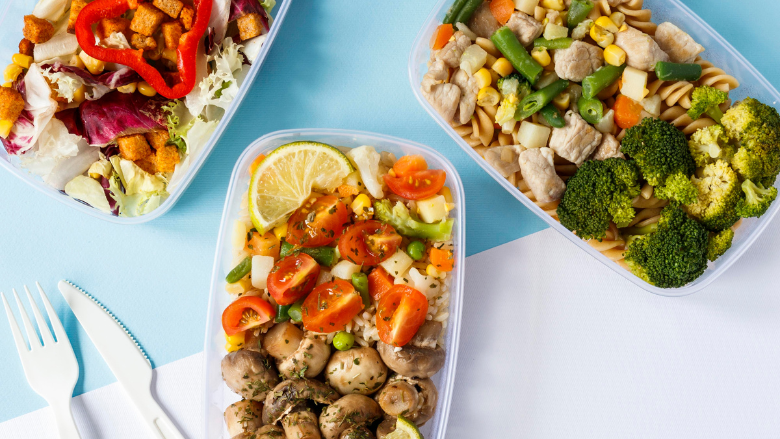
The UKHSA report emphasizes a crucial distinction often missed by consumers: Cook-chill meals are not synonymous with "ready-to-eat" (RTE) foods.
While the meals are fully cooked at the production facility, they are intended to be stored and subsequently reheated by the consumer. This creates a "gray zone" in food safety. If the food is contaminated during the post-cook processing—such as the application of a garnish—the consumer relies entirely on their own reheating process to eliminate the pathogen. If the reheating is inconsistent, inadequate, or if the pathogen has cross-contaminated other surfaces in the consumer’s home, the risk of infection remains high.
Structural and Procedural Overhauls
The FBO involved in the 2025 outbreak took several steps to regain its standing, which now serve as an industry benchmark for crisis recovery:
- Structural Integrity: Repairing damaged flooring and upgrading drainage systems to eliminate standing water.
- Sanitation Protocols: Implementing a stringent Listeria management plan that goes beyond standard cleaning, focusing on the identification and elimination of biofilm-forming niches.
- HACCP Review: A total overhaul of the Hazard Analysis and Critical Control Points plan, specifically targeting the post-cook phase where contamination is most likely to occur.
- Staff Training: Ensuring that the workforce understands the specific risks associated with Listeria and the importance of hygienic practices during the final assembly and packaging of meals.
Implications for the Future of Food Delivery
The rapid growth of the home-delivered meal industry presents a unique challenge for food safety regulators. Unlike traditional restaurants, where the cook-to-consumption timeline is short, cook-chill meal providers operate more like small-scale food manufacturers, but often without the same level of regulatory oversight as industrial-scale plants.
The 2025 outbreak suggests three major shifts that the industry must adopt to maintain public trust:
- Enhanced Environmental Monitoring: Facilities must move beyond "clean" and "dirty" visual inspections to include regular, systematic microbial mapping. Identifying Listeria in a drain or a floor junction before it reaches the food is the only way to prevent an outbreak.
- Transparency in Product Labeling: As the UKHSA noted, consumers must be clearly informed that these products require thorough reheating. Clearer instructions on the packaging regarding minimum internal temperatures could serve as a vital final line of defense.
- Strict Ingredient Sourcing: The contamination of the parsley garnish highlights the risk of raw, fresh produce entering a cooked-meal environment. FBOs must implement rigorous incoming-material controls for fresh ingredients that do not undergo further cooking.
As we look toward the future, the 2025 Listeria incident serves as a sobering reminder of the lethal potential of pathogens in the modern food supply. While the specific outbreak has been contained, the persistent nature of Listeria means that vigilance must be permanent. For the thousands of customers who rely on these services, the safety of their next meal depends not just on the quality of the ingredients, but on the unwavering commitment of the producer to the invisible, critical standards of environmental hygiene.
The successful restoration of the facility’s hygiene rating is a testament to the effectiveness of regulatory intervention, but the six-month follow-up period serves as a warning: in the world of food safety, success is measured by the absence of disease, and that is a standard that requires constant, vigilant maintenance.