The Enduring Power of Oats: A Century of Diabetes Management and Modern Scientific Validation
For centuries, diabetes has presented a profound challenge to medicine, particularly before the advent of life-saving insulin. In this era, dietary interventions were often the primary, and sometimes only, line of defense. Among these, the humble oat emerged as a surprisingly potent tool, a "mystery cure" that astonished physicians and saved lives. Today, a century later, modern science has finally unraveled the mechanisms behind oatmeal’s remarkable efficacy, validating its historical use and cementing its role as a powerful, evidence-based strategy in contemporary diabetes management.
A Historical Lifeline: Oatmeal Before Insulin
Main Facts: The Unsung Hero of Early Diabetes Care
Long before the monumental discovery of insulin in the 1920s, the prognosis for individuals diagnosed with diabetes was often bleak. Survival was frequently prolonged, and sometimes even achieved, through rigorous dietary restrictions. It was in this challenging landscape that the German physician Carl von Noorden introduced his revolutionary "oatmeal diet" in 1903. His findings, published with a blend of scientific rigor and bold claims, were initially met with considerable skepticism from a medical community accustomed to different paradigms of treatment. Yet, as the subsequent years unfolded, the sheer weight of anecdotal and clinical evidence began to sway even the most entrenched critics.
Chronology: From Skepticism to Standard Practice
Von Noorden’s diet prescribed a regimen predominantly featuring oatmeal, often prepared with a specific fat content and devoid of animal protein. The rationale was not fully understood at the time, but the observable effects were undeniable. Patients who had previously struggled with uncontrolled blood sugars and the debilitating symptoms of diabetes showed remarkable improvements.
One prominent figure whose initial skepticism gave way to profound conviction was the acclaimed American physician James B. Herrick. Herrick, known for his seminal work on sickle cell anemia and coronary thrombosis, was initially doubtful of von Noorden’s claims. However, after carefully implementing the oatmeal diet with his own patients, he became "astonished by the results." His clinical experience mirrored von Noorden’s, demonstrating significant improvements in blood sugar control and patient well-being. This compelling evidence culminated in a landmark proclamation in 1909, asserting that "no case of juvenile or adolescent diabetes should be deprived of the benefits of the oatmeal cure." This statement marked a pivotal moment, shifting the oatmeal diet from a fringe treatment to a recognized and recommended therapeutic approach for severe forms of diabetes, particularly in younger patients where the disease was often more aggressive and rapidly fatal.
The legacy of the oatmeal diet was further cemented by Dr. Elliott Joslin, the founder of the world’s oldest and largest diabetes clinic. Joslin, a towering figure in diabetology, described the effects of oatmeal as "sometimes magical." He openly acknowledged the profound improvements he witnessed in his patients, yet candidly referred to the oatmeal cure as "an unsolved mystery," a "greatest puzzle in diabetes." While the precise physiological mechanisms remained elusive to Joslin and his contemporaries, they did discern a critical factor: animal protein had to be strictly excluded from the diet. They observed that its inclusion seemed to "annihilate the favorable action of oatmeal-type diets," a crucial clue whose full significance would only be understood much later.
Supporting Data: The Missing Link – Insulin Resistance
More than a century later, modern medical science has finally provided the scientific underpinning for these historical observations. We now understand that animal protein intake, particularly certain types and quantities, can intensify insulin resistance. Insulin resistance is the underlying cause of prediabetes and type 2 diabetes, where the body’s cells become less responsive to insulin, leading to elevated blood sugar levels. Conversely, a diet rich in plant-based foods, like oatmeal, is known to enhance insulin sensitivity—the exact opposite effect—allowing cells to utilize glucose more efficiently. This crucial insight provides a powerful bridge between the empirical observations of early 20th-century clinicians and our current understanding of metabolic health.
Unraveling the Mystery: The Science Behind Oatmeal’s Efficacy
Is Oatmeal Good for People with Diabetes?
The historical success of the oatmeal diet was not a fluke. Decades of modern research have consistently reinforced the notion that whole grains, including oats, are beneficial for metabolic health. Epidemiological studies have long established a clear inverse relationship: higher consumption of whole grains is associated with a lower risk of developing type 2 diabetes.
Beyond observational studies, a robust body of evidence from randomized controlled trials (RCTs) has provided compelling proof of concept. Over a dozen such trials have demonstrated that incorporating oats into the diet significantly improves both short-term (e.g., fasting glucose, postprandial glucose) and long-term (HbA1c) blood sugar control in individuals with diabetes. Furthermore, these studies often report additional benefits, such as significant reductions in cholesterol levels, contributing to overall cardiovascular health, which is particularly critical for people with diabetes who face an elevated risk of heart disease.
What’s So Great About the Fiber in Oatmeal? The Beta-Glucan Advantage
The primary hero behind oatmeal’s beneficial effects is a fermentable soluble fiber known as beta-glucan. This unique fiber, abundant in oats, possesses several properties that contribute to its metabolic magic.
-
Viscosity and Gastric Emptying: When consumed, beta-glucan forms a viscous, gel-like substance in the digestive tract. This increases the viscosity of the stomach contents, slowing down gastric emptying. This slower release of glucose into the bloodstream after a meal prevents rapid spikes in blood sugar, promoting a more stable glycemic response.
-
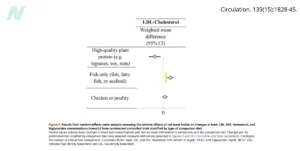
Cholesterol Lowering: Beta-glucan can bind to bile acids in the small intestine, preventing their reabsorption. To compensate, the liver draws cholesterol from the bloodstream to produce more bile acids, thereby lowering circulating LDL ("bad") cholesterol levels. This mechanism is well-established and contributes significantly to the cardiovascular benefits of oats.
-
Microbiome Manipulation: Perhaps the most profound and increasingly recognized mechanism is beta-glucan’s role as a potent prebiotic. It selectively feeds beneficial gut bacteria, leading to a healthier and more diverse gut microbiome. This "microbiome-manipulating ability" is central to many of the observed health benefits, including improved metabolic function.
The Gut-Brain-Metabolism Axis: Fiber, Microbiome, and Short-Chain Fatty Acids
A little fiber indeed goes a long way. Our "good" gut flora thrives on dietary fiber, fermenting it to produce a host of beneficial compounds, primarily short-chain fatty acids (SCFAs) such as acetate, propionate, and butyrate. These SCFAs are not merely waste products; they are powerful signaling molecules with wide-ranging effects on human health, including potent anti-inflammatory properties.
Numerous randomized controlled trials have unequivocally shown that the types of fermentable fiber found in oats and beans can significantly improve long-term blood sugar control in people with diabetes. The underlying reason is the profound impact on the gut microbiome. The specific strains of gut bacteria selectively promoted by fiber intake, such as Lactobacillus and Bifidobacteria, play a crucial role in alleviating type 2 diabetes.
The oat fiber acts as a prebiotic, fostering the growth and activity of these beneficial bacteria. In turn, these bacteria produce SCFAs, which have been shown to:
- Enhance Insulin Sensitivity: Butyrate, in particular, can improve insulin signaling pathways in peripheral tissues.
- Regulate Appetite and Satiety: SCFAs can stimulate the release of gut hormones like GLP-1 (glucagon-like peptide-1) and PYY (peptide YY), which promote satiety, slow gastric emptying, and enhance insulin secretion.
- Reduce Inflammation: The anti-inflammatory effects of SCFAs can mitigate the chronic low-grade inflammation often associated with insulin resistance and type 2 diabetes.
- Improve Gut Barrier Function: Butyrate is a primary fuel source for colonocytes, strengthening the gut barrier and reducing endotoxemia, a condition linked to metabolic dysfunction.
Therefore, the combined effect of the lack of animal protein (which intensifies insulin resistance), the absence of animal fat (which can also contribute to insulin resistance and inflammation), and the abundance of prebiotic fiber bursting at the seams with beta-glucan makes it clear why oatmeal diets grew to become a part of the clinical routine in the early treatment of diabetes. The "unsolved mystery" of Joslin’s era is now largely understood through the lens of modern nutritional science and microbiome research.
Clinical Trials: Demonstrating Rapid and Lasting Impact
How Soon Can You See Results? The "Oatmeal Diet Put to the Test"
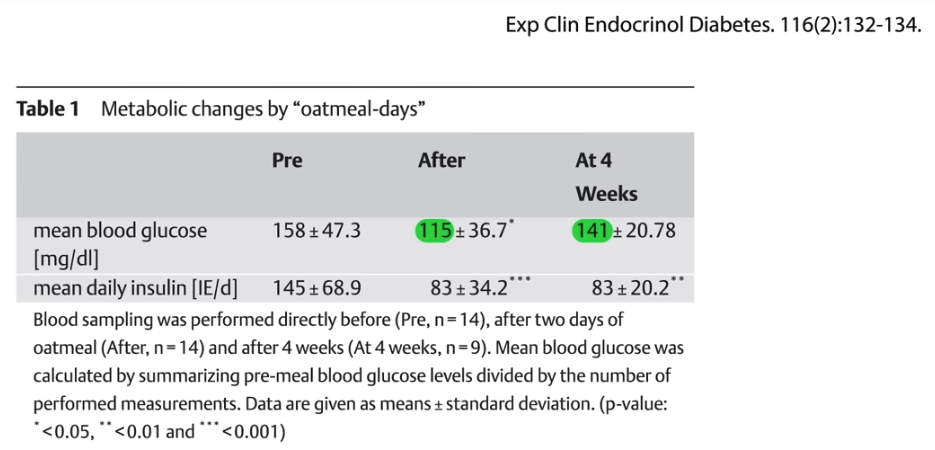
The most compelling aspect of oatmeal’s efficacy is the rapidity and durability of its effects. Several studies have suggested that even a short intervention—just a few days of eating oatmeal—can yield beneficial effects that persist for about a month afterward.
One particularly illuminating study was a randomized, controlled, crossover trial comparing an oatmeal diet to a hypocaloric diabetic diet (a calorie-restricted diet without specific emphasis on oats). The results were striking:
- Rapid Insulin Reduction: Patients on the oatmeal diet experienced an approximate 40% drop in insulin needs in just two days, a stark contrast to the control group.
- Improved Long-term Control: Crucially, a measure of long-term blood sugar control (likely HbA1c or fructosamine) taken four weeks later still reflected this significant benefit, even after participants had resumed their regular diets.
Other recent studies have corroborated these findings, demonstrating that a mere two days of an oatmeal-rich diet significantly reduced the required amount of insulin and improved blood sugar levels. These beneficial effects were consistently noted for up to four weeks post-intervention. To put this into perspective, patients with uncontrolled type 2 diabetes undergoing the two-day oatmeal diet experienced a substantial 40% reduction in their insulin dosage, accompanied by an almost complete normalization of average blood sugars. The remarkable observation was that these improvements, including the reduced insulin dosage and ameliorated mean blood sugars, persisted for weeks after the participants were dismissed from the study and had returned to their habitual eating patterns. This suggests a powerful, perhaps even "resetting," effect on metabolic function.
(Image: chart showing the reduction in blood sugar and insulin dosage after 2 days of eating oatmeal, immediately after, and 4 weeks later)
The mechanism behind this lasting effect appears to be the profound shift in the gut microbiome. When individuals adopt a diet packed with oats, beans, fruits, vegetables, and nuts—all rich in fermentable fiber—the population of their gut "fiber-feeders" (beneficial bacteria that ferment fiber) shoots up dramatically. This surge in beneficial bacteria leads to a corresponding increase in the production of beneficial short-chain fatty acids. As a result, fasting diabetic blood sugars can drop by approximately 25% within one month.
The correlation is clear: the more fiber-feeders individuals fostered, the better their blood sugar control. Furthermore, when the fiber-promoted short-chain fatty acid producers were present in greater diversity and abundance, participants exhibited better improvement in their hemoglobin A1c (HbA1c) levels, which serves as a reliable measure of longer-term blood sugar control over two to three months. This direct link between dietary fiber, gut microbiome composition, SCFA production, and improved glycemic control provides a comprehensive explanation for the "magical" and lasting effects observed.
(Image: charts showing how high-fiber diets can alter the gut microbiome and improve blood sugars in those with type 2 diabetes)
Evolving Perspectives and Medical Consensus
Official Responses: Integrating Historical Wisdom with Modern Science
The accumulating evidence regarding oatmeal and other whole, plant-based foods is steadily influencing medical and nutritional guidelines. While specific "oatmeal diets" are not yet universally prescribed as a stand-alone treatment, the principles behind their efficacy are increasingly integrated into broader dietary recommendations for diabetes management. Major health organizations now emphasize the importance of high-fiber, whole-grain-rich diets, along with a significant reduction in processed foods and, often, a moderation or reduction in animal products, particularly red and processed meats.
The historical observations about animal protein "annihilating" the benefits of oatmeal diets are now scientifically validated through the understanding of insulin resistance. This has led to a growing appreciation for the holistic benefits of plant-predominant dietary patterns in preventing and managing type 2 diabetes. The shift is away from merely carbohydrate counting and towards prioritizing food quality, fiber content, and the impact on the gut microbiome. While comprehensive plant-based diets are increasingly recognized, the specific, rapid, and profound effects of an oatmeal-focused intervention offer a powerful tool that could be utilized more widely under proper medical supervision.
Navigating the Oatmeal Diet: Practical Considerations and Precautions
Are There Any Downsides to Oatmeal? The Importance of Medical Supervision
While the benefits of an oatmeal-rich diet for diabetes management are profound, there is a significant "downside" that necessitates careful consideration: it may work too well. If you consider trying an oatmeal diet, it is absolutely critical that your physician is aware and ready to rapidly deprescribe your blood sugar medications. Without this careful adjustment, patients could become dangerously overmedicated, leading to severe hypoglycemia (dangerously low blood sugar).
Therefore, oatmeal interventions should never be undertaken without close medical supervision, especially in patients who are on insulin or other blood-sugar-lowering medications. Furthermore, such intense dietary changes should not be performed in patients who might have difficulties in reporting symptoms of low blood sugar, such as those with cognitive impairments or neuropathy that blunts hypoglycemia awareness. The "downside" of trying oatmeal days is its potent efficacy, which demands a proactive and collaborative approach between patient and healthcare provider to ensure safety.
The Glycemic Index of Oatmeal: Making Smart Choices
While whole grains are generally good, the degree of processing significantly impacts their glycemic response. The "wholiest" of grains are groats, which are the intact kernels with only their inedible outer husks removed.
- Oat Groats: These are the least processed form of oats. They have a very low glycemic index (GI), typically well below 55.
- Steel-Cut Oats (Pinhead or Irish Oats): Made by slicing oat groats into two to four pieces, steel-cut oats retain much of their structural integrity. They are considered a low-glycemic-index food, averaging under 55. Their denser texture requires longer cooking and results in a slower release of glucose.
- Old-Fashioned Rolled Oats: These are oat groats that have been steamed and then flattened. This processing makes them quicker to cook and slightly raises their glycemic index to around 55.
- Instant Oats: These are steamed longer and rolled even more thinly, making them cook almost instantly. However, this extensive processing significantly increases their glycemic index to around 79, placing them in the high-glycemic-index category. While still better than some highly processed breakfast cereals that can reach GIs in the 80s or 90s, instant oats offer fewer glycemic benefits compared to their less processed counterparts.
For optimal blood sugar control, prioritizing oat groats or steel-cut oats is advisable. If using rolled oats, pairing them with other fiber-rich foods, healthy fats, and proteins can help mitigate the glycemic response.
Jazzing Up Oatmeal: Making it Delicious and Diverse
Oatmeal, particularly the less processed varieties, is a classic whole-grain breakfast staple, and its versatility allows for endless culinary creativity. A common and highly nutritious base is a "BROL bowl," which typically stands for Brown Rice, Oats, Lentils (or other legumes). This foundation provides a powerhouse of complex carbohydrates, protein, and diverse fibers.
Once you have your BROL base or simply a bowl of steel-cut oats, the possibilities for toppings are vast. For those who prefer a sweet profile, nutritious options abound:
- Fruit Power: Fresh or frozen berries (blueberries, raspberries, cherries), sliced banana, diced apple, or pear provide natural sweetness, vitamins, and additional fiber.
- Healthy Fats & Protein: A sprinkle of walnuts, pecans, almonds, chia seeds, flax seeds, or pumpkin seeds adds omega-3 fatty acids, healthy fats, and plant-based protein, further enhancing satiety and modulating blood sugar response.
- Natural Sweeteners (in moderation): Dates, a small amount of maple syrup, or stevia can add sweetness without refined sugars.
- Flavor Boosters: Cocoa powder (for a chocolate-covered cherry sensation with frozen dark red cherries, dates, and walnuts/pumpkin seeds), cinnamon, vanilla extract, or a pinch of cardamom can elevate the flavor profile.
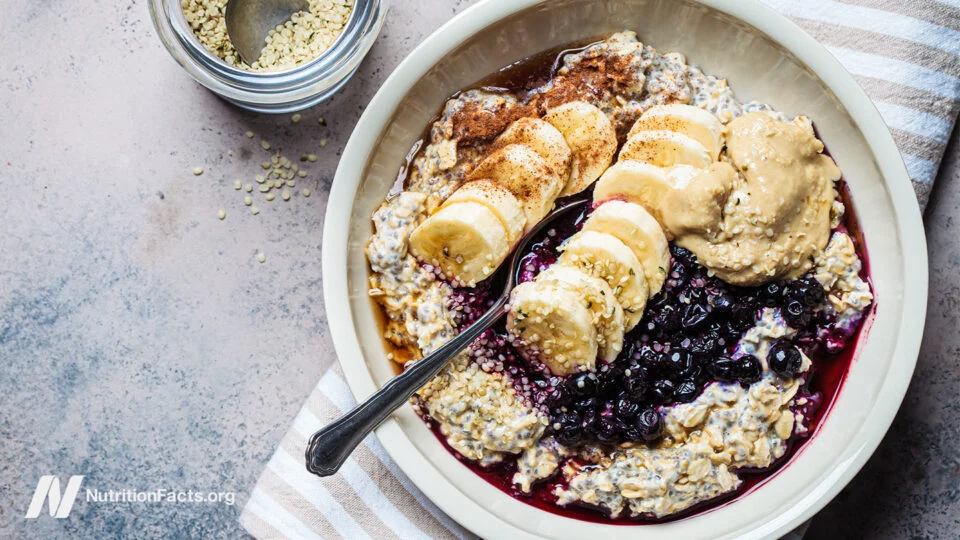
But oatmeal doesn’t have to be sweet. The "savory oatmeal" trend is gaining popularity and offers a fantastic way to incorporate oats into lunch or dinner. Imagine a BROL bowl with sautéed greens, mushrooms, herbs, or even a hint of curry powder. Google "savory oatmeal" and you’ll discover a world of interesting dishes involving roasted vegetables, nutritional yeast for a cheesy flavor, tofu scrambles, or a drizzle of tahini. This flexibility allows oats to be a cornerstone of a plant-rich diet throughout the day, ensuring sustained energy and powerful metabolic benefits.
Conclusion
From a "magical" but "unsolved mystery" in the early 20th century to a scientifically validated powerhouse in modern diabetes management, oatmeal’s journey is a testament to the enduring power of whole plant foods. The pioneering observations of Carl von Noorden, James B. Herrick, and Elliott Joslin, who witnessed firsthand the life-saving potential of an oatmeal-centric diet, have now been illuminated by our understanding of insulin resistance, beta-glucan, the gut microbiome, and short-chain fatty acids.
The evidence is clear: whole oats, especially in their less processed forms, can rapidly and significantly improve blood sugar control, reduce insulin needs, and foster a healthier gut environment with lasting benefits. This ancient grain offers an accessible, affordable, and incredibly effective tool in the fight against diabetes. However, its very potency necessitates careful medical supervision, particularly for those on medication, to ensure safety and optimize outcomes. By integrating historical wisdom with modern scientific insight, oatmeal stands poised to reclaim its rightful place as a cornerstone of dietary therapy for diabetes, offering a delicious and powerful pathway to better health.