The Legacy of the Rhinestone Icon: How Dolly Parton Democratized Wine and Transformed Cultural Philanthropy
By Bianca Piazza
August 27, 2026
The world lost more than a singer, a songwriter, and a humanitarian on Tuesday, August 25. With the passing of Dolly Parton, we have lost a cultural cornerstone—a woman who possessed the rare, alchemical ability to turn every space she inhabited into a sanctuary of warmth, inclusivity, and, quite literally, fine wine.
Parton, an 11-time Grammy-winning legend, died after a brief illness, leaving behind a legacy that spans decades of musical innovation and a lifetime of profound, hands-on philanthropy. Whether she was walking the stage in signature rhinestone-embellished cowboy boots or sitting in a boardroom, her influence was always grounded in a commitment to the "everyman." Even in her final years, she continued to evolve, pivoting from the recording studio to the vineyard with the launch of Dolly Wines—a brand that, much like the woman herself, prioritized connection over pretension.
A Chronology of a Life in Service and Song
To trace the arc of Dolly Parton’s life is to witness a journey from the sparse, one-bedroom cabin of her Appalachian childhood in Locust Ridge, Tennessee, to the global stage. Born in 1946, she was one of 12 children in a family that lived without electricity or running water. This environment of scarcity did not cultivate bitterness; instead, it fostered the deep-rooted resilience and ingenuity that would define her career.
Key Milestones:
- 1967: Parton releases her debut album, Hello, I’m Dolly, signaling the arrival of a major new voice in country music.
- 1995: The launch of The Imagination Library, a literacy initiative that has since gifted over 330 million books to children across five countries, earning her the Library of Congress’s distinction as a "titan of children’s literacy."
- 2020: In a move that underscored her commitment to global health, she donated $1 million to Vanderbilt University’s coronavirus vaccine research, funding critical work that directly contributed to the development of the Moderna vaccine.
- 2024: Following the devastation of Hurricane Helene, Parton personally donated $1 million to recovery efforts in East Tennessee, a gesture matched by her local business enterprises.
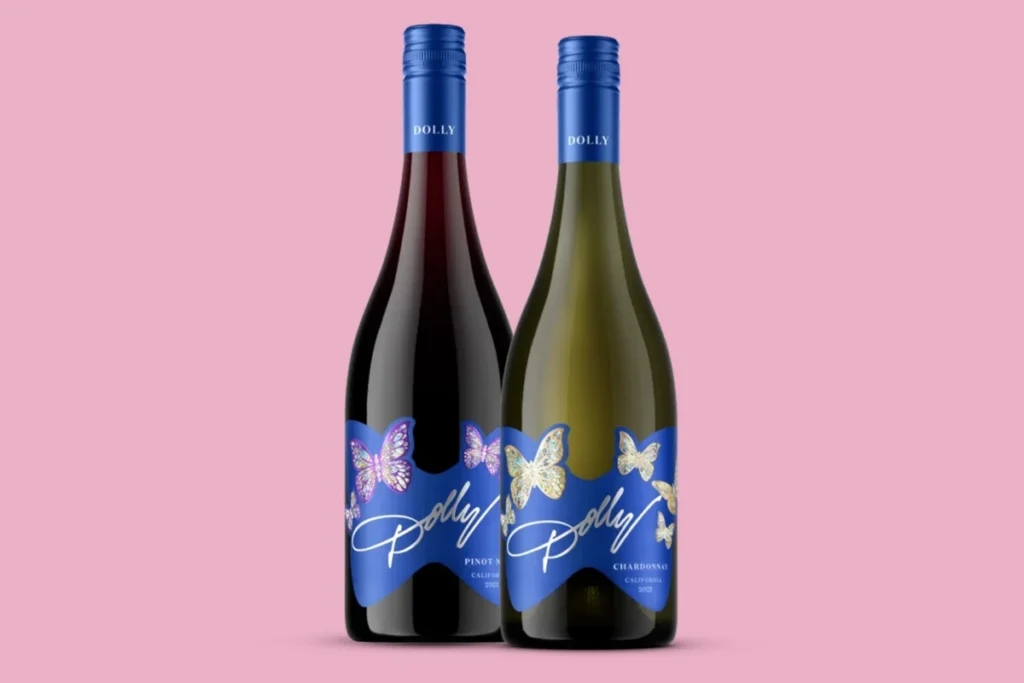
- July 2024: Parton officially enters the wine industry with the launch of Dolly Wines, in collaboration with Parton Family Cellars and the wine giant Accolade Wines (now Vinarchy).
The Philanthropic Engine: Beyond the Music
While her discography—stretching from the iconic "Jolene" to "9 to 5"—cemented her status as a musical titan, it was her humanitarian work that truly captured the American spirit. The Dollywood Foundation stands as a testament to her vision, providing annual scholarships and support to high school seniors in Sevier County, Tennessee.
Parton’s approach to charity was never performative; it was structural. She understood that systemic change required both immediate relief and long-term investment. Whether it was funding vaccine research during a global crisis or ensuring that children in rural Appalachia had access to literature, her generosity was a "metaphorical wine" that was ever-flowing, reaching corners of society that often go overlooked by traditional celebrity activism.
Dolly Wines: Redefining the Vineyard Experience
In July 2024, Parton expanded her brand into the viticultural world. The launch of Dolly Wines was met with initial skepticism by industry traditionalists, who questioned whether a country icon could navigate the complex world of fine wine. Those doubts were silenced when Wine Enthusiast writer-at-large Tonya Pitts awarded her Chardonnay an impressive 93 points.
Pitts noted the wine’s intricate profile—white peach, melon, and blood orange aromas, complemented by notes of Golden Delicious apple, grapefruit, and ginger. Yet, the brilliance of the brand lay in its marketing. Parton, a self-admitted wine novice, never claimed to be an expert. In a 2024 Wine Spectator interview, she was refreshingly candid: "I wouldn’t know the first thing about how to make a good wine… I try to leave those kinds of things to the experts."
This admission was not a weakness; it was a masterclass in branding. By refusing to play the role of the "serious winemaker," she effectively removed the barriers of entry that keep many casual consumers away from fine wine.

Supporting Data: The Intimidation Factor in the Wine Industry
The success of Dolly Wines must be contextualized within the broader landscape of consumer behavior. The wine industry has long struggled with an image problem characterized by elitism and "snobbery."
- The Barrier of Complexity: According to a 2018 study by Modern Restaurant Management, roughly 30% of Americans feel actively frustrated by lengthy, jargon-heavy wine menus.
- The Sommelier Gap: The same research indicates that 19% of consumers feel intimidated by the presence of a sommelier, fearing they will be judged for their lack of technical knowledge.
- The "Rule" Anxiety: A 2022 report from The Drinks Business found that three out of four people find the "rules" of wine drinking—which glass to use, how to pair specific vintages, the science of tannins—to be a significant deterrent to enjoyment.
Dolly Parton’s brand stood as a direct antidote to these statistics. By positioning her wine as "easy-drinking, light-hearted, and vibrant," she invited the average person into the conversation. She didn’t want a $200-a-bottle collector’s item; she wanted a glass of wine that could be shared with friends and family. Her brand validated the idea that wine, at its core, is a beverage meant for celebration, not for a lecture.
Appalachian Roots and the Spirit of "Homemade"
Parton’s relationship with alcohol was never about excess; it was deeply tied to her Appalachian heritage. In the Great Smoky Mountains, the production of moonshine and homemade wine was often a survivalist necessity. Her father’s work with the "still," while a point of contention for her religiously observant mother, was a vital source of income for many families in the region during the 20th century.
Parton often spoke of these memories with a nuanced, non-judgmental tone. In her book Dolly Parton, Songteller: My Life in Lyrics, she reflects on the reality of mountain life: "He didn’t really want to do it, but people make moonshine in the mountains because they need the income." This history of self-reliance and local craft is woven into the DNA of the Appalachia she championed. By bringing that spirit to a modern, commercial wine label, she bridged the gap between the isolated, traditional distilling of her youth and the global market of today.
Official Responses and Industry Implications
The news of Parton’s passing has sent ripples through the entertainment and wine industries. Statements from colleagues and fans have emphasized her ability to remain "human" despite her massive fame.
Industry analysts are currently debating the future of Dolly Wines. The precedent set by actor Sam Neill, whose Two Paddocks wine label saw a 1,828% surge in sales following his death earlier this summer, suggests that the market for celebrity-backed labels often experiences a significant, if somber, spike in interest post-mortem. However, the legacy of Dolly Wines will likely be measured differently. It will be defined by whether it can maintain the "inclusivity" that Parton insisted was the brand’s primary mission.
Conclusion: A Toast to an Icon
As the public mourns, the conversation surrounding Parton’s life serves as a reminder of the power of simplicity. She navigated a complex, often exclusionary industry with the same grace she brought to her music. She reminded us that you don’t need to be a connoisseur to appreciate a good glass of wine, just as you don’t need a formal education to make a profound impact on the world.
To pour a glass of Dolly Wines—whether it be the Pinot Noir or the Chardonnay—is to honor a woman who spent her life opening doors for others. As the labels adorned with her signature butterflies remain on shelves, they will serve as a permanent toast to an American treasure who believed, quite simply, that everyone deserves a seat at the table.