The Unseen Victory: How Public Health Triumphed Over Trans Fats and Redefined Food Regulation
New York, NY – In the annals of public health, few battles have been as protracted and fiercely contested as the struggle to regulate the food industry. For decades, attempts to curb the pervasive use of harmful ingredients often met with formidable resistance, yielding only incremental changes. Yet, a singular triumph stands out: the widespread ban on industrially produced trans fats. This landmark achievement, which saw a once-ubiquitous dietary villain largely eradicated from processed foods, offers profound lessons on effective public health intervention, the interplay of scientific evidence, consumer awareness, and strategic regulatory action.
The victory over trans fats was not merely a testament to scientific consensus but a masterclass in overcoming entrenched corporate interests and prevailing against ideological opposition. Unlike previous campaigns that relied heavily on informing or nudging consumers, the trans fat saga ultimately demonstrated the decisive power of direct intervention, fundamentally altering the food landscape for the better. This article delves into the strategies that secured this pivotal win, tracing the journey from initial scientific discovery to global policy implementation, and examining its far-reaching implications for future public health challenges.
The Core Dilemma: Inform, Nudge, or Intervene?
At the heart of public health policy lies a perennial question: how best to mitigate the risks associated with harmful choices? Broadly, approaches can be categorized into three distinct strategies:
-
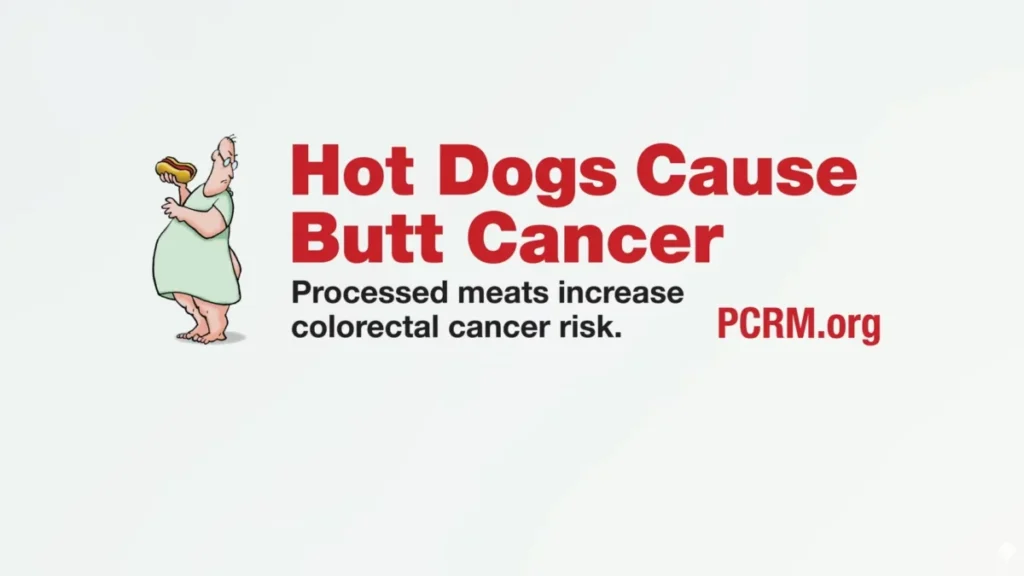
Inform: This involves educating the public about risks, empowering individuals to make healthier choices. Examples include nutrition labels, public awareness campaigns, and health advisories. Campaigns like the "sugar pack" ads on public transit, which illuminate the excessive sugar content in soft drinks, or billboards linking processed meat to colorectal cancer, exemplify this informational approach. The underlying premise is that informed citizens will naturally opt for healthier alternatives.
-
Nudge: This strategy subtly influences behavior through environmental design or incentives, without outright prohibition. Offering financial incentives for healthier food choices, making nutritious options more visible, or redesigning cafeterias to promote salads are examples of nudging. The goal is to make the healthier choice the easier or more attractive one, often leveraging behavioral economics principles.
-
Direct Intervention: This involves regulating or restricting harmful activities or substances, thereby reducing exposure regardless of individual choice. Mandatory safety features, ingredient bans, or taxes on unhealthy products fall into this category. Consider car safety: while driver education (inform) and crash risk labels (nudge) play roles, the mandated installation of airbags (direct intervention) has undoubtedly prevented more fatalities by removing the human element of choice in a critical moment.
Historically, efforts to address dietary harms often leaned heavily on informing and nudging. However, the trans fat story would dramatically shift the paradigm, demonstrating that for certain pervasive threats, direct intervention might be the most effective and equitable path to safeguarding public health.
Chronology of a Public Health Triumph
The journey to ban trans fats was a lengthy and arduous one, spanning decades and continents. Its chronology reveals a pattern of scientific discovery, escalating alarm, hesitant policy responses, and eventual decisive action.
The Scientific Genesis: 1990s – The Unveiling of a Silent Killer
The scientific community’s understanding of trans fats evolved significantly in the late 20th century. Industrially produced trans fatty acids (iTFA) are created through a process called partial hydrogenation, which transforms liquid vegetable oils into semi-solid fats, extending shelf life and improving texture in processed foods. They became ubiquitous in margarines, baked goods, fried foods, and snack items.
The alarm bells began to ring loudly in 1993 with the publication of the seminal Harvard Nurses’ Study. This groundbreaking research found a stark correlation: high intake of trans fats could increase the risk of heart disease by an alarming 50%. This finding was not merely a statistical anomaly; it pointed to a profound and widespread dietary hazard, initiating what would become a global health crisis. Subsequent research only solidified these findings, demonstrating that trans fats not only raised "bad" LDL cholesterol but also lowered "good" HDL cholesterol, a double blow to cardiovascular health. The scientific consensus became undeniable: trans fats were uniquely detrimental to the human heart, arguably more harmful than saturated fats.
Denmark’s Pioneering Ban: 2003 – A Global Precedent
While the scientific community in the United States grappled with the implications, a small European nation took a bold and unprecedented step. Denmark, spurred by the mounting evidence and a proactive public health stance, implemented a ban on added trans fats in 2003. Their approach was straightforward and uncompromising: "Instead of warning consumers about trans fats and telling them what they are, we’ve [the Danes] simply removed them." This pragmatic approach recognized the limitations of individual consumer education, especially when facing a complex ingredient hidden in countless products. Denmark’s ban was not just a national policy; it became a global benchmark, demonstrating the feasibility and efficacy of direct regulatory intervention in the food supply.
The Slow March in the U.S.: A Decade of Delay and Death
Despite the clear scientific evidence and Denmark’s successful precedent, the United States lagged significantly. It took another full decade—until 2013—before the U.S. Food and Drug Administration (FDA) even began considering a ban. This protracted delay was not without grave consequences. During this period, trans fats continued to permeate the American diet, contributing to an estimated tens of thousands of preventable deaths annually. The human cost was staggering, manifesting not only in cardiovascular disease but potentially exacerbating other chronic conditions, leading to countless years of healthy life lost. The question loomed large: why, in the face of such unequivocal evidence and a successful international model, did it take so long for the U.S. to even contemplate action?
Local Victories Pave the Way: New York City’s Landmark Ban (2006-2008)
The answer, in part, lay in the fierce opposition from powerful industry lobbies and a prevailing ideological resistance to what was often labeled "government intrusion." However, a critical turning point emerged at the municipal level. New York City, a perennial leader in public health initiatives (having, for instance, banned lead paint 18 years before federal action), became a microcosm of the national debate.
Under the leadership of its then-Health Commissioner, Dr. Thomas Frieden, New York City embarked on its own ambitious campaign to eliminate trans fats from restaurants and food establishments. After considerable public debate and intense lobbying, the city successfully implemented a ban on artificial trans fats in restaurants by 2008. This local victory was not just symbolic; it provided a real-world model for the impact and feasibility of such a ban within a large, complex urban environment. Researchers later estimated that the New York City ban successfully reduced cardiovascular death rates by approximately 5% in affected counties compared to those without the ban, offering compelling empirical evidence of its life-saving potential. This local success would prove instrumental in building momentum for a nationwide ban.
The National Breakthrough: 2015 – A Public Health Milestone
Building on the scientific consensus, international precedents, and successful local interventions, the FDA finally moved to ban industrially produced trans fats from the U.S. food supply in 2015, giving manufacturers until 2018 to comply. This federal action marked a monumental shift in American food policy, cementing the principle that certain ingredients, proven to be unequivocally harmful, could and should be removed from the food chain to protect public health.
Supporting Data: The Undeniable Harm and the Power of Intervention
The success of the trans fat ban rests on a robust foundation of scientific evidence demonstrating the severe health risks associated with their consumption, coupled with data illustrating the effectiveness of regulatory action.

The Cardiotoxic Nature of Trans Fats:
From the Harvard Nurses’ Study onward, a wealth of epidemiological and clinical research consistently highlighted trans fats as potent contributors to cardiovascular disease. Unlike saturated fats, which primarily raise LDL cholesterol, trans fats uniquely combine the detrimental effects of raising LDL ("bad") cholesterol and lowering HDL ("good") cholesterol, while also increasing inflammation and contributing to endothelial dysfunction. These mechanisms collectively amplify the risk of atherosclerosis, heart attacks, and strokes. The estimated tens of thousands of American deaths annually attributed to trans fats underscore the magnitude of this public health crisis. The long-term societal burden, measured in years of healthy life lost, rivaled that of other severe conditions, making the case for intervention critically urgent.
The Failure of Information and Nudging Alone:
While public health campaigns often rely on educating consumers, the trans fat experience revealed the limitations of this approach for ubiquitous, hidden ingredients. Despite growing awareness campaigns and later, mandatory labeling, consumer behavior did not shift drastically enough to mitigate the widespread harm. The complexity of understanding "partially hydrogenated oils" and their implications, coupled with the sheer volume of products containing them, made individual avoidance a formidable challenge. The Danish experience, and subsequently New York City’s, demonstrated that simply removing the harmful ingredient from the supply chain was far more effective than trying to educate billions of individual choices.
Empirical Evidence of Impact:
The New York City ban provided invaluable real-world data. By comparing health outcomes in counties affected by the ban to those that were not, researchers observed a tangible public health benefit. The estimated 5% reduction in cardiovascular death rates was not a marginal improvement; it represented thousands of lives saved and illnesses averted. This data served as compelling evidence that direct intervention could yield significant, measurable improvements in population health, providing a crucial model for the subsequent nationwide ban. This evidence directly countered arguments that such bans were ineffective or overly intrusive.
Official Responses and the Ideological Battleground
The path to the trans fat ban was fraught with intense opposition, primarily from powerful segments of the food industry and their political allies. Their arguments, often framed around individual liberty and economic freedom, created a significant ideological battleground.
The "Nanny State" and "Food Fascism" Narratives:
Industry groups, including the Institute of Shortening and Edible Oils, vehemently opposed regulatory efforts. Their primary arguments revolved around "government intrusion" and the specter of a "nanny state" dictating dietary choices. Critics sensationalized proposals as the "rise of food fascism," implying an authoritarian overreach into personal freedoms. They often echoed the sentiment that "everything should be eaten in moderation," dismissing the unique dangers of trans fats by equating them with naturally occurring fats or other dietary components. This narrative strategically deflected from the fact that it was the industry itself that had broadly "fouled the food supply" with these dangerous, industrially manufactured fats, thereby limiting genuine consumer choice.
The "Slippery Slope" Fallacy and the "Broccoli Horror":
A pervasive tactic employed by vested corporate interests was the "slippery slope" argument. The contention was that if regulators were allowed to ban trans fats, what would be next? "Food zealots," it was argued, would eventually demand bans on sugar, salt, or even mandate the consumption of healthy foods. This argument aimed to distract from the immediate, demonstrable harm of trans fats by conjuring exaggerated future scenarios.
This "slippery slope" argument even surfaced in the highest echelons of American jurisprudence. During a Supreme Court case concerning the Affordable Care Act (Obamacare), Chief Justice John Roberts hypothetically suggested that if Congress could mandate health insurance, it could conceivably start "ordering everyone to buy vegetables." Justice Ruth Bader Ginsburg famously dubbed this extreme hypothetical "the broccoli horror." She countered, however, that while technically Congress might possess such power, one could not "offer the ‘hypothetical and unreal possibility’…of a vegetarian state as a credible reason" to reject legitimate health legislation. As one legal scholar aptly put it, "Judges and lawyers live on the slippery slope of analogies; they are not supposed to ski it to the bottom." This legal perspective underscored the distinction between legitimate public health regulation and absurd hypothetical overreach.
Industry’s Predatory Deception:
Beyond ideological arguments, the industry’s practices themselves necessitated intervention. As one health ethics professor observed, the food industry often operated under a "model of systemic dishonesty." This involved deliberately misleading consumers, obfuscating ingredient lists, and aggressively marketing unhealthy products, making it nearly impossible for individuals to be truly "informed" and make autonomous choices. When confronted with such predatory deception and manipulation, government intervention shifted from being merely desirable to absolutely necessary.
The Unconventional Strategy: From Labeling to Ban
The ultimate secret to the trans fat ban’s success lay not in a direct frontal assault but in a shrewd, two-phase strategy that leveraged market forces against industry resistance.
Phase 1: Mandatory Labeling – The Unintended Catalyst
The initial crucial step was the implementation of a labeling requirement. In the early 2000s, manufacturers were mandated to include trans fat content on their products’ nutrition facts labels. Ostensibly, this was an "inform" strategy, intended to empower consumers. However, its profound impact was on producers.
Suddenly, companies were forced to divulge the truth about an ingredient they had long celebrated for its functionality and cost-effectiveness. This transparency created a powerful competitive dynamic. No longer could manufacturers hide behind vague ingredient lists. The presence of trans fats became a liability, a black mark on a product’s nutritional profile. Companies, eager to gain a "no trans fat" competitive edge and avoid negative consumer perception, scrambled to reformulate their products.
Within a few years of mandatory disclosure, an astonishing more than 5,000 products were introduced to the market, proudly touting "low" or "zero trans fats" on their labels. The market began to shift organically. Even major fast-food chains like Kentucky Fried Chicken, once sued for their high trans fat levels, pivoted dramatically. KFC launched ad campaigns where parents enthusiastically celebrated the chain’s move to zero grams of trans fat, illustrating how quickly the industry adapted to meet a newly created market demand for healthier alternatives.
Phase 2: The Ban – A Triumphant Afterthought
This market-driven reformulation proved to be the pivotal factor. Once major food industry players had already invested in reformulating their products, and proudly advertised their "trans fat-free" status, the economic stakes shifted dramatically. There was no longer "so much money at stake" in defending trans fats. The political will to block a nationwide ban diminished significantly because many industry leaders had already adapted and even benefited from the transition.
Thus, when the FDA finally moved to ban added trans fats, the ground had already been prepared. The industry’s own competitive responses to mandatory labeling had neutralized much of the political and economic opposition. The ban, once deemed a "fat chance" by many public health advocates, became an inevitable and largely unopposed conclusion. Industrially produced trans fats were effectively taken off the playing field, not just by decree, but by a clever manipulation of market forces and public perception.
Implications for Future Public Health
The trans fat victory offers a wealth of implications for ongoing and future public health challenges, particularly concerning diet-related diseases.
The Power of Systemic Intervention: The most significant lesson is the unparalleled effectiveness of direct, systemic intervention in protecting public health from pervasive harm. While education and nudges have their place, they are often insufficient when facing complex, deeply embedded issues like unhealthy food ingredients, especially when compounded by industry marketing and manipulation. The ban on trans fats demonstrated that removing harmful elements from the food supply can achieve widespread, equitable health improvements that individual choice alone cannot.
Strategic Phased Approaches: The two-step process—mandatory labeling followed by a ban—provides a powerful template. For future public health battles (e.g., against excessive sugar, sodium, or ultra-processed ingredients), a similar strategy might prove effective: first, compel transparency, allowing market forces to drive initial reformulations, and then, if necessary, implement direct regulatory bans once the industry resistance has been substantially weakened.
Continued Vigilance: The Unfinished Battle: It is crucial to remember, as the "Doctor’s Note" highlights, that the ban on industrially produced trans fats did not affect naturally occurring trans fats found in meat and dairy products. While these are present in much smaller quantities and their health impact is still debated (some studies suggest they may not pose the same risks as iTFA), this distinction underscores the ongoing need for nuanced policy and scientific vigilance. Moreover, the battle against other harmful food components, particularly in ultra-processed foods, continues. The success with trans fats can serve as a blueprint, but each new challenge requires tailored strategies.
Challenging the "Freedom" Narrative: The trans fat debate effectively countered the "nanny state" narrative by demonstrating that true consumer choice is often limited by industry practices. When the food supply is "fouled" with dangerous ingredients, consumer "freedom" is an illusion. Public health regulation, in such cases, liberates consumers from hidden harms and provides genuine choice by ensuring a safer baseline food environment.
The Global Impact: Denmark’s pioneering role and New York City’s successful implementation created a ripple effect, inspiring other jurisdictions and ultimately contributing to the global movement to eliminate trans fats. The World Health Organization (WHO) launched a global initiative to eliminate industrially produced trans fats by 2023, underscoring the universal recognition of this public health imperative.
In conclusion, the successful elimination of industrially produced trans fats from the food supply stands as a monumental achievement in public health. It was a triumph born from rigorous scientific evidence, strategic policy-making, and an unwavering commitment to prioritizing public well-being over corporate profits. The lessons learned—the power of direct intervention, the effectiveness of phased regulatory approaches, and the ability to overcome formidable opposition—provide invaluable guidance as societies continue to confront the complex and evolving challenges of diet-related diseases in the 21st century. The legacy of the trans fat ban is not just healthier hearts, but a renewed understanding of how to win the invisible battles for public health.