Unmasking Alzheimer’s: The Alarming Link Between Persistent Pesticides and Cognitive Decline
Alzheimer’s disease, a devastating neurodegenerative condition, casts a long shadow over global health, affecting millions and presenting an immense challenge to medical science. While genetic predispositions like the APOE e4 allele are well-known risk factors, emerging research increasingly points to a less understood, yet equally potent, threat: the lingering legacy of environmental toxins, particularly breakdown products of pesticides like DDT. Startling new data suggests that exposure to certain pesticide metabolites may elevate Alzheimer’s risk to a degree comparable to carrying the "Alzheimer’s gene" itself, prompting an urgent re-evaluation of how we protect our neurological health.
The question then becomes not just how to treat Alzheimer’s, but fundamentally, how to prevent it by mitigating exposure to these insidious environmental agents. This article delves into the scientific evidence linking persistent organic pollutants to cognitive decline, explores the historical context of their widespread use, and examines the profound implications for public health and individual dietary choices.
Main Facts: Beyond Genetics – A Hidden Threat to Brain Health
For decades, the conversation around Alzheimer’s disease has heavily revolved around genetics. The discovery of genes like APOE e4, often dubbed the "Alzheimer’s gene," has provided crucial insights into susceptibility. Individuals inheriting one copy of APOE e4 have an increased risk, and those with two copies face an even higher likelihood of developing the disease. However, the genetic puzzle is far from complete. Scientists acknowledge that even with a growing list of identified susceptibility genes, genetic factors alone account for less than half of all Alzheimer’s cases. This significant gap underscores the profound influence of non-genetic, environmental, and lifestyle factors.
The Enigma of Alzheimer’s and the Genetic Lottery
The complexity of Alzheimer’s disease extends beyond simple Mendelian inheritance patterns. While certain genetic mutations guarantee the disease’s onset in rare, early-onset forms, the vast majority of cases are sporadic and multifactorial. The APOE e4 allele, for instance, increases risk but does not guarantee the disease, nor does its absence confer absolute immunity. This observation is perhaps best illustrated by the compelling data from identical twin studies. Despite sharing identical genetic blueprints, if one twin develops Alzheimer’s, the other typically does not. This powerful finding serves as a scientific cornerstone, emphatically demonstrating that while genes load the gun, environment and lifestyle pull the trigger. It forces researchers and the public alike to broaden their perspective, considering the myriad other contributing factors that interact with our genetic makeup.
DDE: A Persistent Pesticide with Profound Implications
Among the environmental contaminants drawing increased scrutiny are chlorinated pesticides, a class of chemicals notorious for their stability and persistence in the environment. The U.S. Environmental Protection Agency (EPA) has classified many of these, including DDE—a primary metabolite of the infamous insecticide DDT—as probable human carcinogens. This classification signals a strong concern regarding their potential to cause cancer, but their health impacts extend far beyond oncological risks.
Intriguingly, earlier studies investigating the health consequences of DDE and other pesticide blood levels found associations not with increased cancer mortality, but with elevated risks for "other-cause mortality." Researchers began to speculate that this broad category might encompass conditions like diabetes or various forms of dementia. While the link between certain pesticides and diabetes has been explored previously, the potential connection to dementia, particularly Alzheimer’s disease, represents a critical and alarming frontier in public health research.

The Alarming Equivalence: DDE vs. APOE e4
The most striking revelation regarding DDE’s impact on brain health is its potential to elevate Alzheimer’s risk to a level comparable to carrying the APOE e4 allele. This equivalence is profoundly concerning because, unlike genetic predispositions which are immutable, exposure to environmental toxins is, to a significant extent, controllable. This understanding shifts the paradigm of Alzheimer’s prevention, emphasizing the proactive measures individuals and societies can take to reduce exposure and potentially mitigate risk.
Chronology: The Rise, Fall, and Lingering Legacy of DDT
To understand the current pervasive presence of DDE in human populations, one must trace the historical trajectory of its parent compound, DDT. The story of DDT is a classic example of a scientific marvel turning into an environmental catastrophe, with long-term consequences still unfolding today.
A Post-War Miracle: DDT’s Widespread Adoption
DDT (dichlorodiphenyltrichloroethane) was first synthesized in 1874, but its insecticidal properties were not discovered until 1939 by Swiss chemist Paul Hermann Müller, for which he was awarded the Nobel Prize in Physiology or Medicine in 1948. Its effectiveness against insect vectors of diseases like malaria and typhus, coupled with its perceived low toxicity to humans at the time, led to its rapid and widespread adoption globally, particularly after World War II.
In the United States, DDT was extensively used from the 1940s through the early 1970s. It became a cornerstone of agricultural pest control, ensuring crop yields and protecting public health by controlling mosquito populations. At its peak, American factories were churning out an astonishing 180 million pounds of DDT annually. It was sprayed liberally on farms, in homes, and even directly on people in some public health campaigns, hailed as a miraculous solution to pest problems and disease eradication. The prevailing belief was that its benefits far outweighed any potential risks, which were largely unrecognized or downplayed.
The Silent Spring and the Environmental Awakening
However, this widespread enthusiasm began to wane as evidence of DDT’s detrimental environmental impacts mounted. Rachel Carson’s seminal 1962 book, "Silent Spring," meticulously documented the ecological damage caused by DDT and other pesticides, particularly their devastating effects on bird populations due to biomagnification in the food chain. Carson’s work ignited the modern environmental movement, forcing a critical re-evaluation of pesticide use and its long-term consequences.
Scientists discovered that DDT was highly persistent, breaking down very slowly in the environment into even more stable metabolites like DDE. These compounds are lipophilic, meaning they readily dissolve in fats and accumulate in the fatty tissues of living organisms. This property allows them to bioaccumulate within individual organisms and biomagnify up the food chain, reaching higher concentrations in apex predators, including humans.
A Ban Enforced, a Contaminant Endures
Prompted by mounting scientific evidence and public outcry, the U.S. Environmental Protection Agency banned most uses of DDT in 1972. Many other developed nations followed suit, recognizing the severe ecological and potential human health risks. However, the story does not end with the ban. Due to its extreme persistence, DDT and its breakdown products like DDE continue to contaminate ecosystems worldwide.
Astonishingly, despite being banned for over half a century in the U.S., DDE remains detectable in the bloodstreams of more than 90% of Americans today. Among the various persistent organic pollutants, DDE is often found at the highest levels, a stark reminder of its environmental longevity and its continuous presence in our food supply. This enduring contamination means that current generations, born long after the ban, are still being exposed to a chemical whose risks are only now being fully understood, particularly its unsettling connection to neurological disorders like Alzheimer’s disease.
Supporting Data: Unraveling the Scientific Evidence
The link between DDE exposure and Alzheimer’s disease is not merely speculative but is increasingly supported by a growing body of scientific evidence, ranging from clinical observations in human populations to mechanistic studies at the cellular level.
Clinical Observations: Elevated DDE Levels in Alzheimer’s Patients
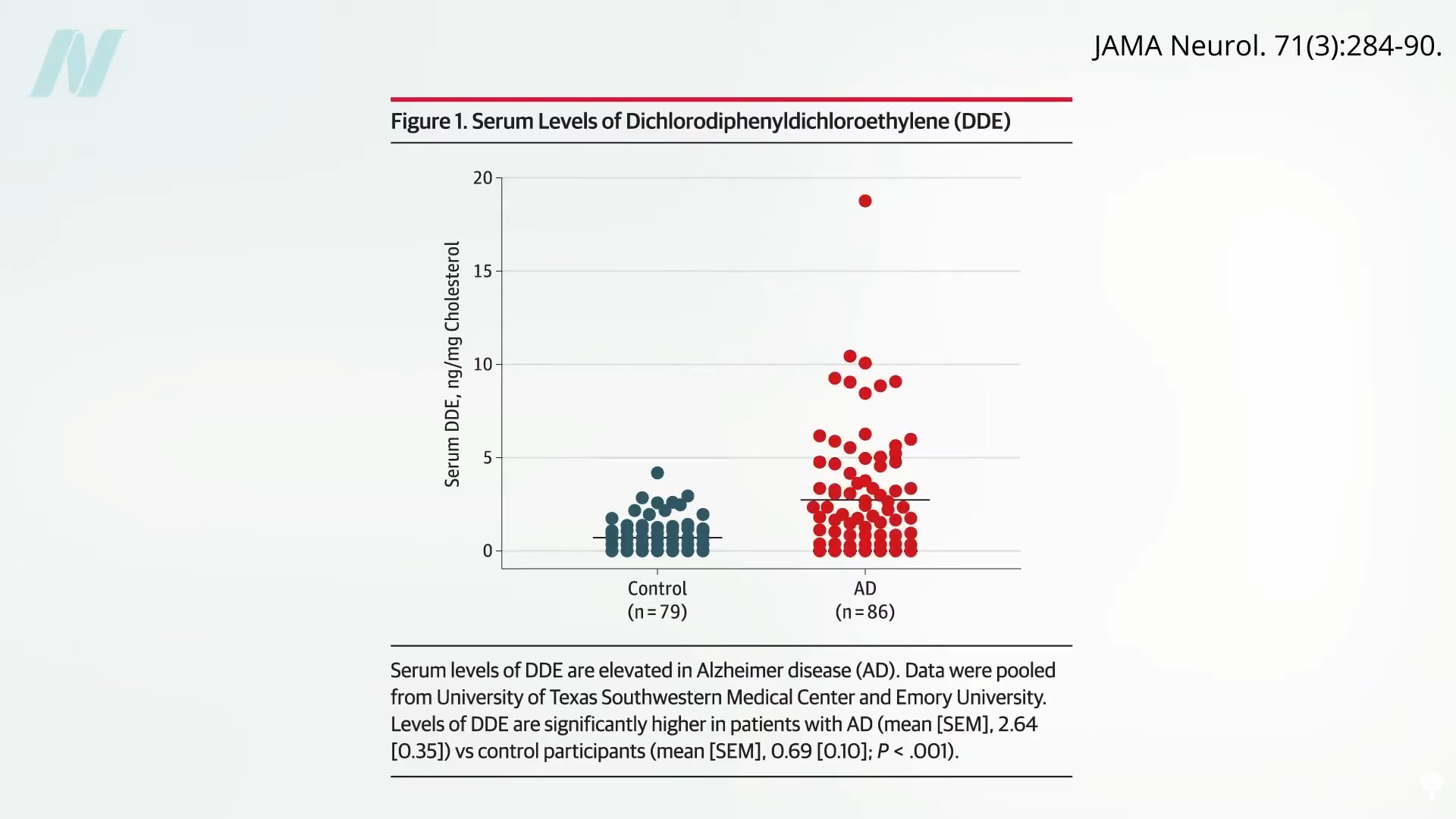
A landmark study conducted by a research team at Rutgers University provided compelling clinical evidence of this connection. Researchers found significantly higher blood levels of DDE in patients diagnosed with Alzheimer’s disease compared to age-matched control subjects. This observation was not a subtle difference; patients with the highest DDE levels were found to have approximately four times the odds of developing Alzheimer’s-related dementia.
Crucially, accompanying autopsy studies have demonstrated that blood levels of DDE serve as a reliable proxy for the levels found within the brain tissue. This indicates that what circulates in our bloodstream reflects the concentration of these harmful chemicals in the very organ most vulnerable to Alzheimer’s pathology, solidifying the relevance of the blood-level findings. The correlation between elevated DDE and increased Alzheimer’s risk highlights DDE as a significant, modifiable risk factor that warrants serious attention. (Referenced in "Pesticides (DDT) and Alzheimer’s Disease" video at 1:22).
The Mechanism Unveiled: DDE’s Impact on Amyloid Protein
Beyond epidemiological associations, scientific inquiry has begun to unravel the potential biological mechanisms through which DDE might contribute to Alzheimer’s pathology. One of the hallmarks of Alzheimer’s disease is the accumulation of abnormal protein aggregates, particularly amyloid-beta plaques, in the brain. These "sticky proteins" are believed to disrupt neuronal function and lead to widespread brain cell death.
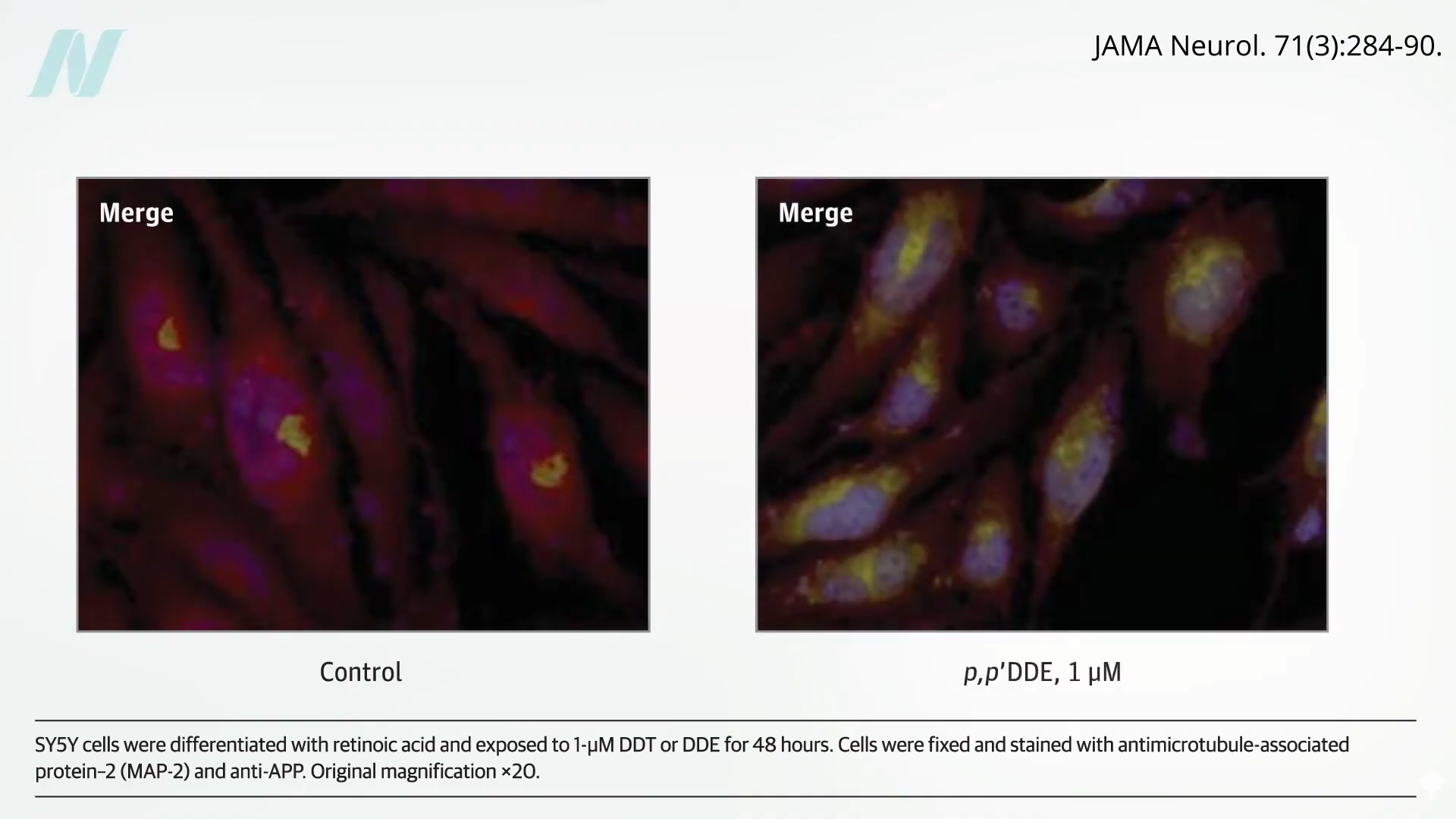
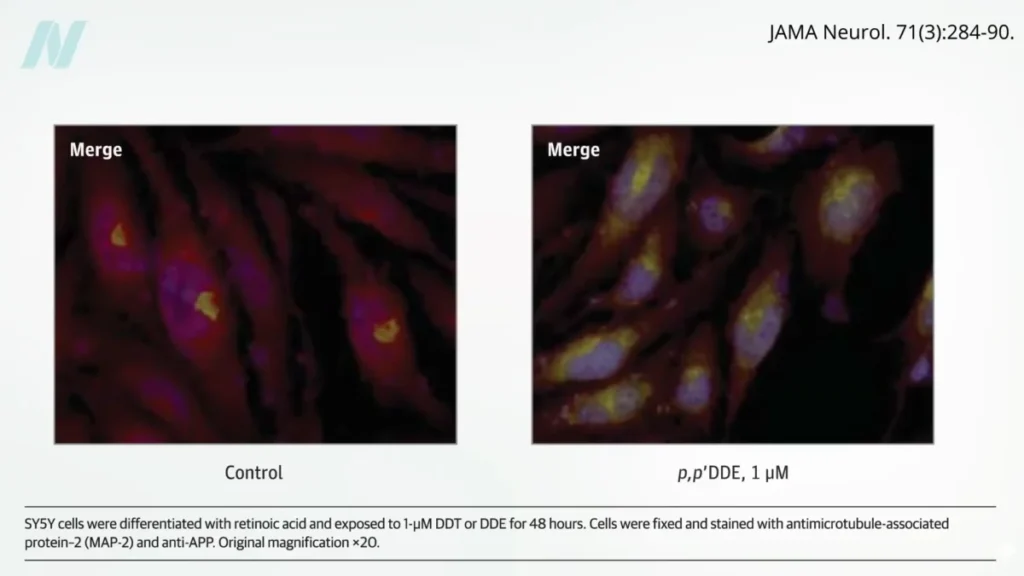
In in vitro studies, where human brain cells were cultured in a petri dish, researchers observed a direct impact of DDE exposure on the production of amyloid precursor protein (APP). When DDE was introduced at concentrations comparable to those found circulating in highly exposed individuals within the general population, it led to a measurable increase in APP levels. This finding provides a plausible molecular mechanism: DDE appears to directly stimulate the production of a key protein implicated in the development of amyloid plaques, thus potentially accelerating or initiating the disease process. This direct cellular effect strengthens the causal link between DDE exposure and Alzheimer’s progression. (Referenced in "Pesticides (DDT) and Alzheimer’s Disease" video at 1:48).
Broader Cognitive Impacts: From Acute Poisoning to General Decline
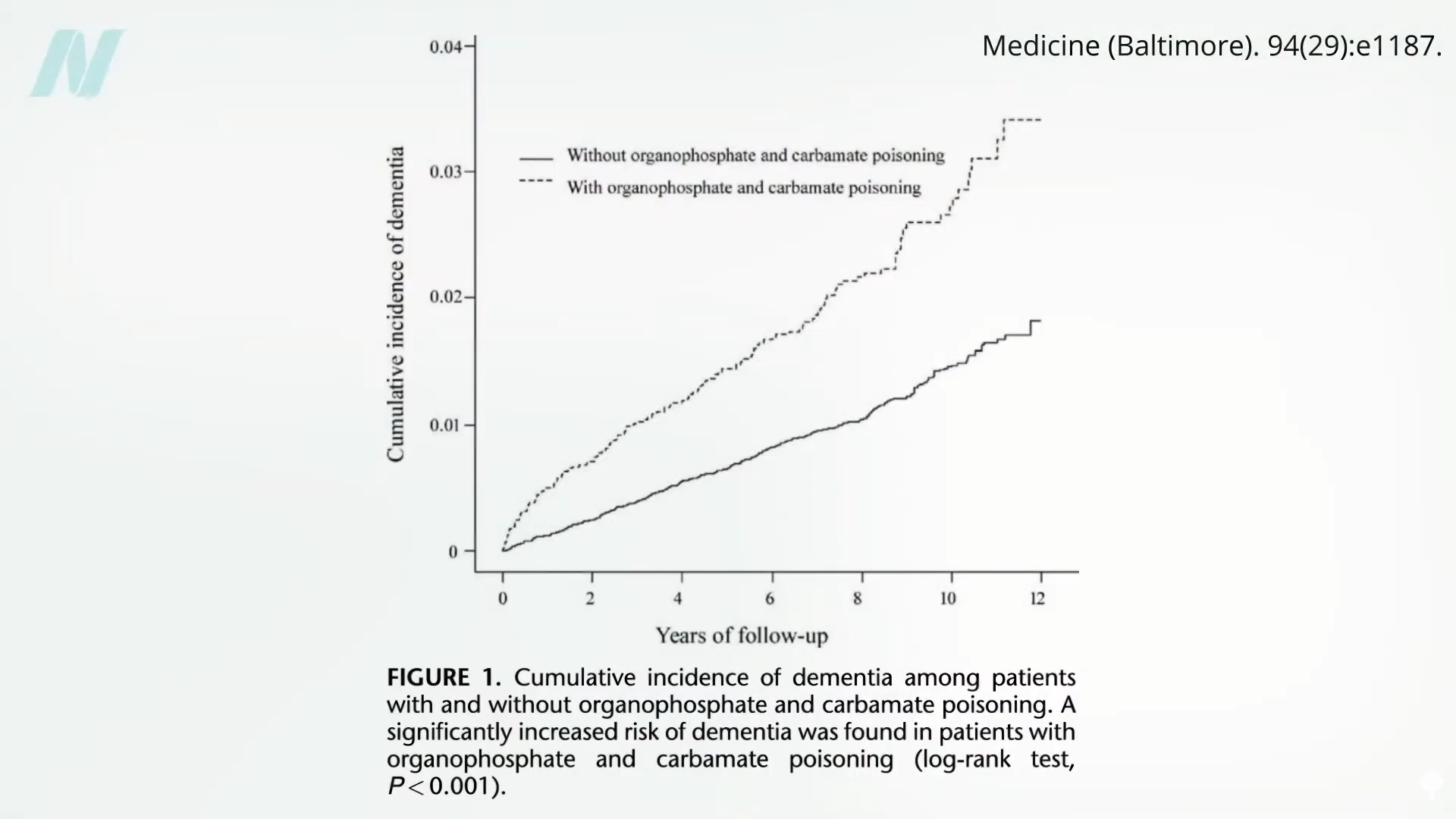
The evidence linking pesticides to neurological damage extends beyond chronic DDE exposure and Alzheimer’s. Research examining individuals who have experienced acute pesticide poisoning – often due to occupational exposure or accidental ingestion – reveals a consistent pattern of increased neurological risk. Studies indicate that acutely pesticide-poisoned individuals face approximately double the risk of developing dementia later in life. This direct and severe impact from high-dose exposure underscores the neurotoxic potential of these chemicals, making the chronic, low-dose exposure to persistent metabolites like DDE even more concerning for long-term brain health. (Referenced in "Pesticides (DDT) and Alzheimer’s Disease" video at 2:01).
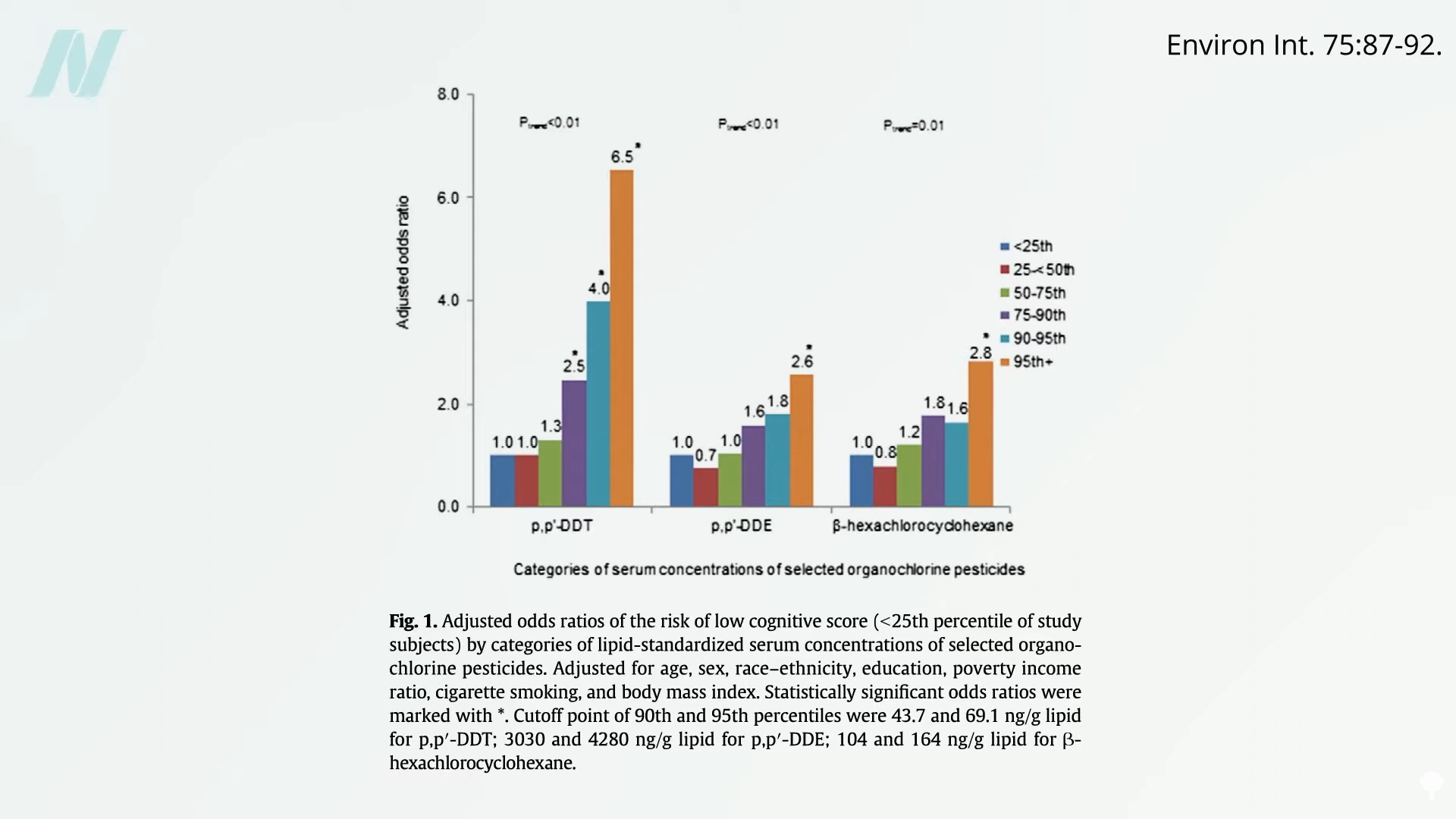
Furthermore, the association is not limited to diagnosed Alzheimer’s but extends to broader cognitive decline. Among U.S. elders, detectable levels of DDT and its breakdown product DDE are consistently associated with an increased risk of general cognitive impairment. This suggests that even sub-clinical exposure may contribute to a gradual erosion of cognitive function, impacting memory, executive function, and overall mental sharpness as individuals age. (Referenced in "Pesticides (DDT) and Alzheimer’s Disease" video at 2:08).
Bioaccumulation: How Toxins Permeate Our Food Chain
The persistence of DDE in human bodies, decades after the ban of DDT, is primarily due to its continuous presence in the food supply, a phenomenon explained by bioaccumulation and biomagnification. These toxins, once released into the environment, enter the food chain at its lowest levels. Plants absorb them from contaminated soil and water, and small organisms ingest them. As these organisms are consumed by larger ones, the toxins accumulate and become more concentrated at each successive trophic level.
This process culminates in significantly higher concentrations of these pollutants in animal products compared to plant-based foods. A compelling demonstration of this principle comes from a comparison of breast milk samples: a vegetarian mother exhibited significantly lower levels of DDT, DDE, and other banned pesticides and pollutants in her breast milk compared to her non-vegetarian sister. The difference was most pronounced for DDE, which was four times lower in the vegetarian individual.
Further illustrating this, a comprehensive study analyzing food samples collected from supermarkets across the United States revealed stark disparities in contaminant levels. It found that levels of dioxins and PCBs (another class of persistent organic pollutants) were 5 to 10 times higher in meat, eggs, fish, and dairy products compared to the collective category of all plant-based foods. This is because these toxins are fat-soluble and readily stored in the fatty tissues of animals, which are then consumed by humans. Unfortunately, common cooking methods do not destroy these resilient pollutants; in some cases, by reducing water content, cooking can even concentrate them further, exacerbating the exposure. (Referenced in "Pesticides (DDT) and Alzheimer’s Disease" video at 3:20).
Official Responses and Regulatory Challenges
The scientific understanding of persistent organic pollutants (POPs) like DDT and its metabolites has evolved significantly since their initial introduction. This evolution has prompted various responses from regulatory bodies, though challenges persist.
EPA’s Stance: Carcinogen Classification and Beyond
The U.S. Environmental Protection Agency (EPA) classified DDT as a probable human carcinogen and subsequently banned its use in 1972, based on evidence of its adverse effects on wildlife and concerns about its potential to harm human health. This decision was a landmark moment in environmental regulation. However, the "probable human carcinogen" classification primarily addresses cancer risk. The growing body of evidence linking DDE to neurological disorders like Alzheimer’s necessitates a broader understanding of its toxicological profile. While the ban was crucial, it did not eliminate the existing contamination, nor did it fully anticipate the long-term, non-cancerous health consequences now coming to light.
Global Efforts and Persistent Loopholes
Internationally, the Stockholm Convention on Persistent Organic Pollutants, adopted in 2001, aims to eliminate or restrict the production and use of POPs, including DDT. While this global treaty signifies a collective commitment to addressing these hazardous chemicals, DDT is still permitted for disease vector control (e.g., malaria control) in certain countries under strict guidelines, highlighting the complex public health dilemmas involved. These continued, albeit limited, uses contribute to the global environmental burden and potential for continued, albeit reduced, human exposure.
The Challenge of Legacy Pollutants
One of the most significant regulatory challenges stems from the nature of legacy pollutants. Even with bans in place, the extreme persistence of DDE means that it continues to cycle through the environment and food chain for decades, if not centuries. Regulatory frameworks are adept at controlling new chemical introductions and current emissions, but they struggle with the pervasive presence of compounds already embedded in our ecosystems. This necessitates a shift in focus from merely preventing new contamination to actively mitigating the risks posed by existing, historical pollution. Public health strategies must acknowledge that even "banned" chemicals remain active threats, requiring continuous monitoring and adaptive preventative measures.
Implications: Protecting Our Brains in a Contaminated World
The mounting evidence linking DDE and other persistent organic pollutants to Alzheimer’s disease and broader cognitive decline carries profound implications for individual health choices, public policy, and future research directions.
Dietary Choices as a Powerful Defense
Given the established mechanism of bioaccumulation, dietary choices emerge as a potent and immediately actionable strategy for reducing exposure to these persistent toxins. The data unequivocally shows that animal-based products (meat, poultry, fish, eggs, dairy) consistently contain significantly higher concentrations of DDE, dioxins, and PCBs compared to plant-based foods. This is due to the process of biomagnification, where toxins accumulate up the food chain, concentrating in the fatty tissues of animals.
Therefore, adopting a diet rich in whole, unprocessed plant foods—fruits, vegetables, legumes, and grains—can substantially lower one’s intake of these environmental contaminants. As demonstrated by the breast milk study, individuals following vegetarian or vegan diets tend to have markedly lower body burdens of these pollutants. This dietary shift represents a proactive and accessible measure to reduce the risk of pesticide-related cognitive decline, offering a degree of control over a seemingly pervasive environmental threat. Education on these dietary differences is critical for empowering individuals to make informed choices for their long-term brain health.
Advocating for Stricter Environmental Protections
Beyond individual dietary choices, the findings underscore the urgent need for robust environmental policies and stronger regulatory oversight. While DDT has been banned in many countries, other persistent pesticides and emerging contaminants continue to pose risks. Advocacy for stricter regulations on chemical manufacturing, use, and disposal is essential. This includes supporting research into safer alternatives, investing in remediation technologies for contaminated sites, and ensuring rigorous monitoring of our food and water supplies. Policymakers must recognize the long-term neurological consequences of environmental pollution and prioritize preventative measures that protect public health from these insidious threats.
The Path Forward: Research, Awareness, and Prevention
The journey to understand and combat Alzheimer’s disease is complex, but the insights into environmental contributors like DDE offer a tangible path for prevention. Continued research is vital to further elucidate the precise mechanisms of action, identify other environmental neurotoxins, and develop effective detoxification strategies. Raising public awareness about the risks associated with persistent pesticides and the benefits of dietary and lifestyle interventions is paramount.
Ultimately, the fight against Alzheimer’s disease must extend beyond pharmaceutical solutions to encompass a holistic approach that acknowledges the intricate interplay between our genes, our environment, and our daily choices. By understanding the silent threats lurking in our environment and making conscious decisions to mitigate exposure, particularly through diet, we can collectively work towards a future where the devastating impact of Alzheimer’s is significantly reduced, offering hope and health for generations to come. For more information on pesticides and their health impacts, including cancer risk, readers are encouraged to explore resources such as "Pesticides and Cancer Risk" and delve deeper into the complexities of Alzheimer’s disease on dedicated topic pages.