Unpacking the Plate: How Industry Influence Shades Nutrition Science and the Unheralded Power of Nuts
The landscape of nutrition science, critical to public health, is increasingly scrutinized for potential conflicts of interest that may distort dietary advice. A recent investigation into the practices of a leading journal highlights how industry funding can shape research outcomes, particularly concerning the health impacts of animal protein versus plant-based alternatives. At the heart of this discussion lies a fundamental question: Do people who eat nuts live longer simply because they replace animal protein with plant protein, or are there inherent benefits to nuts regardless of other dietary choices?
The Unsettling Influence on Nutrition Science
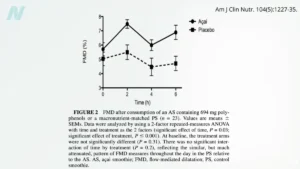
The American Journal of Clinical Nutrition (AJCN) holds a significant position, often heralded as "the highest-ranked peer-reviewed scientific journal in nutrition and dietetics." This accolade, however, invites closer examination when one considers the journal’s affiliations. Published by the American Society of Nutrition (ASN), the journal’s perceived objectivity comes under question due to the ASN’s roster of "sustaining partners." These partners notably include powerful industry players such as The Sugar Association, prominent soda companies, and influential sectors of the meat, dairy, and egg industries.
This entanglement of academic publishing with commercial interests raises immediate red flags. When the very bodies responsible for disseminating credible nutritional science are financially supported by industries with vested interests in specific dietary narratives, the potential for bias becomes a significant concern. The presence of entities like the National Cattlemen’s Beef Association among ASN’s sustaining partners provides a stark example. This affiliation, critics argue, may help explain the publication of articles that appear to downplay the negative health implications of their products. The inherent conflict of interest is not merely theoretical; it manifests in published research, as seen in an article claiming that eating red meat "does not negatively influence cardiovascular disease risk factors." Such a claim, appearing in a journal of AJCN’s standing, can profoundly impact public perception and dietary guidelines, potentially at the expense of public health.
The issue extends beyond individual articles to the broader credibility of the field. For the "highest-ranked nutrition journal" to be so closely intertwined with industries whose products are often linked to chronic diseases creates a crisis of confidence. Researchers, medical professionals, and the public rely on such journals for unbiased, evidence-based information. When that foundation is compromised, the ability to formulate sound public health recommendations is severely hampered. This situation underscores a critical need for greater transparency, stricter ethical guidelines, and robust mechanisms to prevent industry influence from distorting scientific inquiry. The very integrity of nutrition science, and by extension, public health, depends on it.
Unpacking the Controversial Red Meat Study
The aforementioned meta-analysis, published in The American Journal of Clinical Nutrition, posited a provocative conclusion: that consuming more red meat, versus less, does not influence cholesterol or blood pressure. This finding, if robust, would contradict decades of established nutritional science and offer a significant boon to the meat industry. However, a closer inspection, meticulously detailed by prominent nutrition experts Drs. Neal Barnard and Walter Willett in their editorial titled "The Misuse of Meta-analysis in Nutrition Research," revealed a fatal methodological flaw: the question of "Compared with what?"
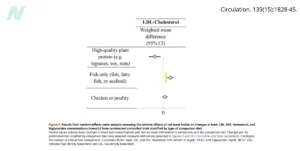
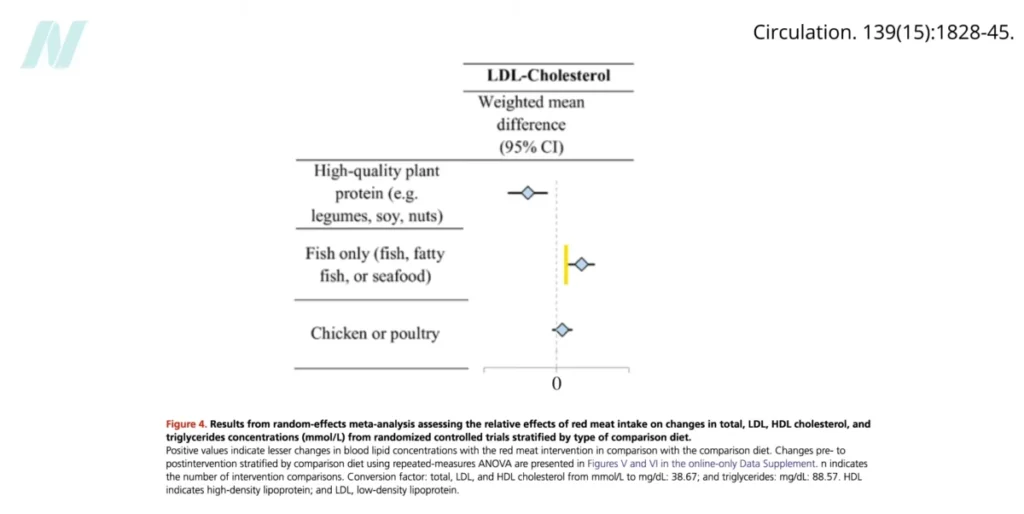
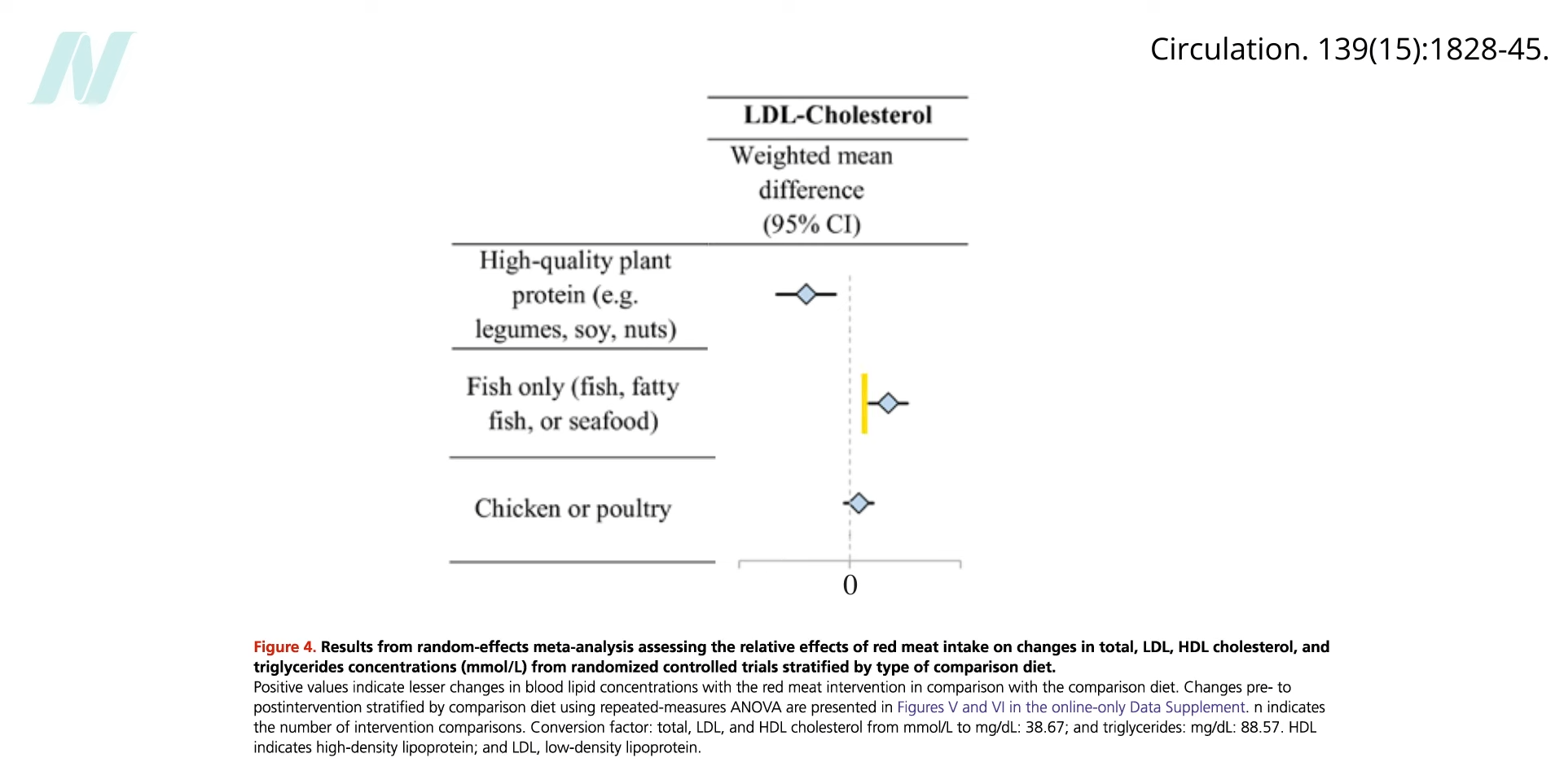
This seemingly simple query exposed the study’s Achilles’ heel. Of the 39 trials on LDL cholesterol that the meta-analysis authors selected for their review, an astonishing nearly 90% of them did not compare red meat consumption to a genuinely healthier alternative or a control group consuming a minimal amount of animal protein. Instead, they merely swapped one type of meat for another, predominantly comparing red meat to white meat, such as chicken or fish.
This "meat-for-meat" substitution is critically problematic. Extensive research, including studies referenced within the original article, consistently demonstrates that when it comes to impacting cholesterol levels, the effects of consuming beef are often comparable to those of fish or poultry. This means that by comparing red meat to other animal proteins known to have similar negative effects on cardiovascular risk factors, the study design was inherently biased to show no significant difference. It was a comparison of two potentially detrimental dietary components, designed to create an illusion of neutrality for one of them.
The analogy often used to illustrate this methodological sleight of hand is both vivid and accurate: it’s akin to publishing a study claiming that "total Twinkie intake does not negatively influence risk factors" by switching Twinkies with Ding Dongs. If the control group, instead of consuming zero processed snack cakes, was simply given a different brand of equally unhealthy processed snack cakes, it would be no surprise that "those randomized to zero Twinkies didn’t do any better." Obviously, because they were eating Ding Dongs! This is a classic tactic, frequently employed in the pharmaceutical industry, where a new drug’s efficacy is tested against an existing treatment known to be minimally effective or even problematic, rather than against a placebo or a gold-standard therapy. In the realm of nutrition, this strategy allows industry-backed research to generate findings that serve commercial interests, rather than genuinely advancing public health knowledge.
The ramifications of such flawed methodology are profound. They not only mislead consumers but also create confusion among healthcare professionals who rely on peer-reviewed literature to guide their advice. The critique by Drs. Barnard and Willett underscored the necessity for rigorous scrutiny of study designs, especially in meta-analyses, which synthesize data from multiple studies. The "compared with what?" question remains a cornerstone of scientific integrity, demanding that dietary interventions be evaluated against truly healthy alternatives to provide meaningful and actionable insights for public health.
The Plant-Based Alternative and the Power of Nuts
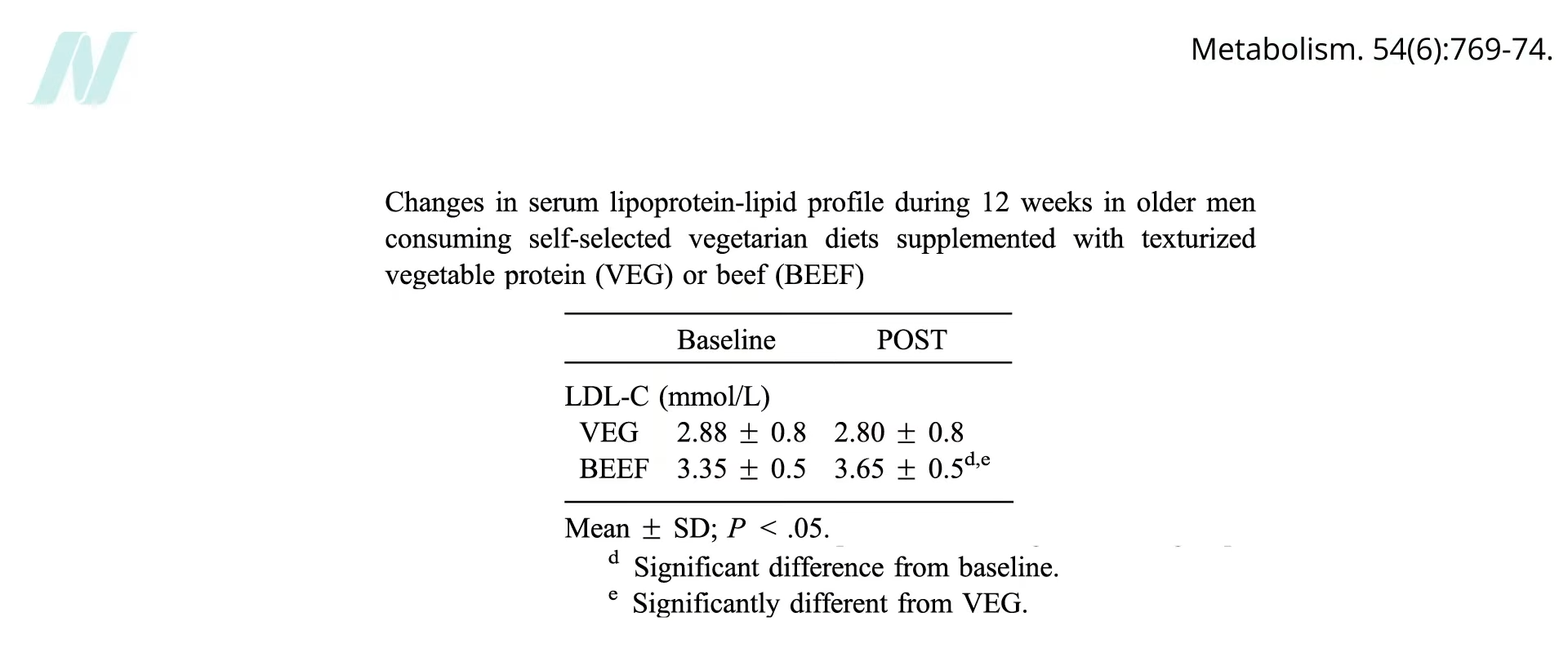
In stark contrast to the "meat-for-meat" comparison, studies that genuinely evaluate the impact of replacing animal products with plant-based alternatives yield dramatically different and more encouraging results. When individuals swap out traditional meat products for plant-based alternatives—such as plant-based sausages, chicken patties, or veggie dogs—the outcome is a significant reduction in cholesterol levels. This observation, clearly demonstrated in various studies and illustrated in accompanying visuals from the video "Are the Health Benefits of Nuts Limited to Those Eating Bad Diets?", should come as no surprise. Plant-based meats typically contain less saturated fat, a well-established contributor to elevated LDL cholesterol, compared to their animal-derived counterparts.
However, the benefits of plant protein sources extend beyond just saturated fat content. Research indicates that even independent of saturated fat, consuming red meat or white meat—any kind of meat—results in higher LDL cholesterol compared to non-meat protein sources. This suggests that other components within animal flesh, beyond just saturated fat, contribute to adverse lipid profiles. While the precise mechanisms are still being elucidated, this finding reinforces recommendations promoting diets with a high proportion of plant-based foods.
Interestingly, the research also reveals that the distinction between red and white meat, often emphasized in dietary advice, may be less significant than commonly believed when it comes to cholesterol impact. White meat, like chicken and turkey, appears to be just as detrimental to cholesterol levels as red meat. Fish, often lauded as a healthy alternative, can even be worse in some contexts, particularly when studies attempt to standardize saturated fat content by adding ingredients like butter. At the same saturated fat content, fish can appear more detrimental than beef, and chicken as bad as beef. This challenges the conventional wisdom that lighter meats or fish are inherently superior choices for cardiovascular health compared to red meat, underscoring the broader issue of animal protein versus plant protein.
This is where the true power of plant-based proteins shines through. Plant protein sources such as soy, nuts, and legumes (including beans, split peas, chickpeas, and lentils) consistently demonstrate superior outcomes in terms of cholesterol management. Replacing even a single serving of lean beef with an equivalent caloric amount of nuts or soybeans can significantly lower LDL cholesterol. This is a crucial finding, given that elevated LDL cholesterol is a primary risk factor for cardiovascular disease, the leading cause of death for both men and women in the United States and much of the world.
The implications for public health are profound. Is it merely this substitution effect—eating nuts instead of meat—that explains why a single serving of nuts a day is associated with a remarkable 22% reduction in the risk of premature death? And why millions of deaths every year may be attributable to inadequate nut intake? While the replacement of unhealthy animal proteins undoubtedly contributes to the benefits, the evidence suggests that the health advantages of nuts are far more comprehensive and intrinsic.
Crucially, the drop in heart attacks observed among more frequent nut eaters is just as strong among non-vegetarians. This indicates that the benefits of nut consumption are not solely contingent on adopting a fully vegetarian or vegan diet; rather, nuts offer independent health advantages that can improve outcomes across diverse dietary patterns. The reduced mortality associated with nut consumption has been found to be independent of an individual’s existing health condition, suggesting that nuts are beneficial for a broad spectrum of the population, not just "health nuts." In a comprehensive comparison of a dozen different food groups, nuts even outshone vegetables when it came to a lower risk of premature death, highlighting their extraordinary nutritional density and protective properties. This robust body of evidence firmly positions nuts as a powerful dietary intervention, offering significant, independent health benefits that extend well beyond merely replacing animal protein.
Official Responses: Industry Silence and Expert Calls for Reform
The critical analyses of industry-funded research and methodological flaws, such as those highlighted by Drs. Barnard and Willett regarding the red meat meta-analysis, typically elicit a strong response within the scientific community. However, what has been notably absent in many instances is a substantive, transparent official response from the implicated journals or the industry organizations themselves that directly addresses the criticisms with scientific rigor.
Instead of engaging in open discourse or initiating internal reviews to reassess publication standards and conflict-of-interest policies, the response from such influential bodies often leans towards silence or defensive, generalized statements that fail to tackle the core issues. The American Journal of Clinical Nutrition, despite being the target of significant critiques regarding its funding sources and the scientific integrity of some published papers, has not publicly announced sweeping reforms or an overhaul of its editorial review processes in direct response to these specific concerns. The American Society of Nutrition (ASN), as the publisher, similarly maintains its existing structure of sustaining partnerships, indicating a reluctance to sever ties with financially lucrative industry sponsors, even in the face of widespread criticism about potential bias.
This lack of decisive official action from within the establishment has prompted a growing chorus of independent experts, public health advocates, and ethical scientists to call for fundamental reforms. These calls emphasize the urgent need for greater transparency in research funding, stricter conflict-of-interest policies for authors and journal editors, and independent oversight mechanisms to ensure the integrity of nutrition science. Experts argue that self-regulation, as currently practiced, is insufficient when powerful commercial interests are at play.
Proposed reforms include mandatory disclosure of all funding sources for research, not just for individual studies but also for the journals and societies that publish them. There is a strong push for editorial boards to comprise members free from significant financial ties to industries whose products are under nutritional scrutiny. Furthermore, calls for independent bodies to audit the methodological soundness of meta-analyses and systematic reviews, particularly those with controversial findings that align with industry interests, are gaining traction. The broader implication of this silence and resistance to reform is a continued erosion of public trust in dietary guidelines and scientific institutions, making it increasingly difficult for individuals to discern reliable health advice from commercially driven narratives. The onus, therefore, falls on the wider scientific community and the public to demand higher standards and accountability from those entrusted with guiding public health.
Implications: Navigating Dietary Advice in a Complex Landscape
The revelations surrounding industry influence in nutrition research present a complex challenge for consumers, healthcare providers, and policymakers alike. The primary implication is a stark reminder that not all scientific literature is created equal, and critical scrutiny is paramount, even for studies published in highly ranked journals. Consumers must approach dietary advice with a healthy dose of skepticism, particularly when it appears to contradict long-standing public health recommendations or promotes products from financially invested industries.
The core takeaway from this discourse is a reinforcement of the immense value of whole, unprocessed, plant-based foods. While the debate around specific macronutrients and food groups continues, the overarching consensus among independent nutrition experts is that diets rich in fruits, vegetables, whole grains, and legumes—including nuts—are overwhelmingly beneficial for long-term health and disease prevention. The data on nuts, in particular, offers a clear and actionable piece of advice: incorporating a regular serving of nuts into one’s diet provides significant, independent health benefits, including a reduced risk of premature death, irrespective of whether one is a vegetarian or consumes other animal products.
For those seeking to optimize their diet, the message is clear: prioritize plant-based protein sources over animal proteins. Swapping animal products for plant-based alternatives not only helps mitigate negative health impacts associated with meat consumption but also introduces a host of beneficial compounds found uniquely in plants. The fact that nuts, even when compared to vegetables, demonstrate superior outcomes in reducing mortality risk highlights their powerful nutritional profile, including healthy fats, fiber, vitamins, and minerals.
Doctor’s Note
In my Daily Dozen Checklist, I recommend a quarter cup (about an ounce) of nuts a day. This simple addition can be a cornerstone of a healthier diet, offering profound protective effects against chronic diseases. The benefits extend beyond merely replacing less healthy options; nuts possess inherent qualities that contribute to longevity and well-being.
The ongoing struggle for scientific integrity in nutrition research underscores the need for continuous vigilance. As the article hints, the tactics employed by industries to influence dietary guidelines are well-documented. A deeper dive into these strategies will be explored in an upcoming series, starting with "The Corporate Playbook Behind Undermining Dietary Guidelines." Understanding these dynamics is crucial for navigating the often-conflicting messages about food and health, empowering individuals to make informed choices based on robust, unbiased scientific evidence. The ultimate goal remains to foster a food environment where public health, not commercial interest, dictates dietary recommendations.