The Art of the Batch: Mastering Chipotle Chicken for High-Efficiency Meal Prep
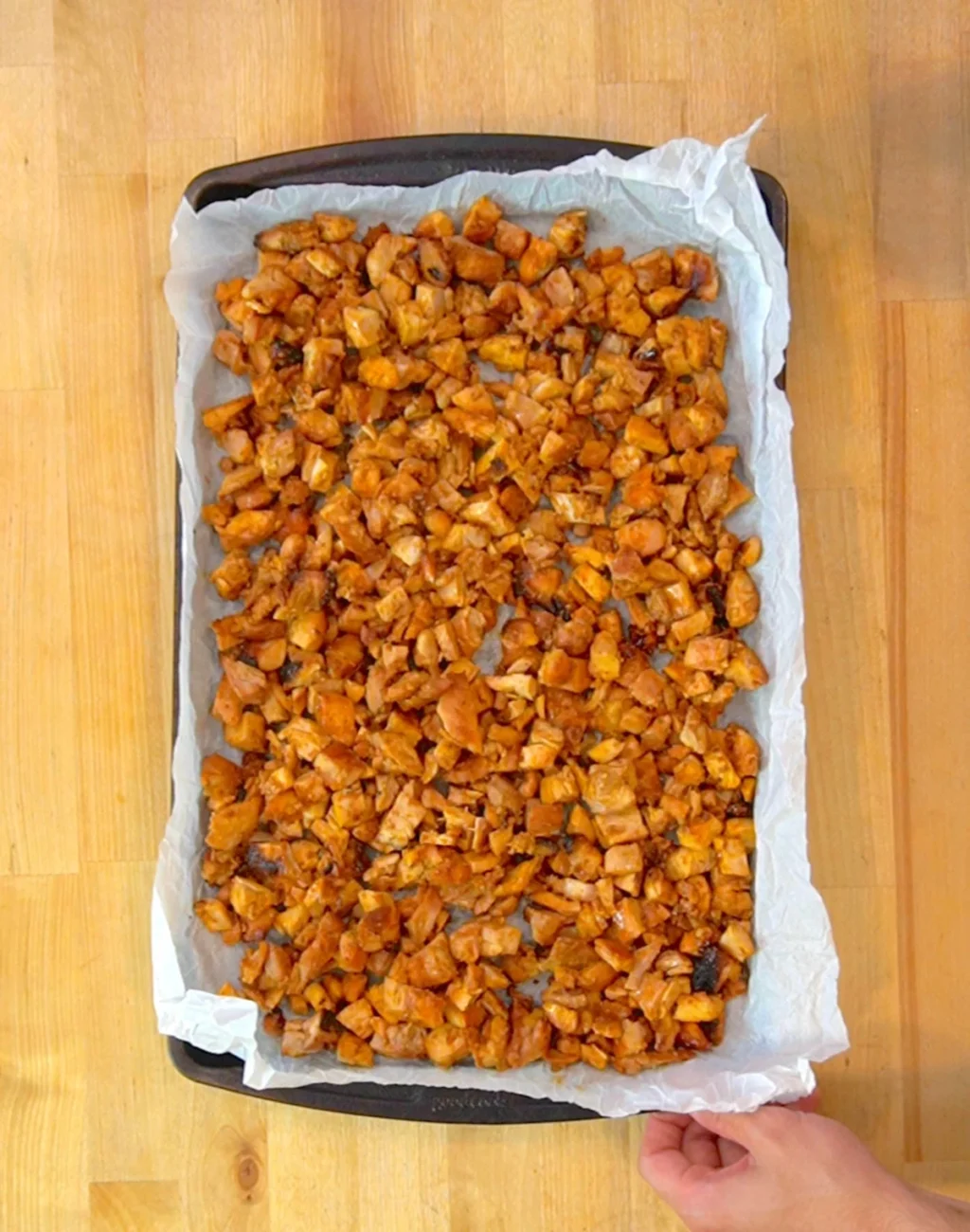
In the modern culinary landscape, where the demands of professional life and personal wellness often collide, the concept of "Snack City"—a well-stocked freezer filled with nutritionally balanced, ready-to-eat meals—has transitioned from a niche hobby to a essential survival strategy. Among the staples of this movement, the Chipotle Chicken for Burrito Bowls stands out as a masterclass in efficiency, flavor profile, and macronutrient optimization. This article explores the mechanics of preparing this high-protein staple, the science of its nutritional density, and the long-term implications of adopting a batch-prep lifestyle.
Main Facts: The Anatomy of a High-Protein Staple
At its core, the Chipotle Chicken recipe is designed for the high-performance individual. With a yield of 10 servings, this recipe is engineered for those who view meal preparation as a logistical operation. The nutritional breakdown per serving is as follows: 309 calories, 44 grams of protein, 13 grams of fat, and a mere 3.4 grams of carbohydrates.
These figures are significant for several reasons. First, the high protein-to-calorie ratio makes this an ideal meal for muscle protein synthesis and satiety. Second, the low carbohydrate content allows for maximum flexibility; users can choose to pair the chicken with complex carbohydrates like brown rice, quinoa, or roasted sweet potatoes depending on their specific caloric needs for the day. The recipe, which requires a three-hour marination period, emphasizes flavor penetration, ensuring that even after a week in the freezer, the chicken retains the smoky, complex notes characteristic of authentic chipotle preparations.
Chronology: The Lifecycle of a Batch-Prep Session
To successfully implement this into a weekly routine, one must treat the process with the discipline of a professional kitchen. The lifecycle of this dish is broken down into three distinct phases:
1. The Marination Phase (0:00 – 3:00)
The process begins not at the stove, but at the marinade station. Three hours is the minimum window required for the chipotle base to penetrate the chicken fiber. This phase is crucial; it is during this window that the acids and spices work to tenderize the protein, ensuring that it remains succulent even after undergoing the thermal stress of freezing and subsequent microwave reheating.
2. The Thermal Processing Phase (3:00 – 3:40)
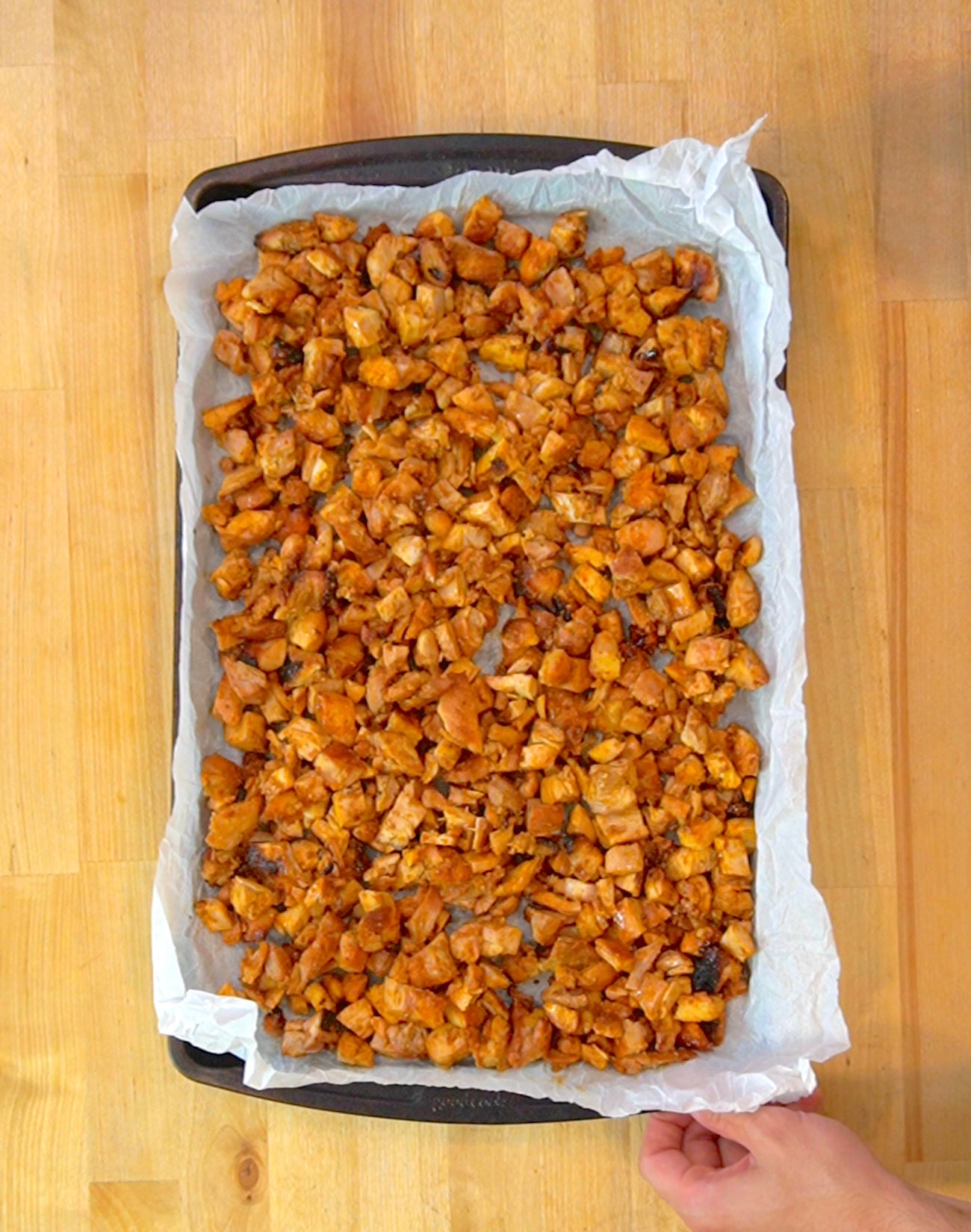
The cooking phase, spanning approximately 30 minutes, requires consistent heat management. Whether utilizing a convection oven or a stovetop, the objective is to achieve a Maillard reaction on the surface of the chicken while maintaining internal moisture. The 10-minute prep time involves careful trimming and seasoning, setting the stage for a uniform cook that ensures all 10 portions are consistent in both texture and flavor profile.
3. The Cold-Chain Storage Phase
Once the chicken has reached the appropriate internal temperature, it must be cooled rapidly before entering "Snack City." Rapid cooling is essential for food safety and for preventing the growth of ice crystals that can degrade the texture of the meat. Once vacuum-sealed or placed in airtight, freezer-safe containers, the chicken enters its final stage, ready for immediate deployment into a burrito bowl at a moment’s notice.
Supporting Data: Why Macronutrient Density Matters
In the world of fitness nutrition, the "Burrito Bowl" is the gold standard for versatility. However, commercial versions of this dish are often marred by excessive sodium, hidden sugars, and unmeasured portion sizes. By controlling the preparation of the protein component, the user regains control over the caloric footprint of their lunch.
The 44 grams of protein provided by this recipe represent a significant portion of an average adult’s daily requirement. When paired with high-fiber ingredients like black beans, corn, and greens, the meal creates a sustained energy release. The 1.28g of fiber listed in the nutritional profile is a baseline; however, when assembled into a complete bowl, the total fiber content can easily reach 10-15g, which is vital for digestive health and blood sugar regulation.
Official Perspectives: The Philosophy of "Snack City"
Nutritionists and meal-prep experts often highlight that the primary barrier to healthy eating is not a lack of willpower, but a lack of preparation. The "Snack City" methodology is a psychological framework that reduces the "friction" of making healthy choices. When a pre-cooked, seasoned, and portioned protein is already in the freezer, the barrier to ordering takeout is significantly raised.
According to culinary analysts, the shift toward batch-prepped Mexican cuisine—specifically chicken-based dishes—reflects a broader trend toward "globalized home cooking." By mastering the Chipotle Chicken recipe, the home cook is not just preparing a meal; they are automating a healthy habit. The use of chipotle peppers provides a metabolic boost through capsaicin while adding depth of flavor without the need for high-calorie sauces or excessive additives.
Implications for the Modern Consumer
The long-term implications of adopting this style of cooking are twofold: economic and physiological.
Economic Impact
By purchasing chicken in bulk and processing it into 10-serving batches, the consumer effectively lowers their cost-per-meal. This strategy shields the individual from the volatile pricing of convenience foods and delivery services. Over the course of a year, the savings generated by home-based batch prepping can account for a significant portion of a household’s discretionary budget.
Physiological Sustainability
Consistency is the most difficult aspect of any fitness or health regimen. By reducing the complexity of dinner to a simple "thaw and assemble" process, the consumer is more likely to remain consistent with their caloric and macronutrient targets. This reduces the frequency of "cheat meals" born from convenience-seeking, leading to more predictable health outcomes and better management of body composition.
Practical Integration: Assembling the Perfect Bowl
While the chicken is the foundation, the assembly of the burrito bowl is where the recipe truly shines. To maximize the 309-calorie base, consider the following assembly strategies:
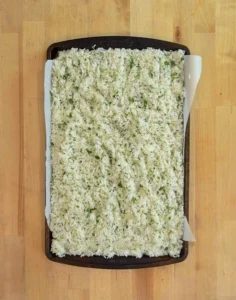
- The Base: Utilize a small portion of cauliflower rice if you are in a cutting phase, or jasmine rice if you are in a maintenance or bulking phase.
- The Greens: A handful of fresh cilantro and lime-dressed kale adds micronutrient density without significantly altering the caloric load.
- The Texture: A tablespoon of pico de gallo or salsa verde provides the acidity needed to cut through the richness of the chipotle marinade.
- The Healthy Fats: A quarter of an avocado or a sprinkle of pepitas can add necessary fats, rounding out the 13g of fat per serving provided by the chicken.
Final Considerations: Safety and Quality Control
When dealing with batch preparation, sanitation is paramount. Ensure that your workspace is sanitized before beginning the preparation. When storing, use glass containers if possible, as they do not retain odors and provide a better seal against freezer burn. When you are ready to consume, allow the chicken to thaw in the refrigerator overnight; this gentle transition preserves the integrity of the meat’s texture better than aggressive microwave defrosting.
In conclusion, the Chipotle Chicken for Burrito Bowls is more than just a recipe; it is a tool for life management. By investing three hours of your week into this process, you are effectively buying back time, saving money, and ensuring that your body is fueled by high-quality, nutrient-dense ingredients. Whether you are a competitive athlete or a busy professional, the path to better health is paved with the discipline of the batch. "Snack City" is open for business, and with this recipe, you are fully stocked.