Mastering the Light: How Food Blogger Pro is Revolutionizing Culinary Content Creation

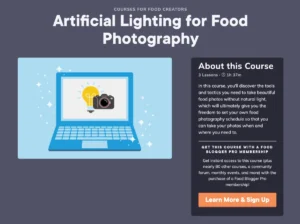
In the fast-paced, highly competitive world of digital content creation, the difference between a stagnant blog and a viral sensation often comes down to one fundamental element: light. As the culinary industry shifts further into the digital realm, professional-grade visual storytelling has become a prerequisite for success. Food Blogger Pro, a leading educational platform for digital creators, has recently doubled down on its commitment to this standard by spotlighting its comprehensive "Artificial Lighting for Food Photography" curriculum. This initiative is designed to bridge the gap between amateur enthusiasts and industry-leading professionals, offering a roadmap to technical mastery in an era where visual quality is the primary currency of engagement.
The Evolution of the Digital Kitchen
For over a decade, Food Blogger Pro has operated at the intersection of culinary passion and digital business strategy. Founded by industry veterans, the platform has grown into a cornerstone resource for food creators looking to monetize their influence. With a track record of supporting blogs that collectively garner over 80 million pageviews annually, the organization is uniquely positioned to identify the shifting needs of the creator economy.

The introduction of their dedicated artificial lighting course represents a strategic response to the realities of the modern content creator. Gone are the days when reliance on natural, window-based lighting was sufficient. Creators today face the pressure of consistent output, regardless of weather conditions, seasonal changes, or time-of-day constraints. By mastering artificial lighting, creators gain the ability to operate a 24/7 "studio" that produces consistent, high-quality imagery regardless of the external environment.
A Chronological Deep Dive into the Curriculum
The "Artificial Lighting for Food Photography" course is structured as a sequential learning path, moving from fundamental theory to advanced practical application. The course is broken down into four essential modules:
1. The Fundamentals: Introduction to Artificial Lighting
The curriculum begins by demystifying the technology behind light. Students are introduced to the physics of light behavior—how it travels, bounces, and interacts with different surfaces. This foundational stage is critical for removing the "fear factor" that many photographers feel when transitioning away from natural light.
2. The Hardware: Selecting LED Panels
One of the most common hurdles for emerging creators is the overwhelming landscape of photography equipment. The course provides a detailed breakdown of how to choose LED panels, focusing on color accuracy (CRI), power output, and diffusion. By narrowing the field to the most effective, reliable, and cost-efficient options, the course saves students from the "trial and error" trap that often leads to wasted investment.

3. The Ecosystem: Essential Auxiliary Equipment
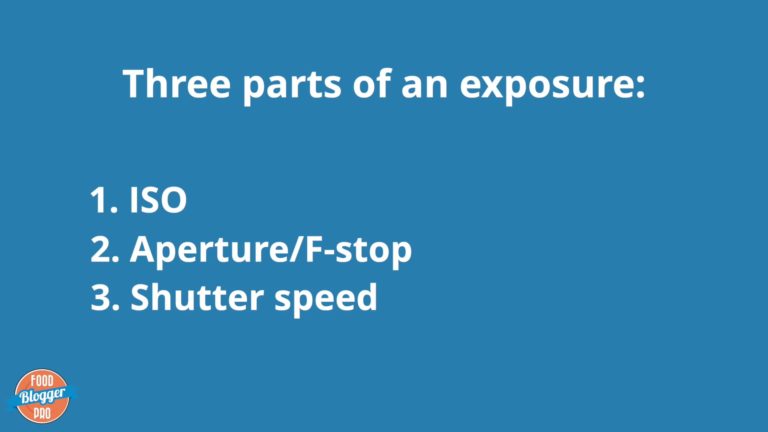
A light source alone is rarely enough. The third module explores the supporting cast of photography equipment—light modifiers, reflectors, flags, and diffusion screens. It emphasizes the "Three Pillars of Exposure": ISO, Aperture, and Shutter Speed. Understanding how these variables interact with artificial light allows creators to achieve the specific "mood" or "story" they want to convey in their images.
4. Applied Mastery: Techniques and Examples
The final segment of the course shifts from theory to demonstration. Through real-world examples, students learn how to recreate the soft, flattering look of window light using artificial sources. This practical application is where students begin to develop their signature style, moving from "taking photos" to "creating art."
Supporting Data: The Impact of Professional Visuals
The investment in professional training is not merely an aesthetic choice; it is a proven business strategy. According to data provided by Food Blogger Pro’s community members, the correlation between technical skill development and traffic growth is undeniable.
For instance, Rodney, the creator behind Hot Rod’s Recipes, reported a staggering transformation after implementing the strategies taught in the courses. By focusing on technical improvements and SEO, his site traffic climbed from a modest 600 monthly views to nearly 45,000. Similarly, Erin of Erin Bakes saw her reach expand exponentially through the integration of video production techniques learned on the platform, eventually producing a single video that eclipsed 1.3 million views.

These case studies serve as evidence that the digital marketplace rewards high-quality production. In an algorithm-driven environment, platforms favor content that keeps users engaged, and high-quality, well-lit photography is a primary driver of longer dwell times on websites and higher click-through rates on social media.
Official Philosophy and Expert Insights
What sets Food Blogger Pro apart is its pedagogical approach. The platform is not merely a library of videos; it is a philosophy of incremental, sustainable growth. The experts behind the platform, who possess over a decade of hands-on experience, advocate for the "tiny wins" strategy. They argue that long-term success is not found in overnight viral bursts, but in the cumulative effect of making small, daily improvements to one’s craft and business operations.

"We’ve seen the greatest success through our businesses by making a tiny bit of progress each and every day," the founders noted in their official mission statement. This approach is designed to combat the burnout that often plagues independent content creators. By focusing on the process—learning one technique, upgrading one piece of equipment, or refining one workflow at a time—creators can build businesses that are not only profitable but sustainable over the long term.
The Zero-Risk Promise: A Model for Digital Education
In an age where digital courses are often criticized for high prices and low value, Food Blogger Pro has implemented a "Zero Risk" policy to build trust with its user base. Offering a 100%, no-questions-asked refund within 60 days of purchase, the organization positions itself as a partner in the creator’s journey rather than just a vendor. This policy reflects the platform’s confidence in the quality of its curriculum and its dedication to the success of its members.

Implications for the Future of Food Media
The shift toward artificial lighting and professionalized production standards has profound implications for the food media landscape. As the barrier to entry for high-quality production continues to lower, the standard for "professional" content will inevitably rise.
Increased Competition
As more creators adopt these professional techniques, the baseline quality of culinary content will increase. This creates a more competitive environment, where those who fail to invest in their technical skills may find their content marginalized by algorithms that prioritize visual clarity and aesthetic cohesion.

The Rise of the "Creator-Producer"
The traditional food blogger is evolving into a "creator-producer." In the past, one might have been able to get away with being a great recipe developer with average photography skills. Today, the successful food creator must act as a stylist, photographer, lighting technician, and videographer. The integration of these roles is made possible by the accessibility of training programs like those provided by Food Blogger Pro.
Monetization and Professionalism
As content becomes more professional, brands are increasingly willing to partner with independent creators. Companies are looking for partners who can deliver high-quality, commercial-grade assets. By mastering artificial lighting, creators are essentially leveling up their ability to work with brands, agencies, and publishers, opening up new, lucrative revenue streams that were previously reserved for professional advertising agencies.

Conclusion: Investing in the Craft
The art of food photography is no longer a peripheral skill for the culinary enthusiast; it is the core of a thriving digital business. Through its comprehensive artificial lighting curriculum, Food Blogger Pro is providing the tools, the expertise, and the philosophy necessary to navigate the modern creator economy.
Whether it is a beginner looking to understand the basics of a simple LED panel or an established blogger seeking to refine their studio workflow, the path forward is clear: success in the digital kitchen is built on a foundation of technical knowledge and consistent, incremental growth. As the industry continues to evolve, those who treat their content as a professional craft—and invest the time to master the light—will be the ones who define the future of food media.