The Ultimate Guide to Perfect Paleo Pancakes: Mastering Grain-Free Breakfasts
For those adhering to a Paleo lifestyle, the breakfast table often feels like a restricted landscape. The absence of traditional grains, refined sugars, and processed leavening agents can turn a morning staple like pancakes into a culinary challenge. However, a new approach to Paleo baking—leveraging the natural properties of almond flour and tapioca starch—is transforming the way health-conscious home cooks view gluten-free and grain-free morning meals.
This comprehensive guide explores the science behind the perfect Paleo pancake, providing the technical methodology, troubleshooting strategies, and nutritional insights necessary to elevate your breakfast game.
Main Facts: The Science of Grain-Free Texture
The primary hurdle in grain-free baking is structural integrity. Traditional wheat flour contains gluten, a protein complex that provides elasticity and "loft" to baked goods. In the absence of gluten, many Paleo recipes result in dense, gritty, or overly fragile pancakes.
The secret to this specific recipe lies in a dual-component dry base:
- Finely Ground Almond Flour: Unlike coarse almond meal, which retains skin fragments and results in a sandy texture, finely ground almond flour provides a delicate, nutty profile and high protein content. The high fat content in almonds also ensures the pancakes remain moist.
- Tapioca Starch: This is the "glue" of the recipe. Derived from the cassava root, tapioca starch provides the necessary elasticity and bounce that mimics the structural behavior of gluten, allowing the batter to hold together without falling apart upon flipping.
By combining these two, the result is a pancake that is indistinguishable in texture from conventional, flour-based versions—offering a tender, light, and perfectly golden-brown experience.

Chronology: The Evolution of the Recipe
The development of these pancakes has evolved through several iterations of testing. Initially, early Paleo recipes relied heavily on coconut flour, which is notoriously difficult to work with due to its extreme absorbency. Cooks found that the ratio of eggs to flour required for coconut flour often led to a "spongy" or overly eggy flavor.
In recent years, the shift toward an almond-tapioca hybrid has emerged as the industry standard for home bakers. The timeline of this refinement involves:
- The Development Phase: Chefs identified that almond flour required a thickening agent to prevent the batter from being too thin.
- The Leavening Breakthrough: Conventional baking powder often contains cornstarch, which is a grain. The development of "DIY" Paleo baking powder—a mixture of cream of tartar, baking soda, and tapioca starch—allowed for a rise that is fully compliant with the diet.
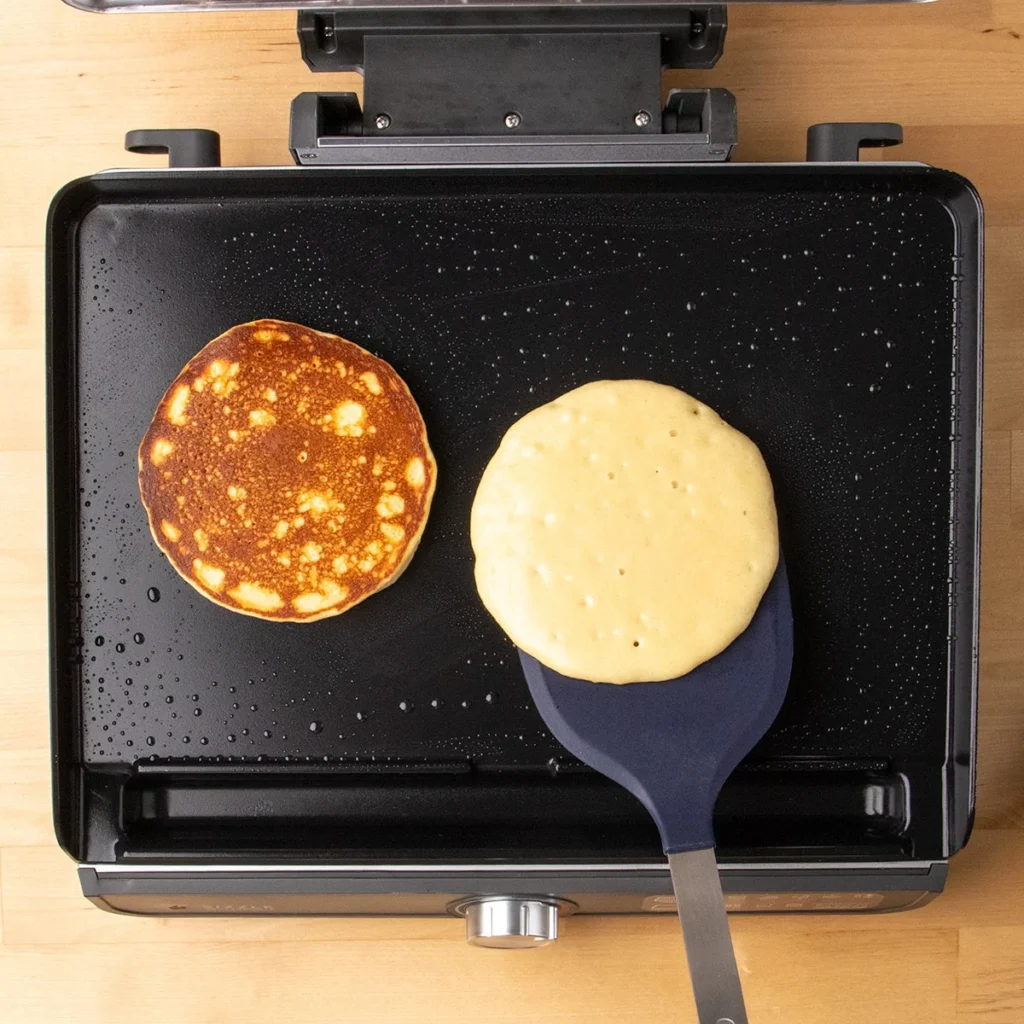
- Temperature Optimization: Once the ingredients were perfected, the final hurdle was thermal regulation. Because of the high fat content in almond flour, the batter burns rapidly. Standardizing the cook temperature to 325°F–350°F became the final step in ensuring a consistent, professional-grade result.
Supporting Data: Nutritional and Technical Specifications
For the health-conscious consumer, the numbers speak for themselves. A single serving of these pancakes (one standard-sized pancake) contains approximately 215 calories, with a macro-nutrient profile that is significantly more balanced than traditional pancakes.
Nutritional Breakdown (Per Serving)
- Protein: 7g – Crucial for sustaining energy throughout the morning.
- Fat: 15g – Primarily healthy monounsaturated fats from almonds.
- Fiber: 2g – Assists in digestive health and blood sugar regulation.
- Carbohydrates: 16g – Derived from unrefined sources, preventing the "sugar crash" associated with refined flour pancakes.
Technical Parameters for Success
Success in this recipe is contingent upon precision. Baking is chemistry, and the following variables must be controlled:
- Hydration: The batter must rest for at least 10 minutes. This allows the almond flour to absorb the coconut milk and eggs, thickening the consistency to that of heavy cream.
- Measurement: Using a digital scale to measure grams rather than cups is highly recommended. The packing density of almond flour can lead to massive errors when measured by volume, often resulting in dry, crumbly pancakes.
- Surface Tension: The use of a well-greased, non-stick surface is non-negotiable. Even with high-quality pans, the natural sugars in the batter require a layer of fat (such as coconut oil) to ensure even browning and to prevent the delicate proteins from adhering to the pan.
Expert Strategies for Preparation
To master this dish, professional home cooks follow specific "expert tips" that distinguish amateur results from restaurant-quality outcomes.

The "Dry Mix" Strategy
Almond flour is prone to going rancid due to its high oil content. To mitigate this, store your bulk almond flour in the refrigerator or freezer. If you prefer to have a "pancake mix" ready for busy mornings, you can pre-whisk your dry ingredients. However, ensure the mixture is brought to room temperature before adding liquids; cold flour will clump when combined with eggs and oil, ruining the smooth texture of the batter.
The Sifting Rule
Even if your package is labeled "finely ground," a quick pass through a mesh sieve is a best practice. This removes larger almond granules that can create "bitter pockets" and uneven spots in the pancake, ensuring a uniform, delicate crumb.
The Art of the Flip
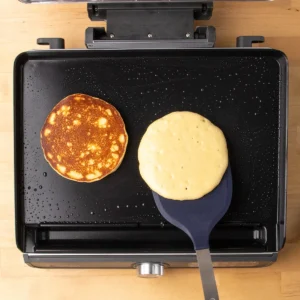
Pancakes made with almond flour behave differently than those made with wheat. They do not have the same "structural memory." Do not rush the flip. Wait until you see large bubbles forming on the surface and the edges appear set. If the edges are still glossy or runny, the pancake will likely tear when lifted.
Implications: The Future of Paleo Breakfasts
The rise of such recipes has broader implications for the dietary landscape. It signals a move away from the idea that "special diets" necessitate a compromise in taste. As ingredients like tapioca starch and almond flour become more accessible, the barrier to entry for Paleo living continues to drop.
Furthermore, the storage capabilities of these pancakes—they freeze and reheat in a toaster oven with near-perfect results—address the common complaint that healthy eating is too time-consuming. By preparing a large batch on a Sunday, an individual can enjoy a high-protein, Paleo-compliant breakfast on a busy Tuesday morning with minimal effort.

Frequently Asked Questions (FAQs)
Q: Can I use almond meal instead of almond flour?
A: No. Almond meal is too coarse. The skin of the almond remains in the meal, which creates a gritty, inconsistent texture. For the "real pancake" experience, stick to blanched, finely ground almond flour.
Q: Why do my pancakes turn green?
A: If you attempt to substitute sunflower seed flour for almond flour, the chlorogenic acid in the seeds can react with the baking soda, resulting in a greenish hue. While the pancakes are safe to eat, the color is often off-putting to diners.
Q: Is maple syrup allowed?
A: Yes. Pure maple syrup and raw honey are considered "Paleo-legal" as they are unrefined, naturally occurring sugars. However, as with all sweeteners, moderation is advised to keep the glycemic impact of the meal in check.
Q: How do I handle egg allergies?
A: While eggs provide the structure for this recipe, you can experiment with "chia eggs" (1 tbsp ground chia seeds mixed with 3 tbsp water) for a binding alternative. However, be aware that this will alter the density and flavor profile of the final product.
Conclusion
The Paleo pancake is more than just a substitute; it is a testament to how refined, grain-free ingredients can satisfy traditional cravings. By focusing on the interplay between the moisture of almond flour and the structural benefits of tapioca starch, home cooks can produce a breakfast that is as filling as it is delicious. Whether you are managing a gluten intolerance or strictly following the Paleo protocol, mastering this fundamental recipe is an essential skill for any modern kitchen.

By adhering to the ratios, respecting the rest time of the batter, and maintaining precise temperature control, you can ensure that your mornings start with a meal that is both nutritious and indulgent. As the culinary world continues to embrace nutrient-dense alternatives, these pancakes serve as a perfect bridge between classic comfort and modern health.