A Field of Dreams: Cultivating Beauty in the Heart of Iowa
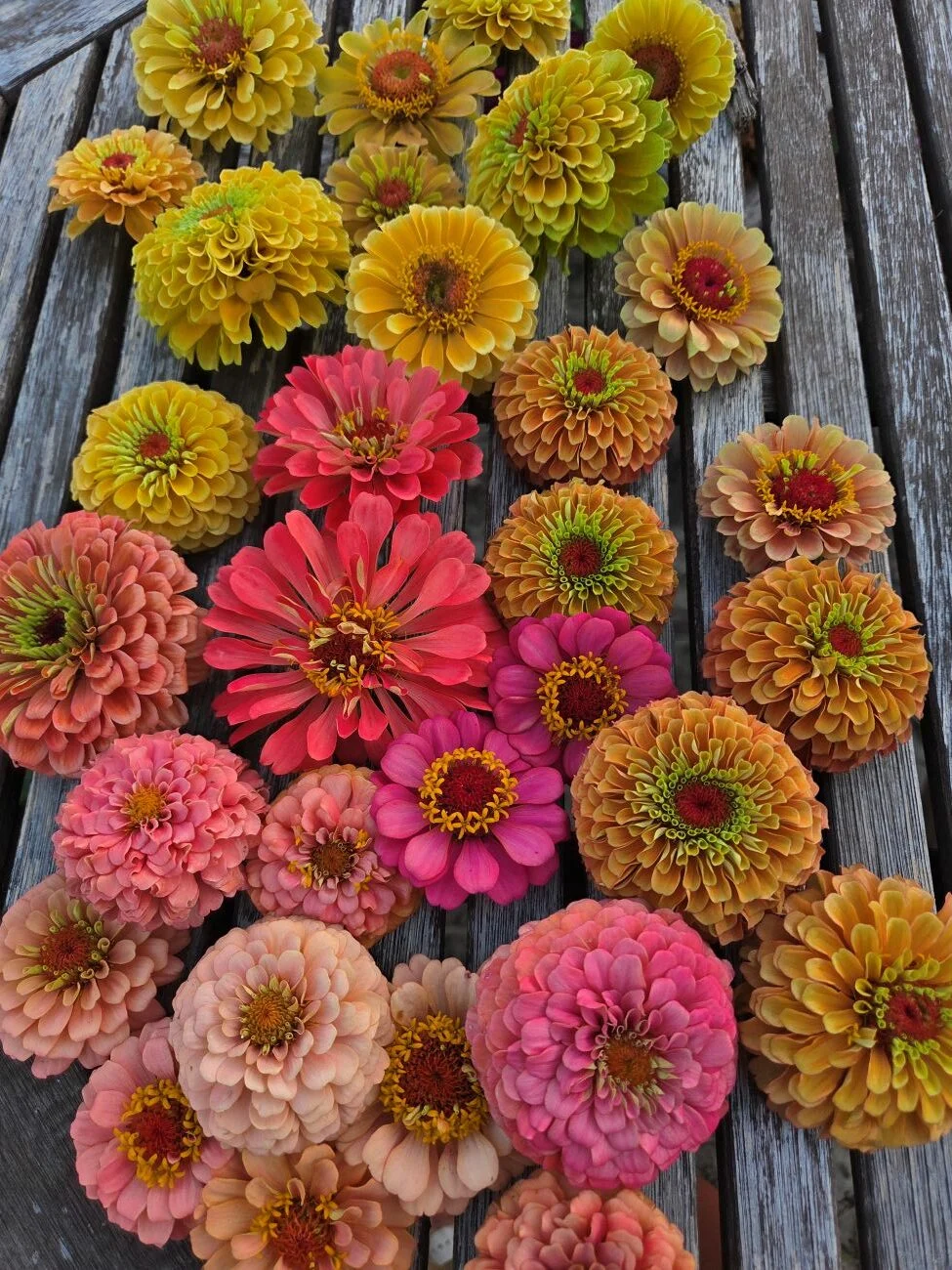
As the intensity of the summer sun begins to mellow and the shadows stretch longer across the Midwestern plains, the garden reaches its most triumphant crescendo. For many, late summer is synonymous with the peak of the cutting garden—a dedicated space where the primary objective is not just to view, but to harvest. As warm-season annuals reach their zenith, they offer an abundance that transforms both the landscape and the home, bridging the gap between the vibrancy of August and the golden hues of autumn.
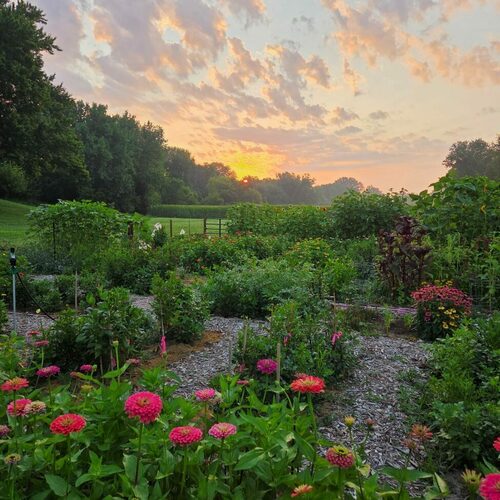
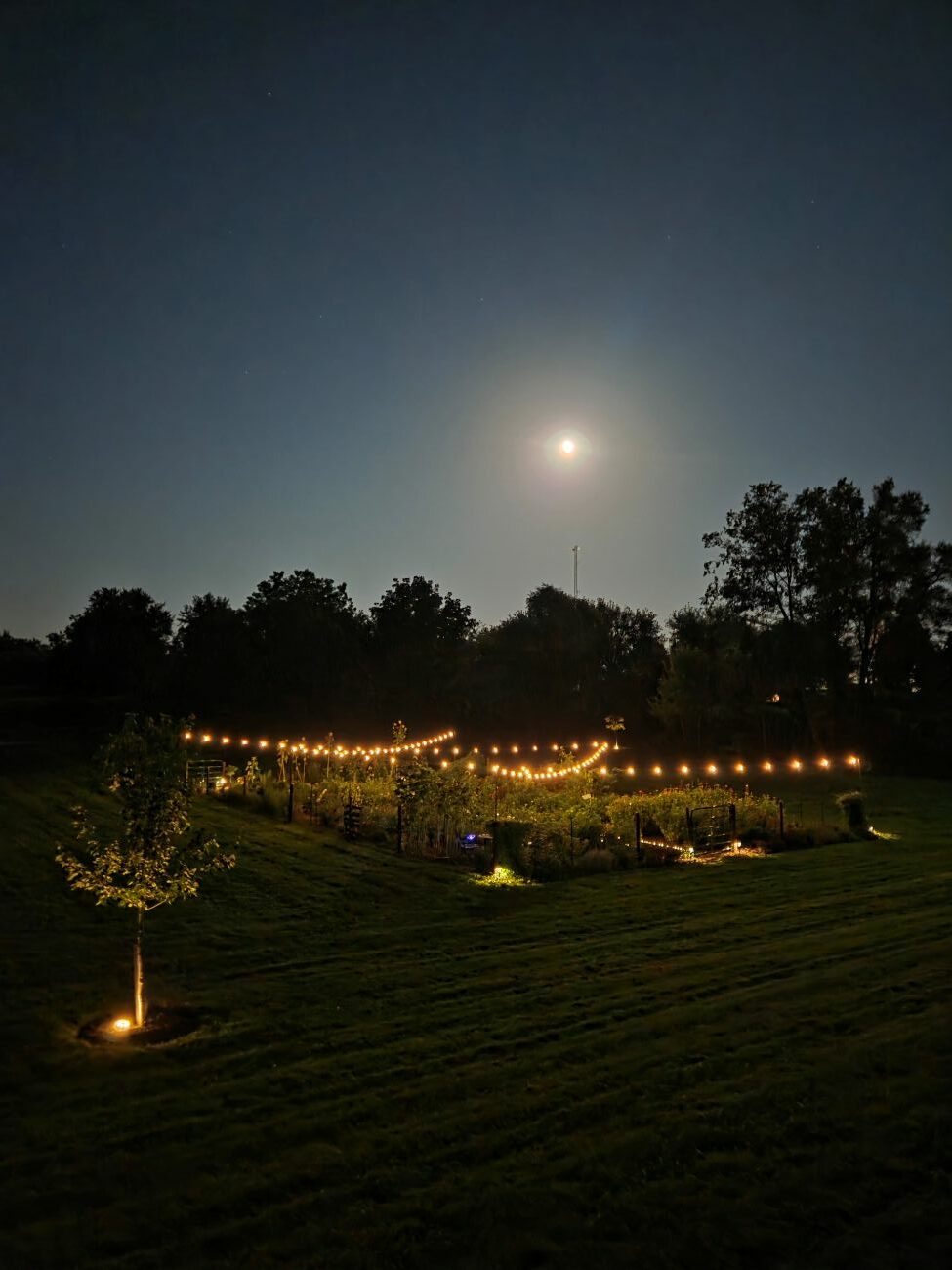
In Dyersville, Iowa, one gardener has turned this seasonal ritual into a personal masterpiece. Morgan, the visionary behind the Instagram account @the.vintage.petal, has cultivated a 100-by-50-foot oasis that serves as a testament to the intersection of environmental horticulture and artistic expression. Located near the iconic Field of Dreams movie site, Morgan’s garden is, in its own right, a local legend—a "field of dreams" brought to life through soil, seed, and steady hands.
The Genesis of a Floral Sanctuary
The foundation of Morgan’s success lies in her formal education. Having studied environmental horticulture at the University of Wisconsin–Platteville, Morgan brought a rigorous scientific understanding of plant physiology and soil management to her plot.
A cutting garden of this scale—5,000 square feet—requires more than just a passion for flowers; it demands an architectural approach to planting. To ensure a steady supply of blooms from early summer through the first frost, one must manage successions, understand nutrient uptake, and master the art of pruning to encourage continuous production. Morgan’s garden reflects this expertise, with rows organized for maximum airflow, sunlight penetration, and accessibility.
Chronology of a Growing Season
The life cycle of a cutting garden follows a precise, albeit nature-dependent, timeline. For Morgan, the season begins long before the first sprout appears.
- Late Winter/Early Spring: Planning and seed selection. This phase involves mapping out the garden beds, selecting varieties with long, sturdy stems, and starting seeds indoors to get a jump on the short Iowa growing season.
- Late Spring: Transplanting and initial soil prep. Once the threat of frost has passed, the "hard-out" of seedlings begins. This is a period of intense labor, setting the structural framework for the summer months.
- Mid-Summer: The "Maintenance and Harvest" phase. This is the busiest time for a grower like Morgan. It involves a daily ritual of early morning watering and harvesting. Cutting stems in the cool of the dawn is essential for extending the vase life of flowers, as it minimizes transpiration and maximizes turgor pressure.
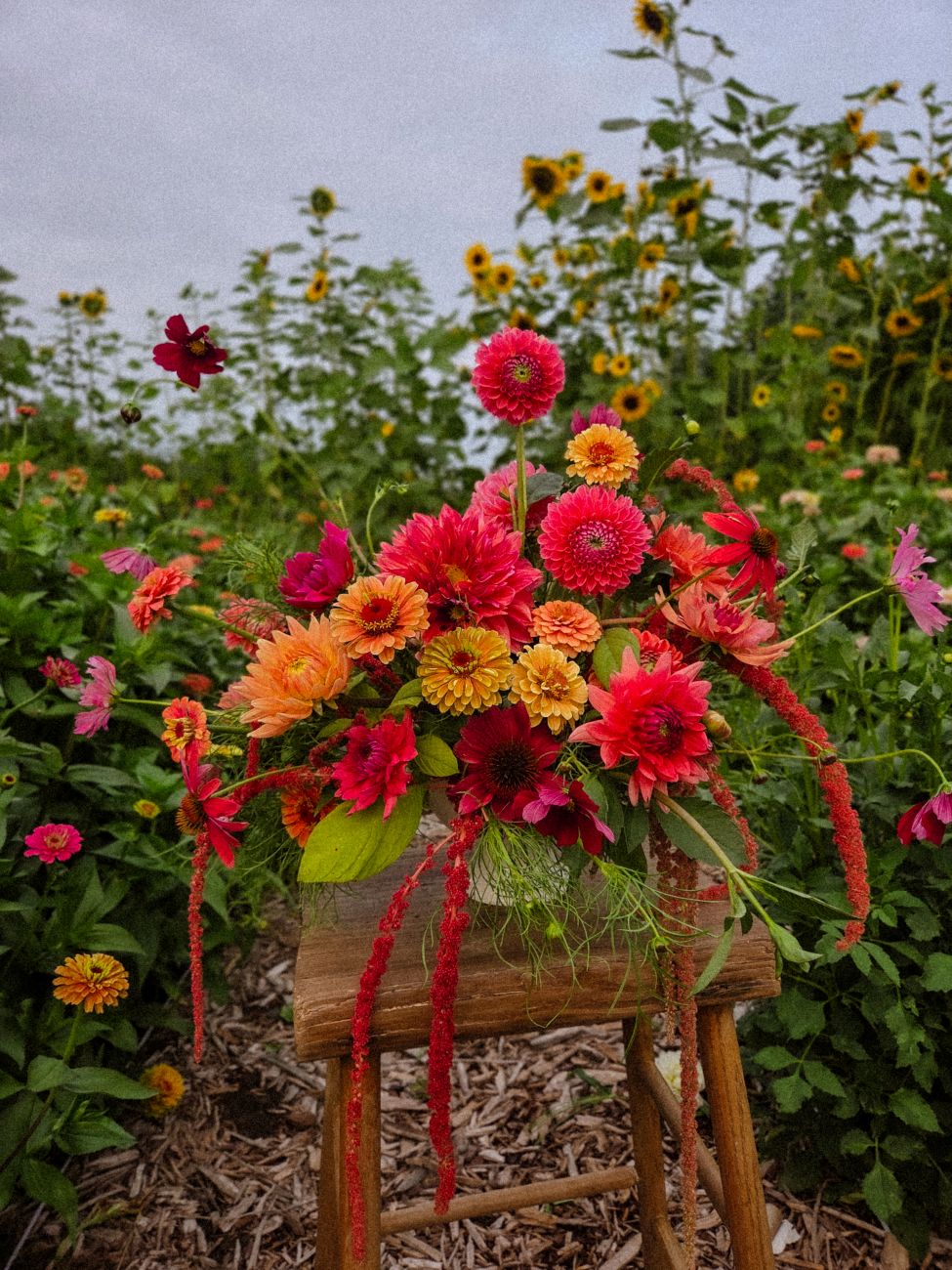
- Late Summer: The peak of the "Floral Abundance." This is when the garden is at its most productive. Zinnias, sunflowers, dahlias, and amaranth reach their peak. It is during this time that Morgan spends her Sundays focusing on the "play"—the art of creating professional-grade arrangements.
- Autumn Transition: As the temperatures drop, the garden shifts its focus. The work turns toward deadheading, harvesting seeds for next year, and eventually preparing the soil for winter dormancy.
Supporting Data: The Mechanics of Floral Success
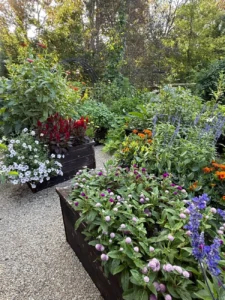
To understand why Morgan’s garden thrives, one must look at the specific plant varieties that define her success. Her garden is a curated selection of annuals chosen for their high production and longevity in the vase.
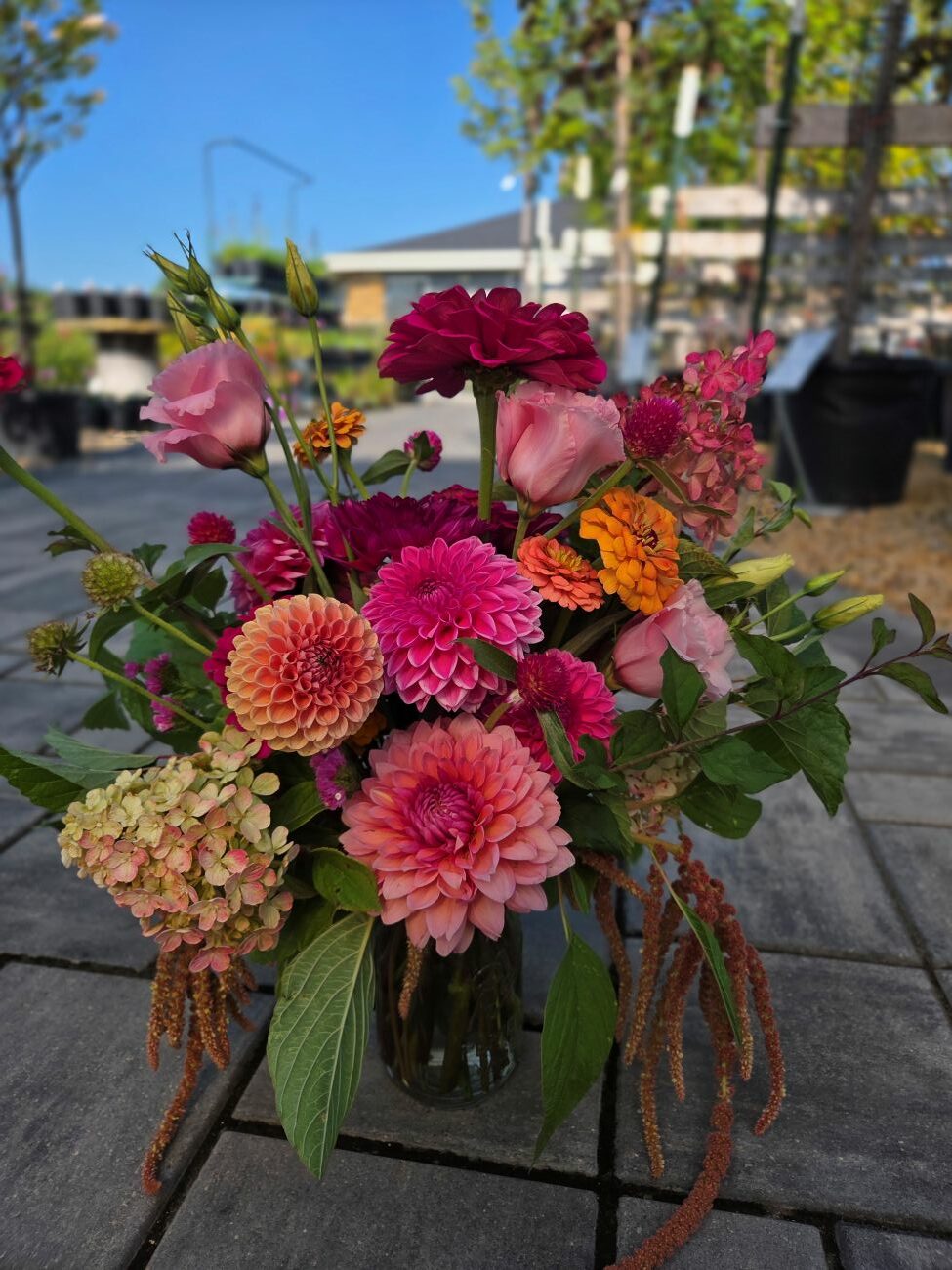
The Power of Zinnias
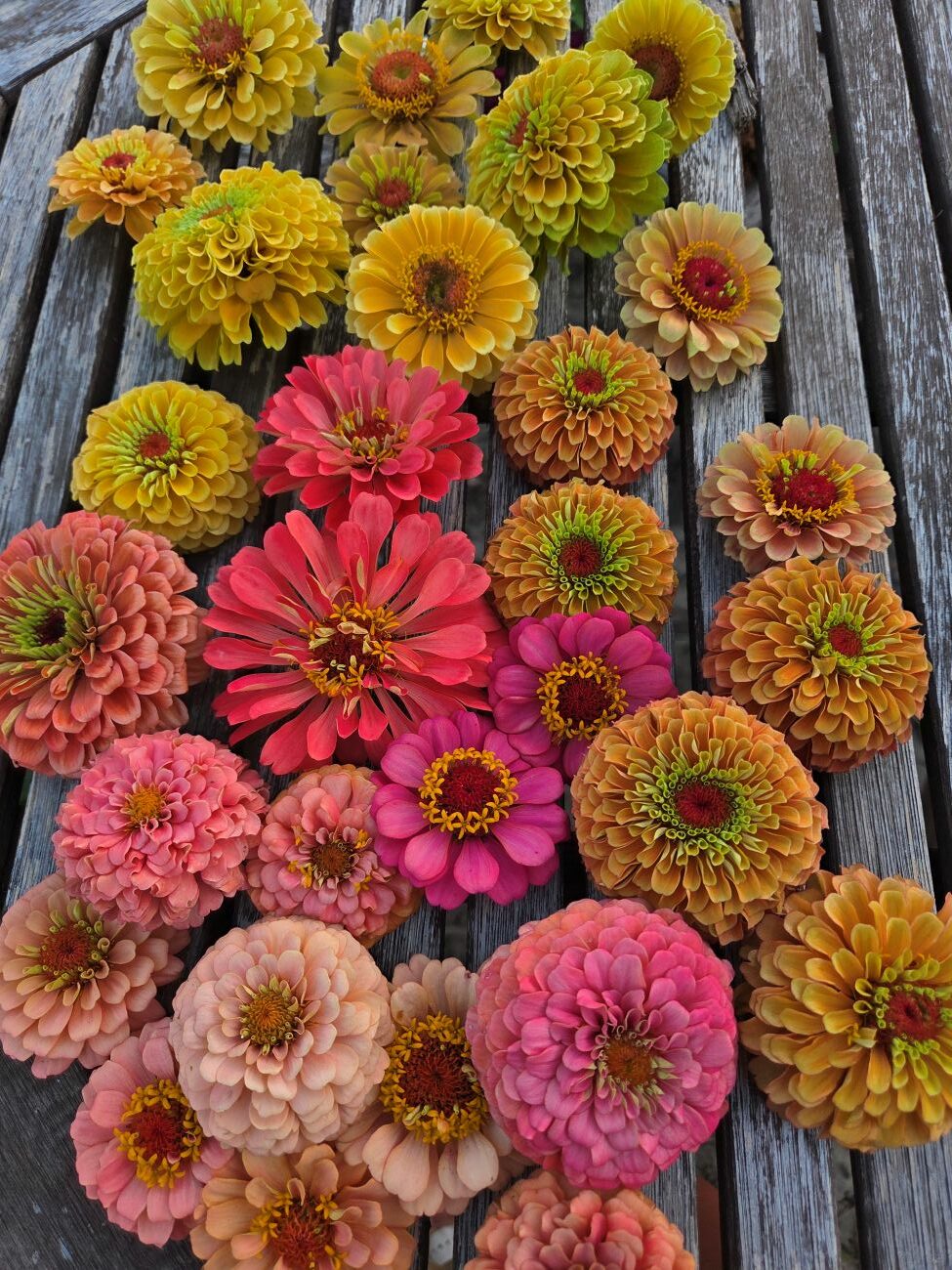
Zinnia elegans and its various cultivars are the workhorses of the cutting garden. They are renowned for their bold colors and ability to produce more blooms the more they are cut. Morgan’s "Sunset Mix" zinnias, in particular, provide a warm, gradient palette that captures the very essence of late summer.
The Dahlia Renaissance
The Dahlia genus, particularly cultivars like ‘Coseytown Dolly’s Heart’, highlights the importance of selecting varieties specifically bred for cutting. While some dahlias are grown for their show-stopping aesthetic in the landscape, varieties for cutting must possess strong, rigid stems that hold the heavy flower head upright in a vase. The deep burgundy-red of the ‘Dolly’s Heart’ provides a sophisticated contrast to the brighter, more saturated tones of the zinnias.
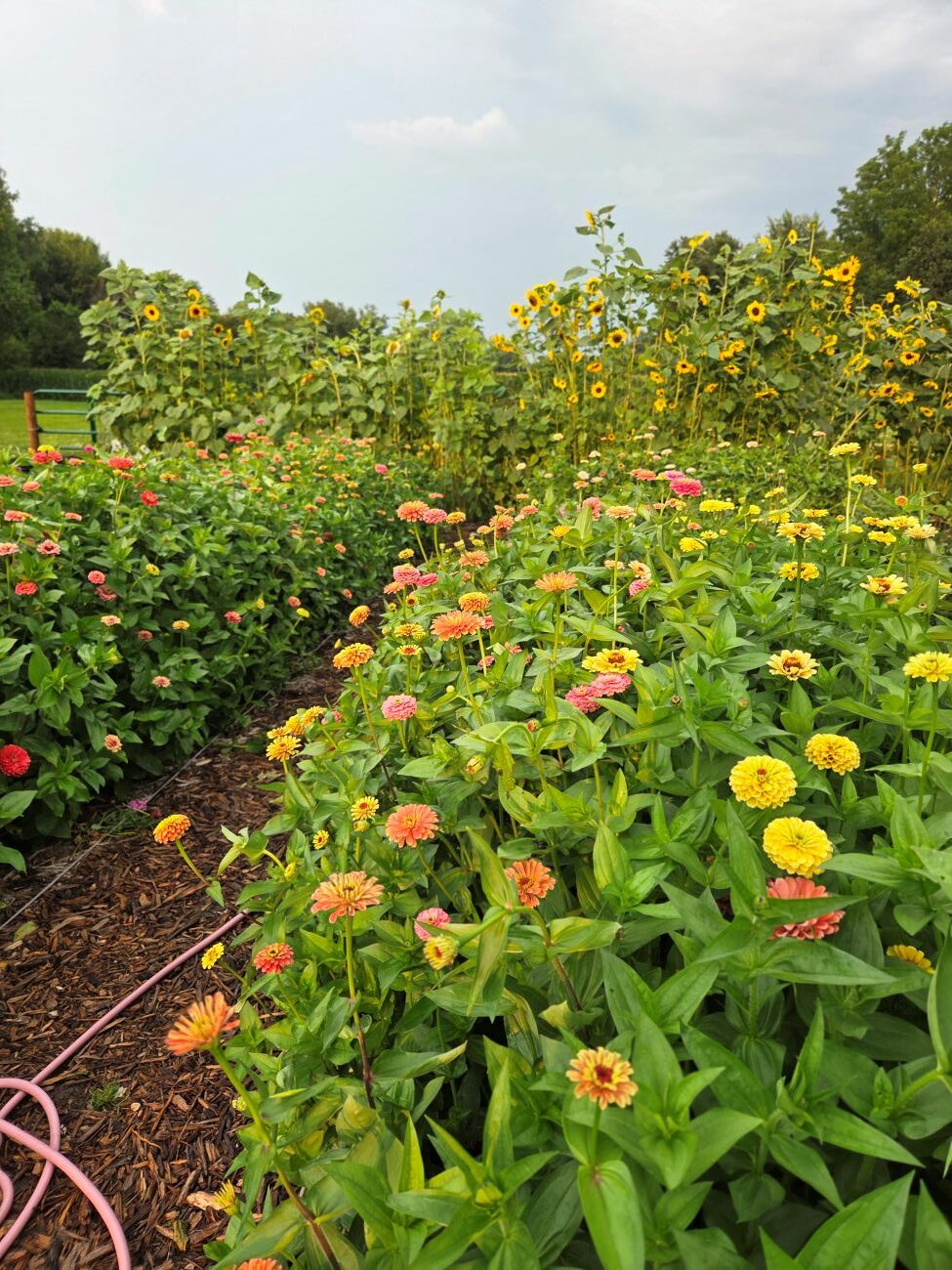
The Ritual of Care
Beyond the specific cultivars, the success of the garden is anchored in a routine. The early morning ritual of cutting is a practice rooted in plant physiology. By harvesting when the plant is fully hydrated, the grower ensures the flowers remain fresh for as long as possible. The transition from the field to the vase is a delicate operation, requiring clean tools, immediate placement in water, and proper temperature management.
Official Perspectives: The Joy of the Harvest
When asked about the philosophy behind her garden, Morgan describes it as a source of "garden magic." The act of walking out into the rows, shears in hand, and returning with something beautiful to bring indoors is a form of meditative practice.
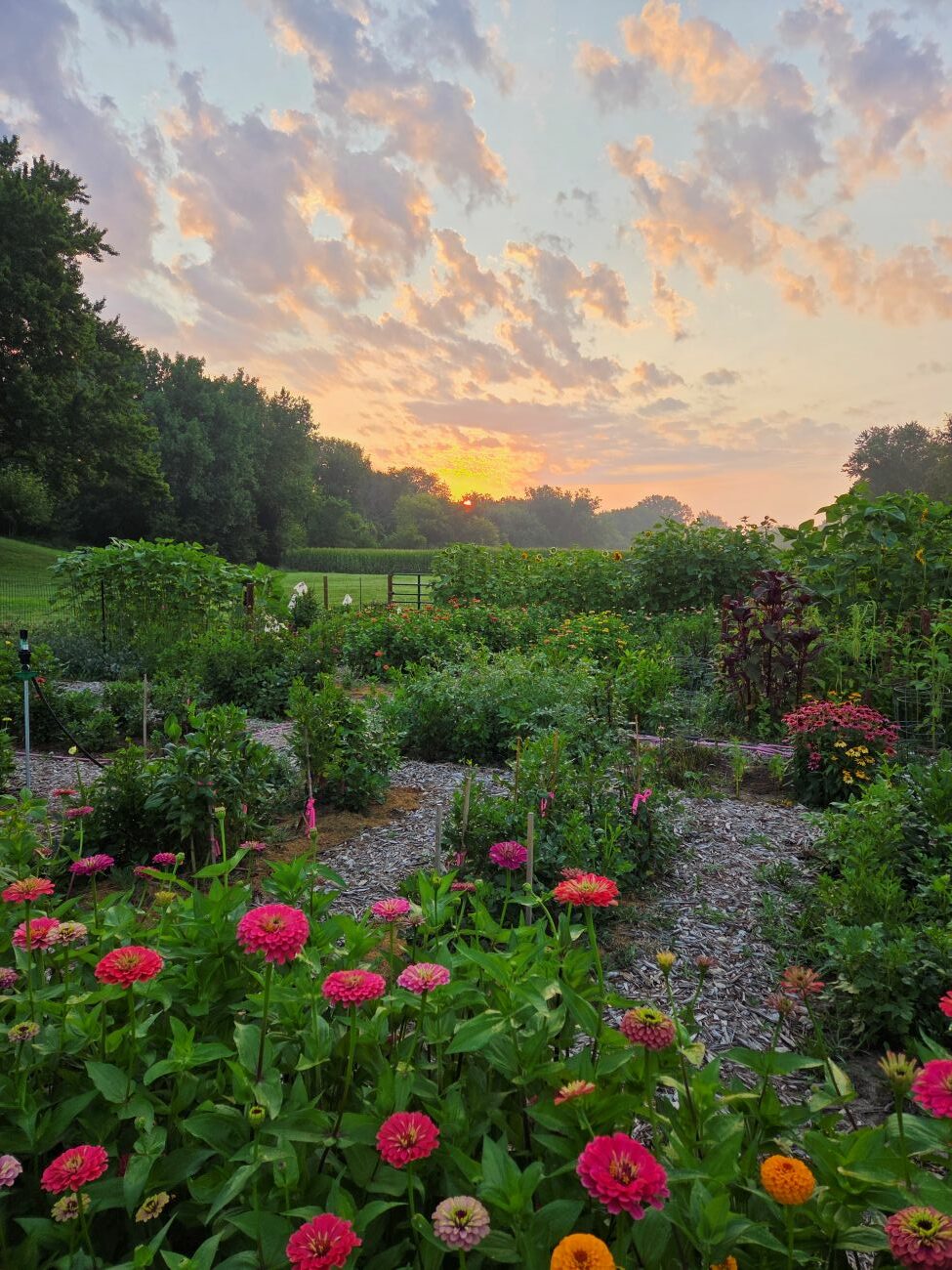
"I spend my Sundays just playing around," she notes. This "play" is an essential component of the artistic process. It is the moment where the horticultural labor meets design. Whether it is an arrangement dedicated to a cultural icon like Dolly Parton or a simple, vibrant bouquet of summer colors, the purpose of the cutting garden is to facilitate connection—between the grower and the land, and between the flowers and the home.
Implications for Future Gardeners
Morgan’s journey offers a roadmap for aspiring gardeners who wish to transition from "gardening for show" to "gardening for use."
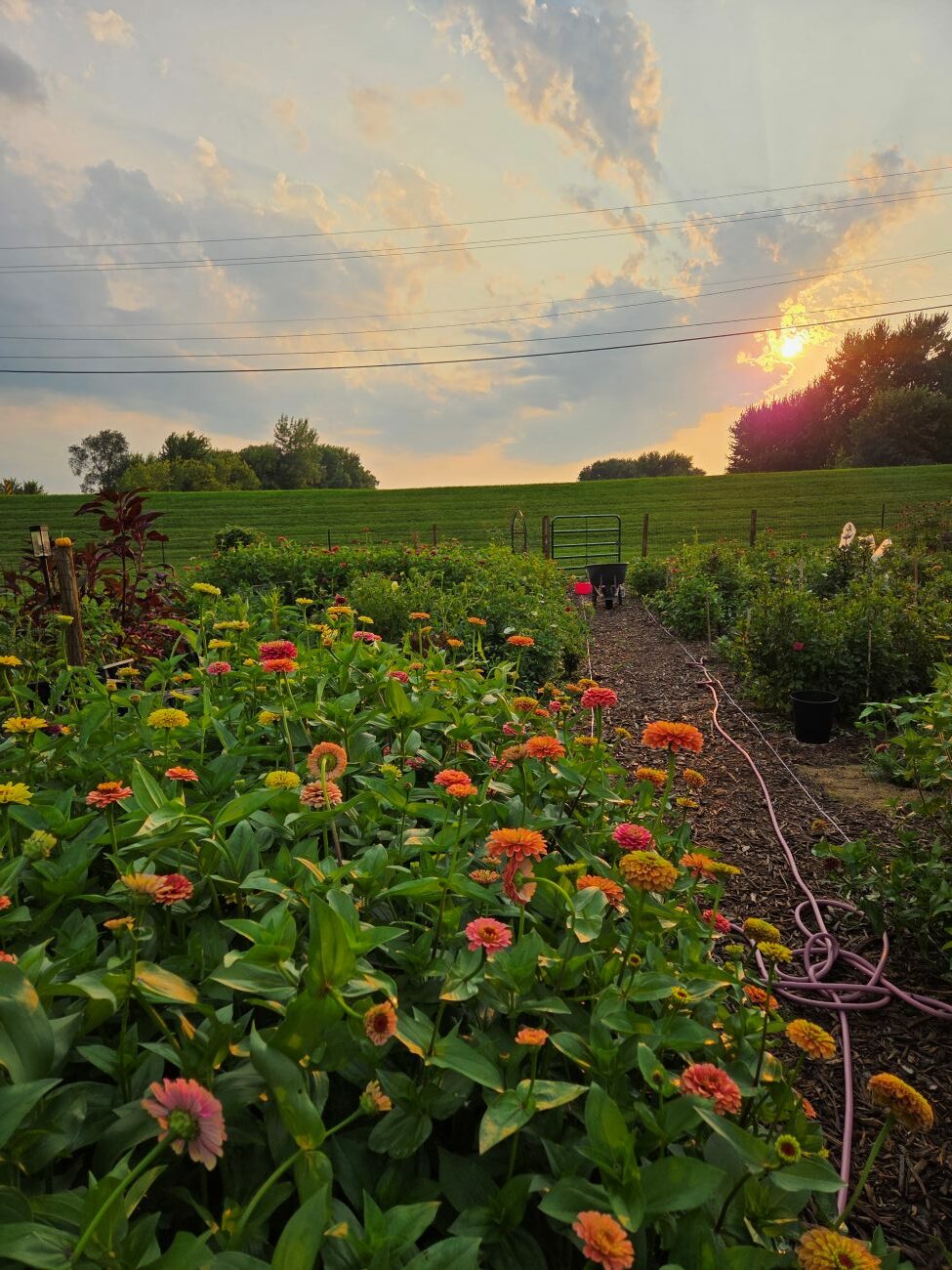
The Scalability of Success
One does not need 5,000 square feet to enjoy the benefits of a cutting garden. Even a small backyard plot or a series of raised beds can provide enough material for weekly arrangements. The key is in the selection of high-yield plants.
Environmental Stewardship
By focusing on local, seasonal flowers, gardeners like Morgan are actively participating in the "Slow Flower" movement. This movement promotes the use of locally grown, seasonal blooms, which significantly reduces the carbon footprint associated with the commercial floral industry—an industry that often relies on international shipping, heavy chemical use, and significant water consumption.
The Therapeutic Value of Gardening
Beyond the environmental and aesthetic benefits, the psychological impact of gardening cannot be overstated. Engaging with the natural world, witnessing the progression of growth from seed to stem, and utilizing the products of one’s own labor are proven methods for stress reduction and mental well-being.
Conclusion
As we look toward the changing of the seasons, the work of gardeners like Morgan serves as a reminder of the beauty inherent in the cycle of life. Her "field of dreams" in Dyersville is not just a place where flowers grow; it is a space where memories are made, skills are honed, and the simple joy of nature is harvested.
For those inspired by this glimpse into the life of a cut-flower grower, the message is clear: the garden is waiting. Whether it is a single row of zinnias or a sprawling field of dahlias, the act of planting, tending, and harvesting is one of the most rewarding experiences a person can undertake. As Morgan’s journey demonstrates, with a little knowledge, a lot of passion, and a commitment to the rhythm of the seasons, anyone can create their own version of a floral paradise.
How to Get Involved: The GPOD Community
Do you have a garden that you are proud of? Whether it’s a sprawling landscape, a collection of rare specimens, or a simple, joyful cutting patch, we want to hear your story. The Garden Photo of the Day (GPOD) series is dedicated to celebrating the diverse talents of gardeners everywhere.

To share your own garden, we encourage you to submit your photos and stories through our official submission form. We are interested in everything: your proudest successes, the lessons learned from your failures, your favorite plant varieties, and the unique stories that make your garden a reflection of your personality. Join our community of growers and share the beauty you’ve cultivated with the world.
Sign up for our newsletter to receive the latest updates, gardening tips, and inspiration directly in your inbox.