Confronting the Silent Pandemic: Global Efforts to Curb Antimicrobial Resistance in the Food Chain

Antimicrobial resistance (AMR) has ascended to the forefront of global public health crises, characterized by the World Health Organization (WHO) as one of the top ten existential threats to humanity in the 21st century. As antibiotic-resistant pathogens continue to evolve and spread, the medical community faces a daunting reality: the potential loss of our ability to treat routine, yet deadly, infections. Beyond the clinical setting, AMR represents a critical food safety challenge, inextricably linked to the agricultural practices that sustain our global food supply.
A landmark 2016 report commissioned by the UK government projected a grim trajectory: by the year 2050, the world could see approximately 300 million premature deaths attributable to drug-resistant infections. As we navigate this "silent pandemic," the intersection of food animal agriculture, laboratory surveillance, and international policy has become the most vital theater for intervention.

The Nexus of Agriculture and AMR: A Global Food Safety Crisis
The excessive and often indiscriminate use of antibiotics in livestock production is widely recognized as a primary driver of AMR. When antibiotics are administered—frequently as growth promoters or preventative measures in crowded, high-stress conditions—they exert selective pressure on bacteria, fostering the development of resistant strains. These bacteria do not remain confined to the farm; they enter the food chain, infiltrate water systems, and eventually reach human populations through consumption, direct contact, or environmental runoff.
A pivotal 2026 review by experts from the Food and Agriculture Organization (FAO) of the United Nations emphasized that addressing AMR in animal agriculture cannot be accomplished through antibiotic stewardship alone. The review argues that stewardship must be paired with stringent hygiene, robust biosecurity, and rigorous contamination controls throughout the entire farm-to-fork continuum. Without these comprehensive safeguards, the efficacy of existing antimicrobials will continue to wane, rendering modern medical interventions—from surgeries to cancer treatments—increasingly hazardous.

Chronology of Intervention: Seven Years of Global Partnership
Recognizing the gravity of the threat, the UK Animal and Plant Health Agency (APHA), in close coordination with the FAO Reference Center for Antimicrobial Resistance and bolstered by the Fleming Fund, launched an ambitious seven-year initiative. The program aimed to bolster the technical capacity of partners across Africa and Asia, regions where the burden of AMR is often compounded by limited laboratory infrastructure and fragmented regulatory oversight.
The Lifecycle of the Initiative (2019–2026)
- 2019: Foundation and Needs Assessment. The program began by identifying the specific diagnostic and surveillance gaps within participating nations. This phase established the baseline for laboratory capabilities and identified the most pressing pathogen threats.
- 2020–2022: Strengthening Laboratory Infrastructure. As the world grappled with the COVID-19 pandemic, the initiative pivoted to ensure that AMR surveillance remained a priority. Investments were directed toward essential equipment, cold-chain logistics, and standardized diagnostic protocols.
- 2023–2025: Knowledge Transfer and Policy Integration. The program focused on human capital, providing intensive training for local scientists and laboratory technicians. This period also saw the development of national AMR action plans, integrating laboratory data into local policy decision-making.
- 2026: Conclusion and Legacy. The Fleming Fund support concluded in March 2026. While the primary funding cycle ended, the UK FAO Reference Center for Antimicrobial Resistance transitioned into a sustainment phase, ensuring the infrastructure developed over the previous years remains operational.
Supporting Data: Why Surveillance Matters
The efficacy of the APHA/FAO program relies heavily on the quality of surveillance data. In many regions, the absence of standardized testing means that AMR is often underreported or incorrectly identified. The program focused on three key pillars to bridge this data gap:
- Standardization of Protocols: By implementing harmonized diagnostic methods, the program ensured that data collected in one region could be compared with data from another, providing a clearer picture of resistant pathogen movement.
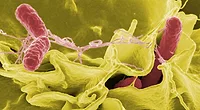
- Laboratory Quality Assurance: The initiative established rigorous proficiency testing, ensuring that laboratories could reliably identify specific resistance genes, such as those responsible for multi-drug resistant Salmonella and Campylobacter.
- Data Digitization: Moving away from paper-based tracking, the program facilitated the transition to digital data management systems, allowing for real-time monitoring and faster responses to emerging resistant clusters.
Official Perspectives and Lessons Learned
As the APHA reflected on the conclusion of the seven-year program, they highlighted several critical "lessons learned" that are destined to shape future international development projects. The agency noted that the success of AMR mitigation is rarely about equipment alone; it is about the "human and institutional ecosystem."
The Three Pillars of Sustainability
According to the APHA, the most significant takeaways from the program include:

- Long-Term Partnerships: The "project-based" mentality often fails in the context of AMR. True impact required a seven-year commitment, which allowed for the building of trust and the deep integration of practices into the daily operations of local laboratories.
- Hands-On, In-Country Support: Remote guidance proved insufficient. The presence of international experts on the ground—working side-by-side with local staff—accelerated the learning curve and ensured that technical nuances were properly understood and implemented.
- Infrastructure and Supply Chain Reliability: Even the most sophisticated laboratory is rendered useless by a broken supply chain. The program demonstrated that sustainable improvements are impossible without a reliable, stable supply of reagents, PPE, and technical maintenance services.
Implications for the Global Food Industry
The implications of this work extend far beyond the laboratory. For the food industry, the message is clear: the era of "antibiotic-as-usual" is coming to an end. Regulatory bodies globally are beginning to adopt stricter requirements for antimicrobial usage in agriculture, and consumer demand for "raised without antibiotics" products is shifting from a niche market to a mainstream expectation.
The Future of Contamination Control
Moving forward, the industry must prioritize:

- Biosecurity as a Front-Line Defense: Investing in farm-level biosecurity—preventing the introduction of pathogens in the first place—is the most cost-effective way to reduce the need for antibiotics.
- Supply Chain Transparency: Large food processors are increasingly auditing their suppliers for AMR monitoring practices. Transparency in data reporting is becoming a prerequisite for market entry.
- Collaborative Innovation: The success of the APHA/FAO model suggests that private-public partnerships are the most viable pathway for scaling these initiatives. Food companies, NGOs, and governments must work in concert to create a "surveillance net" that spans the globe.
Conclusion: A Sustained Commitment
While the Fleming Fund’s direct support has concluded, the work of the UK FAO Reference Center for Antimicrobial Resistance continues. The "silent pandemic" does not pause for funding cycles, and the global community must remain vigilant. The seven-year program serves as a proof of concept: that with the right combination of technical investment, international cooperation, and a focus on long-term sustainability, we can significantly improve our detection and mitigation of antimicrobial resistance.
The challenge now is to scale these regional successes to a global level. As we look toward 2050, the legacy of this program will be measured not just in laboratory equipment delivered or technicians trained, but in the lives saved because we acted in time to preserve the miracle of modern medicine. For the food industry, the mandate is clear: hygiene, surveillance, and responsible stewardship are no longer optional—they are the bedrock upon which the future of food safety and public health will be built.