The Art of the Speculoos: Recreating the Iconic Biscoff Cookie, Gluten-Free
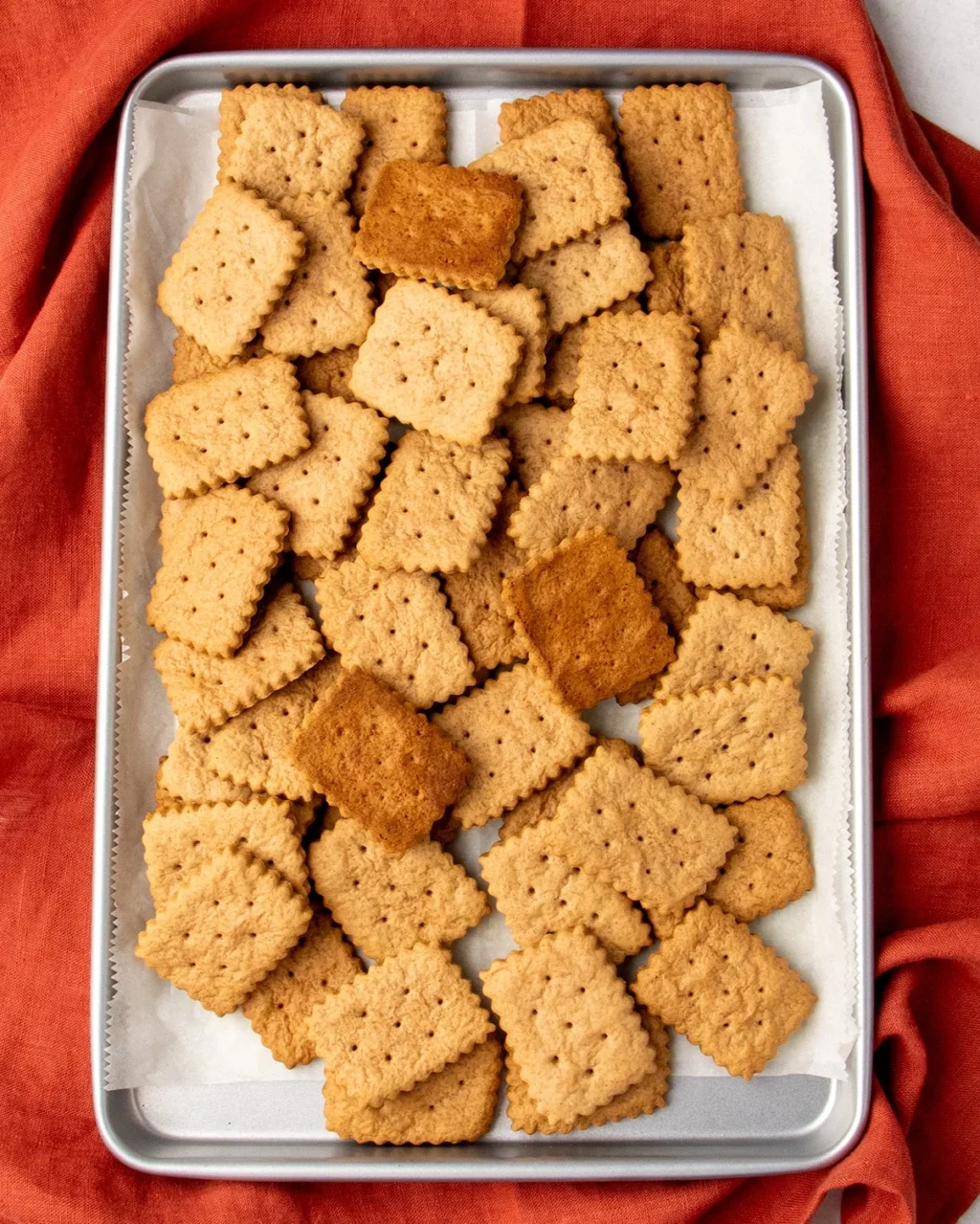
For decades, the Lotus Biscoff cookie has maintained a cult-like following. Originally hailing from the town of Lembeke, Belgium, in 1932, these thin, caramelized, spice-forward biscuits—known globally as speculoos—have become synonymous with airline snacks and coffee pairings. Yet, for the millions of individuals navigating celiac disease or gluten sensitivity, the pleasure of that signature snap and deep, brown-sugar-forward flavor has long been relegated to the category of "forbidden treats."
While the gluten-free snack market has exploded in recent years, Lotus Bakeries has yet to release a dedicated gluten-free version of their world-famous biscuit. Filling this void, food expert and author Nicole Hunn of Gluten Free on a Shoestring has developed a method to recreate these elusive cookies at home. Her approach bridges the gap between artisanal baking and the accessibility of a standard kitchen pantry, proving that one does not need industrial equipment to replicate a global icon.
Main Facts: The Anatomy of a Gluten-Free Biscoff
At its core, a Biscoff cookie is defined by a delicate balance of caramelization, warmth, and structural integrity. To replicate this without wheat flour, the recipe relies on a precise synergy of ingredients:
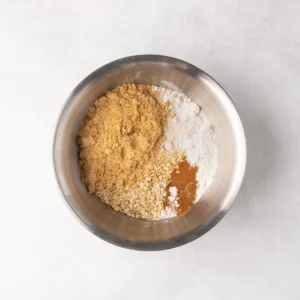
- The Spice Profile: The hallmark of any speculoos cookie is the complex blend of cinnamon, nutmeg, allspice, cardamom, and cloves. These are not merely background notes; they are the primary architects of the cookie’s flavor profile.
- The Binder: Because gluten is absent, the structural backbone is provided by a high-quality gluten-free flour blend—specifically those formulated for all-purpose baking—supplemented with xanthan gum to provide the necessary elasticity.
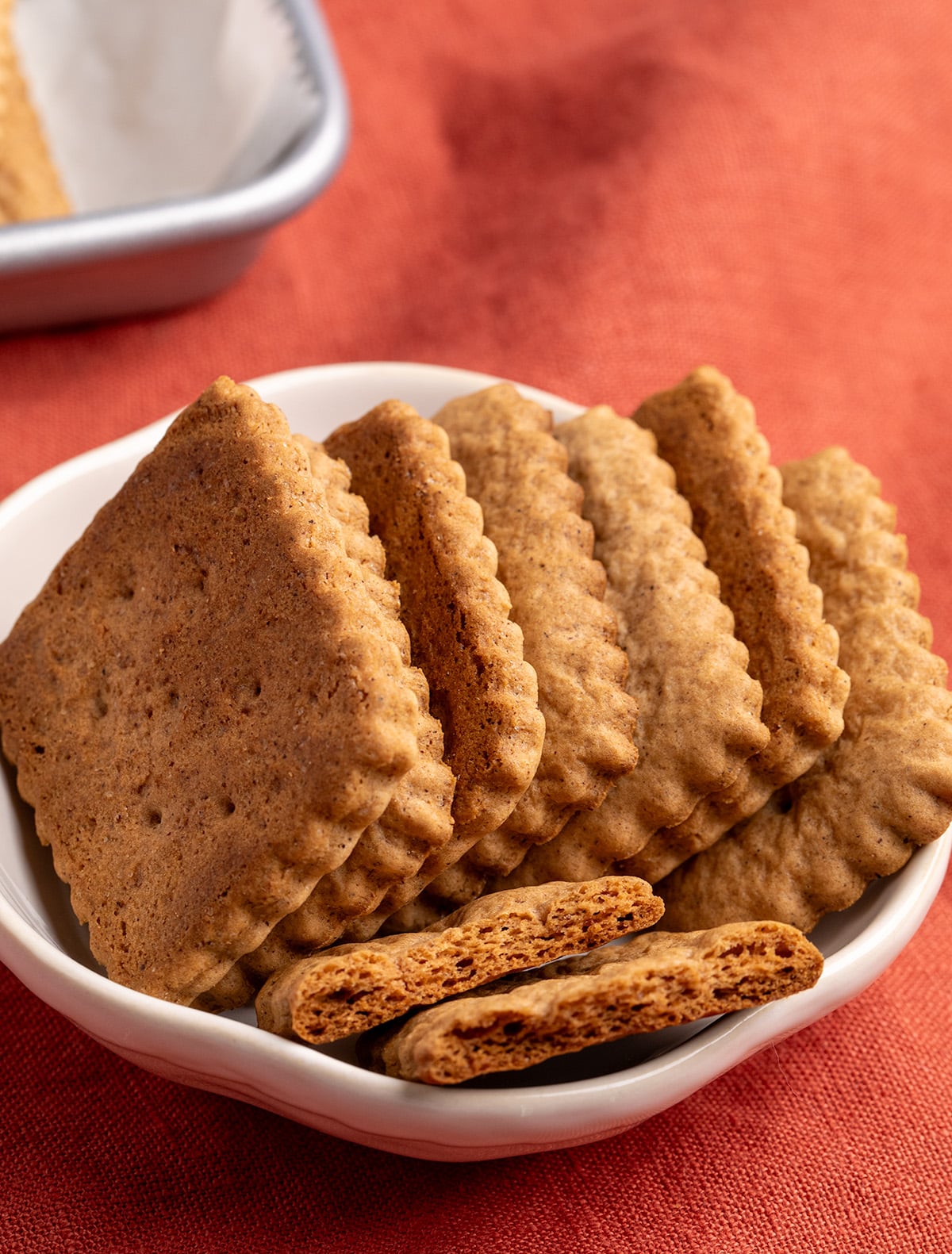
- The Texture: The recipe utilizes a combination of brown and white sugars alongside honey. The honey is critical; it contributes to the signature deep, caramelized hue and the final "snap" that defines a classic Biscoff.
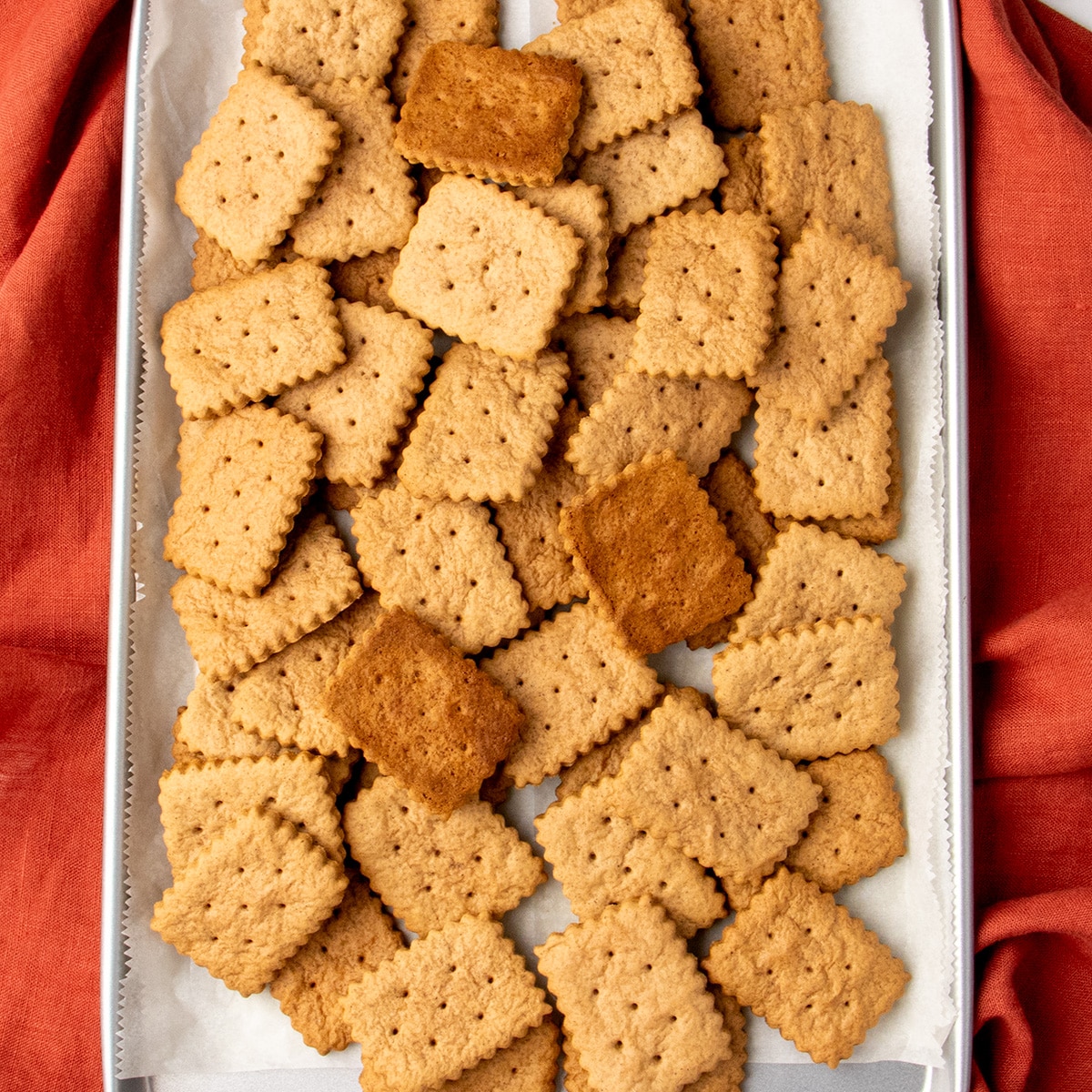
- The Method: Unlike traditional shortbreads or sugar cookies that require extensive creaming of butter and eggs, this dough is an egg-free, one-bowl affair. It is designed to be rolled thin—the secret to achieving the quintessential crispy, wafer-like finish.
Chronology: The Evolution of the Recipe
The development of this recipe followed a rigorous testing cycle, mirroring the historical evolution of the original Belgian cookie.
- The Formulation Phase: Initial attempts focused on replicating the moisture content of the original. Traditional speculoos dough is notoriously temperamental. By eliminating eggs, the recipe developer opted for a water-based hydration system, which allows the flour blend to hydrate more uniformly without the interference of proteins found in eggs.
- The Texture Trial: Early iterations suffered from either too much softness (rendering them cake-like) or excessive brittleness. The breakthrough came through the introduction of a "coarse sand" mixing technique, where cold butter is worked into the dry ingredients by hand until the texture is uniform, preventing the butter from creating pockets that might cause the cookie to puff rather than crisp.
- Refinement of Technique: The final steps—rolling the dough to a precise 1/8-inch thickness and using a toothpick to create small air-escape holes—were codified to ensure uniform heat distribution. These holes mimic the industrial docker pins used in commercial manufacturing to keep the cookies flat and crisp.
Supporting Data: Understanding the Chemistry
For home bakers, the transition to gluten-free baking often feels like chemistry rather than cooking. Understanding the variables involved in this specific recipe can prevent common pitfalls.
Flour Blend Performance
The choice of flour is the most significant variable. According to testing data provided by the developer, the recipe performs optimally with Better Batter original blend or Nicole’s Best multipurpose blend. If using Bob’s Red Mill 1-to-1, an additional 1/4 teaspoon of xanthan gum is required. This is because many commercial blends are formulated for cake or muffin textures, which are too loose for a thin, rolled cookie.
Nutritional Profile
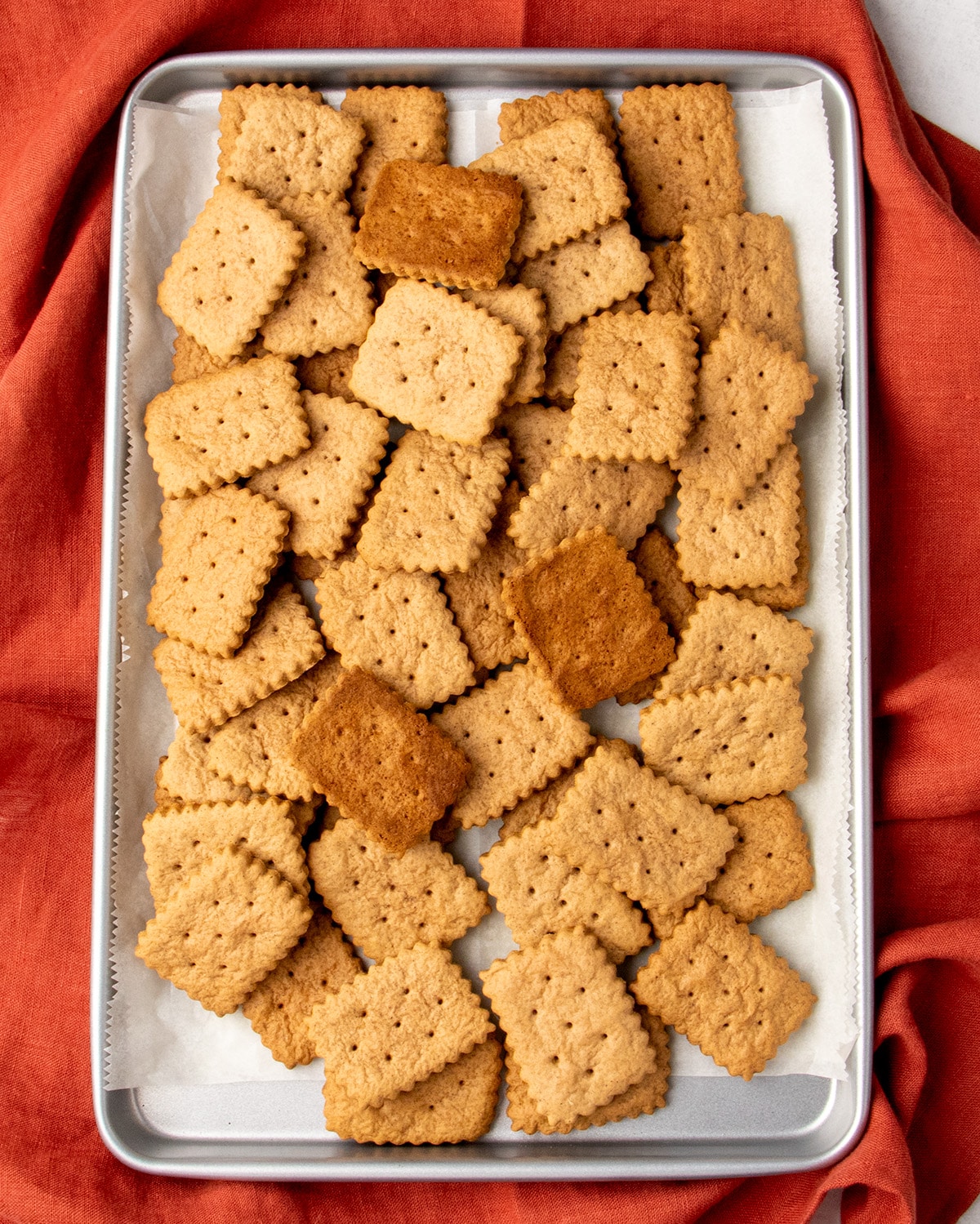
Each serving (approximately one cookie) contains roughly 37 calories, 7 grams of carbohydrates, and less than 1 gram of protein. While these cookies are a treat, the data shows they are significantly lower in heavy fats than traditional buttery shortbreads, relying on the chemical reaction between the brown sugar and honey for flavor rather than saturated fat density.
The Role of Storage
Because these cookies are thin, they are highly hygroscopic—meaning they easily absorb moisture from the surrounding air. The data suggests that storing them in plastic leads to rapid softening. To maintain the "snap" for the full two-week shelf life, glass storage is mandatory. For long-term preservation, freezing in tempered glass with minimal headspace is the only method that effectively halts the degradation of the starch structures.
Official Guidelines: Ingredient Substitutions
To accommodate diverse dietary requirements beyond gluten intolerance, the following modifications have been validated:
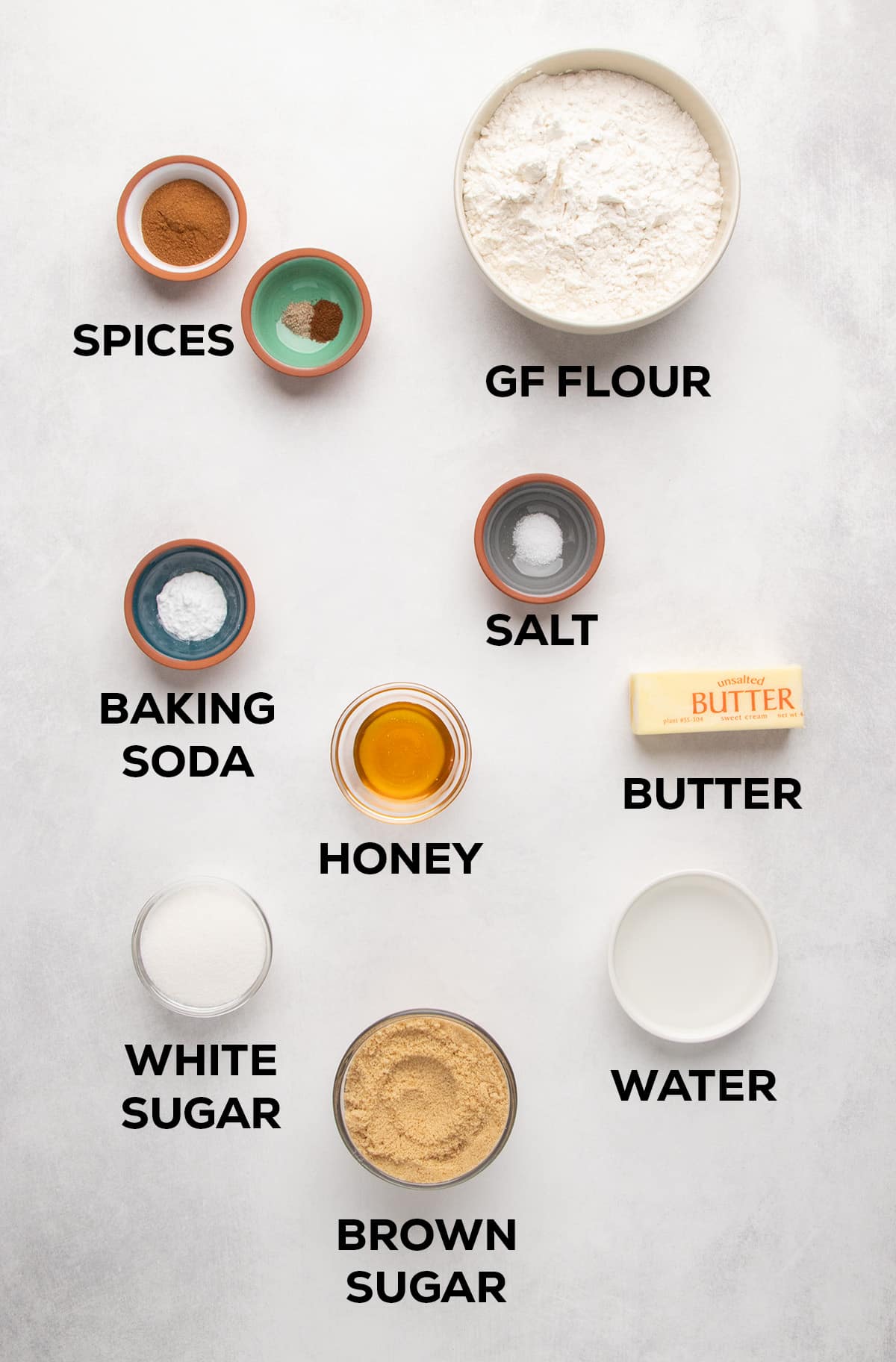
- Dairy-Free Adaptation: Using block-style vegan butter (such as Miyoko’s) is a viable substitute. However, bakers should be aware that the water content in vegan butter varies compared to dairy butter. If the dough feels "short" or prone to crumbling, an additional teaspoon of water may be necessary to bind the crumb.
- Sweetener Swaps: Maple syrup can replace honey for those avoiding bee products. Because maple syrup has a different sugar-to-water ratio than honey, bakers should expect a slightly different rate of browning and may need to adjust the bake time by 1–2 minutes.
- Spice Adjustments: For bakers looking for a more streamlined approach, apple pie spice (2 teaspoons) serves as a suitable shortcut for the individual spice measurements, providing a similar warmth without the need for five separate jars.
Implications: A New Era for Gluten-Free Snacks
The emergence of this "home-brew" Biscoff highlights a broader trend in the culinary world: the democratization of high-end snacking.
The Rise of the "Copycat" Movement
The inability of major manufacturers to address the niche needs of the gluten-free community has spurred a wave of "DIY-innovation." By providing professional-grade recipes that mimic store-bought favorites, content creators are not just sharing instructions; they are providing a sense of normalcy for those who have spent years feeling excluded from the snack aisle.
Economic and Culinary Impact
Making these cookies at home is significantly more cost-effective than importing specialized gluten-free biscuits, which often retail at a 200–300% markup compared to standard snacks. Beyond the financial implications, there is a culinary satisfaction in the process. The "Biscoff Spread" derivative recipe—which involves blending the finished cookies with shortening and sugar—demonstrates the versatility of this base. It suggests that once a foundational recipe is mastered, it becomes a platform for further culinary exploration, such as cookie butter cheesecakes or sandwich cookies with buttercream centers.
The Future of Gluten-Free Baking
As more home bakers gain confidence in working with gluten-free flours, the demand for "good enough" is fading. The success of this recipe lies in its refusal to compromise on texture. By emphasizing the "snap," the "spice," and the "caramelization," it sets a new benchmark for what gluten-free, allergy-friendly baking can achieve.
In conclusion, while we wait for the mass-market brands to catch up, the kitchen remains the most potent lab for dietary innovation. These gluten-free Biscoff cookies are more than just a snack; they are a testament to the fact that with the right technique, no flavor profile is truly out of reach. Whether you are baking for a celiac-friendly gathering or simply seeking the nostalgic comfort of a Belgian spice cookie, this recipe offers a path to rediscovering a classic, one crisp, perfectly-spiced bite at a time.