The Grip Dilemma: A Comprehensive Review of the Latest MagSafe Accessories
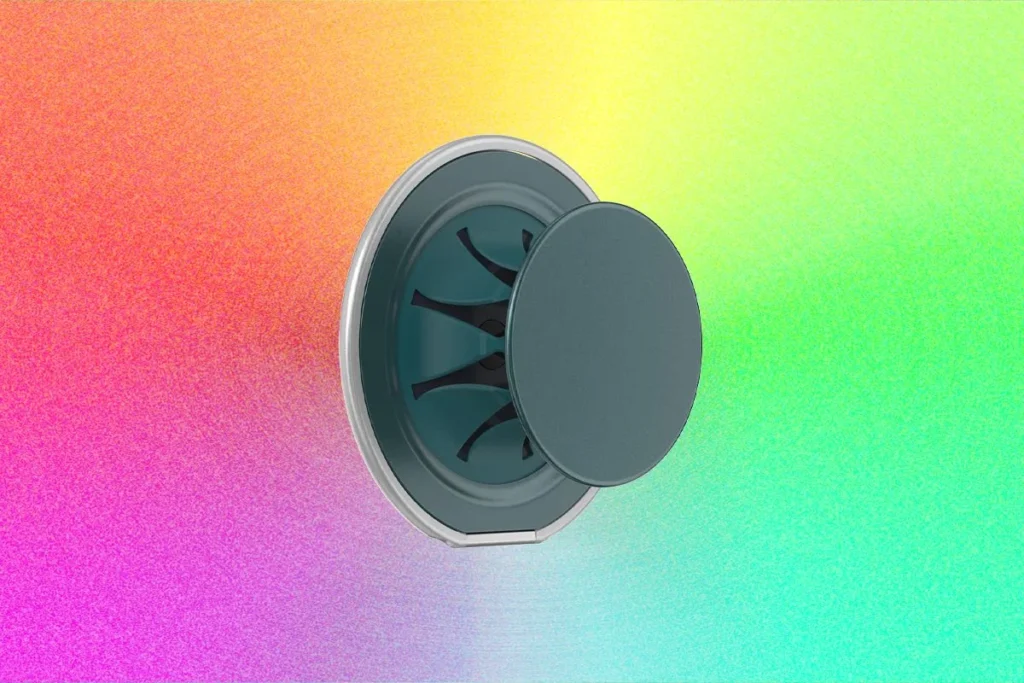
The rise of Apple’s MagSafe ecosystem has transformed the smartphone accessory market, turning the back of our devices into a modular playground. Among the most popular additions are MagSafe grips—devices designed to provide a secure hold, kickstand functionality, or specialized mounting capabilities. However, as the market becomes flooded with options, the line between essential utility and frustrating clutter has become increasingly blurred.
This report evaluates several leading contenders currently available, examining their design, reliability, and practical day-to-day performance.
The Landscape of MagSafe Connectivity
Since the introduction of MagSafe in 2020, magnetic accessories have evolved from simple chargers to intricate mechanical tools. The current generation of grips aims to solve the ergonomic challenge of modern, large-screen smartphones. Whether you are seeking a way to prop your device up for media consumption or a secure finger loop to prevent drops, the engineering behind these products is critical.
The Contenders: A Detailed Analysis
Spigen OM104 MagSafe Phone Grip
The Spigen OM104 represents a robust attempt to blend a phone grip with a functional kickstand. Constructed from premium metal and utilizing a flexible nylon strap, it feels like a high-quality accessory upon first touch.
- Performance: The dual-magnet system provides a strong connection that inspires confidence. The nylon strap remains soft and comfortable even after extensive use.
- The Flaw: Despite its build quality, the OM104 suffers from a significant design oversight. The nylon strap is physically longer than the chassis of the grip itself. Consequently, when the kickstand is closed, the strap frequently gets pinched within the mechanism, preventing the stand from folding flush against the phone. For users who frequently slide their device into tight pockets, this leads to consistent snagging and premature wear.
Casely MagRing and MagRing+
Departing from the cold, industrial feel of metal accessories, the Casely MagRing utilizes soft silicone. This material choice provides a distinct tactile advantage, proving far gentler on the fingers during prolonged use.
- Functionality: The 360-degree swivel allows for highly customizable angles, which is a major win for ergonomics.
- Limitations: This is a pure-play grip; it lacks any integrated kickstand capabilities. Furthermore, because the unit does not fold, the phone cannot sit perfectly flat on a table.
- The MagRing+ Variation: This model introduces a ring clip for keys. While potentially useful for gym-goers or quick errand runners, it adds bulk that some users may find unnecessary. Notably, as of this reporting, the availability of these products appears to be waning, suggesting a potential phase-out of the current lineup.
Smartish Wallflower
The Wallflower takes a unique approach to the "grip" category by focusing on surface adhesion. Using a series of seven small, flower-shaped suction cups, it allows users to temporarily mount their phones to vertical surfaces like mirrors or cabinets.
- Utility: The effectiveness of the Wallflower is highly dependent on the device’s weight. While it holds an iPhone 17 securely against drywall, it struggles under the weight of an iPhone 15 Pro Max when applied to slicker, less porous surfaces like particleboard cabinets. It is a niche, clever tool, though it lacks the all-around utility of a traditional finger-loop grip.
Products to Avoid: Design Failures
Not all MagSafe innovations are improvements. In our testing, several products failed to meet the baseline expectations for security and ease of use.
OhSnap! Snap Grip
The OhSnap! marketing hinges on its low-profile design and the ability to keep other MagSafe accessories in play. However, the logic is flawed: if a grip is designed to be removed to accommodate other accessories, it is arguably adding a layer of friction rather than convenience.
- Reliability Issues: Most critically, the grip feels insecure. The magnetic attachment is often prone to detaching when removing the phone from a pocket or a bag. In several instances, the grip would remain stuck to other surfaces rather than the phone itself, rendering it a liability rather than a tool for stability.
PopSockets Low-Pro Grip and Stand
Once the gold standard for phone grips, the new "Low-Pro" entry from PopSockets falls short. The structural integrity of the material is questionable, feeling noticeably "floppy" in practice.
- Ergonomic Failure: A grip should minimize hand strain, but the PopSockets Low-Pro requires the user to exert extra force to compensate for its instability. Furthermore, the difficulty of one-handed deployment makes it an accessory that complicates, rather than simplifies, the user experience.
Chronology of Market Development
The evolution of these accessories follows a clear timeline:
- 2020–2021: Initial phase, dominated by first-party Apple wallets and basic chargers.
- 2022: The "Kickstand Era," where manufacturers integrated hinges into grips to satisfy the growing demand for media viewing.
- 2023–2024: The "Experimental Phase," characterized by materials like silicone, suction-based mounting (Smartish), and specialized utility clips (MagRing+).
Supporting Data: What Defines a Good Grip?
Based on our comparative testing, three key metrics define the viability of a MagSafe grip:
- Magnetic Gauss Strength: The grip must withstand a "pocket pull test" without shifting.
- Profile-to-Functionality Ratio: If a grip prevents a phone from lying flat, it must offer superior ergonomic comfort (as seen with the Casely MagRing).
- Deployment Speed: A grip that requires two hands to open or adjust fails the primary requirement of a mobile accessory.
Official Responses and Industry Outlook
While manufacturers such as Spigen and Casely remain focused on design refinements, the industry is currently grappling with a "magnet war." As third-party accessories continue to compete with Apple’s internal standards, consumers are seeing a rise in "weak" magnetic seals.
A spokesperson for a leading third-party accessory brand noted, "The challenge is balancing the strength of the magnet with the ease of removal. Users want a grip that stays put, but they also want to be able to slap a MagSafe battery pack on instantly. Achieving that duality is the current ‘holy grail’ of mobile engineering."
Implications for the Consumer
The takeaway for the average user is clear: Functionality often comes at the cost of form.
If you prioritize comfort, the silicone-based options provide the best tactile experience, but you must be prepared to sacrifice the ability to lay your phone flat. If you prioritize utility, a mechanical grip with a kickstand (like the Spigen OM104) is excellent, provided you are willing to navigate the design quirks associated with its strap.
As the smartphone market continues to trend toward larger, heavier devices, the importance of a secure, reliable grip will only increase. However, consumers should be wary of ultra-thin, low-profile designs that prioritize aesthetics over mechanical security. In the world of MagSafe, a loose grip is not just an inconvenience—it is an invitation to a dropped, damaged, or shattered device.
Final Recommendation
When shopping for a MagSafe grip, prioritize:
- Solid mechanical hinges that do not droop.
- High-friction materials that won’t slide out of your hand.
- Simple attachment points that don’t inadvertently stick to car mounts or clothing.
While the market is currently saturated with "good enough" products, the truly essential accessories are those that disappear into the background of your user experience—providing security without requiring a second thought or a second hand to operate.