The Art of the Rustic Bake: Mastering the Gluten-Free Strawberry Galette
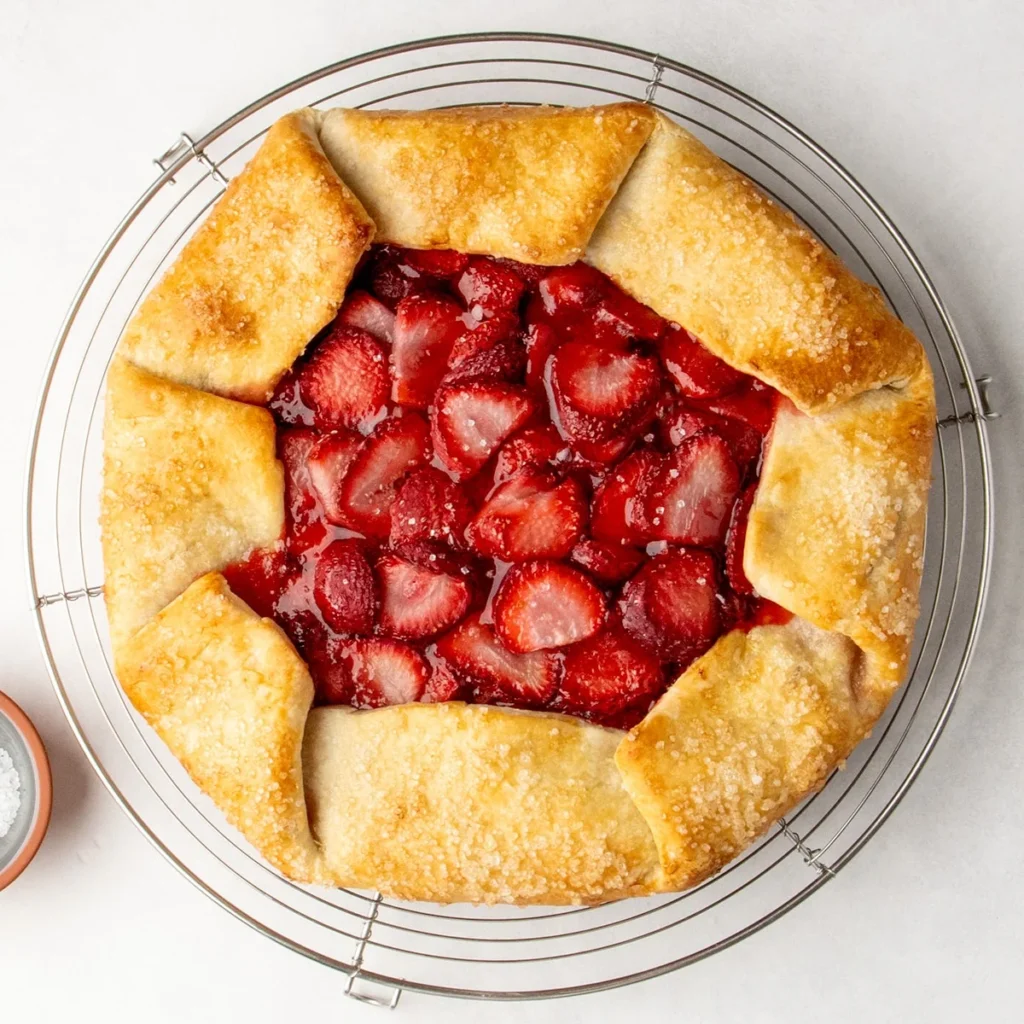
In the world of professional pastry, the galette occupies a unique space: it is the sophisticated cousin of the traditional fruit pie, stripped of the rigid requirements of a pie tin and celebrated for its intentional, "imperfect" aesthetic. For those navigating the complexities of a gluten-free diet, the galette offers a breakthrough—a way to achieve a buttery, flaky crust without the structural anxiety often associated with rolling out traditional double-crust pies.
This guide explores the mechanics behind the ultimate gluten-free strawberry galette, a recipe that balances the natural, vibrant acidity of fresh summer berries with a robust, golden pastry. Whether you are a seasoned baker or someone new to the gluten-free kitchen, understanding the interplay of temperature, starch, and technique is the key to creating a dessert that stands toe-to-toe with its wheat-based counterparts.
Main Facts: The Anatomy of a Perfect Galette
At its core, a galette is a free-form tart. Unlike a pie, which requires a vessel for support, the galette relies on a thicker crust and a specific folding technique to contain its filling. The recipe presented here focuses on three pillars of success:
- The Cold-Butter Technique: The secret to a flaky crust lies in the physical state of the butter. By pressing cold butter into shards within the flour mixture, bakers create discrete layers that, when baked, turn into steam-filled pockets.
- The Moisture Barrier: A common failure in gluten-free baking is the "soggy bottom." By brushing the base with a thin layer of honey and utilizing tapioca starch to thicken the berry juices, the crust remains crisp even while the center develops a glossy, jam-like consistency.
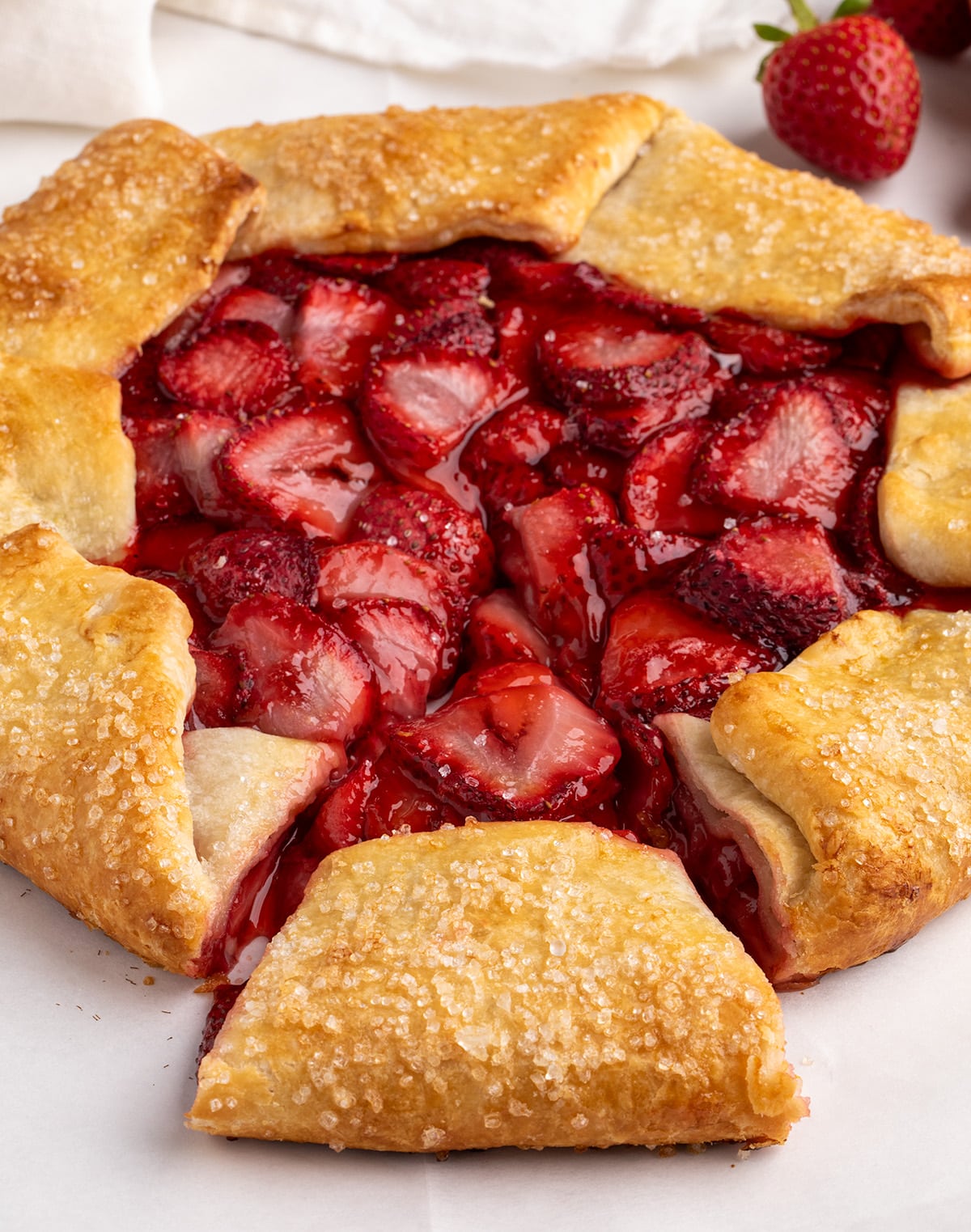
- The Folding Method: The rustic beauty of the galette is intentional. By rolling the dough into a 13-to-14-inch round and pleating the edges over the fruit, the baker creates a structural rim that prevents leaks while allowing the center to bake evenly.
Chronology: A Step-by-Step Culinary Process
Achieving professional results requires a disciplined approach to the timeline of the dough. The process is not merely about mixing ingredients; it is about managing the temperature of the fats and the hydration of the starches.

Phase 1: The Foundation
The process begins with whisking the dry ingredients—specifically a high-quality gluten-free flour blend, baking powder, and salt. The inclusion of xanthan gum is vital if the blend does not already contain it, as this provides the necessary elasticity usually missing in wheat-free flours. Once the butter is incorporated into flat shards, ice-cold water is added sparingly. The dough should be handled until it just holds together; over-mixing at this stage will result in a tough, unappealing crust.
Phase 2: The Tempering
Once formed into a disk, the dough must be chilled for at least 30 minutes. This rest period is non-negotiable. It allows the flour to hydrate fully and the butter to re-solidify, ensuring that the crust maintains its shape during the transition to the oven.
Phase 3: Filling and Assembly
While the dough rests, the strawberries are prepared. Thick slices are essential to maintain texture. A blend of granulated sugar, a touch of vinegar (which brightens the fruit profile), and tapioca starch is tossed with the berries. This mixture is then allowed to macerate, ensuring the starch has time to hydrate and the berries release their excess juices, which the starch will eventually turn into a thickened syrup.
Phase 4: The Final Chill
After the galette is shaped and filled, it is essential to return it to the refrigerator. This "final chill" ensures that the butter is at its coldest point when it hits the heat of the oven, resulting in maximum lift and flakiness.
Supporting Data: Why This Method Succeeds
The nutritional profile and chemical reactions in this recipe highlight why it works. With approximately 320 calories per slice, the galette is a dense, satisfying dessert. The chemical success is largely due to the use of tapioca starch. Unlike cornstarch, which can sometimes turn cloudy or "gluey," tapioca starch provides a transparent, elegant sheen to fruit fillings.
Furthermore, the choice of a 1/4-inch crust thickness is a strategic decision. Because the galette lacks the support of a pie pan, a slightly thicker base acts as a heat shield, preventing the bottom from burning before the top is golden and the fruit has finished softening.
Expert Perspectives and Professional Tips
Nicole Hunn, a recognized expert in gluten-free culinary arts, emphasizes that "good, for gluten-free" is no longer an acceptable standard. Her approach relies on high-quality flour blends, such as Better Batter or Bob’s Red Mill 1-to-1, to replicate the protein structure of wheat.
Key insights for the home baker include:
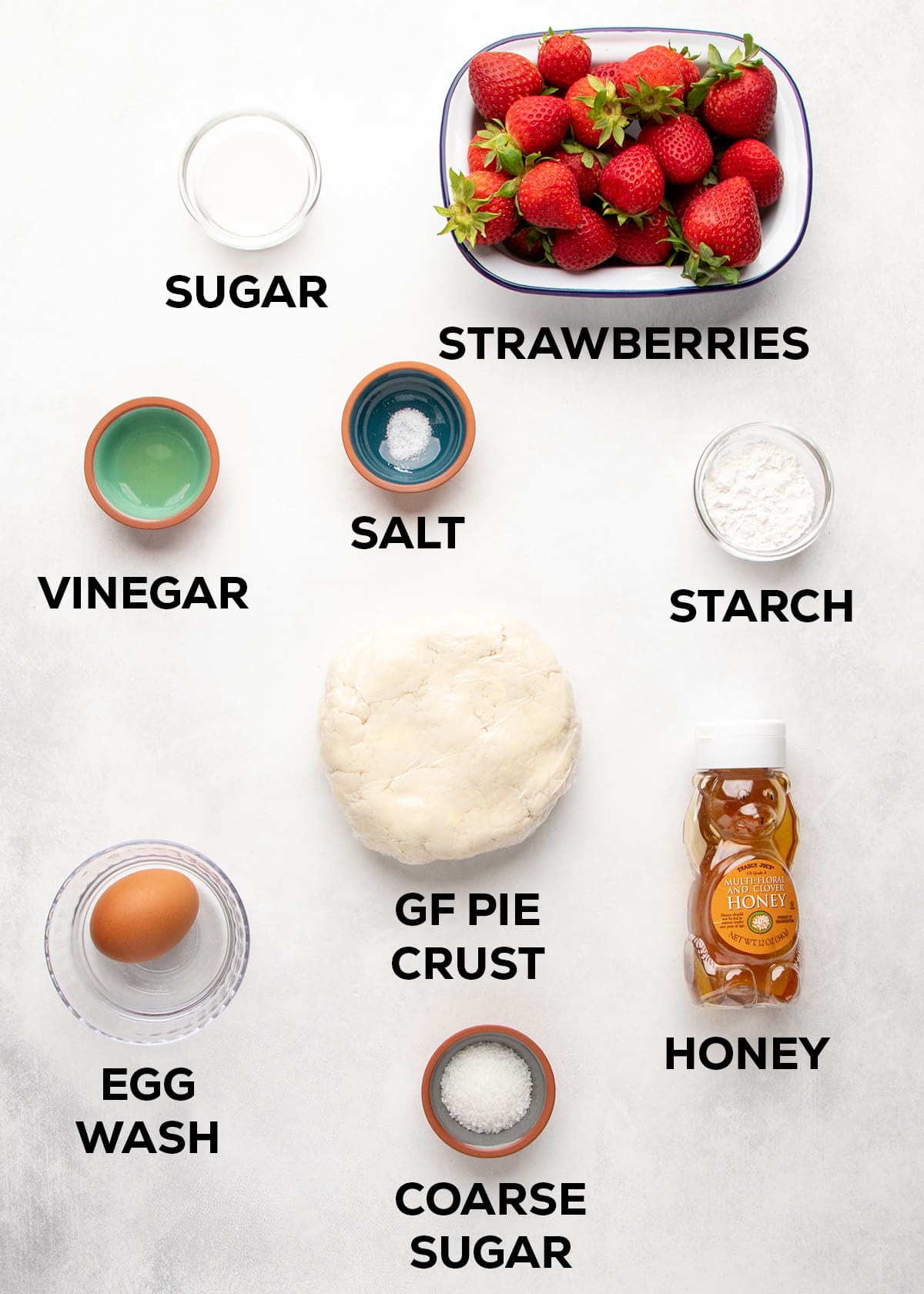
- Adjusting for Fruit Ripeness: If berries are exceptionally sweet, reduce the sugar. If they are tart or slightly out of season, increase the sugar to balance the acidity.
- Preventing Cracks: When rolling out the dough after a long chill, let it sit at room temperature for 15 minutes. This prevents the dough from fracturing under the pressure of the rolling pin.
- The Power of the Egg Wash: The egg wash is not merely for aesthetics; the proteins in the egg facilitate the Maillard reaction, giving the crust a deep, rich, golden-brown color and a satisfying crunch.
Implications for Gluten-Free Baking
The success of this recipe has broader implications for those with dietary restrictions. It demonstrates that with the right technique, the limitations of gluten-free ingredients can be mitigated.
Ingredient Versatility
This recipe is highly adaptable. While strawberries are the focus, the methodology applies to a wide range of fruits. Stone fruits like peaches or nectarines offer a similar texture profile, while harder fruits like apples require thinner slicing to ensure they cook through within the 35-minute window.
Dietary Flexibility
For those who are also dairy-free, the recipe can be modified by substituting the butter for a high-quality block-style vegan butter or a combination of shortening and plant-based fat. This highlights a shift in the culinary landscape: recipes are becoming increasingly modular, allowing for greater inclusivity without sacrificing the integrity of the final product.
Storage and Preservation
The galette is remarkably shelf-stable if handled correctly. Because it can be assembled and frozen raw, it serves as an excellent "emergency" dessert for hosting. Freezing the galette on the baking sheet before wrapping it ensures it retains its shape. When ready to serve, baking it directly from the freezer—adding only a few minutes to the total time—results in a fresh-from-the-oven experience that is indistinguishable from one made the same day.
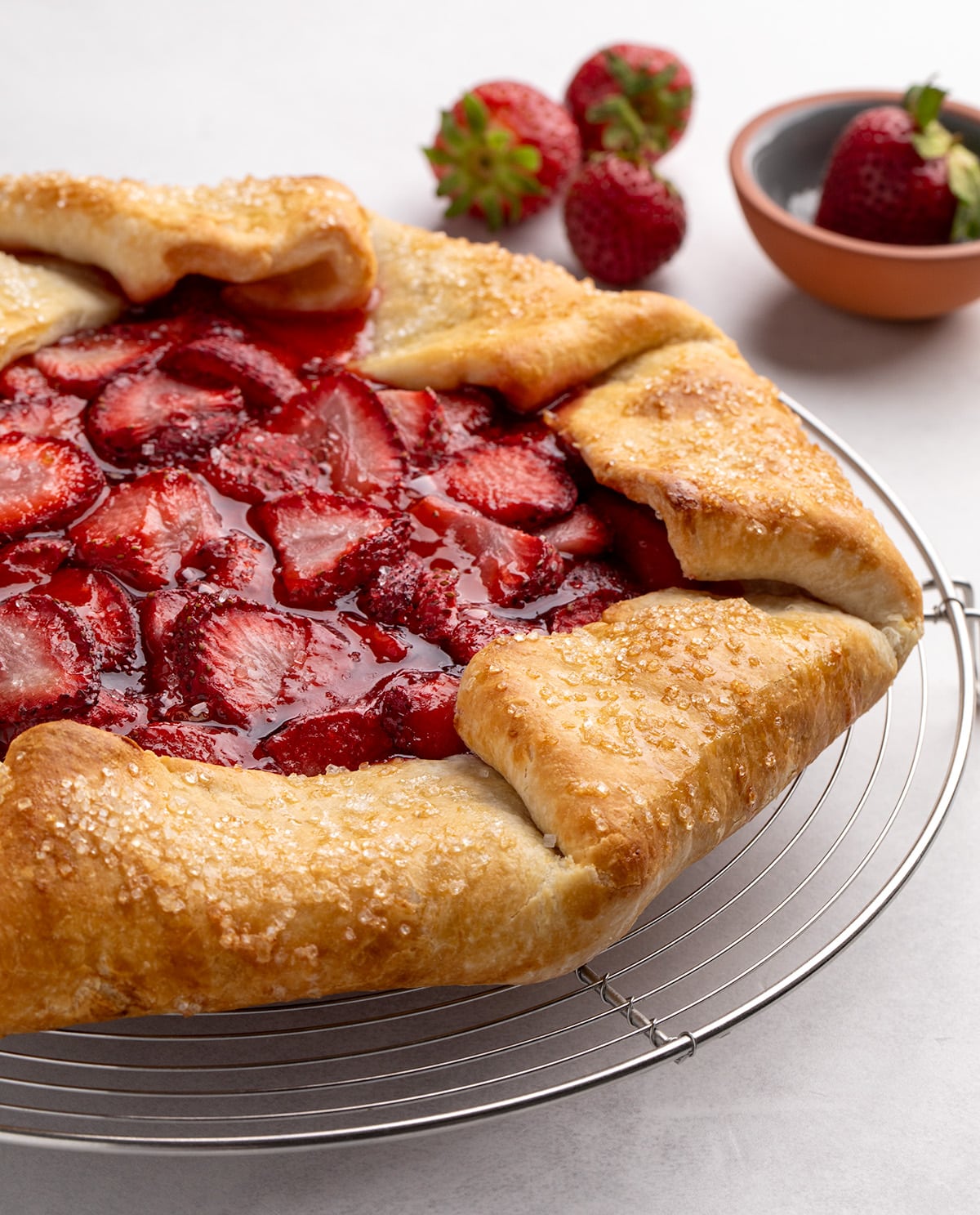
By mastering the balance of technique, ingredient quality, and patience, the home baker can turn a simple collection of berries and flour into a centerpiece that defies the stigma often associated with gluten-free pastry. This recipe serves as a reminder that the best baking is not about following a rigid path, but about understanding the ingredients well enough to guide them into something truly spectacular.