The Science of Perfection: How to Master Gluten-Free, Dairy-Free Chocolate Chip Cookies
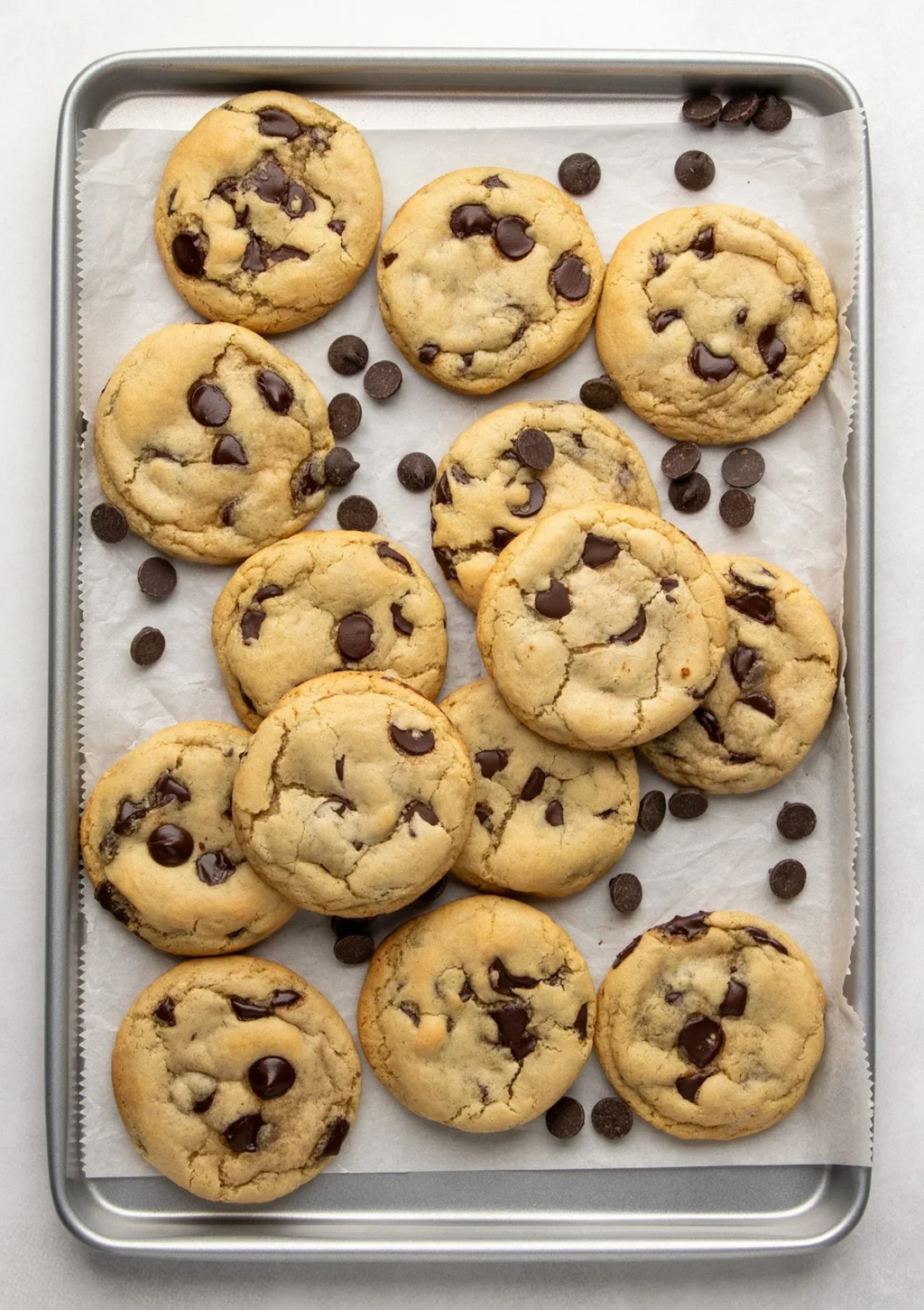
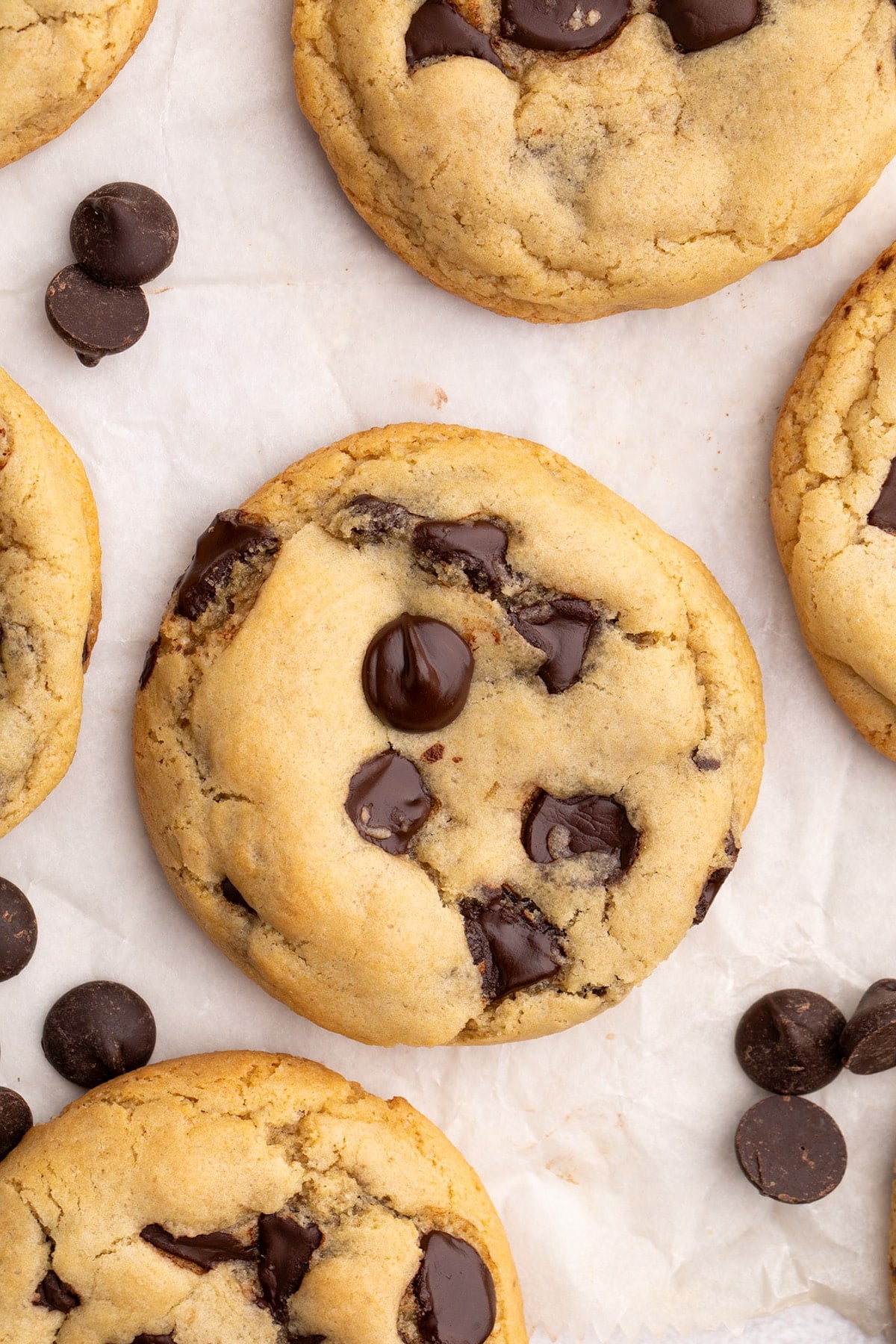
For many home bakers living with dietary restrictions, the quest for the "perfect" chocolate chip cookie often ends in disappointment. Too often, gluten-free and dairy-free versions are characterized by a lack of structural integrity, an unappealing greasy texture, or a tendency to spread into thin, brittle crisps. However, a new approach to ingredient management and thermal control is changing the narrative, offering a recipe that promises thick, bakery-style cookies that remain soft for days.
By leveraging cold, block-style vegan butter and the moisture-retaining properties of almond flour, culinary experts are proving that dietary restrictions do not have to result in a compromise of quality.
Main Facts: The New Standard in Allergen-Friendly Baking
The primary challenge in creating a high-quality gluten-free and dairy-free cookie lies in the behavior of the fats and proteins. Traditional butter contains milk solids that contribute to browning and flavor, while gluten provides the necessary "chew." When replacing these, standard recipes often fail because they treat vegan butter and gluten-free flour as direct, one-to-one swaps for their traditional counterparts.

This refined recipe addresses the fundamental physics of the dough. Instead of creaming room-temperature butter with sugar—a common practice that often leads to an overly greasy emulsion in dairy-free baking—this method utilizes a "cutting-in" technique. By incorporating cold, block-style vegan butter directly into the dry ingredients, the baker ensures that the fat remains stable until it reaches the heat of the oven, preventing the dough from collapsing into a puddle of oil.
Furthermore, the inclusion of almond flour is not merely for texture; it acts as a functional ingredient that enhances moisture retention and creates a sophisticated depth of flavor that mimics the rich, toasted notes of dairy-based butter.
Chronology: The Evolution of the Process
Developing a cookie that defies the "greasy" stereotype required a deliberate sequence of steps designed to preserve the structural integrity of the dough.
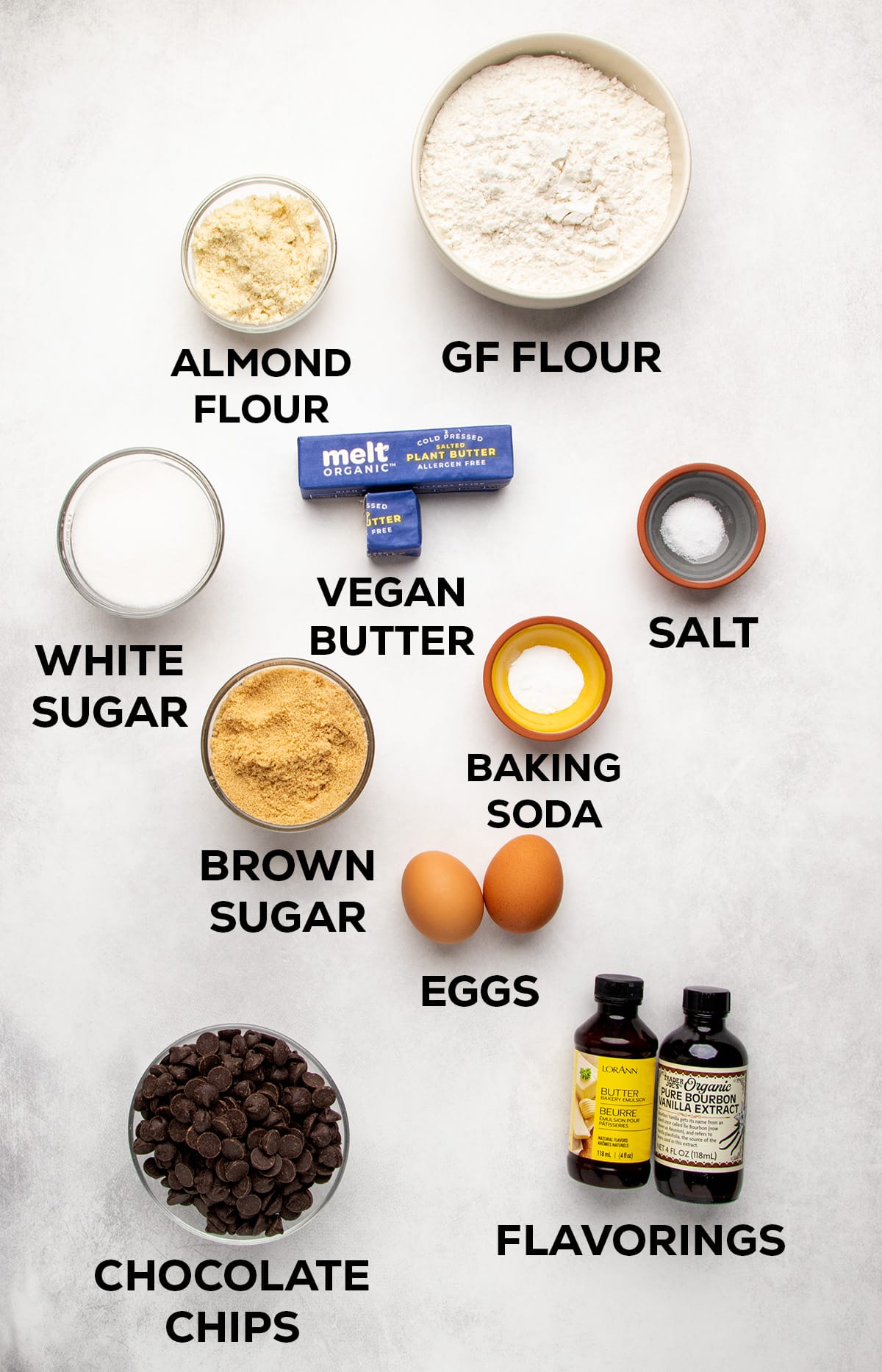
- The Dry Foundation: The process begins by whisking the gluten-free flour blend—which must include xanthan gum to provide the elasticity usually afforded by gluten—with almond flour, leavening agents, and sugars.
- The Fat Integration: Rather than beating the butter, the baker chops it into small, cold cubes. These are tossed into the dry mixture and broken down using a fork or pastry cutter. This ensures the butter is distributed in small, discrete pieces throughout the dough.
- Hydration: Once the fat is incorporated, the liquid components (eggs and flavorings) are added. The goal here is "cohesion without heat"—mixing only until the dough comes together, as excessive handling can warm the fats and ruin the texture.
- The Chilling Phase: This is perhaps the most critical stage. Once portioned into two-ounce balls, the dough is chilled. This temperature drop solidifies the fats, ensuring that the cookies hold their shape as they begin to bake.
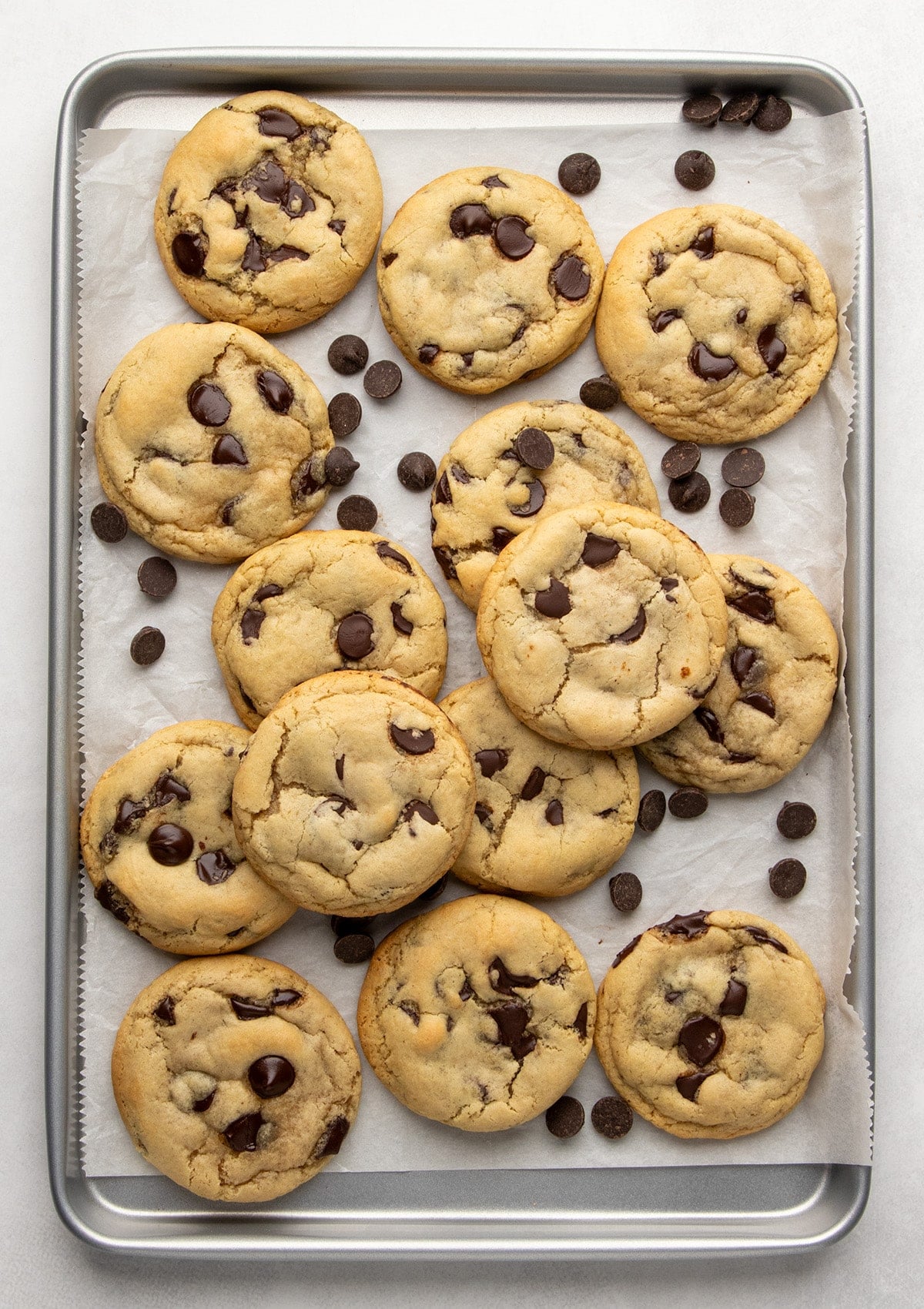
- Precision Baking: The cookies are baked at 350°F. The key, according to experts, is removing them while the center still appears slightly underdone. This allows for "carryover cooking," where the residual heat finishes the center without drying out the crisp, golden edges.
Supporting Data: Why This Method Outperforms the Rest
The technical superiority of this method is reflected in its nutritional and structural profile. By maintaining a specific fat-to-flour ratio, the recipe yields a calorie count of approximately 264 kcal per cookie. More importantly, the use of almond flour—a nutrient-dense ingredient—provides a superior fat profile and a soft, chewy interior that lasts for up to five days when stored correctly in an airtight container.
Comparative testing indicates that "lazy" substitutions—such as using tub-style vegan butter, which contains a higher water content than block-style—consistently lead to cookies that spread 30% further than those made with higher-fat, block-style alternatives. The data suggests that for the gluten-free baker, ingredient selection is not just a matter of preference, but a fundamental requirement for success.
Official Guidance and Expert Tips
For those seeking to replicate these results in their own kitchens, industry professionals emphasize three "golden rules" of allergen-free baking:
- Select the Right Fat: Not all vegan butters are created equal. Block-style products are mandatory for this recipe because they possess the structural rigidity required to resist early melting. If you use soft, spreadable vegan butter, the lower melting point will inevitably cause your cookies to spread, regardless of how well you follow the other steps.
- The Chilling Window: While it is tempting to bypass the cooling time, the chilling phase is where the magic happens. It allows the starches in the gluten-free flour to hydrate fully and keeps the fat in a solid state, which results in that coveted, bakery-style height and "crackled" top.
- Thermal Management: Never place dough on a baking sheet that is already hot from a previous batch. If you are baking multiple sheets, allow your pans to return to room temperature between uses. A hot pan causes the fat to melt instantly, leading to a thin, greasy cookie.
Implications: The Future of Accessible Baking
The development of such a precise recipe carries significant implications for the gluten-free and dairy-free community. For years, the market has been saturated with "good enough" recipes—products that are edible, but fail to provide the sensory experience of a traditional cookie.
By prioritizing chemistry over convenience, this method demonstrates that dietary restrictions do not necessitate a "lesser" culinary experience. It encourages a shift toward more intentional baking practices, where the baker acts as a scientist, understanding exactly how each ingredient—from the xanthan gum in the flour to the specific type of fat used—impacts the final product.
Furthermore, these findings open the door for further innovation. With a reliable base, bakers can explore variations, such as adding different inclusions or experimenting with alternative flours like hazelnut or oat, knowing that the fundamental structural integrity of the cookie is secure.
Ultimately, the goal of this approach is to move beyond the idea of "separate meals." When a gluten-free and dairy-free cookie can stand up to the scrutiny of any traditional recipe, it ceases to be an "alternative" and becomes, simply, a great cookie. For the home baker, this means the ability to provide delicious, safe, and professional-grade desserts that can be enjoyed by everyone at the table, regardless of their dietary needs. Whether you are a seasoned expert or a novice in the kitchen, the takeaway is clear: with the right technique, the perfect cookie is not just possible—it is achievable.