From Soviet Outpost to Global Contender: The Resilient Rise of Moldovan Wine
By Jacopo Mazzeo | August 31, 2026
For the small, landlocked nation of Moldova, the shadow of the past is not merely a figure of speech—it is a geopolitical reality. Perched precariously on the edge of the NATO frontier and bordering the largest armed conflict in Europe since 1945, Moldova occupies a difficult position in the global order. It is a country often defined by its struggles: persistent poverty, the presence of the breakaway Transnistria region, and the lingering scars of Soviet hegemony.
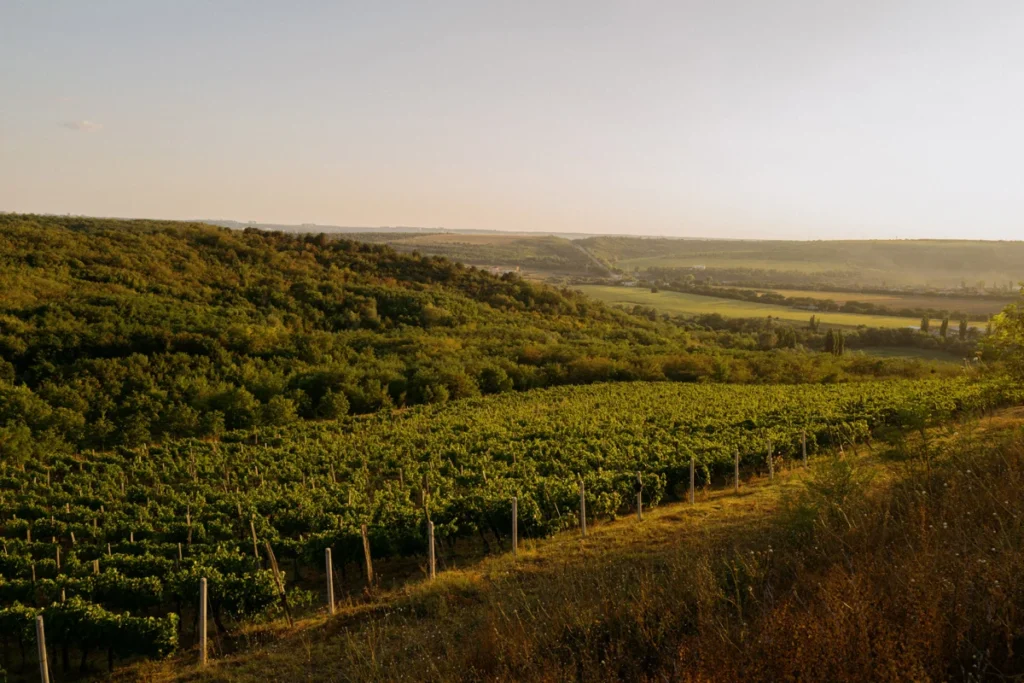
Yet, against this backdrop of uncertainty, a quiet revolution is taking place in the sun-drenched vineyards that cover the rolling hills of the Moldovan countryside. Wine, once the engine of a captive economy, has been reclaimed as the primary vehicle for the nation’s modernization and its pivot toward the West.
Main Facts: A Sector Reborn
For a nation with a population of just over two million, the stakes for the wine industry are existential. Historically, winemaking is not just an industry in Moldova; it is a cultural pillar, woven into the fabric of national identity for centuries. During the Soviet era, Moldova served as the Union’s "vineyard," supplying an estimated 50% of the wine consumed across the vast expanse of the USSR.
Today, that reliance has been replaced by a strategic focus on quality, sustainability, and international integration. The industry supports approximately 150,000 jobs directly, and when factoring in auxiliary sectors—such as glass manufacturing, logistics, and the burgeoning wine tourism industry—the impact on the national economy is immense. Exports currently account for roughly 3% of Moldova’s GDP, but as Ștefan Iamandi, director of the National Office of Vine and Wine (ONVV), suggests, the real influence of the sector on the national bottom line is likely double that figure.
A Chronology of Transformation
To understand where Moldova is going, one must examine the volatility of its recent past. The transition from a state-controlled commodity producer to a boutique-focused, premium exporter was not a choice, but a survival mechanism.
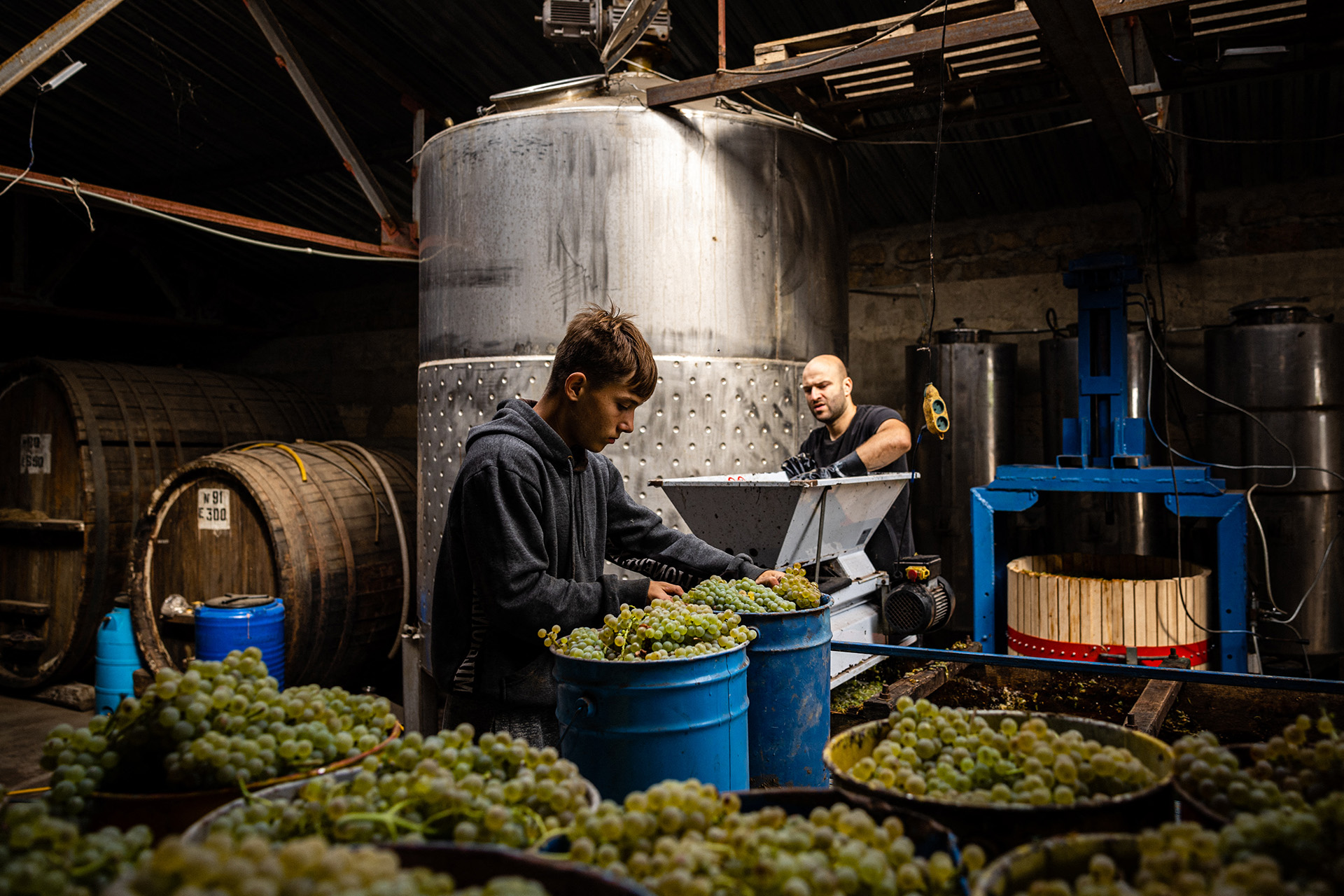
- The Soviet Era (1945–1991): Moldova functioned as a massive, high-volume production hub for the Soviet market. Emphasis was placed on quantity, standardization, and a specific palate profile favoring sweeter wines.
- Post-Independence (1991–2005): Following the collapse of the USSR, Moldova remained heavily dependent on Russia as its primary export destination, keeping the country’s wine industry tethered to Moscow’s political whims.
- The 2006 Embargo: This was the turning point. As Moldova moved toward a more westward-leaning geopolitical stance, Russia imposed a series of punitive trade embargoes. While devastating in the short term, it forced a fundamental, painful, and ultimately necessary "re-wiring" of the industry.
- The Reform Era (2013–Present): The establishment of the ONVV and the "Wine of Moldova" brand signaled a commitment to international standards. The country began investing heavily in modernization, infrastructure, and brand visibility, culminating in hosting prestigious events like the World Congress of Vine and Wine in 2025.
Supporting Data: Quality Over Quantity
The most compelling evidence of Moldova’s success is found in the shift of its export metrics. Over the last decade, while the total volume of exported wine has declined by 11%, the total value of those exports has surged by 23%. This inverse correlation confirms that the nation is successfully transitioning away from the "bulk plonk" model of the Soviet era.
The industry has moved beyond the ubiquitous, international varieties of the past. There is now a concerted, national push to cultivate indigenous grapes such as Viorica, Riton, and Floricica. These regional varieties now account for nearly one-third of all new plantings.
This pivot has been validated by the market. Nearly 70% of Moldovan exports now flow toward the European Union and North America, while emerging markets in Asia and Africa—notably Nigeria—are showing significant interest. The narrative of "cheap, bulk wine" is being replaced by awards and accolades at international competitions, such as the Concours Mondial de Bruxelles.
Official Responses and Strategic Vision
The government’s role has been central to this transformation. By launching initiatives like "Moldova Wine Day," the state has created a focal point for national pride and a driver for tourism.
"We have held it each year on the first weekend of October since 2002," says Ștefan Iamandi. "Last year, we welcomed 150,000 attendees, including 20,000 international tourists. To concentrate that kind of interest into three days is a significant feat for our country."
Industry experts echo this optimism. Thomas Brandl, a marketing veteran who has tracked the rise of the Wine of Moldova brand since its 2013 launch at the ProWein trade fair, recalls the stark contrast of the industry’s evolution. "At that first launch, we had barely a dozen people show up, and the wine was just okay. A decade later, at the same fair, I saw a full house of buyers and journalists, and we were celebrating a red wine from Moldova winning the top prize at a major global competition."

Geopolitical Implications: Navigating the Risk
Despite the success, the shadow of conflict remains. Inga Manuilenco, an enologist at Kazayak Vin and Suvorov-Vin, highlights the "geopolitical premium" that Moldova pays.
"Even if Moldova remains stable, the mere fact that it is located near a zone of military conflict increases the perception of risk," Manuilenco notes. "This affects the cost of capital, the speed at which foreign investors make decisions, and the willingness of corporations to commit to long-term, multi-year projects."
This risk perception is the final hurdle in Moldova’s journey toward full economic integration with the West. However, the industry’s response has been one of resilience and transparency. By adhering to international quality standards and diversifying their export portfolio, Moldovan winemakers are insulating themselves from the volatility of their neighbor to the East.
The Road Ahead: Liquid Prosperity
The story of Moldovan wine is a metaphor for the country itself: a move from a captive, commoditized existence toward a future defined by autonomy and quality. The challenges—geopolitical instability, the need for continued investment, and the difficulty of re-educating a global consumer base—are substantial.
Yet, the data is undeniable. Moldova is no longer the "Soviet cellar." It is an emerging, dynamic player in the global wine market. As the country continues to leverage its unique terroir and indigenous grapes, it is doing more than just selling bottles; it is building a new, post-Soviet identity.
For the international consumer, the message is clear: the next great discovery in the wine world may not come from the established regions of Western Europe, but from the hilly, resilient landscape of a small nation on the edge of the map. Moldova is no longer just surviving; it is competing, and in the process, it is crafting a future that is distinctly, and proudly, its own.