The Ghost of Paradise: Why It’s Time to Stop Visiting Ko Lipe

Nineteen years ago, the island of Ko Lipe was a whisper in the backpacker community—a remote, sun-drenched outpost where electricity was a luxury available for only a few hours a day and a humble wooden bungalow cost less than a cup of coffee. It was the quintessential "lost" island, a place where time didn’t just slow down; it seemingly ceased to exist.
Today, that silence has been replaced by the roar of construction trucks and the hum of motorbikes navigating newly poured concrete paths. My recent return to Ko Lipe was not a victory lap of nostalgia, but a somber encounter with the rapid, often destructive, evolution of Thai tourism. As I stood on the shore, witnessing the overdevelopment that has consumed this once-pristine paradise, I was forced to confront an uncomfortable truth: sometimes, the most responsible way to love a destination is to stop visiting it entirely.
A Chronicle of Change: From Backpacker Haven to Tourist Hub
In 2006, my experience on Ko Lipe was formative. I spent nearly a month there, learning the rhythm of the tides and the names of the local fishermen. The island’s infrastructure was primitive: a handful of restaurants, one beach bar, and dirt paths that snaked through the jungle. The "last boat" of the season meant exactly that—if you missed it, you were part of the island’s collective soul until the seas calmed months later.
The transition from that idyllic retreat to the current reality did not happen overnight, yet it feels jarringly sudden. Over the last two decades, the "Ko Phi Phi model"—the aggressive, high-density development that prioritized short-term profit over long-term sustainability—has taken hold.
The chronology of this decline is marked by the replacement of natural terrain with concrete. Footpaths were widened for vehicular traffic. The island’s limited freshwater table was strained by the introduction of swimming pools at high-end resorts—an absurdity on an island with no natural water supply. The palm groves that once shaded humble bungalows have been systematically cleared to make room for expansive, energy-intensive resorts.
The Environmental and Social Toll: Behind the Postcard
To a first-time visitor, Ko Lipe may still appear "postcard perfect." The water remains a breathtaking shade of azure, and the sand retains its talcum-powder white texture. However, a closer look reveals a dying ecosystem struggling under the weight of its own popularity.
Ecological Decay
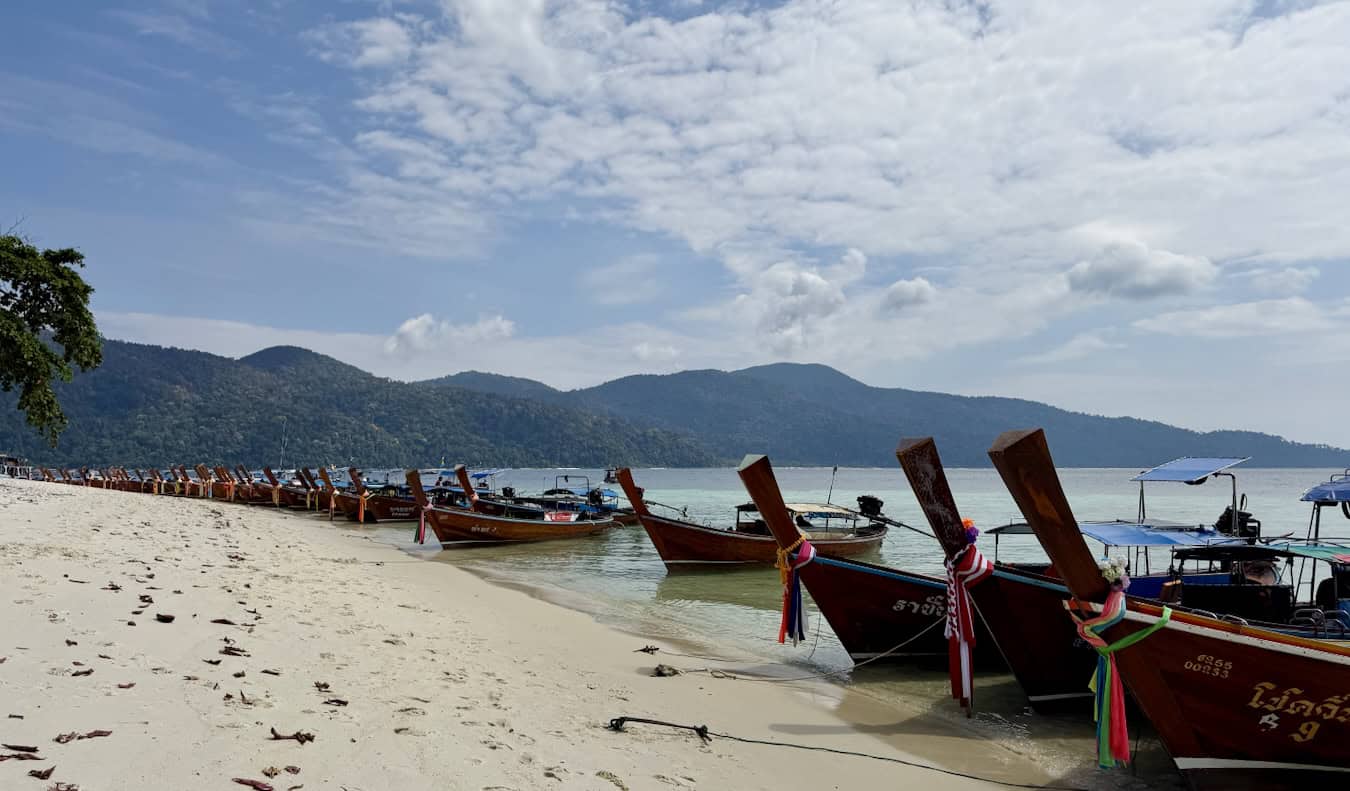
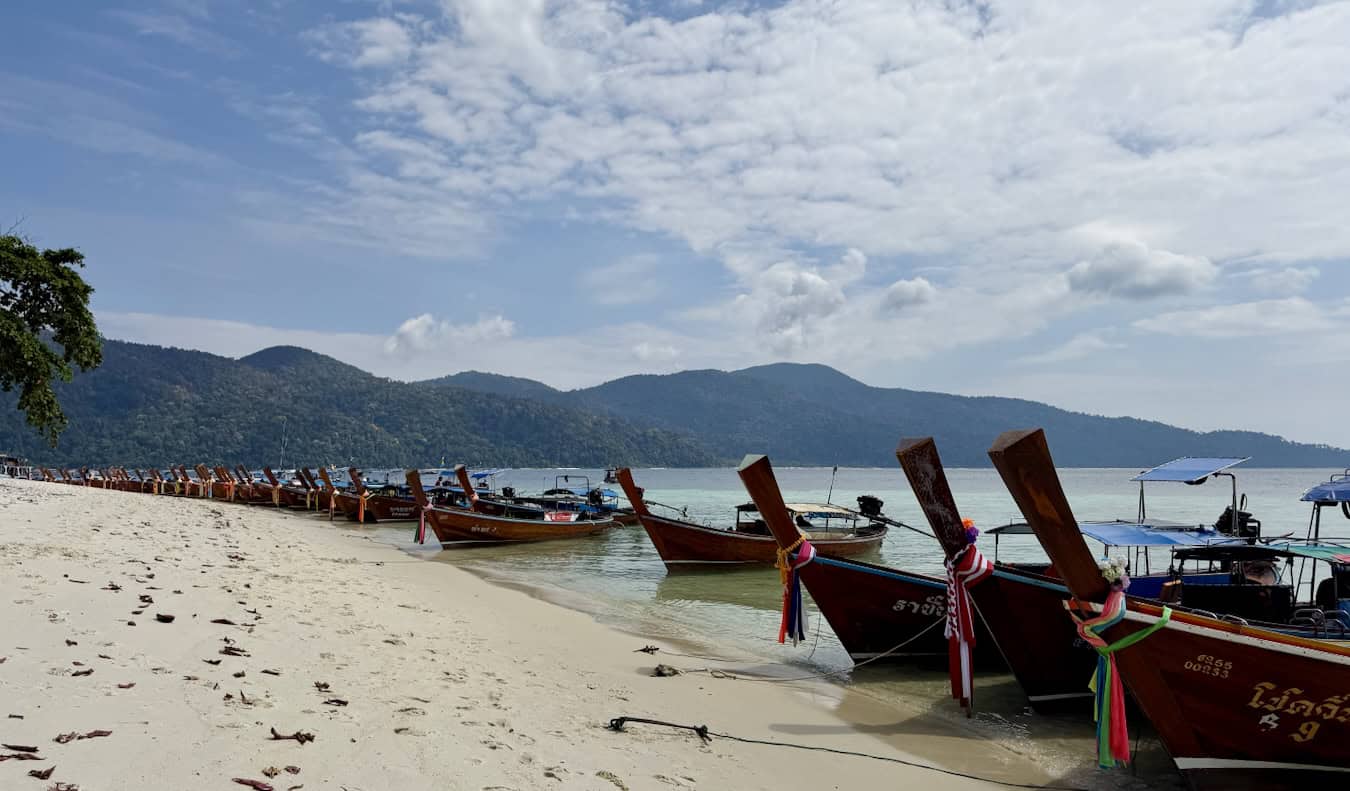
The coral reefs surrounding the island, once vibrant and bustling with marine life, are showing clear signs of degradation. The primary culprits are twofold: physical damage from an overwhelming number of tour boats and chemical pollution. The constant traffic of longtail boats, many of which use aging engines, leaves a visible, iridescent film of exhaust on the water’s surface—a byproduct of fossil fuels that permeates the shallows where tourists swim. Overfishing, driven by the demand of dozens of restaurants catering to an ever-expanding visitor base, has further stripped the reefs of their biodiversity.
The Displacement of Local Communities
Perhaps more tragic than the environmental impact is the human cost. The economic boom of the last decade has effectively pushed out many of the island’s original inhabitants. As land values skyrocketed, locals were incentivized—or forced—to sell their ancestral plots to mainland developers. Consequently, much of the island’s current workforce is imported from the mainland. These workers are rarely the primary beneficiaries of the tourism revenue; instead, they serve a machine that keeps the wealth flowing to corporations and outside investors. The authentic culture that once defined Ko Lipe has been largely diluted, replaced by generic, Western-catered menus and service-oriented tourism.
The Ethics of "Ghost Chasing"
When I returned to Ko Lipe, I was acutely aware that I was chasing "travel ghosts"—trying to recapture a magic that was inextricably linked to a time and a group of people that no longer exist. I went because I needed a hub for a New Year’s trip, and the logistical convenience of its ferry connection to Langkawi made it an easy choice.
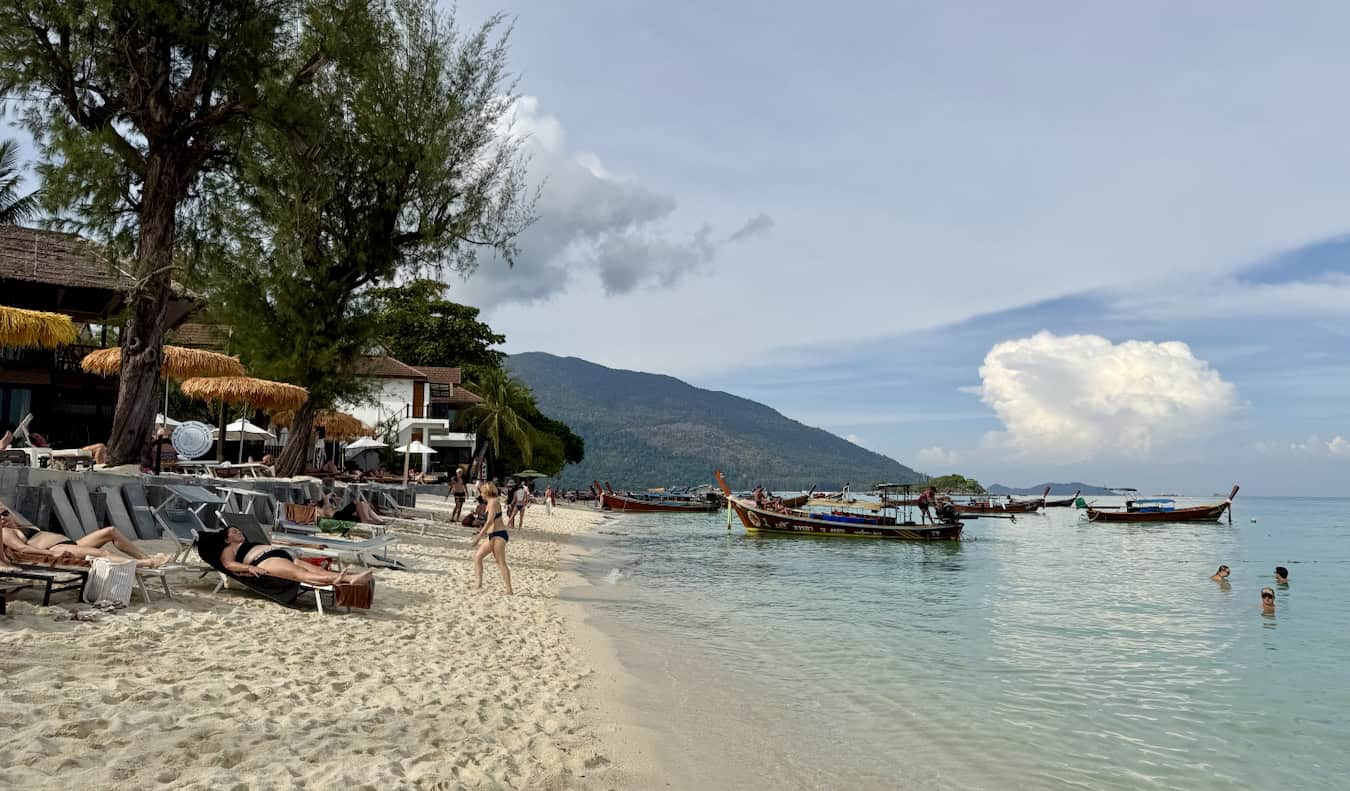
Yet, as I sat among the crowds, I realized that my presence, and the presence of thousands of others like me, is part of the problem. We cannot "put the genie back in the bottle." We cannot ask the local population to remain in poverty to satisfy our nostalgic desire for an "unspoiled" version of their home. However, we can choose where our resources go.
The Argument for Conscious Non-Participation
The concept of "overtourism" is often treated as an abstract, systemic issue that only governments can fix. But the reality is that the market is driven by consumer behavior. We have seen the efficacy of this in the past: the decline of elephant riding in Thailand was not mandated by law alone, but by a shift in consumer consciousness. Similarly, the rise of eco-lodges and sustainable travel practices is a direct result of travelers voting with their wallets.
By continuing to visit islands like Ko Lipe—which are operating well beyond their environmental carrying capacity—we are effectively subsidizing the destruction of the very environment we claim to enjoy.
Alternatives and the Path Forward
If you are planning a trip to the Thai islands, there is a moral imperative to consider the impact of your destination. There are still islands in Thailand that have managed growth more responsibly or have not yet been subjected to the same level of over-commercialization. Destinations like Ko Lanta, Ko Jum, and Ko Mook offer a more balanced experience. They are not "perfect," and they, too, face the pressures of modern travel, but they are not currently in the same state of environmental and cultural crisis as Ko Lipe.
Taking Responsibility
- Research Sustainability: Before booking, look for resorts that manage their own waste and water usage. If a hotel cannot explain its environmental policy, it likely doesn’t have one.
- Prioritize Less-Trafficked Areas: By spreading tourism dollars to secondary destinations, you reduce the "pressure cooker" effect on the most popular islands.
- Question Your Impact: If a destination is known to be struggling with water shortages, sewage management, or reef bleaching, ask yourself if your presence is worth the ecological tax.
Final Reflections
It pains me to write this. Ko Lipe provided me with some of the most cherished memories of my life. It was a place where I felt the true, unadulterated joy of discovery. But to be a good steward of the world is to accept that some places have reached a tipping point.
Sometimes, the most profound act of travel is to stay away. By choosing not to contribute to the over-utilization of a fragile ecosystem, we take a small but necessary step toward changing the narrative of global tourism. Ko Lipe is, for now, a cautionary tale. It serves as a reminder that paradise is not a static state—it is a fragile balance that, once broken, may never be restored.
If we truly love these places, we must be willing to let them breathe. It is time to find new paths, support better-managed communities, and stop feeding the cycle of exploitation that has turned one of Thailand’s brightest gems into a shadow of its former self. Enough is enough.