The Silent Revolution: Could Potassium Chloride Be Our Diet’s Dual-Action Savior?
Main facts
In an era increasingly defined by health crises linked to modern dietary patterns, a compelling solution emerges from an unexpected corner: the salt shaker. For decades, the spotlight of public health concern has fixated on high dietary sodium intake, identifying it as a leading risk factor for premature death, primarily through its devastating impact on cardiovascular health. Yet, emerging research points to a potential "win-win" strategy that addresses this pervasive threat while simultaneously tackling another critical nutritional deficiency: insufficient potassium. The answer lies in potassium chloride, a mineral salt poised to redefine our relationship with seasoning and potentially save millions of lives.
High dietary sodium, predominantly consumed as sodium chloride (common table salt), is implicated in millions of deaths annually, wreaking havoc through elevated blood pressure, increased risk of stroke, heart attack, and kidney damage. Hypertension, often dubbed the "silent and invisible killer," frequently presents without symptoms but stands as a formidable independent predictor of leading causes of mortality. Conversely, humans evolved on a diet rich in potassium and low in sodium – a pattern starkly inverted in today’s processed food landscape. This dietary reversal has stripped our plates of potassium-rich whole foods like fruits, vegetables, roots, and tubers, leaving 98% of the U.S. population failing to meet the minimum recommended daily intake of this vital nutrient. Low potassium intake itself is directly linked to high blood pressure and cardiovascular disease, making the imbalance a double-edged sword.
The conventional medical approach often overlooks potassium’s therapeutic potential, with few physicians actively recommending potassium-rich foods despite robust meta-analyses confirming its role in reducing stroke risk, even independent of blood pressure effects. Potassium also offers protective benefits such as reducing clot formation, decreasing arterial stiffening, and combating free radical generation. While high sodium intake is associated with a 20% increased risk of premature death, higher potassium intake is linked to a 20% reduced risk. This stark contrast begs the question: if our diets are skewed towards harmful sodium and away from beneficial potassium, could a simple substitution of potassium chloride for sodium chloride in our daily seasoning provide a profound health intervention? Recent randomized controlled trials suggest the answer is a resounding yes, demonstrating significant reductions in blood pressure, hypertension incidence, and, critically, cardiovascular disease mortality and all-cause death.
The Silent Killer: Unpacking the Sodium Crisis
The ubiquitous presence of sodium in our modern diet is a stark departure from our evolutionary heritage. For millennia, human diets were characterized by high potassium and low sodium levels, a reflection of reliance on unprocessed plant foods. The advent of agriculture, and more dramatically, industrial food processing, fundamentally altered this balance. Today, sodium is not just a condiment; it’s a pervasive component of processed foods, acting as a preservative, flavor enhancer, and texture agent. This dietary shift has profound consequences for public health worldwide.
The human body requires sodium for vital functions such as fluid balance, nerve impulse transmission, and muscle contraction. However, excessive intake places immense strain on the cardiovascular system. When sodium levels in the blood rise, the body retains more water to dilute it, increasing blood volume and, consequently, blood pressure. Over time, persistently high blood pressure stiffens arteries, damages blood vessels, and forces the heart to work harder, paving the way for a cascade of life-threatening conditions.
Hypertension’s insidious nature is perhaps its most dangerous characteristic. It often progresses without noticeable symptoms, allowing silently to inflict damage on vital organs. By the time symptoms manifest, such as headaches, shortness of breath, or nosebleeds, the damage may already be substantial. This "silent killer" status underscores the urgency of preventive measures and effective management strategies. Beyond its direct link to hypertension, high sodium intake is an independent risk factor for stroke – a leading cause of disability and death – as well as heart attacks, heart failure, and chronic kidney disease. The global burden of disease attributable to high sodium is staggering, accounting for millions of disability-adjusted life years (DALYs) and premature deaths annually.
The problem is compounded by a simultaneous deficiency in potassium, a mineral that acts synergistically with sodium to maintain physiological balance. While sodium works largely outside cells, potassium operates primarily within them. Potassium helps to relax blood vessel walls, thereby lowering blood pressure. It also counteracts some of the negative effects of sodium, facilitating its excretion from the body. Our modern diet, rich in processed foods stripped of natural potassium and laden with added sodium, creates a perfect storm for cardiovascular disease.
An Evolutionary Mismatch: The Potassium Paradox
Our ancestors, subsisting on diets rich in plant-based foods – fruits, vegetables, nuts, seeds, and lean meats – consumed significantly more potassium than sodium. Estimates suggest a potassium-to-sodium ratio of 10:1 or even 16:1, a stark contrast to the modern Western diet, where the ratio is often reversed, with sodium intake far exceeding potassium. This evolutionary discordance is a critical underlying factor in the prevalence of hypertension and related cardiovascular diseases today.
The shift away from traditional, plant-based diets reflects a move towards convenience and industrialization. Processed foods, designed for shelf stability and mass appeal, frequently rely on sodium as a key ingredient while simultaneously removing the potassium naturally present in whole ingredients. This explains why potassium is now categorized as a "nutrient of public health concern" by dietary guidelines, with an alarming 98% of the U.S. population failing to meet the recommended minimum daily intake.
- The Dual Role of Essential Electrolytes: Both sodium and potassium are essential electrolytes, crucial for maintaining fluid balance, nerve signal transmission, and muscle function. However, their balance is key. Sodium, when in excess, can lead to fluid retention and increased blood pressure. Potassium, on the other hand, helps to regulate blood pressure by promoting sodium excretion and relaxing blood vessel walls. It also plays a vital role in heart rhythm, preventing arrhythmias, and supports kidney function. The detrimental effects of low potassium intake extend beyond blood pressure, contributing to overall cardiovascular disease risk. Despite the compelling evidence, dietary interventions focusing on increasing potassium-rich foods remain underutilized in clinical practice, often overshadowed by pharmacological approaches to blood pressure management.
Potassium Chloride: A Dual-Action Solution
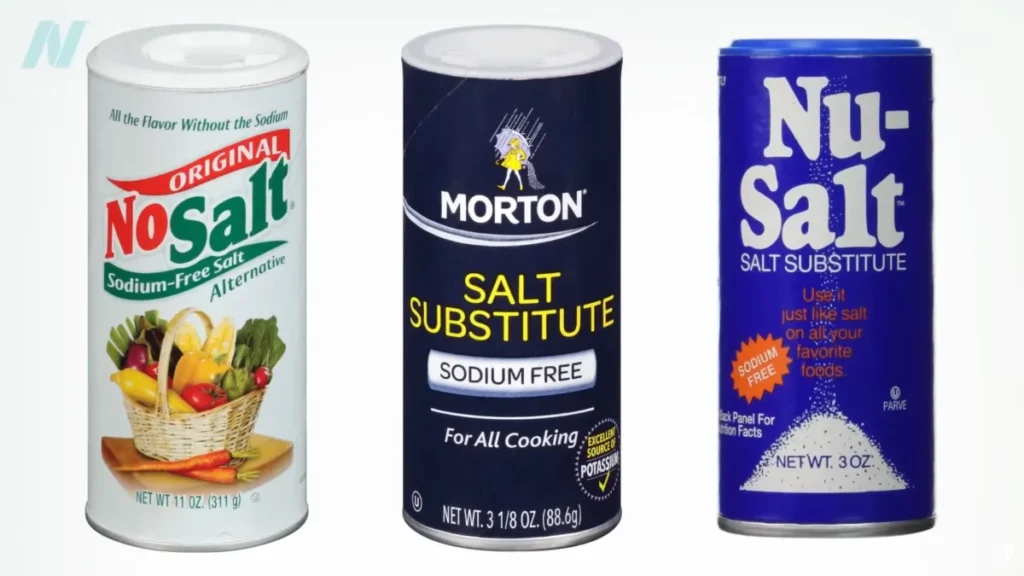
Given the critical imbalance of sodium and potassium in the modern diet, the concept of using potassium chloride as a salt substitute presents an elegant, dual-action solution. By replacing sodium chloride with potassium chloride, individuals can simultaneously decrease their intake of harmful sodium and increase their intake of beneficial potassium. Potassium chloride, a naturally occurring mineral salt, is harvested and processed in much the same way as common table salt. Its taste profile is remarkably similar to sodium chloride, making it a viable culinary alternative without significant compromise on flavor.
- More Than Just a Substitute: The Physiological Benefits: The physiological benefits of this swap are significant. On one hand, reducing sodium intake directly alleviates the burden on the cardiovascular system, lowering blood volume and arterial stiffness. On the other hand, increasing potassium intake actively promotes vasodilation, helps excrete excess sodium, and supports overall cardiovascular health. This synergistic effect targets the root causes of hypertension and related diseases, rather than just managing symptoms. The potential for such a simple dietary modification to yield profound health improvements is a testament to the power of nutrition.
Mounting Evidence: The Clinical Trials Speak
The efficacy of potassium chloride salt substitutes is not merely theoretical; it is underpinned by a growing body of robust scientific evidence, including numerous randomized controlled trials (RCTs). These studies have progressively demonstrated the benefits, moving from initial observations of blood pressure reduction to significant impacts on hard clinical endpoints like stroke and mortality.
-
From Blood Pressure Control to Disease Prevention: Early research, including meta-analyses, established a clear link between increased potassium intake and reduced blood pressure. Randomized controlled trials have consistently shown that when individuals with hypertension are given extra potassium, their blood pressure significantly decreases. Similarly, trials focusing on sodium reduction have confirmed that lowering sodium intake directly translates to lower blood pressure. The combined effect of reducing sodium and increasing potassium through salt substitutes thus represents a powerful strategy for blood pressure management. A comprehensive review of 10 studies, comprising 11 randomized controlled trials, confirmed that swapping potassium chloride for regular salt leads to significant blood pressure reductions in hypertensive individuals, suggesting it could also prevent hypertension.
-
Halving Hypertension Risk: Early Interventions: One notable randomized controlled trial investigated the impact of a modest salt substitute on the incidence of hypertension. Households were provided with a salt substitute containing just a quarter potassium chloride. Intriguingly, most participants either couldn’t distinguish the difference in taste or even preferred the taste of the potassium-enhanced salt. The results were compelling: the use of this quarter-potassium salt substitute was associated with a staggering 50% reduction in the risk of developing hypertension. This finding highlights the potential of such a simple intervention not just for managing existing conditions, but for preventing their onset in the first place, offering a proactive approach to public health.
-
Extending Lifespans: The Veterans’ Home Revelation: Moving beyond blood pressure control, researchers sought to determine if salt substitution could translate into reductions in cardiovascular disease mortality. In a groundbreaking study, five kitchens in a veterans’ retirement home were randomized for two and a half years. Meals in one group were salted with regular sodium chloride, while the other group used a 50/50 blend of sodium chloride and potassium chloride, unbeknownst to the cooks and diners. The results were nothing short of remarkable. Those in the half-potassium group experienced a nearly 40% reduction in their risk of dying from cardiovascular disease and lived up to almost a year longer. The study’s authors highlighted the profound implications, noting that the life expectancy difference at age 70 was "equivalent to that which would have naturally occurred in 14 [years]." This suggests that a simple switch to half-potassium salt could effectively make individuals more than a decade younger in terms of their risk of death.
-
A Landmark Study: The China Salt Substitute Trial: The most extensive and definitive evidence comes from a massive randomized controlled trial conducted in China. Involving 600 villages and over 20,000 participants across five years, this trial assigned participants to either receive a salt substitute containing a quarter potassium chloride or regular salt. China provided an ideal setting for this research, as up to 75% of the population’s sodium intake comes from salt added in home kitchens or dining rooms, making household-level interventions particularly impactful. The results were unequivocally positive: the salt substitute not only significantly reduced strokes and cardiovascular events in general, but it also reduced the risk of death from all causes combined. This landmark study provides irrefutable evidence of the life-saving potential of potassium chloride salt substitutes on a large scale.
Barriers to Adoption: Why the Delay?
Despite the overwhelming evidence demonstrating the significant health benefits of potassium chloride salt substitutes, their widespread adoption remains limited. This raises critical questions about the roles of the food industry, the medical community, and public perception. If these substitutes are effective, taste good, and could save millions of lives, why haven’t they become a staple in every kitchen and food product?
-
The Food Industry’s Role: In countries like the U.S., where a majority of sodium intake comes from pre-packaged and processed foods, the onus largely falls on food companies. While some companies have explored sodium reduction strategies, a wholesale switch to potassium chloride substitutes has not materialized. Reasons could include perceived higher costs, concerns about consumer acceptance (despite evidence suggesting otherwise), potential impacts on product texture or shelf life, and the sheer inertia of established manufacturing processes. Regulatory incentives or mandates might be necessary to drive significant change in this sector. The Mayo Clinic review title, "Achieving the Benefits of a High-Potassium, Paleolithic Diet, Without the Toxicity," implies that the food industry has the tools to make this shift.
-
Bridging the Medical Knowledge Gap: As noted in the original article, few physicians actively counsel patients on increasing potassium intake through diet, let alone recommending salt substitutes. This highlights a gap in medical education and clinical practice. Healthcare providers are often focused on pharmacological interventions for hypertension, and dietary advice may be generalized rather than specific and actionable. Greater awareness within the medical community about the robust evidence for salt substitutes could lead to more widespread recommendations.
-
Consumer Perception and Education: For individual consumers, habits are deeply ingrained. Many are unaware of the health risks associated with high sodium or the benefits of potassium. There might be a perception that "salt substitutes" are inferior in taste or only for people with existing health conditions. Public health campaigns are crucial to educate consumers about the benefits, availability, and ease of use of potassium chloride alternatives, challenging misconceptions and fostering a shift in dietary habits. The question posed by a commentary, "Is Salt Substitution Ready for Prime Time?" encapsulates the ongoing debate regarding readiness for mass adoption.
Profound Implications for Global Health
The implications of widespread adoption of potassium chloride salt substitutes are nothing short of transformative for global public health. Non-communicable diseases (NCDs), particularly cardiovascular diseases, are the leading cause of death worldwide. Dietary factors, especially high sodium intake, are major contributors to this burden. A simple, cost-effective intervention like salt substitution could significantly reduce the incidence of hypertension, stroke, heart attack, and premature death across populations.
- A Call for Policy and Innovation: The success of the China trial underscores the potential for population-level interventions, particularly in regions where home-added salt is a primary source of sodium. Policymakers globally have a powerful tool at their disposal to curb the NCD epidemic. This could involve promoting the availability and affordability of salt substitutes, incorporating them into national dietary guidelines, or even considering regulatory measures for food manufacturers. Further research into optimal blend ratios, long-term effects across diverse populations, and strategies for overcoming implementation barriers will be crucial. Innovation in food science can also play a role in developing more palatable and accessible potassium-rich alternatives.
The Unanswered Question: Addressing Safety Concerns
While the benefits appear compelling and substantial, the journey towards universal acceptance of potassium chloride salt substitutes is not without its caveats. The original article concludes with a provocative question regarding safety, citing concerns about "the inclusion of potentially fatal salt substitutes in the food supply." This highlights the importance of a balanced perspective, acknowledging that while there are convincing arguments about the benefits, potential downsides and risks must be thoroughly investigated and communicated. Who might be at risk, and under what circumstances? Understanding these nuances will be critical for ensuring that this powerful public health tool is deployed responsibly and safely across diverse populations.
Doctor’s Note
This is the second in a three-part series on salt and potassium. If you missed the first video, see The Mineral Intake Recommendations Only 1 in 6,000 U.S. Adults Meet. We finish the series with Are Potassium Chloride Salt Substitutes Safe and Effective?.
I talk about the randomized controlled trials for sodium in The Evidence That Salt Raises Blood Pressure.