The Art of the Perfect Fall Pastry: Mastering Gluten-Free Pumpkin Scones
As the crisp autumn air settles in and the leaves begin their seasonal transformation, the culinary world turns its collective attention toward the quintessential flavors of the harvest. Among the most anticipated seasonal staples is the pumpkin scone—a delicate balance of warm spices, tender crumb, and sweet, autumnal indulgence. However, for those navigating gluten-free diets, the quest for a scone that avoids the common pitfalls of density or dryness has long been a challenge.
In a recent culinary development, food expert and author Nicole Hunn of Gluten Free on a Shoestring has unveiled a sophisticated approach to the gluten-free pumpkin scone. By pivoting away from traditional pumpkin puree and embracing the concentrated profile of pumpkin butter, this recipe promises to redefine expectations for home bakers looking to celebrate the season without compromise.

Main Facts: The Science of the "Pastry-Style" Scone
The fundamental challenge in crafting a superior pumpkin scone lies in moisture management. Standard pumpkin puree, while rich in flavor, introduces a significant amount of water content that can compromise the structural integrity of gluten-free flours, often resulting in a heavy, cake-like texture rather than the light, flaky layers one expects from a bakery-quality pastry.
The solution, according to the latest culinary techniques, is the use of concentrated pumpkin butter. By utilizing a reduced, sugar-and-spice-forward pumpkin base, bakers can infuse the dough with an intense, aromatic flavor profile while maintaining the precise moisture levels required for a tender, crumbly, and crisp-edged result.

Key components of this professional-grade approach include:
- The Lamination Shortcut: Rather than undergoing complex lamination processes, a simple "cut-and-stack" technique is employed. By layering the dough, the baker creates distinct pockets of butter that expand during baking, resulting in a structural flaky finish.
- Cold-Chain Integrity: Maintaining the temperature of the butter is non-negotiable. By keeping the butter cold and flattening it into shards within the flour, the recipe ensures that the pastry rises correctly in the oven, creating the hallmark "tall" scone shape.
- The Dual-Glaze Finish: A two-stage icing process provides both a structural sweetness and a sensory layer of depth, utilizing a base white glaze followed by a secondary maple-cinnamon drizzle.
Chronology: The Evolution of the Recipe
The development of these scones reflects a broader trend in the gluten-free community: the shift from "substitution-based" baking to "technique-driven" baking.

- Preparation (The Foundation): The process begins with the careful whisking of dry ingredients, including a high-quality gluten-free flour blend, xanthan gum (if not pre-included), baking powder, and a bespoke pumpkin pie spice mix. This step is critical to prevent leavening agents from clumping.
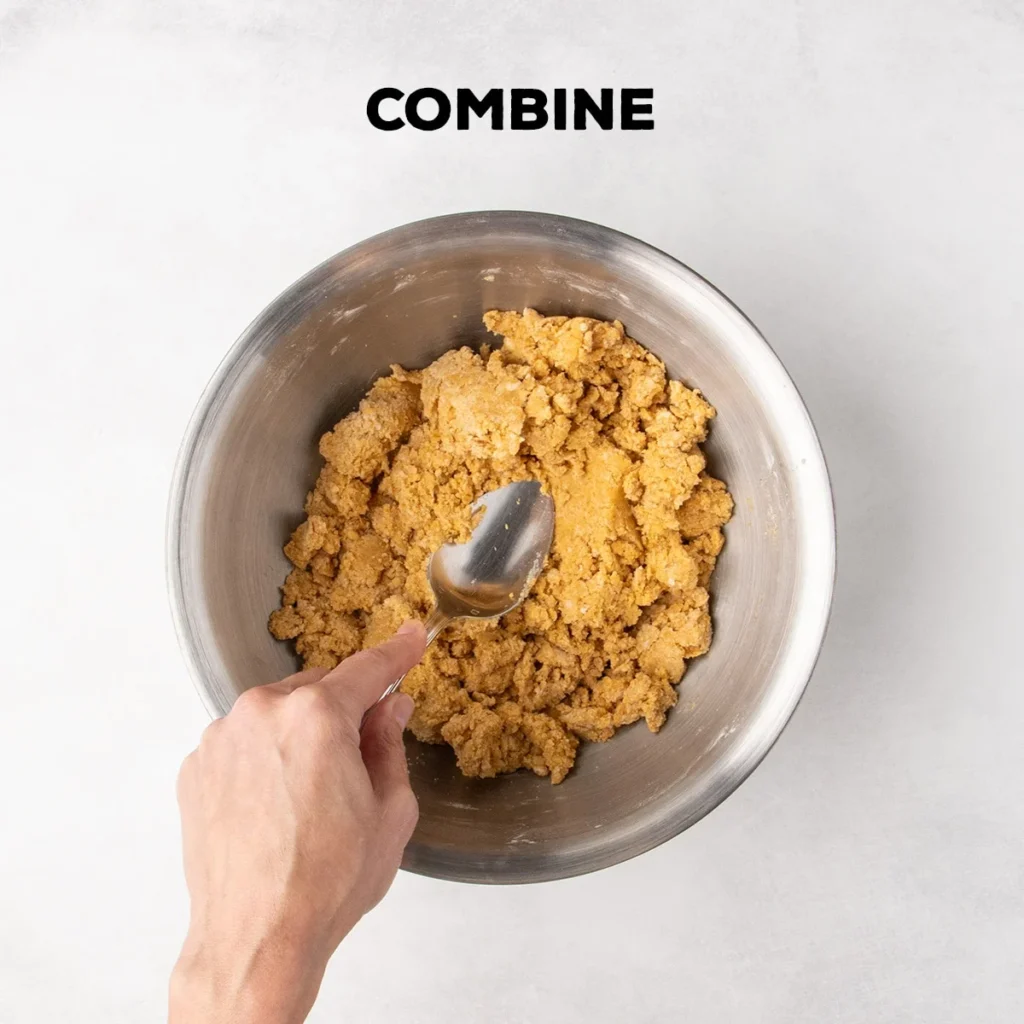
- The Butter Integration: Cold, cubed butter is manually worked into the flour until the mixture resembles coarse meal. This is the stage where the "shards" are created, which will later provide the airy pockets in the finished product.
- Moisture Introduction: The addition of cold pumpkin butter and heavy cream is done with precision. The dough is brought together into "moist, stiff clumps" rather than a fully unified mass to prevent overworking the gluten-free starch.
- The Stacking Phase: The dough is rolled, cut, and stacked, repeating this process to build internal layers. This mimics the lamination of a croissant or puff pastry on a simplified, home-friendly scale.
- Shaping and The Final Bake: The dough is formed into a seven-inch disk and sliced into eight clean triangles. A sharp knife is essential here; the clean edge allows the dough to rise vertically in the oven without dragging or sealing the sides.
- The Cooling and Glazing Window: Following the bake, the scones require a mandatory cooling period. Applying icing to warm scones is a common error that results in a transparent, melted glaze; waiting for complete thermal equilibrium ensures the icing sets with a professional, opaque finish.
Supporting Data: Nutrition and Technical Specifications
For the health-conscious baker, understanding the caloric and nutritional footprint of these pastries is essential. Each individual scone, calculated as a single serving, offers a manageable indulgence:
- Calories: 275 kcal
- Carbohydrates: 56g
- Fat: 11g (with 7g saturated fat)
- Protein: 2g
- Sodium: 339mg
These figures suggest that while the scone is a treat, it is optimized for flavor and texture rather than being an overly dense, calorie-heavy dessert. The high vitamin A content—approximately 2261 IU—serves as a reminder of the nutrient-dense nature of the pumpkin butter base.

Official Guidance: Flour Blends and Substitutions
A major hurdle in gluten-free baking is the variability of flour blends. Nicole Hunn emphasizes that not all gluten-free flours are created equal. Her guidance highlights the necessity of using a high-quality "all-purpose" blend. For those using blends like Bob’s Red Mill 1-to-1, the addition of an extra 0.5 teaspoon of xanthan gum is recommended to ensure the dough possesses the necessary elasticity to hold its shape.
For those requiring dairy-free alternatives, the advice is straightforward: utilize a block-style vegan butter (such as Miyoko’s or Melt) to maintain the fat-to-moisture ratio. Full-fat canned coconut milk serves as an effective substitute for heavy cream, ensuring that the mouthfeel remains rich and satisfying.

Implications: The Future of Gluten-Free Pastry
The rise of recipes like these signals a shift in the gluten-free market. No longer are home cooks content with "good for gluten-free" results; the modern standard is "good, period." By applying professional bakery techniques—such as temperature control, lamination through stacking, and flavor concentration via reduction—the home baker is empowered to create pastries that are indistinguishable from their wheat-based counterparts.
Furthermore, the storage versatility of this recipe—allowing for the dough to be shaped and frozen for up to two months—addresses a major pain point for the busy modern consumer. The ability to bake a fresh, hot scone on demand from a frozen state is a significant advancement in convenience.

As autumn continues to progress, this approach to the pumpkin scone serves as a template for other gluten-free baking projects. It demonstrates that with the right application of chemistry and technique, the limitations traditionally associated with gluten-free flour blends can be largely mitigated. Whether it is for a holiday brunch, a quiet morning coffee, or a seasonal gift, these scones offer a standard of excellence that honors the craft of baking while respecting the dietary requirements of a diverse population.
Final Technical Recommendations for Success
To ensure the best possible outcome when attempting this recipe at home, bakers should adhere to the following final best practices:

- Weigh, Don’t Measure: Always use a digital scale to measure ingredients in grams. The density of gluten-free flour varies significantly based on how it is packed, and volume measurements are notoriously unreliable for precision baking.
- Manage the Temperature: If the dough feels tacky or the butter begins to soften while handling, do not hesitate to pause. A 30-minute stint in the refrigerator will reset the butter and ensure the final product retains its structural integrity.
- The Power of the Bench Scraper: A flat, metal bench scraper is the most effective tool for cutting and stacking the dough. It allows for clean, sharp cuts that do not compress the dough, preserving the delicate layers that lead to a flaky finish.
By embracing these professional-grade techniques, the home baker can transform a simple autumn ingredient—the pumpkin—into a sophisticated pastry that defines the season. Through the careful balance of tradition and modern gluten-free science, these scones stand as a testament to the fact that dietary restrictions need not be a barrier to culinary excellence.