Beyond the Follicle: Unpacking the Dietary Connection to Hair Loss and Regrowth
Hair loss, particularly androgenic or androgenetic alopecia, stands as one of the most prevalent and distressing chronic conditions encountered by dermatologists worldwide. Often referred to as male pattern hair loss or female pattern hair loss, this condition is characterized by a progressive thinning and recession of hair, predominantly affecting the central scalp. While conventional medical treatments and supplements exist, a growing body of research is shedding light on an intriguing, yet often overlooked, dimension of hair health: the profound role of diet and the gut microbiome.
Recent scientific investigations suggest that common dietary components, including hot peppers, soy foods, and even humble pumpkin seeds, may hold surprising potential in mitigating hair loss and promoting regrowth. This revelation invites a deeper exploration into how our daily food choices and the intricate ecosystem within our gut could be powerful, complementary allies in the quest for a fuller head of hair.
The Silent Epidemic: Understanding Androgenic Alopecia
Androgenic alopecia (AGA) affects millions globally, impacting both men and women with significant psychological and emotional consequences. For men, it typically manifests as a receding hairline and thinning at the crown, while women often experience diffuse thinning over the top of the scalp, though the hairline may remain intact. Beyond the visible changes, AGA can lead to reduced self-esteem, anxiety, and even depression, underscoring the need for effective and accessible management strategies.
The primary driver of AGA is a combination of genetic predisposition and the action of androgens, particularly dihydrotestosterone (DHT). DHT, a potent derivative of testosterone, binds to receptors in genetically susceptible hair follicles, leading to their miniaturization, a process where hair follicles shrink, producing progressively finer, shorter, and lighter hairs until they cease production altogether. Traditional treatments often target these hormonal pathways or promote localized blood flow, but the search for less invasive, natural alternatives continues to gain momentum. This is where the emerging science of nutrition and the microbiome offers a compelling new perspective.
A Glimpse into the Gut: The Microbiome’s Unexpected Role
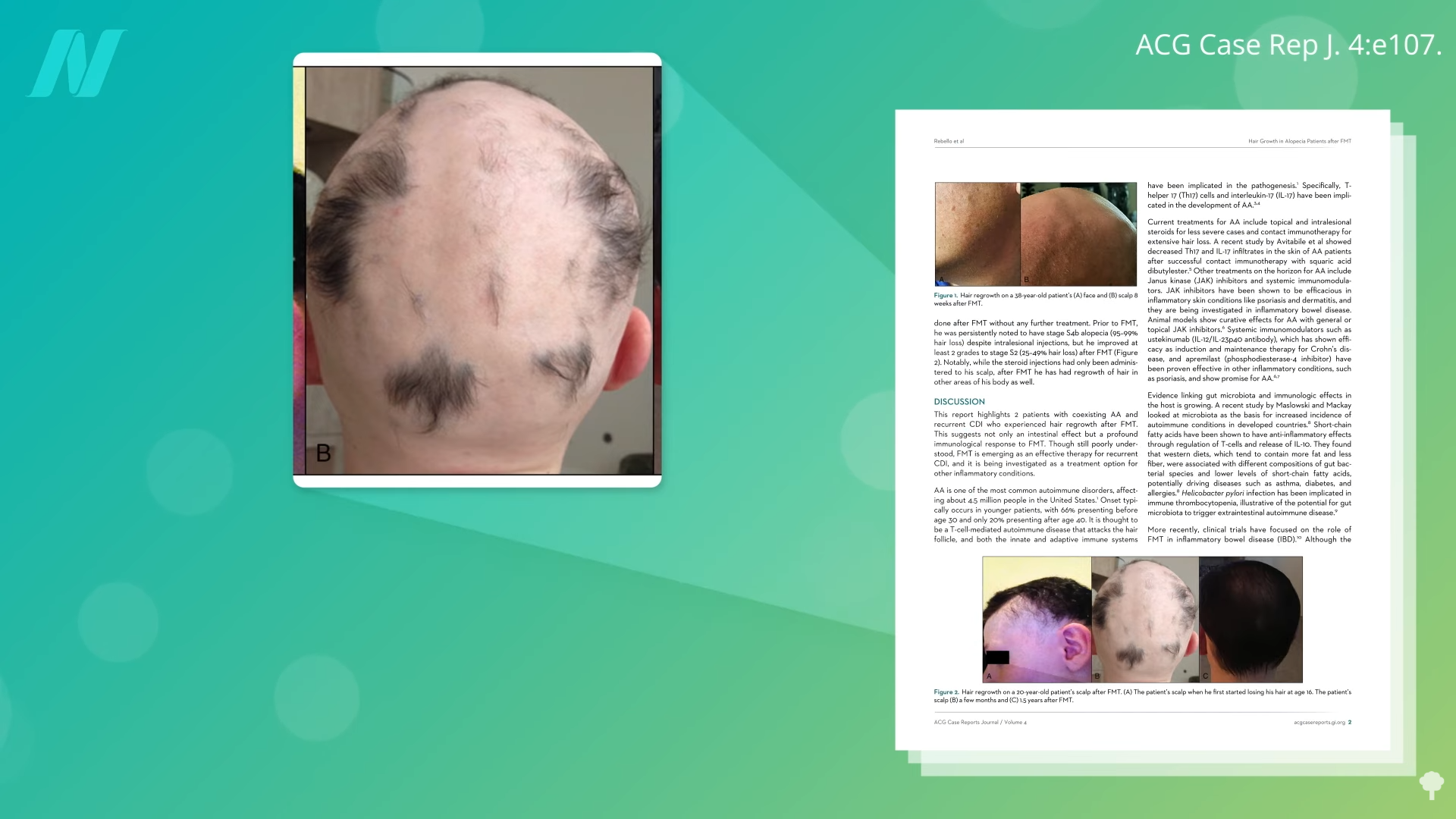
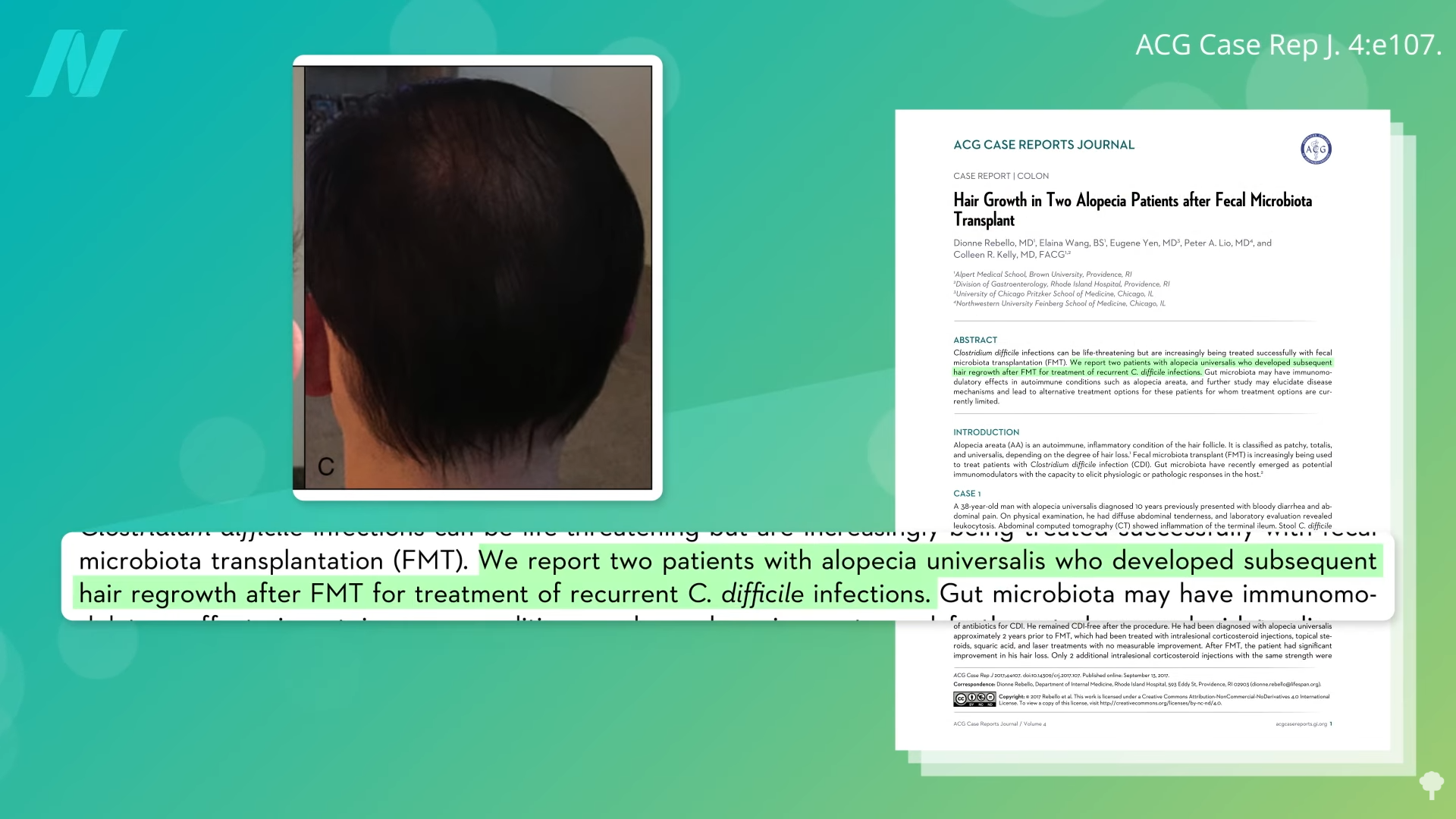
Perhaps one of the most dramatic illustrations of diet’s indirect influence on hair health comes from an unexpected corner of medical science: fecal transplants. While seemingly unrelated, human experiments with fecal transplants have offered a profound clue to the immense power of our gut microbiome, the vast community of microorganisms residing in our intestines. These reports detail instances of significant improvements in hair loss following the administration of a "fecal slurry made from freshly passed stools" from a healthy donor into another person’s colon.
One particularly striking case involved a totally bald individual who, several months after undergoing a fecal transplant, began to experience noticeable hair regrowth. The transformation was not subtle; photographs document a remarkable recovery, with the individual’s hair completely regrowing a little over a year later. This extraordinary outcome, while an isolated case, powerfully underscores the intricate connection between gut health and systemic well-being, including the health of our skin and hair follicles. The profound changes observed suggest that the balance and composition of our gut bacteria can exert far-reaching effects on various physiological processes, potentially influencing inflammatory responses, nutrient absorption, and even hormonal regulation that impacts hair growth. The overarching message gleaned from such cases is not to consider extreme medical interventions like fecal transplants for hair loss, but rather to recognize the critical importance of cultivating a healthy and diverse gut microbiome through more conventional, dietary means. Keeping our "good gut bugs happy" becomes a foundational principle for overall health, which may, in turn, contribute to healthier hair.
Dietary Patterns: Beyond Individual Foods
While the fecal transplant case highlights the extreme impact of microbial balance, broader population studies offer more accessible insights into how everyday dietary patterns correlate with hair loss. Research has consistently identified associations between lifestyle choices and the prevalence of male pattern baldness. Specifically, poor sleeping habits and the regular consumption of meat and highly processed "junk food" have been linked to an increased incidence of hair loss. These findings align with a general understanding of inflammatory diets and their potential negative systemic effects.
Conversely, protective associations have been observed with the consistent intake of raw vegetables and fresh herbs, alongside the frequent consumption of soymilk. One study, for instance, revealed that individuals who regularly drank soy beverages on a weekly basis experienced a remarkable 62% lower odds of moderate to severe hair loss. This compelling statistic strongly suggests the presence of protective compounds within plants that could actively counteract the mechanisms leading to hair thinning and loss. These population-level observations reinforce the idea that a holistic, plant-rich dietary approach might offer significant advantages for maintaining hair health, not just through isolated nutrients, but through a synergy of beneficial compounds working together.
Unveiling Specific Plant Compounds: Peppers, Soy, and Pumpkin Seeds
Moving beyond broad dietary patterns, rigorous scientific inquiry has zoomed in on specific plant-based foods and their active compounds, subjecting them to the gold standard of clinical research: randomized, double-blind, placebo-controlled trials. These studies provide robust evidence, minimizing bias and confounding factors, to truly ascertain the efficacy of a given intervention.
Capsaicin and Isoflavones: The Power Duo
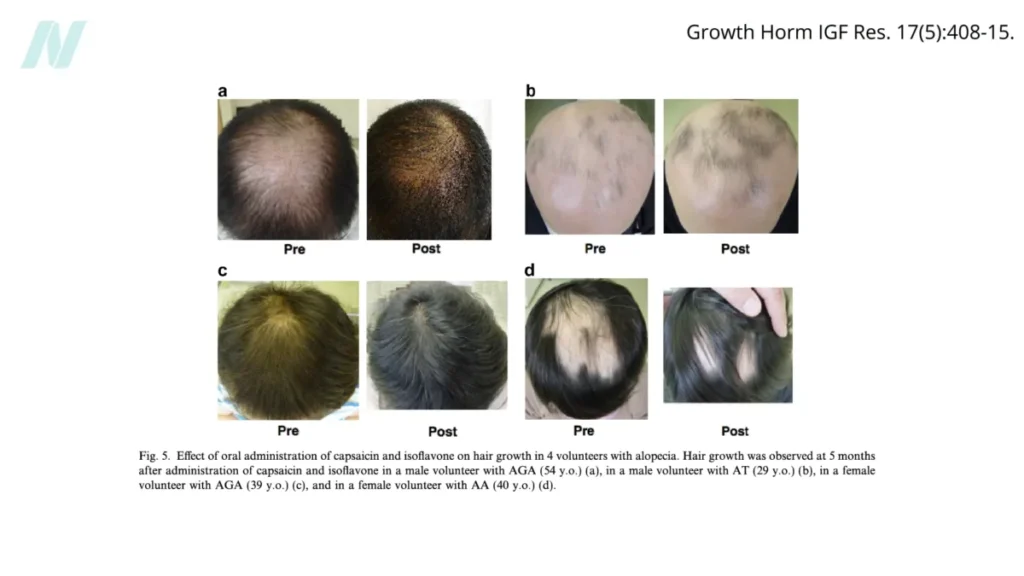
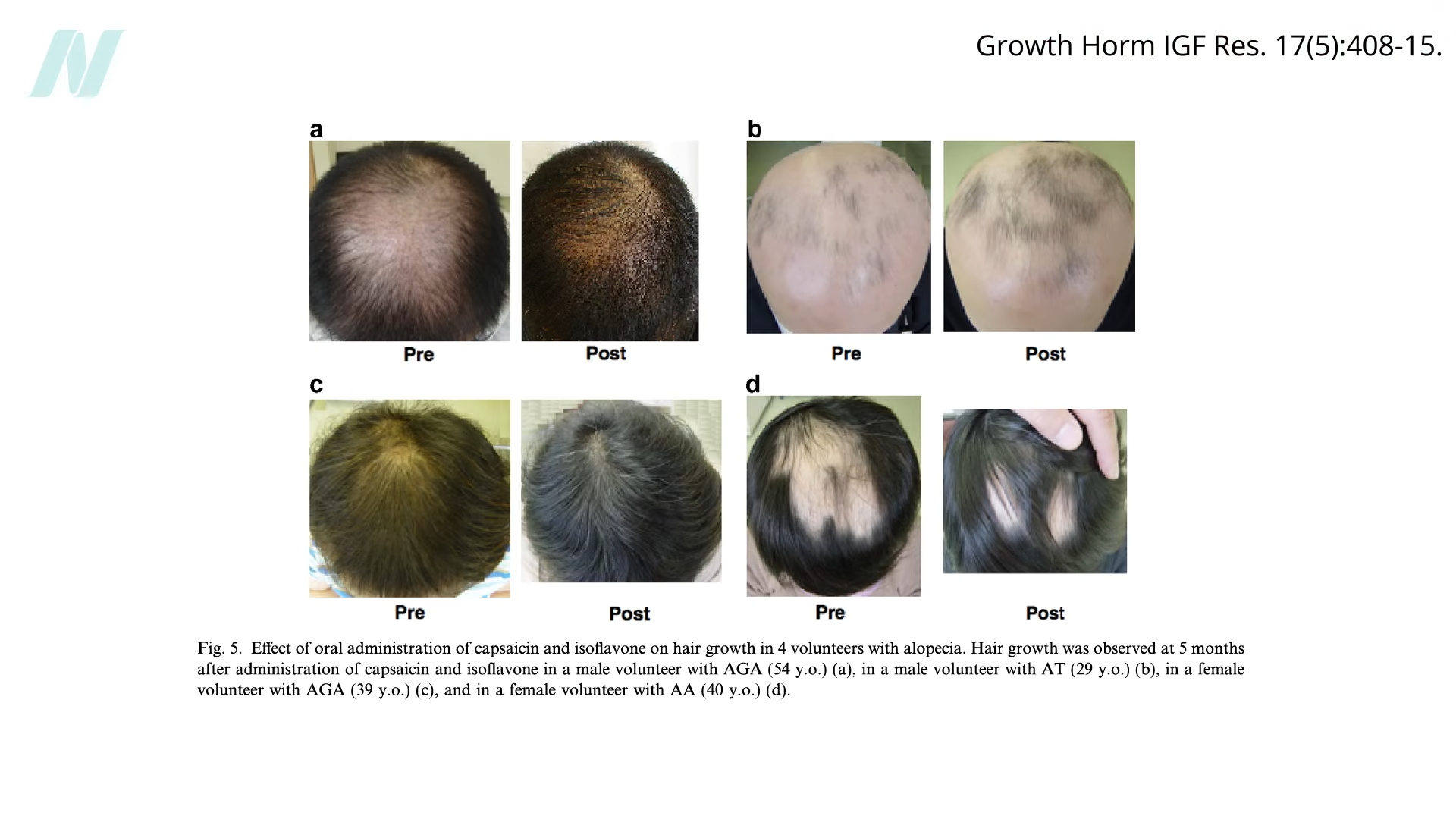
One such trial investigated the combined effects of compounds found in hot peppers and soy. Hot peppers are renowned for capsaicin, the active ingredient responsible for their spicy kick, while soy is rich in isoflavones, a class of phytoestrogens. The study revealed a significantly higher promotion of hair growth in participants receiving these compounds compared to those on a placebo. The results, visually documented with compelling before-and-after images of both men and women, provided tangible proof of the dietary intervention’s effectiveness.
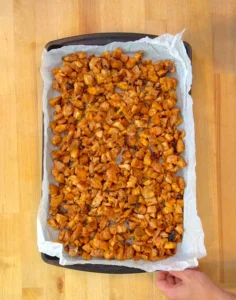
For those considering integrating these foods into their diet, the dosages used in the study are surprisingly achievable through everyday consumption. Participants received 6 milligrams of capsaicin per day, an amount easily obtained from just a quarter of a fresh jalapeno pepper. Alongside this, they consumed 75 milligrams of isoflavones, which can be found in approximately three-quarters of a cup of tempeh or straight soybeans. While soy nuts (dry-roasted soybeans) offer an even more concentrated source of isoflavones, caution is advised. High-fat, high-protein foods prepared at high temperatures can lead to the formation of advanced glycation end-products (AGEs), compounds associated with inflammation and cellular damage. Therefore, opting for minimally processed soy forms like tempeh or boiled soybeans is generally recommended over routinely consuming roasted or toasted varieties of nuts, seeds, or soy.
The proposed mechanisms behind these effects are multifaceted. Capsaicin is thought to stimulate blood flow to the scalp, which can nourish hair follicles and promote their growth. It may also play a role in activating specific pathways that encourage hair follicle proliferation and survival, such as the production of insulin-like growth factor-1 (IGF-1). Soy isoflavones, on the other hand, possess mild phytoestrogenic properties that may help balance hormone levels and potentially inhibit the activity of 5-alpha-reductase, the enzyme responsible for converting testosterone to DHT. Additionally, both capsaicin and isoflavones exhibit antioxidant and anti-inflammatory properties, contributing to a healthier scalp environment conducive to hair growth.
Pumpkin Seed Oil: A Surprising Ally
Another impressive demonstration of dietary impact comes from randomized, double-blind, placebo-controlled trials focusing on pumpkin seed oil. The initial spark for this investigation originated from an unexpected finding in 2009. A South Korean study examining benign prostatic hyperplasia (BPH), or enlarged prostate glands, discovered that men randomized to receive just 320 milligrams of pumpkin seed oil daily—an amount equivalent to a mere sixteenth of a teaspoon or a few drops—experienced improved urinary flow rates. While the control group saw a continued decline in urinary function, those consuming the oil, roughly equivalent to eating just two single pumpkin seeds a day, showed significant improvement.
This observation was crucial because BPH is also linked to androgen activity, particularly DHT. The positive effect of pumpkin seed oil on BPH suggested an anti-androgen effect, leading researchers to hypothesize its potential utility in treating androgenic alopecia. Initial studies in mice, where topical application of pumpkin seed oil showed promise, further fueled this line of inquiry. The question then became: could simply eating pumpkin seeds or their oil have a similar effect in humans battling hair loss?
Unfortunately, nutrient-rich components like pumpkin seeds, squash seeds, and watermelon seeds are often discarded, despite their "rich repertoire" of nutrition. To put the hypothesis to the test, a definitive human trial was necessary. In a landmark study, 76 men diagnosed with male pattern baldness were randomized to receive either 400 milligrams of pumpkin seed oil daily, encapsulated to ensure blinding, or identical placebo capsules, for a period of several months. The dosage, 400 milligrams, is roughly equivalent to the oil extracted from two to two and a half pumpkin seeds per day.
The researchers employed a range of objective and subjective measures to assess scalp hair growth. After 24 weeks of treatment, the results were compelling. The pumpkin seed oil group reported significantly higher self-rated improvement and satisfaction scores. More importantly, objective measurements confirmed a substantial increase in hair counts: a 40% increase in the pumpkin seed oil group compared to only a 10% increase in the placebo group. When independent investigators, blinded to the treatment assignment, reviewed before-and-after photographs, they consistently rated the placebo groups as getting slightly worse over time, while the pumpkin seed oil group showed significant improvement. A remarkable 95% of participants in the pumpkin seed oil group were rated as either unchanged or improved, contrasting sharply with the placebo group, where over 90% were classified as unchanged or worsened.
A crucial consideration for any intervention affecting androgen pathways is the potential for sexual side effects. Reassuringly, researchers meticulously tracked an index of erectile dysfunction both before and after the study and found no evidence of adverse effects in the pumpkin seed oil group, indicating a favorable safety profile for this dietary approach. The mechanism behind pumpkin seed oil’s efficacy is largely attributed to its rich content of phytosterols, particularly beta-sitosterol, which are known to inhibit the enzyme 5-alpha-reductase, thereby reducing the conversion of testosterone to DHT. Additionally, pumpkin seeds are packed with other nutrients like zinc, magnesium, and antioxidants, which contribute to overall scalp health and hair follicle vitality.
The Rigor of Research: Separating Fact from Fiction
In the realm of complementary and alternative medicine (CAM), claims of "curing" hair loss "safely" with "less side effects" are abundant. However, it is paramount to look beyond these overarching claims and marketing rhetoric to critically review the underlying scientific literature. Many studies purporting to show hair growth benefits suffer from significant methodological flaws, rendering their findings unreliable. For instance, evidence derived solely from shaved rodents, sometimes involving unusual interventions like smearing mice with bee venom, often has little relevance to human physiology and hair loss.
Even when clinical studies are conducted on actual people, a lack of appropriate controls can invalidate the results. Without a placebo control group, it is impossible to determine whether observed improvements are due to the intervention itself, the placebo effect, or simply the natural progression or regression of the condition. This critical distinction underscores the value of the randomized, double-blind, placebo-controlled trials cited for hot peppers, soy, and pumpkin seed oil. These studies represent the highest standard of evidence, providing a strong basis for considering these foods as legitimate, evidence-based dietary strategies for hair health.
Official Responses and Expert Perspectives
While no major medical organization has yet issued official guidelines exclusively endorsing specific foods for hair loss, the growing body of robust research, particularly randomized controlled trials, is gradually influencing expert perspectives. Dermatologists, who are at the forefront of treating hair loss, typically recommend evidence-based medical therapies such as minoxidil (a topical vasodilator) and finasteride (an oral 5-alpha-reductase inhibitor) for androgenic alopecia. However, they are also increasingly open to discussing complementary approaches, especially when supported by good science and presenting minimal risk.
The findings on hot peppers, soy, and pumpkin seeds offer promising dietary adjuncts that can be incorporated into a broader treatment plan. It is crucial to position these dietary interventions as complementary strategies rather than standalone "cures," particularly for severe or rapidly progressing cases of hair loss. The scientific community generally advocates for further large-scale, long-term human trials to solidify these findings and to understand optimal dosages and combinations. Importantly, any significant dietary changes, especially when managing a medical condition like hair loss, should always be discussed with a healthcare professional or a registered dietitian to ensure safety, efficacy, and to integrate them appropriately with any ongoing medical treatments.
Implications for Hair Health and Beyond
The research highlighting the benefits of hot peppers, soy foods, and pumpkin seeds for hair loss offers a compelling and empowering message for individuals seeking natural and dietary approaches to manage their condition. These findings underscore the intricate connection between our diet, gut health, and the vitality of our hair follicles. By understanding and incorporating these evidence-based strategies, individuals can potentially complement conventional treatments or explore proactive measures for maintaining hair health.
The implications extend beyond just hair. The foods identified – fresh vegetables, herbs, soy, and pumpkin seeds – are cornerstones of a whole-foods, plant-based diet, renowned for its broader health benefits, including improved cardiovascular health, reduced risk of certain cancers, and enhanced overall well-being. Therefore, adopting a diet rich in these beneficial ingredients offers a synergistic advantage, promoting not only hair growth but also holistic health.
Practically, integrating these foods into one’s daily routine is straightforward. A quarter of a fresh jalapeno can be added to meals, while three-quarters of a cup of tempeh or soybeans can be incorporated into stir-fries, salads, or stews. Pumpkin seeds, whether consumed whole or as oil (equivalent to two to two and a half seeds per day), can easily be sprinkled on salads, oatmeal, or yogurt. Dr. Greger’s "Daily Dozen" checklist, which encourages a diverse intake of plant foods, includes nuts and seeds, making pumpkin seeds a natural fit for a health-conscious diet.
Moving forward, continued research will undoubtedly delve deeper into the precise mechanisms by which these compounds exert their effects, explore optimal combinations and delivery methods, and assess long-term outcomes. For now, the evidence strongly suggests that a mindful approach to diet, prioritizing gut health and incorporating specific plant-based powerhouses, offers a promising and accessible pathway toward better hair health and, indeed, a healthier life overall.