The Evolution of the Digital Nomad: How Coliving Spaces Are Solving the Remote Work Crisis
The dream of the digital nomad—working from a laptop on a beach, a bustling European plaza, or a mountain retreat—is often marred by the unglamorous reality of the road. For years, the lifestyle has been defined by a persistent struggle: the search for a reliable internet connection, the ergonomic nightmare of hunching over a tiny hostel table, and the crushing isolation that comes with working alone in foreign cities.
As the post-pandemic era cements remote work as a permanent fixture of the global economy, a new industry has emerged to bridge the gap between productivity and travel. Coliving spaces have risen to prominence, offering a hybrid model that blends the professional infrastructure of a corporate office with the social cohesion of a boutique hostel. At the forefront of this movement is Outsite, a global network that has redefined what it means to work from anywhere.
The Core Challenges: Why Remote Work on the Road Fails
For many, the transition to location independence begins with optimism and ends with logistical exhaustion. Digital nomads frequently encounter a "triad of failure" in their accommodation choices:
- Connectivity Anxiety: The "super-fast Wi-Fi" promised by hosts often evaporates under the strain of a Zoom call, leading to frantic searches for backup coffee shops.
- The Ergonomic Toll: Repeatedly working from dining chairs, cramped couches, or bed-side tables leads to long-term physical discomfort and reduced productivity.
- Social Isolation: While travel is meant to be enriching, the act of working 40 hours a week in a hotel room can be profoundly lonely. Without a built-in community, many nomads find themselves disconnected from both their work peers and the local culture.
The emergence of curated coliving platforms is a direct response to these pain points. By standardizing the environment, companies like Outsite are effectively removing the "gamble" from the remote work experience.
Chronology of a Movement: From Surf Shacks to Global Networks
The concept of coliving for professionals is not entirely new, but it has reached a state of maturity over the last decade.
- 2015: Outsite is founded in Santa Cruz, California. The initial mission was simple: provide a space for surfers and outdoor enthusiasts who needed to maintain a professional output while chasing swells.
- 2017–2019: As the "Digital Nomad" label moves from niche to mainstream, Outsite begins expanding into major hubs like Lisbon, Bali, and Mexico City, refining its model to prioritize high-speed fiber-optic internet and dedicated "deep work" zones.
- 2020–2022: The global pandemic acts as a catalyst. As millions are forced into remote work, the demand for professional-grade, amenity-rich temporary housing skyrockets. Outsite scales its operations to meet the needs of "work-from-anywhere" employees.
- 2023–Present: The network now boasts over 5,000 active members and 50+ locations. The focus has shifted toward building a sophisticated membership ecosystem that provides value beyond just a bed, including networking events and career-oriented perks.
Supporting Data: The Economics of the "Work-Stay" Model
Critics often argue that coliving spaces carry a premium price tag compared to the average backpacker hostel. However, when viewed through the lens of a professional, the math shifts significantly.
To maintain a standard level of productivity, a remote worker must typically secure:
- Accommodation: An Airbnb or private apartment (often expensive in major cities).
- Coworking Space: A monthly membership at a local hub, which can range from $150 to $400 depending on the city.
- Commute/Convenience Costs: Transportation time and the cost of daily coffee shop expenditures.
Outsite aggregates these costs. By bundling the private room, high-speed workspace, cleaning services, and community access, the platform effectively minimizes the "hidden costs" of travel. For those who frequent these spaces, the $199 annual membership—which grants access to flash sales (up to 50% off) and extended stay discounts (up to 40% off)—pays for itself within the first few weeks of usage.
Inside the Experience: A Case Study in Bordeaux
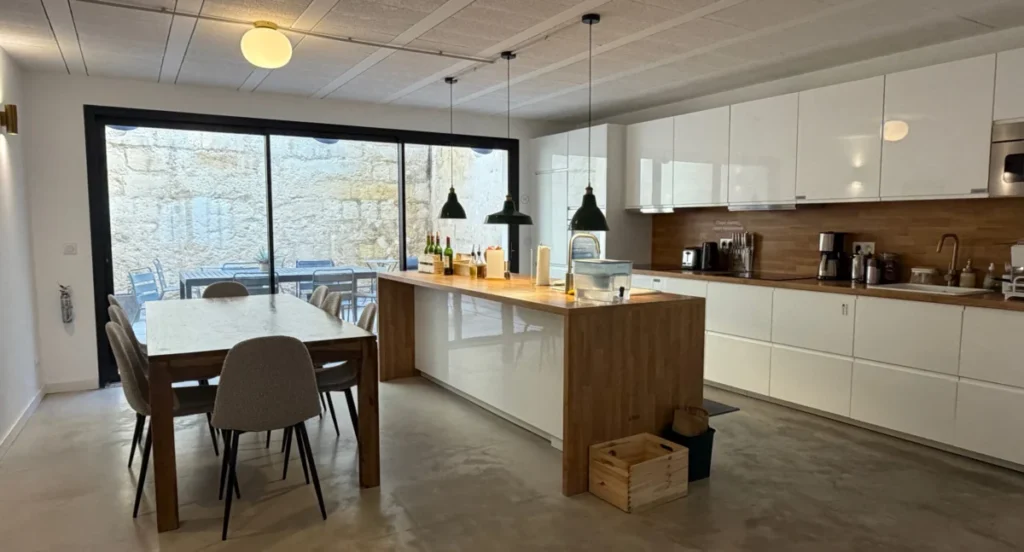
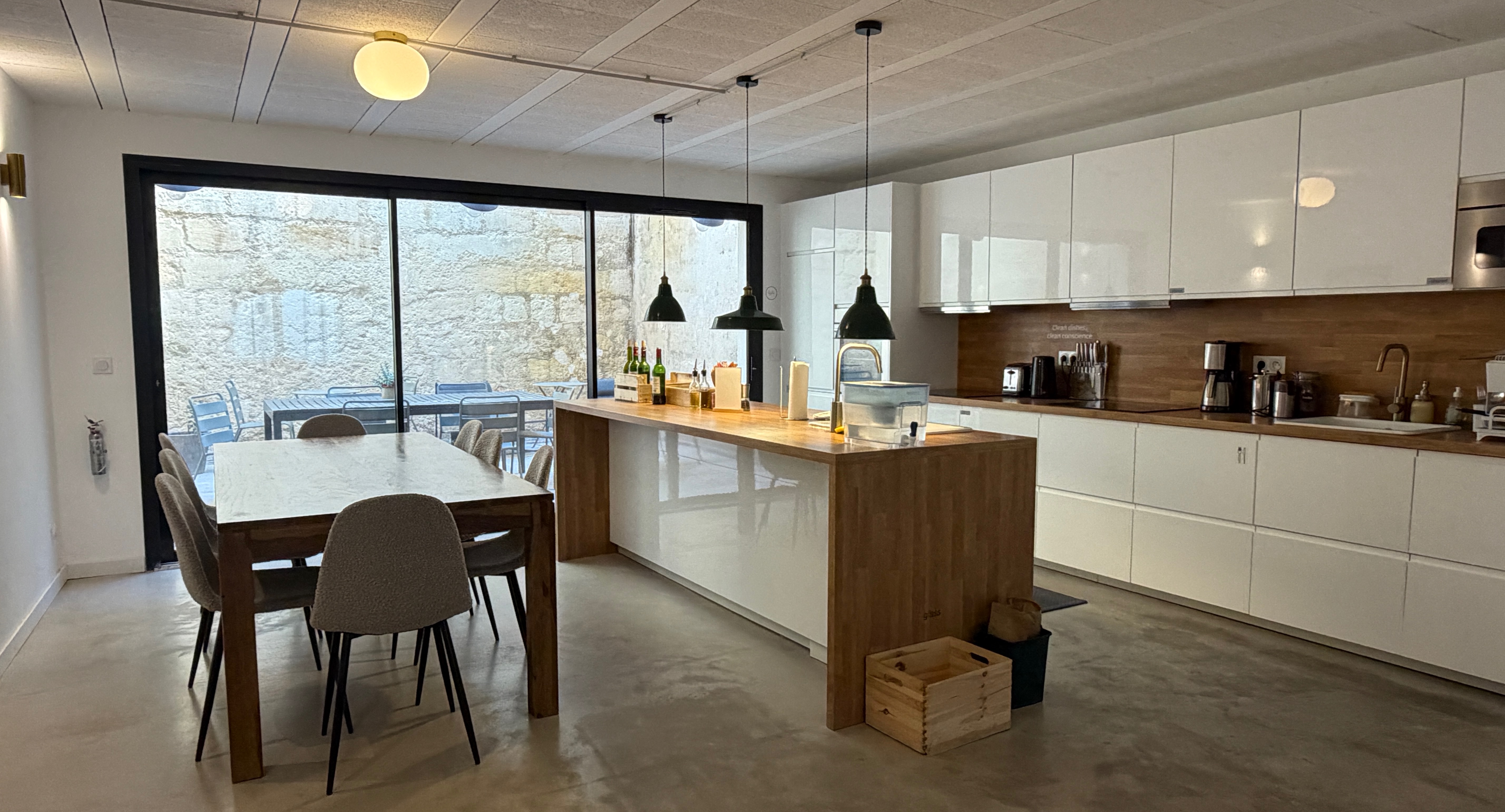
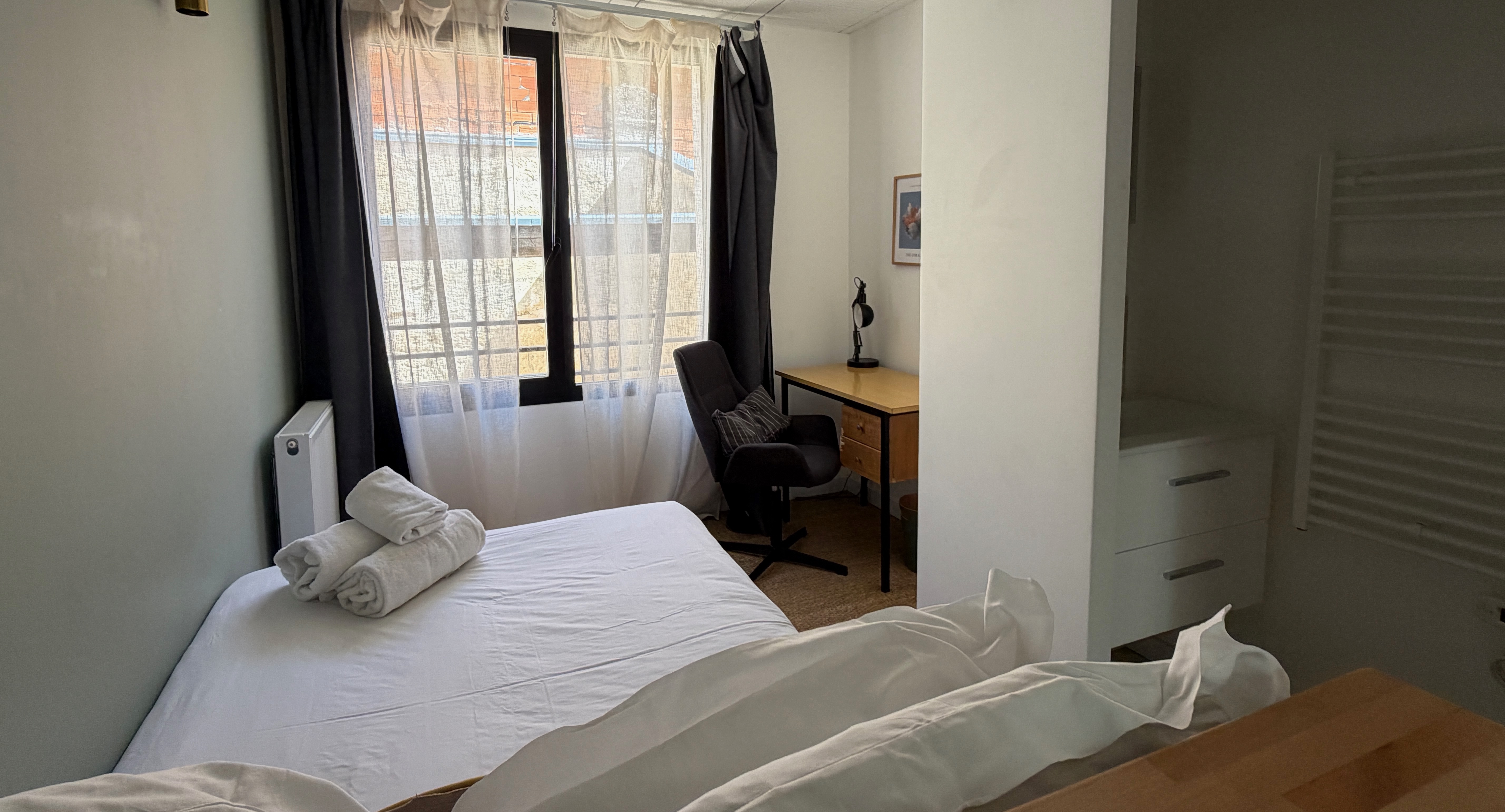
During a recent stay at the Outsite location in Bordeaux, France, the shift from "struggling remote worker" to "productive professional" was immediate. The property functions as a hybrid boutique hotel and incubator.
Infrastructure Highlights
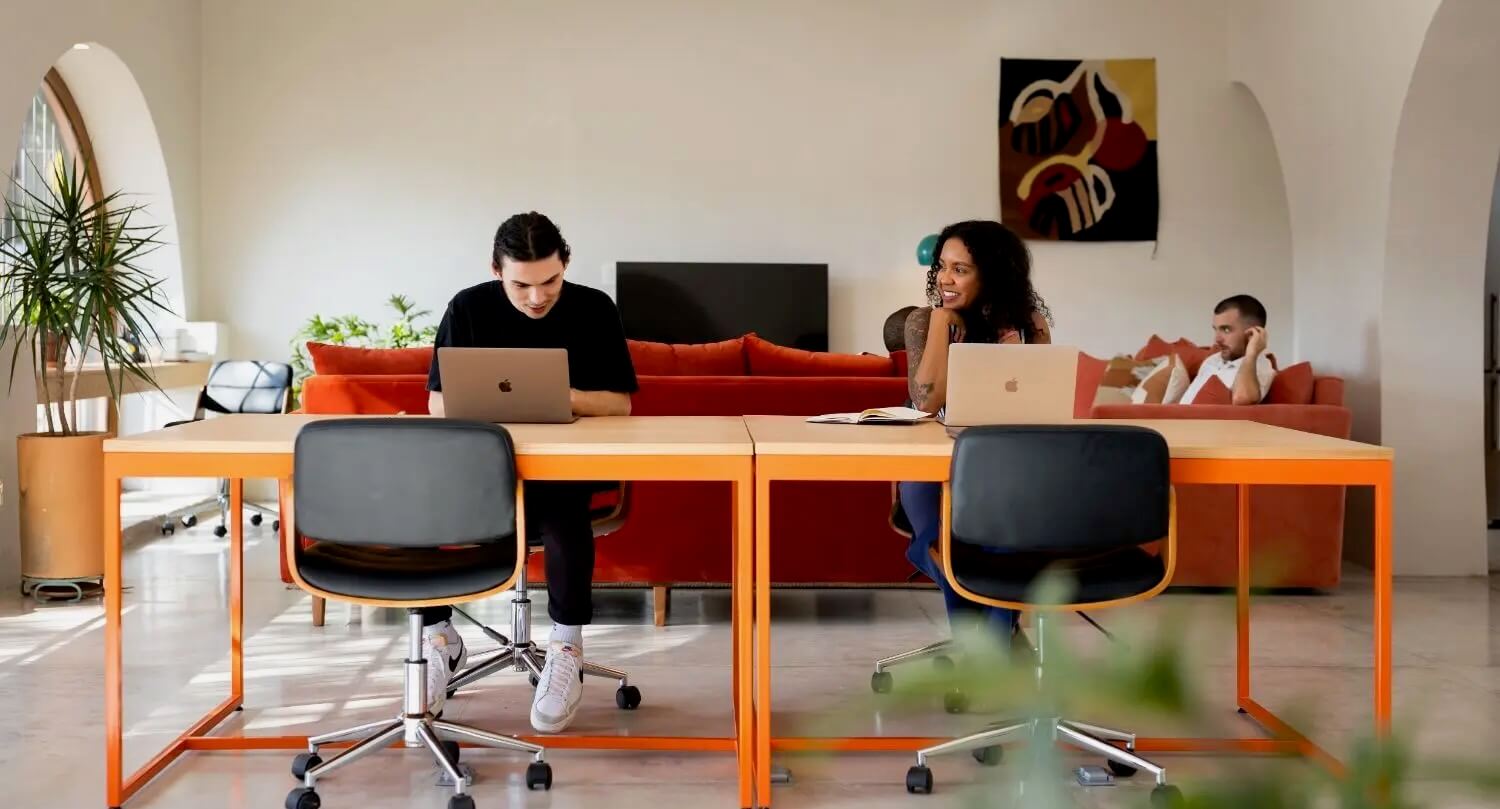
- The Office: Every location features an on-site coworking zone. Unlike a coffee shop, these areas are designed for long-term use, featuring ergonomic chairs, dedicated monitors, and enterprise-grade Wi-Fi that handles high-bandwidth tasks without latency.
- Communal Living: The kitchens are professional-grade, designed for communal cooking. Daily cleaning services ensure that shared spaces remain pristine, removing the common "shared house" tension regarding hygiene.
- Design Philosophy: The interiors prioritize biophilic design—plenty of natural light, local art, and indoor greenery. The atmosphere is intended to mirror a "cool friend’s house" rather than a sterile corporate office or a budget hostel.
Official Perspective and Community Governance
A crucial, yet often overlooked, component of the Outsite model is the Community Manager. Every location is assigned a lead responsible for curation and integration.
"The goal is not just to house people, but to facilitate connections," says the Outsite management team. By managing a local WhatsApp group, facilitating family-style dinners, and organizing weekend excursions, the community manager bridges the gap between the traveler and the local environment.
This model addresses the psychological aspect of remote work. By curating a group of like-minded professionals—ranging from entrepreneurs to corporate employees—the platform ensures that the social environment is supportive of a professional lifestyle, rather than a distraction from it.
Implications: The Future of the Workforce
The rise of platforms like Outsite signals a broader societal shift. We are witnessing the death of the "two-week vacation" model in favor of "work-from-anywhere" integration. This has several major implications for the future of work:
- Corporate Flexibility: As companies realize their employees can be as productive in Bordeaux as they are in a cubicle in Chicago, the pressure to maintain physical headquarters will continue to decrease.
- The Professionalization of Travel: Travel is no longer just for leisure; it is becoming a legitimate way to manage one’s career. Coliving spaces act as the infrastructure for this "Global Citizen" workforce.
- Community-First Real Estate: The commercial real estate sector is already responding. We are seeing a surge in developments that prioritize "plug-and-play" living, where the boundary between home and office is permanently blurred.
Frequently Asked Questions (FAQ)
Is Outsite suitable for backpackers?
No. Outsite targets working professionals in their late 20s to 40s. The culture is centered on productivity and professional networking, not the "party hostel" atmosphere.
What is the minimum stay?
Most locations require a minimum of two nights, though high-demand cities or locations with strict local regulations may require a 30-day minimum.
Are pets allowed?
Generally, no. Due to the communal nature of the kitchens and workspaces, Outsite maintains a strict policy to ensure the comfort of all residents and to mitigate allergy risks.
Do I need a membership to book?
You can book as a non-member, but the membership fee is an investment. Given the significant discounts on nightly rates and access to members-only properties, it is generally considered the most cost-effective route for anyone planning to stay for more than a few days per year.
Conclusion: Finding Your Tribe
The modern digital nomad no longer has to choose between a productive career and a vibrant, travel-filled life. By prioritizing workspaces that offer the reliability of an office and the comfort of a high-end home, platforms like Outsite have effectively removed the friction from the location-independent lifestyle.
For those looking to transition into this space, the advice remains the same: treat your environment as a tool for success. Whether you are working from a historic building in Bordeaux or a modern villa in Costa Rica, your surroundings should enable your output, not hinder it. By joining a community of like-minded professionals, you aren’t just finding a place to sleep—you are finding a support system that makes the world feel a little smaller, and your career a lot more adventurous.