Beyond the Snapshot: Why Immersive Travel is the New Gold Standard
For decades, the prevailing image of travel has been one of extraction: arriving at a destination, checking off a list of landmarks, snapping a photograph, and moving on. This "passive tourism" model, while popular, often leaves the traveler with a superficial understanding of the culture they are visiting. As the global travel landscape evolves, a growing number of individuals are rejecting this transient approach in favor of something more profound: long-term immersion.
To truly understand a place, you must do more than visit; you must live there. This shift from "tourist" to "resident" is moving beyond the ephemeral appeal of the "digital nomad" lifestyle, giving rise to a more grounded, sustainable, and authentic way of seeing the world.
The Problem with Traditional Tourism: A Shallow Experience
Most travel is inherently transactional. You show up, pay for a service, consume an experience, and depart. Even long-term backpackers who pride themselves on being "anti-tourists" often fall into the same trap, merely stretching the same extractive cycle over a longer period while attempting to minimize costs.
The fundamental disconnect, as seasoned travelers often observe, lies in the barrier between the visitor and the host. We harbor fantasies of cinematic moments where we effortlessly befriend locals and are ushered into the inner sanctum of their daily lives. In reality, the logistics of travel often prevent this. Residents in popular destinations are rarely seeking to build deep, lasting relationships with travelers who are just passing through. Consequently, most tourists exist in a bubble, disconnected from the actual pulse of the local community.
The Rise of Structured Immersion
The antidote to this alienation is staying long enough to contribute. When you transition from a spectator to a participant, you stop floating above the local economy and begin to integrate into it. However, the hurdle for many is the complexity of moving abroad: visa bureaucracy, the hunt for stable housing, the competitive nature of the local job market, and the isolation that often accompanies solo travel.
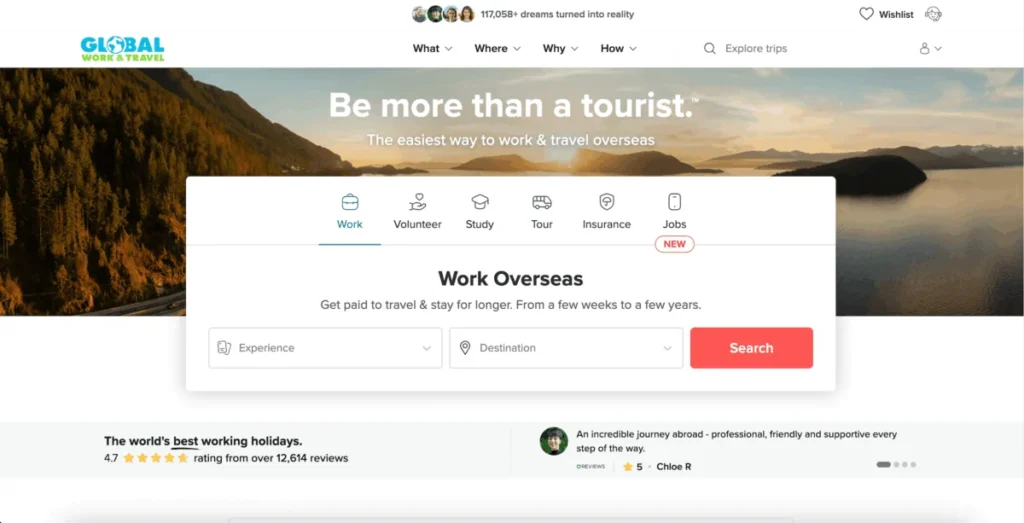
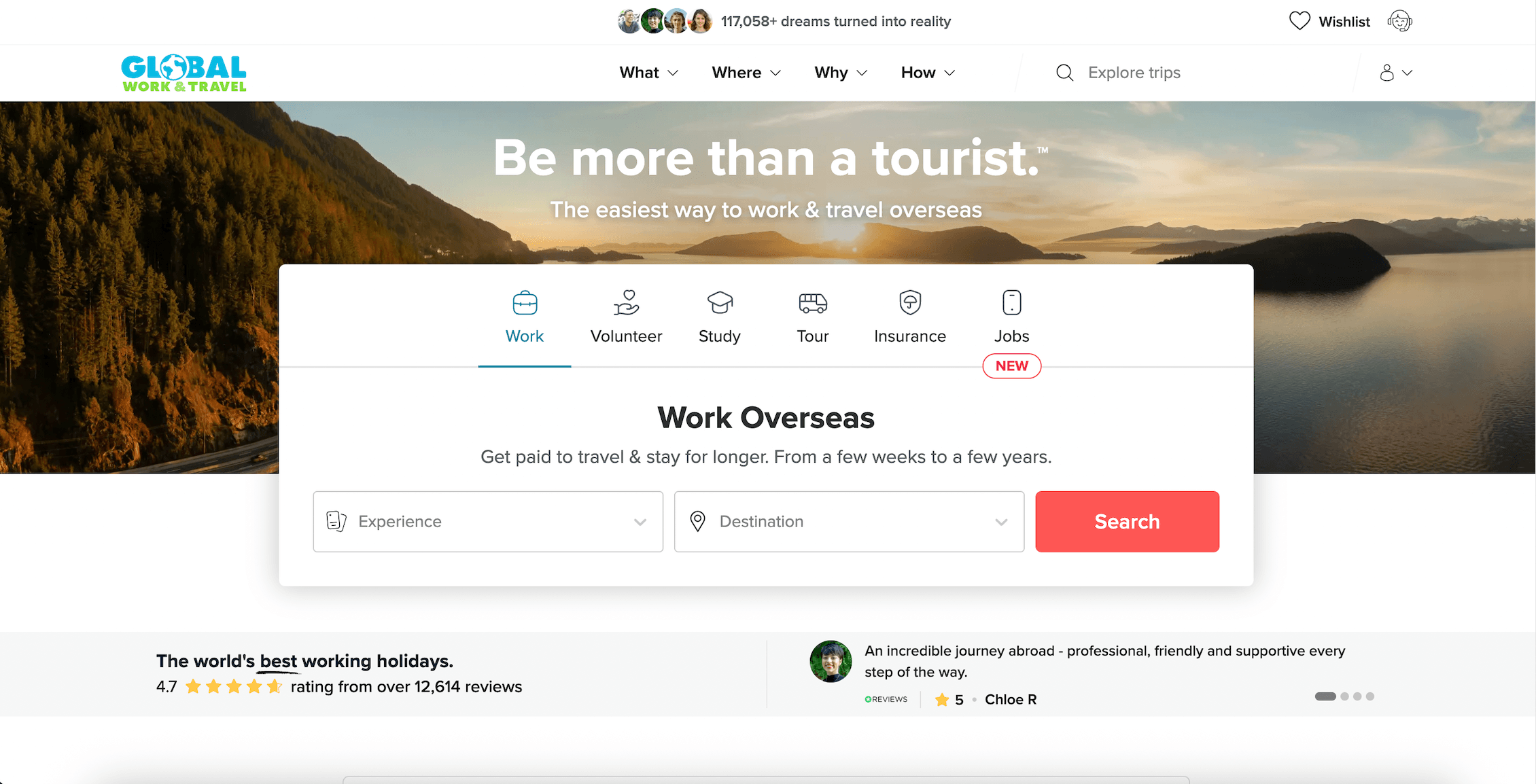
This is where specialized organizations have stepped in to provide the "scaffolding" necessary for meaningful international living. Companies like Global Work & Travel have emerged as leaders in this space, acting as a bridge between the dream of living abroad and the reality of navigating international systems. With nearly two decades of experience and over 116,000 placements, these organizations have refined the process of integrating travelers into foreign environments, whether through working holidays, teaching positions, or ethical volunteer programs.
Chronology of a Shift: From Digital Nomadism to Working Holidays
To understand the current trend, one must look at the evolution of long-term travel over the last decade.
- 2014–2019: The Digital Nomad Peak: The "digital nomad" archetype defined this era. The goal was simple: bring your own job, earn in a strong currency, and live in a low-cost destination. While aspirational, this model was limited to a specific demographic—those with remote-capable careers, high income, and significant job security.
- 2020–2022: The Great Pause: The global pandemic forced a rethink of international mobility. Travelers began to value security, support systems, and the desire to stay in one place for longer periods rather than hopping between borders.
- 2023–Present: The "Working Holiday" Resurgence: A new generation of travelers is rejecting the isolation of coworking spaces. They are opting for local employment—working in hospitality, agriculture, conservation, or education—which naturally forces social interaction and local integration.
This is the "new nomadism." Instead of bringing your job with you, you secure one upon arrival. You have coworkers, a daily routine, and a genuine reason to engage with the community. You are no longer an outsider looking in; you are a participant in the local economy.
Supporting Data: Why Structure Matters
For those attempting to move abroad independently, the attrition rate is high. The "logistics fatigue"—endless interviews, searching for apartments, and navigating complex visa requirements—often leads to burnout before the trip even begins.
Global Work & Travel’s operational model is designed to mitigate these exact pain points. By providing pre-departure support, visa guidance, and a dedicated portal (gWorld), they offer a safety net. Data from the organization suggests that first-time travelers who use these support structures are significantly more likely to complete their intended duration abroad compared to those attempting to navigate the process in total isolation.
The range of opportunities is vast:
- Working Holidays: Primarily for those aged 18–35, allowing for a year of cultural immersion with the financial stability of a local paycheck.
- Teaching English: Providing a path to reside in countries like Thailand, Japan, or Spain with professional certifications and placement.
- Conservation Volunteering: Focused on specific, vetted projects that address community-defined needs rather than profit-driven tourism.
Ethical Volunteering: A Critical Perspective
It is impossible to discuss volunteer travel without addressing the "voluntourism" critique. There are, undeniably, programs that prioritize profit over impact, leaving communities burdened rather than helped.
The industry is currently undergoing a necessary professionalization. Organizations that prioritize transparency, such as Global Work & Travel, are now conducting rigorous vetting of their programs. They focus on areas where the impact is tangible: wildlife rehabilitation in South Africa, elephant sanctuaries in Thailand, and community infrastructure projects in Zanzibar.
When a traveler works alongside local communities on problems they have identified as priorities, the dynamic shifts. It ceases to be an act of charity and becomes an act of partnership. This, according to veteran travelers, is the core of "deep travel." It is about understanding the systemic struggles of a place and contributing labor to alleviate them, rather than simply paying a fee to take a photo with a rescue animal.
The Economic and Personal Implications
The transition to a working holiday or an extended volunteer stay has profound implications for both the individual and the destination.
For the Individual:
- Resume Enhancement: International work experience is highly valued in the modern job market. It demonstrates adaptability, language proficiency, and cultural intelligence.
- Financial Sustainability: By working locally, travelers can afford to stay in a destination for months or even a year, rather than being restricted by the budget of a two-week vacation.
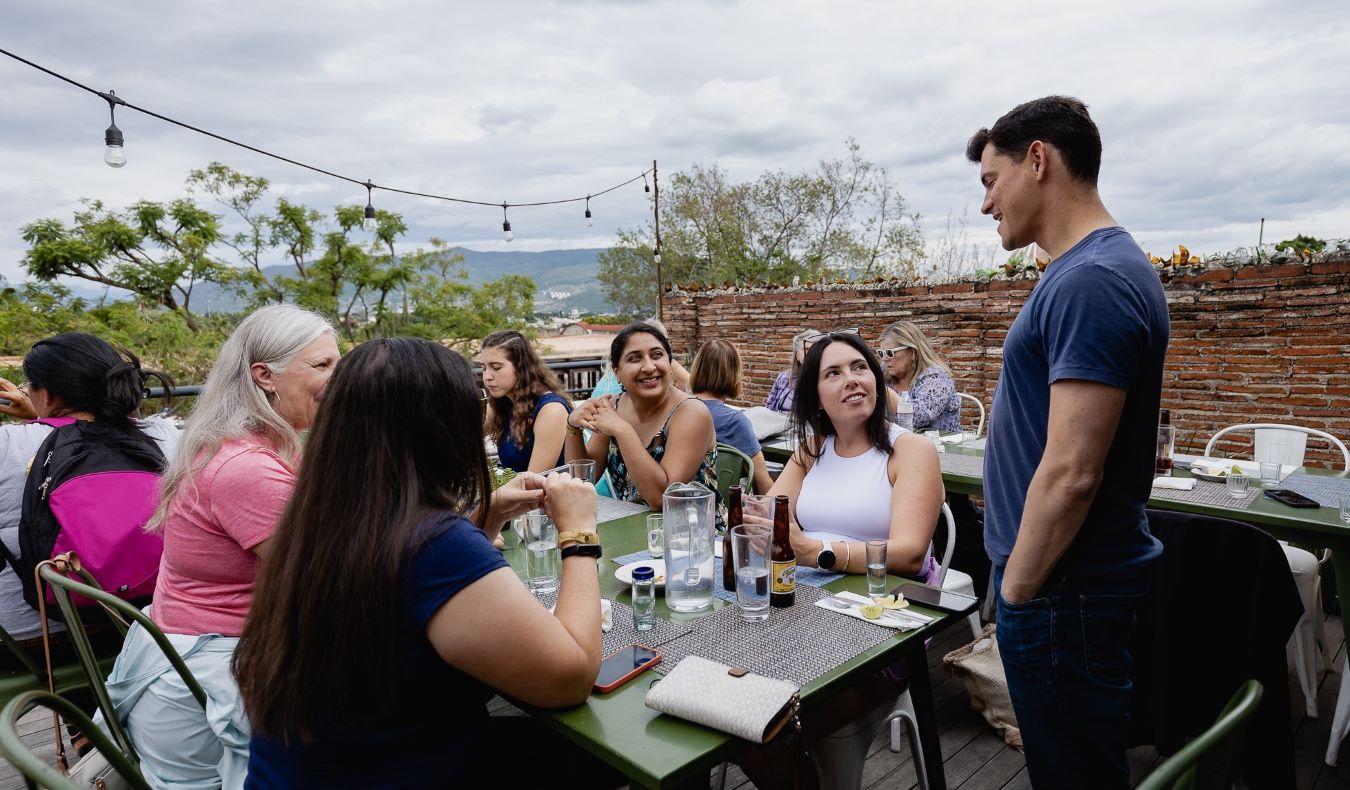
- Authentic Connection: By participating in a daily work routine, the traveler gains access to a social circle that is otherwise impenetrable to the casual tourist.
For the Destination:
- Economic Integration: Travelers who work and live locally contribute to the tax base and stimulate the local service economy, rather than relying solely on high-end, international-chain tourism.
- Capacity Building: Through skilled volunteering, local projects gain access to human capital that might otherwise be unavailable.
Conclusion: The Future of Responsible Exploration
Travel is at a crossroads. As the environmental and social costs of "over-tourism" become increasingly clear, the mandate for the modern traveler is changing. The future is not in seeing more, but in seeing deeper.
Programs that facilitate working holidays and ethical volunteering are doing more than just logistics; they are curating a new way of being a global citizen. They provide the tools for individuals to step off the well-trodden path of the tourist and into the authentic, complex, and rewarding reality of living elsewhere.
For those who have felt that travel was becoming a collection of hollow experiences, the answer is clear: stop passing through. Start contributing. Whether you are teaching in an overseas classroom, working in a coastal café, or participating in a conservation project, the most transformative experiences are found not in the sites you visit, but in the life you lead while you are there.
If you are ready to make the shift from spectator to participant, consider the logistics of your next journey with professional guidance. Use code NOMADICMATT to unlock a $100 discount on your next Global Work & Travel experience.