The Art of the Provençal Table: Chloé Crane-Leroux’s Guide to Effortless, Plant-Based Hosting
By Maeve Wade | September 18, 2026
For visual artist and cookbook author Chloé Crane-Leroux, the South of France is not merely a travel destination; it is a sensory awakening. During her inaugural trip to Provence in 2023, Crane-Leroux described a profound emotional shift, noting that the region felt like her heart had been “cracked open.” It was a visceral realization of belonging that has since dictated the rhythm of her professional and personal life. Today, she navigates a bi-continental existence, splitting her time between the frenetic energy of Manhattan and the sun-drenched, slow-paced landscapes of Provence.
Her deep-seated affinity for the French countryside is not a newfound whim, but rather the flowering of a seed planted in childhood. Growing up, Crane-Leroux was a frequent visitor to Paris and the surrounding rural provinces, absorbing the cultural nuances of French hospitality alongside her family. This lifelong immersion in the art of the art de vivre—the art of living well—has culminated in a new venture: an immersive, five-day retreat at the storied Hôtel Crillon le Brave, scheduled for the spring of 2027.
The Foundations of Hospitality: From Childhood Memories to Modern Retreats
The roots of Crane-Leroux’s hosting philosophy trace back to the kitchen tables of her youth. Her parents were enthusiastic hosts who treated their home as a revolving door for friends and community. “We just always wanted to have friends over, and that’s exactly what my parents did,” she reflects. “They had friends over all the time, and I just really, really loved that.”
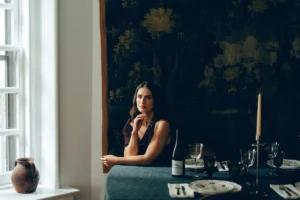
This tradition of open-door hospitality serves as the blueprint for her current work. In her New York City apartment, she maintains this ethos, regularly hosting plant-based dinner parties that prioritize connection over perfection. This approach will be the centerpiece of her upcoming retreat at Hôtel Crillon le Brave. Attendees will be invited into a curated, tactile experience of Provençal life, featuring excursions to local food and antique markets, intimate olive oil tastings, and hands-on workshops that demystify the complexities of plant-based culinary art.
Chronology of a Host: Evolution of Style
Crane-Leroux’s trajectory—from a childhood observer of French social customs to an authority on modern, plant-based hosting—highlights a shift in how we perceive the dinner party.

- Early Childhood: Annual family trips to France instill a deep appreciation for seasonal, market-driven eating.
- Formative Years: Observations of her parents’ hosting style cement the belief that the "perfect" party is defined by warmth and inclusion rather than formality.
- 2023: A life-changing trip to Provence sparks a desire to bridge her professional creative work with her passion for culinary arts.
- 2025–2026: Crane-Leroux establishes a consistent rhythm of travel, refining her plant-based recipes and hosting techniques.
- Spring 2027: The launch of the inaugural A Taste of Provence retreat, marking her formal entry into the world of luxury culinary education.
The Philosophy of the Apéro: Breaking Down Barriers
For those intimidated by the prospect of hosting, Crane-Leroux offers a simple, liberating solution: start with the apéro. The French tradition of the early evening "happy hour" is, in her view, the most accessible entry point for the aspiring host.
“Hosting doesn’t have to be scary,” she explains. “A lot of people get intimidated because they want it to be perfect and they overthink it.” By focusing on small bites and drinks, the host removes the pressure of delivering a multi-course dinner. The apéro acts as a social bridge; it can exist as a standalone event or, should the conversation flow and the wine continue to pour, effortlessly transition into a more substantial meal.
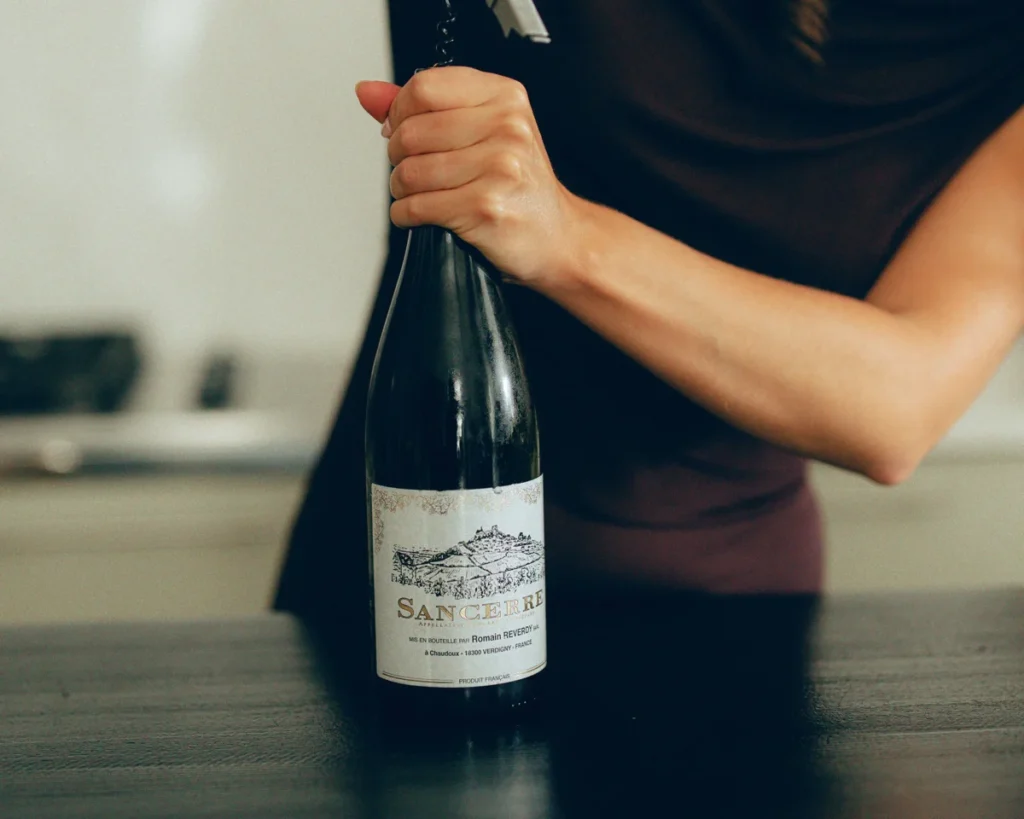
When it comes to beverage pairings, Crane-Leroux favors the simplicity and elegance of wine. Her cellar—or at least her recommendations—are seasonally fluid. She advocates for crisp, refreshing rosés during the warmer months, while shifting toward more robust, "cozy" reds as the temperature drops. However, she remains a staunch supporter of white wines like Sancerre or Chablis, which she views as versatile, year-round staples. For those who prefer a cocktail, she suggests a Lillet spritz garnished with a slice of fresh grapefruit, a drink that embodies the bitter-sweet, refreshing profile typical of the region.

The Aesthetics of Seasonality: Visual and Culinary Integration
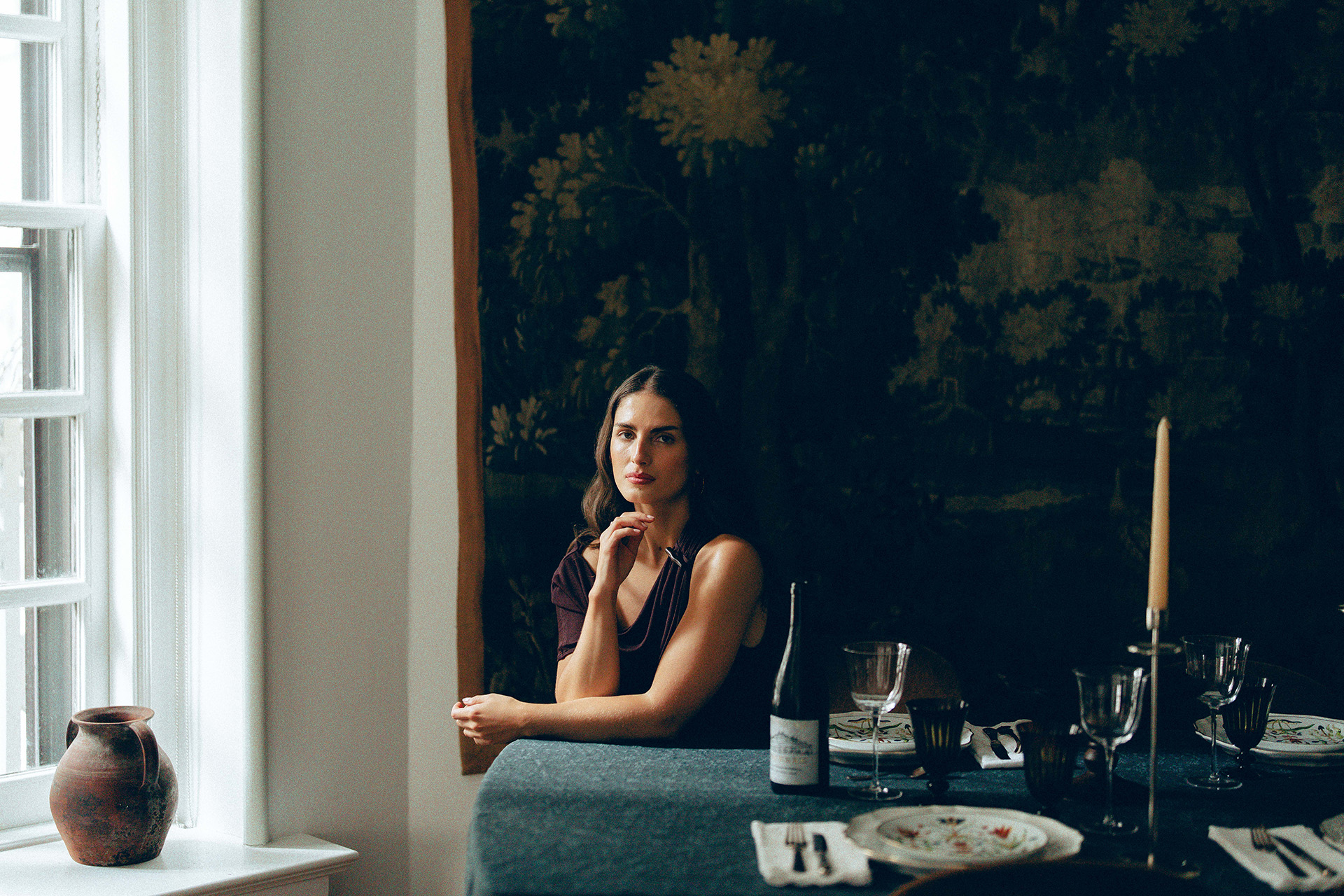
Crane-Leroux’s approach to the dinner table is holistic. She does not view the food and the decor as separate entities, but rather as an integrated sensory landscape. This is best illustrated by her “whimsical tomato tablescape,” where fresh produce is not just consumed, but utilized as a centerpiece. By incorporating seasonal vegetables into floral arrangements and opting for mismatched glassware and varying heights of candlesticks, she creates an environment that feels lived-in and inviting rather than staged.
Her menu planning follows this same logic of seasonality. “Going to the farmers’ market and getting inspired by what is out there is the best way to come up with a recipe,” she says. “Honing into these key ingredients and eating in a way that just feels like how the earth intended is so great.”
Spotlight on the Tian Provençal
A quintessential example of her philosophy is the Tian Provençal. This vegetable-forward dish, which features thinly sliced, layered vegetables, is both a visual masterpiece and a celebration of the harvest. Unlike the rustic chaos of a standard ratatouille, the Tian is structured and geometric, providing a sophisticated centerpiece for a plant-based meal.

Supporting Data: Why Plant-Based Pairing Works
There is a pervasive myth that plant-based food is difficult to pair with wine, a notion that Crane-Leroux firmly rejects. She argues that because both wine and produce are products of the soil, they share a fundamental "terroir" that makes them natural companions.
- The Tomato Connection: High-acid, bright wines can mimic the acidity of a vine-ripened heirloom tomato, creating a symbiotic flavor profile.
- Earthy Pairings: Just as red meat has traditionally been paired with heavy tannins, earthy vegetables like roasted squashes or mushrooms find their match in structured, medium-bodied reds or even sparkling Lambrusco.
- The Sweet Balance: Utilizing dessert wines like Port for fruit-based desserts—such as a cherry galette—highlights the natural sugars of the produce while balancing the pastry’s fat content.
Implications for the Modern Host
Crane-Leroux’s influence extends beyond the recipe; she is redefining what it means to be a "consummate host" in an era of digital disconnection. By encouraging hosts to allow guests to contribute—specifically by handling dessert—she promotes a collaborative environment that reduces the host’s stress.
“It lifts a little bit of weight off of me from cooking,” she notes. Her advice is to let guests bring the cake or tart, while the host provides the "signature touch"—perhaps a homemade caramel drizzle, shaved high-quality chocolate, or a scattering of edible flowers. This hybrid approach—part-curated, part-communal—is the future of home entertaining.

Conclusion: Bringing the South of France Home
Whether you are hosting a formal dinner or a casual afternoon gathering, Crane-Leroux’s core message is one of grace and intention. By embracing the seasonality of the market, the simplicity of a well-chosen wine, and the warmth of an "open door" policy, anyone can replicate the magic of a Provençal evening.
As she prepares to welcome guests to the Hôtel Crillon le Brave next spring, Crane-Leroux continues to demonstrate that the most memorable dinners are not those that follow a rigid script, but those that celebrate the bounty of the earth and the presence of friends. Her work stands as a reminder that the "art" of hosting is not found in perfection, but in the heart-cracking, soul-warming moments of shared connection.