Redefining Protein Quality: A Public Health Imperative for the 21st Century
Introduction: Challenging a Long-Held Nutritional Dogma
For decades, the concept of "protein quality" in nutrition has largely been defined by its biochemical completeness – specifically, the presence and proportion of essential amino acids. This traditional understanding has historically favored animal-derived proteins, leading to a widespread belief that meat, eggs, and dairy are not only desirable but preferable sources of protein, and that "more protein is better." However, a growing body of scientific evidence, championed by leading public health experts and researchers, is now compelling a profound re-evaluation of this definition. In an era where chronic diseases, not protein deficiency, represent the most formidable public health threats in industrialized nations, a new paradigm is emerging: one that prioritizes the overall impact of protein sources on human health and longevity. This shift suggests that the prevailing definition, rooted deeply in biochemistry, may inadvertently steer public dietary choices in a direction contrary to optimal health outcomes and modern nutritional guidelines.
The Call for Modernization: A Public Health Case
The intellectual groundwork for this redefinition was powerfully articulated in 2019 when Dr. David Katz and his esteemed colleagues, including the renowned Dr. David Jenkins, published a pivotal paper titled "A public health case for modernizing the definition of protein quality." Their work highlighted a critical disconnect: while the conventional definition of protein quality focuses on its amino acid profile, it often overlooks the broader physiological effects that different protein sources exert on the human body.
The existing narrative, which equates "high-quality" protein primarily with animal products, contributes to the perception that increased consumption of meat, eggs, and dairy is beneficial. This perception, however, stands in direct opposition to contemporary nutrition guidelines, which increasingly advocate for a greater emphasis on plant-based foods. The public health implications of this disparity are significant. While protein malnutrition, exemplified by severe conditions like kwashiorkor, remains a tragic reality in many parts of the developing world, it is exceedingly rare in industrialized societies. Here, the primary health challenges are chronic diseases such as heart disease, type 2 diabetes, and certain cancers – conditions that emerging research suggests may be exacerbated by diets high in animal protein.
Katz and Jenkins’ argument is compelling: if the goal of dietary guidance is to foster public health, then the definition of protein quality must evolve beyond mere biochemical metrics to encompass the holistic effects of protein sources on human health, disease prevention, and longevity. This perspective challenges us to look beyond the isolated nutrient and consider the entire food matrix and its long-term impact.
Chronology of Evidence: Unpacking the Impact of Protein Sources
The scientific journey toward understanding the differential effects of animal versus plant protein has been marked by several landmark studies, each adding weight to the argument for a revised understanding of protein quality.
The Groundbreaking Harvard Study (2016)
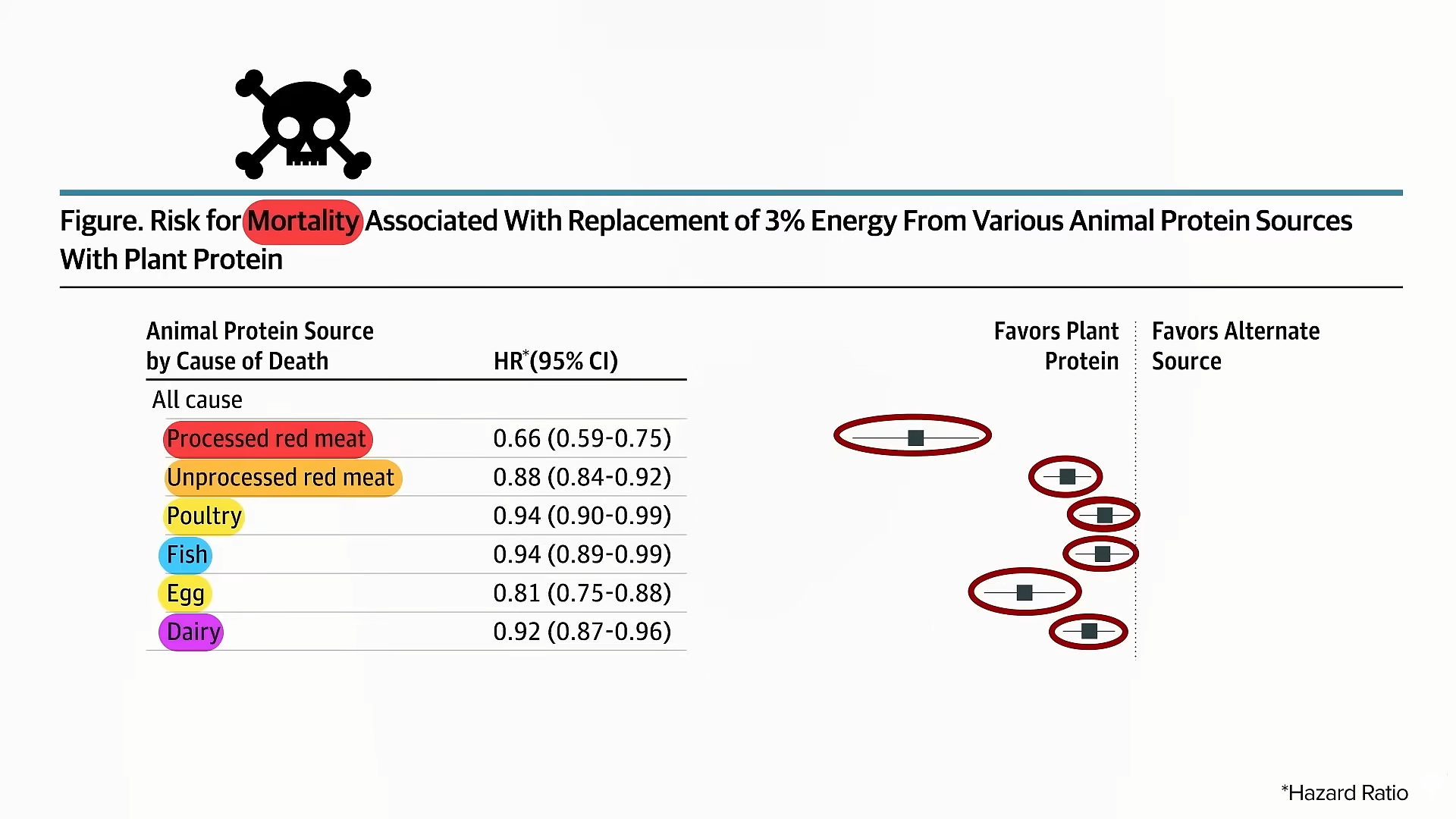
A pivotal moment in this unfolding narrative arrived in 2016 with the publication of a landmark study from Harvard University. This comprehensive research involved an extensive cohort of over 100,000 individuals, making its findings particularly robust and influential. The study’s primary conclusion was stark: the replacement of animal protein with plant protein was significantly associated with a lower risk of premature death.
The analysis meticulously identified specific culprits within the animal protein spectrum. Processed meats, such as bacon, emerged as particularly detrimental, as did protein derived from eggs, specifically egg whites. Perhaps the most striking finding was the significant benefit observed even with a modest dietary adjustment: swapping in just 3% of calories from plant protein in place of any animal protein source – be it processed meat, unprocessed meat, chicken, fish, eggs, or dairy – was associated with a statistically significant reduction in the risk of all-cause mortality. This endpoint, death, is arguably the most crucial measure of overall health impact, underscoring the profound implications of dietary choices on human longevity. The study provided compelling visual evidence, illustrated in corresponding figures, demonstrating the inverse relationship between plant protein intake and mortality.
Reinforcing the Message: The NIH-AARP Diet and Health Study
For those who might consider a study of 100,000 participants insufficient, an even larger cohort study further solidified these findings. The U.S. National Institutes of Health–AARP Diet and Health Study, recognized as the largest diet cohort study in history, encompassed an astounding 400,000 individuals. This monumental research echoed the Harvard study’s conclusions with remarkable consistency.
Once again, researchers observed that simply replacing 3% of daily caloric intake from animal protein with plant protein was associated with a 10% lower overall mortality risk. The benefits were even more pronounced when specific animal products were removed: eliminating eggs from the diet in this context was found to double the mortality reduction benefit. This finding is not entirely surprising, given that extensive research has independently linked egg consumption to an elevated risk of developing cardiovascular disease, a leading cause of premature death globally. The sheer scale and consistent results across these two massive studies lend substantial credibility to the hypothesis that the source of protein, not just its quantity, is a critical determinant of long-term health and survival.

Supporting Data: Mechanisms Behind the Differential Impact
The consistent findings across large-scale cohort studies naturally lead to a fundamental question: how does the body differentiate between protein from a plant and protein from an animal? Is protein not simply protein once digested into amino acids? The answer, as emerging science reveals, is a resounding no. The distinctions are complex and multifaceted, involving not only the amino acid profiles but also the presence of other bioactive compounds and even environmental contaminants.
Beyond Saturated Fat: Unraveling the True Culprits
Initial skepticism might suggest that the negative health outcomes associated with animal protein are solely attributable to the higher levels of saturated fat often found in animal products. However, the researchers in the aforementioned Harvard study meticulously adjusted for factors such as saturated fat intake in their analyses. Their adjustments indicated that the observed negative associations with animal protein persisted independently of saturated fat, suggesting that other components or mechanisms are at play. This moves the focus beyond a simple fat-centric view to a more nuanced understanding of protein’s intrinsic qualities and co-factors.
Branched-Chain Amino Acids (BCAAs) and Metabolic Health
One significant difference lies in the composition of amino acids. Generally, plant proteins tend to be lower in branched-chain amino acids (BCAAs) compared to animal proteins. BCAAs, which include leucine, isoleucine, and valine, are essential amino acids that play crucial roles in muscle protein synthesis. However, an accumulating body of research suggests that chronically high intake of BCAAs, often associated with high animal protein consumption, may have detrimental effects on metabolic health. Decreased consumption of BCAAs has been linked to improvements in insulin sensitivity, glucose metabolism, and overall metabolic function. This suggests a potential mechanism by which plant-based diets, naturally lower in BCAAs, could confer metabolic advantages, reducing the risk of conditions like type 2 diabetes.
Insulin-like Growth Factor 1 (IGF-1) and Cancer Promotion
Another critical player in the differential health impacts of protein sources is Insulin-like Growth Factor 1 (IGF-1). IGF-1 is a powerful growth hormone that, while essential for normal development, can become problematic in excessive quantities in adulthood. Animal protein, often referred to as "high-quality" due to its complete amino acid profile, has been shown to significantly boost IGF-1 levels in the body. Elevated IGF-1 levels have been strongly implicated in the promotion of various cancers and have been linked to accelerated aging processes.
The connection between IGF-1 and adverse health outcomes is not merely correlational; there is strong evidence suggesting a cause-and-effect relationship. Studies have shown that individuals naturally born with higher IGF-1 levels, irrespective of their dietary patterns, exhibit higher rates of severe conditions such as type 2 diabetes and heart disease. This inherent predisposition underscores the potential danger of dietary patterns that further elevate IGF-1, making the animal protein–IGF-1 link a compelling mechanism for increased disease risk.
The Burden of Environmental Pollutants
Beyond intrinsic biochemical differences, an often-overlooked factor is the accumulation of toxic environmental pollutants in the food chain. Industrial pollutants such as dioxins and polychlorinated biphenyls (PCBs) are persistent organic pollutants that bioaccumulate. This means they are absorbed by organisms at lower trophic levels and become increasingly concentrated as they move up the food chain. Consequently, these harmful substances tend to accumulate in the tissues of cattle, pigs, chickens, and fish, ultimately ending up on our plates when we consume animal products.
Plant-based proteins, by contrast, generally carry a significantly lower burden of these toxic pollutants. Therefore, adopting a diet rich in plant protein not only offers direct health benefits through its nutrient profile but also serves as an important step to lower the body’s overall exposure to harmful environmental contaminants of dietary animal-protein origin. This aspect adds another layer of public health concern to the debate surrounding protein quality.
The Cumulative Evidence: Dietary Protein Intake and Mortality
When all available studies on dietary protein intake and mortality are synthesized through meta-analyses, a clear pattern emerges: individuals who consume more protein generally tend to live shorter lives. However, this overarching association is not uniformly distributed across all protein types. Crucially, this harmful association is overwhelmingly driven by the intake of animal protein.
Conversely, plant protein intake demonstrates an inverse association with mortality. This means that those who consume more plant protein tend to live longer, healthier lives. The distinction is profound: higher animal protein intake correlates with increased mortality, while higher plant protein intake correlates with decreased mortality. Visual representations, such as those often presented in nutritional epidemiology, strikingly illustrate this divergence, highlighting the critical importance of protein source.
This body of evidence collectively supports the conclusion that the ideal scenario for human health and longevity involves increasing the intake of plant protein while simultaneously decreasing the intake of animal protein. As one meta-analysis succinctly concluded, "Persons should be encouraged to increase their plant protein intake to potentially decrease their risk of death." This recommendation encapsulates the essence of the modernized understanding of protein quality – one that aligns nutritional science with the imperative of public health in the 21st century.
Official Responses and the Imperative for Updated Guidelines
The mounting evidence challenging the traditional definition of protein quality and highlighting the health advantages of plant-based proteins presents a critical juncture for public health organizations and dietary guideline committees worldwide. Historically, official dietary recommendations have often focused on ensuring adequate protein intake, frequently treating all protein sources as largely interchangeable in terms of their "quality" for adults in industrialized nations, or even subtly favoring animal sources.
However, the compelling data regarding premature mortality, chronic disease risk, and the specific mechanisms like BCAA metabolism, IGF-1 modulation, and pollutant burden, necessitates a fundamental shift in official guidance. Public health bodies can no longer afford to overlook the source of protein when formulating recommendations aimed at disease prevention and population-level health improvement.
The implication is clear: current dietary guidelines need to evolve. They should move beyond merely stating protein requirements to actively advising on the types of protein that promote optimal health. This would involve:
- Explicitly prioritizing plant-based protein sources: Encouraging the consumption of legumes, whole grains, nuts, seeds, and vegetables as primary protein sources.
- Clarifying the nuanced role of animal proteins: Acknowledging their nutritional components but also cautioning against excessive intake, particularly of processed meats and potentially eggs, given their association with increased mortality and cardiovascular disease risk.
- Educating the public on the broader health implications: Moving beyond simple macronutrient counts to explain the metabolic and environmental pollutant aspects that differentiate protein sources.
- Addressing industry influence: Recognizing that the established food industry has a vested interest in maintaining the status quo, and that public health messaging must remain independent and evidence-based, even in the face of commercial pressures.
Updating these guidelines is not merely an academic exercise; it is a public health imperative. Clear, evidence-based recommendations on protein quality could empower individuals to make choices that significantly reduce their risk of chronic diseases, thereby alleviating the immense burden on healthcare systems and improving quality of life across populations.
Implications: A Future Centered on Plant-Forward Nutrition
The comprehensive body of evidence advocating for a modernized definition of protein quality has profound implications, reaching far beyond the confines of nutritional science into the broader spheres of public health, dietary policy, and individual lifestyle choices. The message is unequivocal: prioritizing plant protein over animal protein is a critical strategy for enhancing longevity and mitigating the risk of pervasive chronic diseases that define modern health challenges.
For individuals, the implications are direct and actionable. The consistent findings from studies involving hundreds of thousands of people suggest that even small shifts in dietary patterns—such as replacing a mere 3% of calories from animal protein with plant protein—can yield significant reductions in the risk of premature death. This empowers individuals to make incremental yet impactful changes without necessarily adopting extreme dietary overhauls. Emphasizing whole, unprocessed plant foods like beans, lentils, nuts, seeds, and whole grains becomes not just a healthy choice, but a strategic move towards a longer, healthier life.
From a public health perspective, these findings call for a paradigm shift in how protein is discussed and recommended. The focus must transition from a simplistic view of protein quantity or biochemical completeness to a holistic assessment of its impact on metabolic health, disease progression, and overall mortality. This means re-evaluating food labels, educational campaigns, and dietary guidelines to explicitly champion plant-based protein sources. Such a shift could play a pivotal role in curbing the epidemics of heart disease, type 2 diabetes, and certain cancers that continue to strain healthcare systems globally.
Moreover, the discussion around protein quality extends into related nutritional considerations. The "Doctor’s Note" from the original article hints at several important tangents:
- Caloric Restriction vs. Animal Protein Restriction: The benefits often attributed to caloric restriction may, in part, stem from a coincidental reduction in animal protein intake, suggesting that focusing on protein source might be as, if not more, crucial than simply reducing total calories.
- Branched-Chain Amino Acids (BCAAs): The adverse effects of high BCAA intake on metabolic health further underscore the advantages of naturally lower-BCAA plant proteins.
- The Protein Combining Myth: The outdated notion that different plant proteins must be meticulously combined at each meal to achieve "complete" protein intake has been thoroughly debunked. A varied plant-based diet throughout the day easily provides all essential amino acids.
- Adequate Protein Intake: Concerns about vegetarians and vegans getting "enough protein" are largely unfounded in industrialized societies, as a well-planned plant-based diet readily meets protein requirements.
- Plant-Based Meats: While offering alternatives to animal products, the healthfulness of highly processed plant-based meat substitutes still warrants careful consideration, as they may contain high levels of sodium, saturated fat, or other additives.
In conclusion, the movement to modernize the definition of protein quality is more than a scientific debate; it is a critical public health initiative. By embracing a definition that aligns with the comprehensive evidence on health outcomes, we can foster a future where dietary guidance truly serves the well-being and longevity of populations, encouraging a global pivot towards a plant-forward approach to nutrition. The best of both worlds, it appears, is to consciously and consistently increase the intake of plant protein in our diets, thereby decreasing our risk of disease and extending our healthy lifespans.