Rethinking Potassium: A Deep Dive into Dietary Intake, Kidney Health, and the Evolving Role of Salt Substitutes
Introduction
In the complex tapestry of human health, potassium stands out as a vital mineral, playing an indispensable role in maintaining cellular function, fluid balance, nerve signals, and muscle contractions. Crucially, it is a key player in regulating blood pressure, a silent killer responsible for millions of deaths worldwide each year. While our ancestral diets were inherently rich in potassium-laden plant foods, the modern dietary landscape has shifted dramatically, favoring highly processed, sodium-dense, and potassium-deficient options. This profound dietary imbalance has contributed significantly to the global epidemic of hypertension and its associated health crises.
This article delves into the critical importance of potassium, exploring the historical context of its intake, the contemporary challenges posed by dietary shifts, and the emerging understanding of salt substitutes as a potential intervention. It also critically examines the nuanced relationship between potassium intake and kidney health, challenging long-held dietary restrictions for certain patient populations and advocating for a more holistic, plant-forward approach to nutrition.
Main Facts: The Potassium Paradox and Modern Health
The human body is an intricate system, and maintaining its delicate balance requires a consistent intake of essential nutrients. Among these, potassium is paramount for numerous physiological processes, including the proper functioning of nerves and muscles, maintaining fluid and electrolyte balance, and supporting heart health. A cornerstone of potassium regulation is the kidneys; these vital organs efficiently excrete excess potassium, ensuring blood levels remain within a healthy range for most individuals. However, for those with compromised kidney function, this regulatory mechanism can falter, leading to potentially dangerous elevations in blood potassium.
Our evolutionary journey saw humans thrive on diets predominantly composed of potassium-rich plant foods—fruits, vegetables, leafy greens, roots, and tubers. This ancestral intake is believed to have significantly exceeded current dietary recommendations. Over millennia, our physiology adapted to high potassium and low sodium environments. Yet, the advent of industrial food production and modern dietary habits has inverted this natural balance. Processed foods, laden with added fats, sugars, and sodium, have largely displaced these nutrient-dense plant sources, stripping our diets not only of fiber but also of crucial potassium.
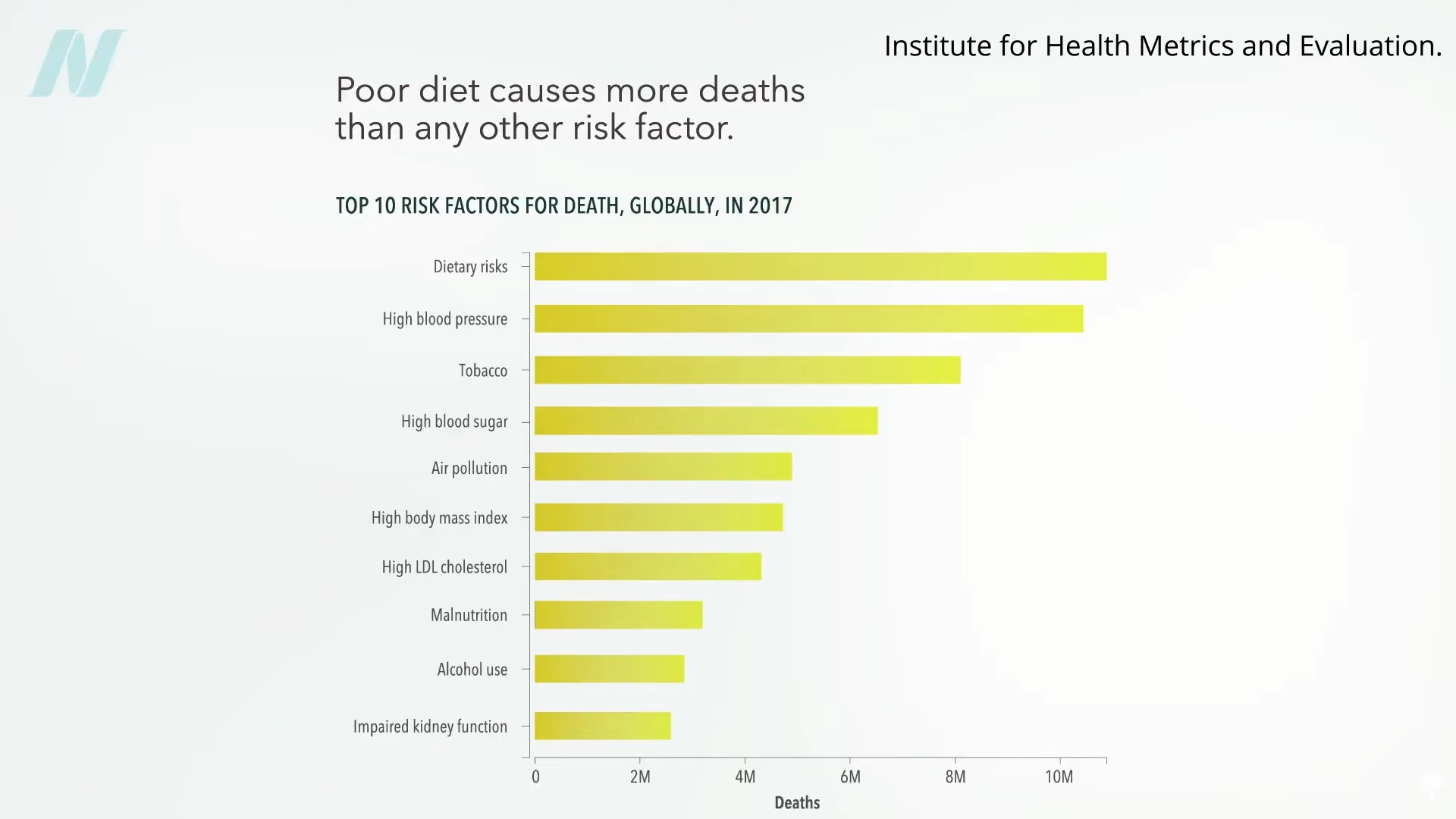
This dietary shift has profound public health implications. High blood pressure, or hypertension, has become the second leading risk factor for death globally, claiming over 10 million lives annually. Only unhealthy dietary patterns themselves rank higher among the global risk factors for mortality. The stark reality is that our collective move away from traditional, plant-based diets, characterized by high potassium and low sodium, has directly fueled this crisis. Addressing this imbalance through increased consumption of whole, healthy plant foods like greens and beans, which are naturally abundant in potassium, is a fundamental step toward lowering blood pressure and improving cardiovascular health.
Given the pervasive nature of high sodium intake alongside insufficient potassium, the discussion naturally turns to the utility of salt substitutes. Potassium chloride, the most common salt substitute, offers a straightforward solution: swapping sodium for potassium. Research has consistently demonstrated the efficacy of this exchange. A comprehensive meta-analysis of numerous randomized controlled trials confirms that replacing sodium chloride with potassium chloride effectively lowers blood pressure. Remarkably, even substitutes containing less than 30% potassium chloride have shown significant results, often without discernible taste differences for most consumers. This presents a compelling opportunity to improve public health without requiring drastic changes in taste perception.
Chronology: From Ancient Diets to Modern Dilemmas
The story of potassium and human health is deeply intertwined with our evolutionary and cultural history, a chronology that highlights a critical divergence in dietary patterns.
Evolutionary Perspective on Potassium Intake
For hundreds of thousands of years, early humans consumed diets vastly different from those prevalent today. Hunter-gatherer societies, the blueprint for human evolution, relied heavily on wild plants, fruits, vegetables, and lean animal protein. These diets were naturally abundant in potassium and remarkably low in sodium. Anthropological and physiological studies suggest that our ancestors’ daily potassium intake could have been as high as 15,000 mg, a stark contrast to the mere 2,500-3,500 mg recommended today, and even lower actual consumption rates in many Western populations. Our kidneys and physiological systems evolved to efficiently process and excrete large amounts of potassium, demonstrating a profound adaptation to a high-potassium environment. This evolutionary legacy underscores our inherent need for this mineral.
The Rise of Sodium and Processed Foods
The turning point arrived with the agricultural revolution, and even more dramatically, with the industrial revolution and the mass production of processed foods. As societies became more complex and food preservation techniques advanced, salt (sodium chloride) became a staple, not just for flavoring but also for extending shelf life. Over the last century, the food industry’s reliance on sodium has skyrocketed, with a vast majority of dietary sodium now coming from processed and restaurant foods rather than the salt shaker at home. Concurrently, the displacement of whole, unprocessed plant foods by calorie-dense, nutrient-poor convenience foods—often rich in added fats, sugars, and sodium—led to a precipitous decline in dietary potassium. This created the modern "potassium-sodium imbalance" that is a hallmark of many contemporary diets.
Emergence of Hypertension as a Global Health Crisis
The chronological progression from traditional, plant-rich diets to modern, processed-food-heavy ones directly correlates with the global surge in non-communicable diseases, particularly hypertension. Before the widespread adoption of high-sodium, low-potassium diets, hypertension was relatively rare in many populations. However, as dietary patterns shifted globally, so too did health outcomes. Today, high blood pressure is a leading preventable cause of premature death and disability, contributing to heart attacks, strokes, kidney failure, and other severe health conditions. The rise of hypertension in lockstep with changes in food systems underscores the critical need to re-evaluate our dietary choices and, where possible, revert to patterns more aligned with our evolutionary heritage.
The Search for Solutions: From Lithium to Potassium Chloride
Recognizing the detrimental effects of excessive sodium, the scientific and medical communities began exploring alternatives. The search for salt substitutes has its own history, not without its cautionary tales. In the 1940s, lithium chloride gained traction as a salt substitute. However, this promising solution was short-lived, as reports quickly emerged of lithium poisoning, leading to severe health complications and ultimately its withdrawal from the market. This early experience highlighted the critical importance of rigorous safety testing for any food additive. Eventually, potassium chloride emerged as a safer and effective alternative, offering the desired salty taste while simultaneously providing beneficial potassium. Its widespread adoption as a primary component in modern salt substitutes marks a significant chronological step in public health efforts to combat hypertension.
Supporting Data: Unpacking the Science of Potassium and Salt Substitutes
The scientific evidence underpinning the benefits of adequate potassium intake and the efficacy of potassium chloride salt substitutes is robust and continually growing. Understanding this data is crucial for informed dietary decisions.
The Critical Role of Potassium in Human Health
Potassium is an essential electrolyte, meaning it carries an electrical charge and plays a vital role in conducting electricity throughout the body. Its primary functions include:
- Fluid Balance: Working in conjunction with sodium, potassium helps regulate the balance of fluids inside and outside cells, crucial for cell function and overall hydration.
- Nerve Signals: It is indispensable for nerve impulse transmission, enabling communication between the brain and the rest of the body, which is fundamental for thought, movement, and sensation.
- Muscle Contractions: Potassium is critical for muscle contraction, including the rhythmic beating of the heart. Imbalances can lead to muscle weakness, cramps, and irregular heart rhythms.
- Blood Pressure Regulation: Perhaps its most recognized role, potassium helps lower blood pressure by counteracting the effects of sodium. It promotes sodium excretion through the urine and helps relax blood vessel walls, thereby reducing arterial stiffness and improving blood flow.
The Alarming Global Burden of Hypertension
As noted, hypertension is a monumental public health challenge. Data from organizations like the Institute for Health Metrics and Evaluation (IHME) consistently show that high blood pressure is the second-leading risk factor for death worldwide, contributing to over 10 million fatalities annually. The consequences of uncontrolled hypertension are severe and include:

- Heart Disease: Increased risk of coronary artery disease, heart attack, and heart failure.
- Stroke: High blood pressure is a major cause of both ischemic and hemorrhagic strokes.
- Kidney Disease: Sustained high blood pressure can damage the small blood vessels in the kidneys, leading to chronic kidney disease and eventually kidney failure.
- Vision Loss: Damage to blood vessels in the eyes can impair vision.
- Cognitive Decline: Long-term hypertension is linked to an increased risk of dementia.
These statistics underscore the urgent need for effective interventions, and dietary approaches, particularly those focusing on potassium, are at the forefront.
Evidence for Potassium Chloride’s Efficacy
The effectiveness of potassium chloride as a blood pressure-lowering agent is well-established through rigorous scientific inquiry. A comprehensive meta-analysis, pooling data from more than a dozen randomized controlled trials, unequivocally demonstrated that replacing sodium chloride with potassium chloride significantly reduces blood pressure. These studies often involved salt substitutes where potassium chloride constituted less than 30% of the total salt mixture, yet still yielded positive results. This suggests that even a partial substitution can confer substantial health benefits. The mechanism involves potassium’s ability to promote sodium excretion and induce vasodilation, both contributing to lower blood pressure. The fact that these benefits can be achieved with minimal or no perceived taste difference for many individuals makes potassium chloride an exceptionally promising public health tool.
Dietary Recommendations vs. Reality
Current dietary guidelines, such as those from the U.S. Department of Agriculture (USDA), recommend a daily potassium intake of approximately 4,700 mg for adults. However, actual consumption patterns in Western societies fall drastically short of this target. For instance, research indicates that a staggering majority—potentially as high as 99.9%—of U.S. adults do not meet the recommended daily intake for potassium. This vast gap between recommendation and reality highlights the systemic problem of modern dietary choices and the pervasive underconsumption of potassium-rich whole foods. Conversely, sodium intake frequently exceeds the recommended upper limit of 2,300 mg per day, further exacerbating the potassium-sodium imbalance.
Safety Profile and Tolerability
Potassium chloride is designated as "Generally Recognized As Safe" (GRAS) by the U.S. Food and Drug Administration (FDA). For healthy individuals with normal kidney function, the body’s natural regulatory mechanisms are highly efficient at managing potassium levels. Excess potassium from food or supplements is simply excreted by the kidneys. Studies have shown no adverse effects from long-term potassium supplementation at doses as high as 3,000 mg per day. Even with intakes as high as 15,000 mg per day—mirroring estimated ancestral levels—healthy kidneys are capable of maintaining blood potassium within the normal range.
The primary concern for healthy individuals regarding potassium chloride salt substitutes often revolves around taste. Some users report a bitter or metallic aftertaste, particularly when using 100% sodium-free versions or on certain dishes. However, many individuals adapt, and often, substitutes with a blend of sodium chloride and potassium chloride (e.g., less than 30% potassium chloride) are indistinguishable from regular salt. Personal anecdotes suggest that taste perception can change over time, and specific applications may yield better results than others.
Kidney Function and Potassium Homeostasis
The kidneys are central to maintaining potassium homeostasis. They regulate blood potassium levels with remarkable precision, excreting excess amounts through urine and reabsorbing it when levels are low. This intricate process involves various channels and transporters in the renal tubules. When potassium intake increases, healthy kidneys respond by ramping up excretion, thereby preventing dangerous accumulation in the blood. This robust regulatory capacity is why healthy individuals generally do not need to worry about consuming too much potassium from dietary sources or even moderate supplementation.
Hyperkalemia: Understanding the Risks and Thresholds
While healthy kidneys are highly efficient, there are limits. The normal range for potassium levels in the blood is typically between 3.5 and 5.0 mmol/L. Levels above 5.5 mmol/L are considered hyperkalemia, becoming concerning when they start creeping towards 6 mmol/L or higher, as this can lead to serious cardiac arrhythmias.
In healthy individuals, achieving hyperkalemia through diet alone is exceedingly rare and usually requires extreme, sustained consumption. For example, a documented case of hyperkalemia involved an individual consuming up to 20 bananas a day for years, alongside little else. Similarly, attempting to consume 10 pounds of carrots daily (equivalent to about 75 carrots), often via juicing in the context of unproven "cancer cures," can also lead to dangerously high potassium levels and other nutrient imbalances. These extreme scenarios highlight that such levels are not typically reached through a balanced, varied diet.
Regarding salt substitutes, even with daily potassium chloride supplementation averaging around 2,000 mg (as seen in some salt substitution trials), blood potassium levels typically only increase by a minor increment, such as from 4 to 4.14 mmol/L, well within the safe range for healthy individuals.
However, the historical context of salt substitutes also includes extreme dangers. A 1940s report highlighted lithium poisoning from salt substitutes, as lithium chloride was briefly used. More recently, while rare, there have been instances of individuals ingesting massive, suicidal doses of potassium chloride salt substitutes, resulting in fatality. It’s important to note that even regular table salt (sodium chloride) can be lethal in extremely large, single doses, a method of suicide reportedly practiced in ancient China. These extreme cases underscore that while dietary potassium is safe, any substance consumed in deliberately toxic amounts can be dangerous.
Official Responses: Navigating Guidelines and Public Health Policies
The official stance of health organizations and regulatory bodies on potassium and salt substitutes reflects a cautious but evolving understanding of their public health implications.
Regulatory Stance on Potassium Chloride
As previously mentioned, the U.S. Food and Drug Administration (FDA) has classified potassium chloride as "Generally Recognized As Safe" (GRAS). This designation signifies that, based on extensive scientific data and expert opinion, potassium chloride is considered safe for its intended use in food. The GRAS status facilitates its use in a wide range of food products, including as a salt substitute, without requiring the more stringent pre-market approval process of a new food additive. This regulatory endorsement is critical for its availability and integration into the food supply. However, the GRAS status is primarily for healthy populations and standard dietary usage, not for therapeutic or extremely high-dose applications.
Evolving Dietary Guidelines for Kidney Patients
Historically, dietary recommendations for individuals with kidney disease have been highly restrictive regarding potassium-rich foods like fruits and vegetables. The rationale was simple: impaired kidneys struggle to excrete potassium, leading to a risk of hyperkalemia. However, this paradigm is undergoing a rapid and significant shift.
The medical community is increasingly recognizing the profound benefits of a plant-based diet, even for those with chronic kidney disease (CKD). Emerging evidence suggests that a whole-food, plant-based diet can not only ameliorate CKD but also slow its progression and delay kidney failure. Fruits, vegetables, legumes, and whole grains are rich in fiber, antioxidants, and phytochemicals that can reduce inflammation, improve gut health, and lower blood pressure—all factors beneficial for kidney health.
Consequently, the practice of universally restricting dietary potassium in kidney patients is being re-evaluated. Many experts now advocate for reserving strict potassium restriction only for patients with documented hyperkalemia (potassium levels of 6 mmol/L or higher). For many CKD patients, the cardiovascular and renal protective benefits of a plant-rich diet likely outweigh the theoretical risk of hyperkalemia, provided their potassium levels are regularly monitored. This represents a significant departure from traditional advice and reflects a more nuanced, individualized approach to patient care.
Public Health Challenges and Policy Implications
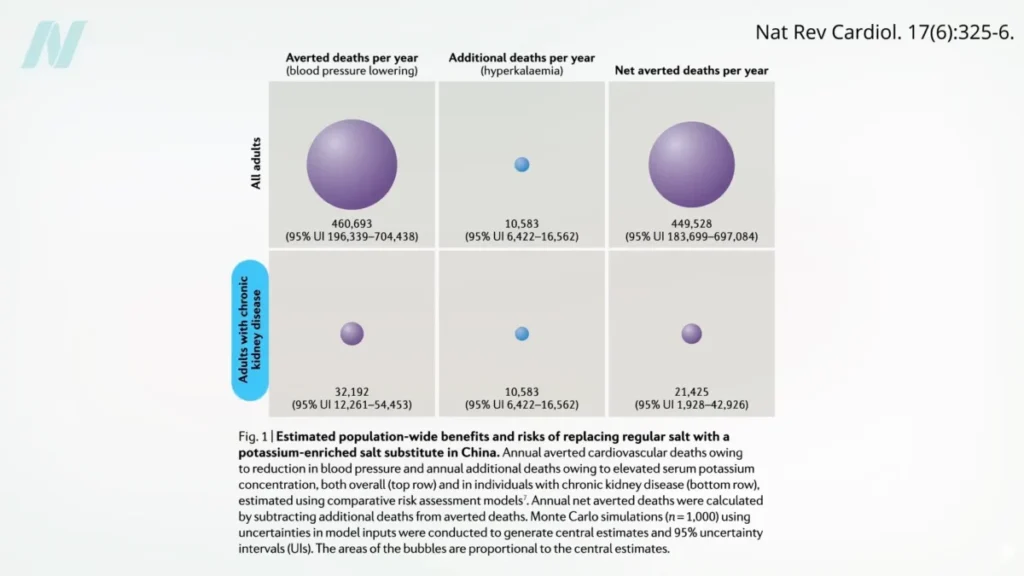
Despite the clear benefits of potassium chloride salt substitutes in lowering blood pressure, there has been a significant reluctance among public health agencies to universally push their adoption at a population level. This hesitancy stems primarily from concerns about the small but vulnerable segment of the population with severely impaired kidney function, who could be at risk of hyperkalemia if their potassium intake significantly increases.
This population includes individuals with known kidney disease, diabetes (which can lead to kidney damage), severe heart failure, those on specific medications that impair potassium excretion (e.g., certain diuretics, ACE inhibitors), older adults, and individuals with adrenal insufficiency. For these groups, unchecked potassium intake could indeed become a serious issue. Therefore, any population-wide intervention would require robust screening mechanisms or clear public health messaging to identify and protect these at-risk individuals. The challenge lies in balancing the significant potential to save lives through widespread blood pressure reduction with the need to safeguard a vulnerable minority.
Implications: Towards a Healthier Potassium-Sodium Balance
The insights gained from understanding potassium’s role, the impact of modern diets, and the utility of salt substitutes carry significant implications for individual health choices and broader public health strategies.
Empowering Dietary Choices for Better Health
The most direct and universally beneficial implication is the empowerment of individuals to make dietary choices that naturally increase potassium and reduce sodium intake. This primarily involves a conscious shift towards a diet rich in whole, unprocessed plant foods. Incorporating more fruits, vegetables, leafy greens, legumes, and whole grains into daily meals is not just about potassium; it’s about embracing a nutrient-dense eating pattern that supports overall health and significantly reduces the risk of chronic diseases. This fundamental dietary change forms the bedrock of a healthier potassium-sodium balance.
The Role of Salt Substitutes in a Modern Diet
For many, salt substitutes, particularly those containing potassium chloride, can serve as a valuable tool in the transition to lower-sodium, higher-potassium eating. They offer a practical way to reduce sodium intake without sacrificing flavor, especially for those accustomed to heavily salted foods. However, it’s crucial to view them as an aid rather than a complete solution. Salt substitutes should complement, not replace, the broader goal of increasing whole plant food consumption and reducing reliance on processed foods. Consumers should be aware of the different types of salt substitutes available, considering those with lower percentages of potassium chloride if taste is a concern, or if they have mild kidney issues.
Personalized Nutrition and Medical Guidance
The nuanced understanding of potassium’s interaction with kidney function highlights the imperative for personalized medical guidance. For healthy individuals, the risks associated with increased dietary potassium or the moderate use of potassium chloride salt substitutes are minimal. However, for those with pre-existing conditions—such as kidney disease, diabetes, heart failure, or those taking specific medications—consulting a healthcare professional is non-negotiable. Doctors can assess individual kidney function, review medication lists, and provide tailored dietary advice, including whether salt substitutes are appropriate and at what level of consumption. The simple act of "asking your doctor about getting your kidney function tested" can be a life-saving first step for many.
Future Directions in Potassium Research and Public Health
The evolving understanding of potassium’s benefits, even for some with kidney disease, suggests exciting future directions for research and public health initiatives. There is a growing movement to explore broader implementation of potassium-based salt substitutes, potentially through reformulation of processed foods or widespread public health campaigns, recognizing the overall population-level benefit in reducing hypertension. Furthermore, continued research into the specific mechanisms by which plant-based diets benefit kidney health will refine dietary recommendations, potentially allowing more kidney patients to safely enjoy the full spectrum of nutritious plant foods. The key to halting the progression of chronic kidney disease might indeed lie, ironically, in the produce aisle, challenging decades of restrictive dietary advice.
Conclusion
Potassium is an unsung hero of our diet, crucial for preventing and managing one of the world’s deadliest conditions: high blood pressure. Our departure from an evolutionarily consistent, potassium-rich diet has contributed to a global health crisis. While increasing whole, unprocessed plant foods is the most impactful strategy, potassium chloride salt substitutes offer a scientifically proven and accessible means to redress the sodium-potassium imbalance.
The safety profile of potassium chloride is robust for the majority of the population, but careful consideration and medical consultation are essential for vulnerable groups, particularly those with compromised kidney function. Yet, even for some individuals with kidney disease, the paradigm is shifting, with plant-based diets now being recognized for their protective benefits. Ultimately, a balanced approach—prioritizing whole foods, judiciously using salt substitutes, and seeking personalized medical advice—holds the promise of significantly improving public health outcomes and fostering a healthier future for all.
Doctor’s Note
If you are in crisis, you can call the National Suicide Prevention Lifeline 24 hours a day, seven days a week, at 800-273-8255.
This article is part of a series exploring mineral intake and salt substitutes. For further reading, please refer to "The Mineral Intake Recommendations Only 1 in 6,000 U.S. Adults Meet" and "Are Potassium Chloride Salt Substitutes Worth Trying?".