The $1.70 Dinner Solution: How Test Kitchen Innovation is Redefining Budget-Friendly Home Cooking
As grocery prices continue to fluctuate and food-at-home costs remain a primary concern for households nationwide, the demand for affordable, highly nutritious, and time-efficient meals has reached an all-time high. In response to this economic pressure, culinary developers are reimagining classic comfort foods to maximize flavor while minimizing expense.
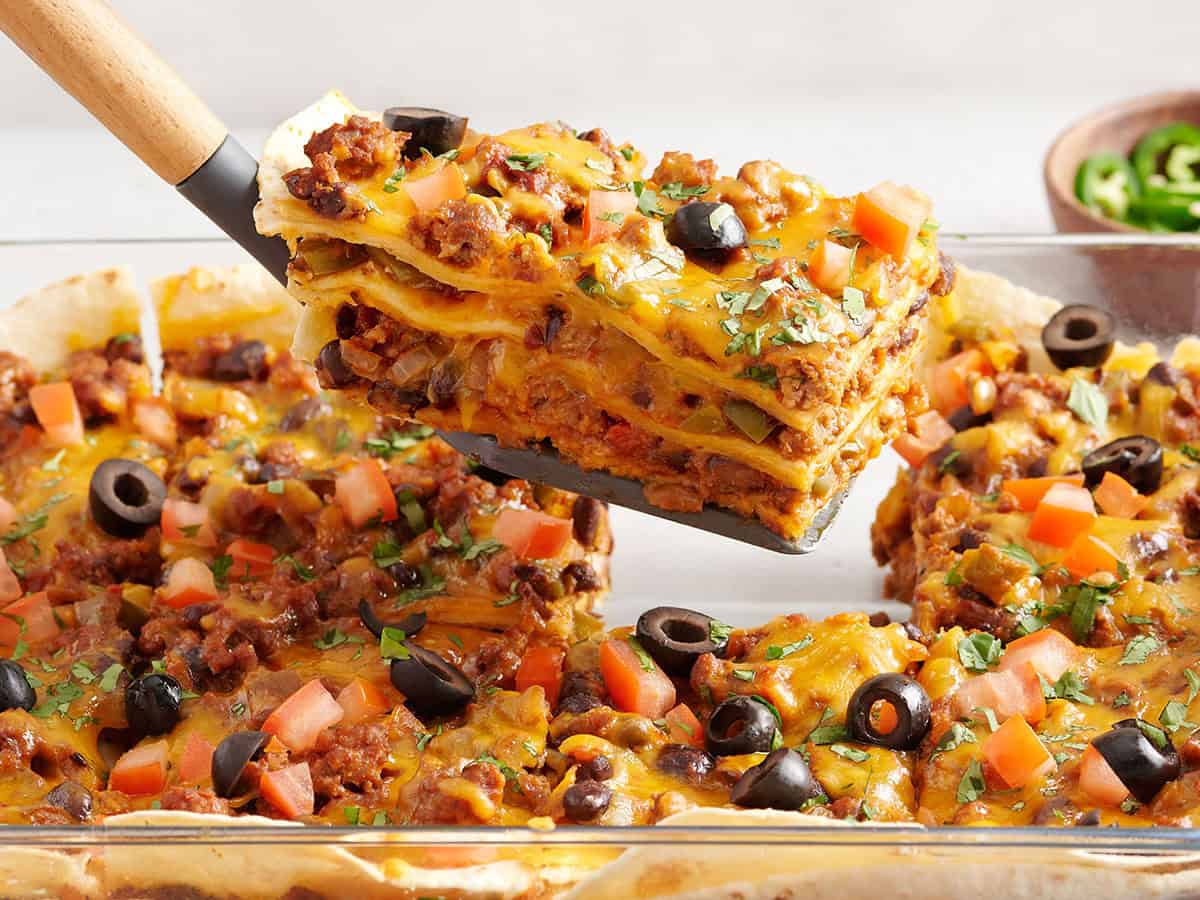
A prime example of this home-economics innovation is the newly released Taco Casserole recipe developed by the Nashville Test Kitchen of the budget-focused culinary platform, Budget Bytes. Designed by professional chef and recipe developer Melissa Nolan, this dish demonstrates how strategic ingredient pairing can stretch a single pound of ground beef into eight hearty servings, bringing the total cost per serving down to an astonishing $1.70. By shifting away from individual taco assembly and utilizing a layered baking method, the recipe offers a scalable, 45-minute solution for busy families looking to replicate the Tex-Mex dining experience at home without the premium price tag.
Main Facts: The Anatomy of a High-Efficiency Casserole
The Taco Casserole is structured as a three-tier bake that utilizes pantry staples and fresh aromatics to deliver a high-yield meal. The foundation of the recipe lies in its ability to expand the volume of meat through the incorporation of fibrous legumes and moisture-rich vegetables.
+-------------------------------------------------------------------+
|                     TACO CASSEROLE AT A GLANCE                     |
+-------------------------+-----------------------------------------+
| Total Recipe Cost       | $13.62                                  |
| Cost Per Serving        | $1.70                                   |
| Total Yield             | 8 servings                              |
| Preparation Time        | 25 minutes                              |
| Cook Time (Bake)        | 20 minutes                              |
| Total Time              | 45 minutes                              |
| Primary Protein         | Ground Beef (80/20) or poultry          |
| Layering Medium         | Burrito-size flour tortillas            |
| Key Flavor Agents       | Custom spice blend, thick/chunky salsa  |
+-------------------------+-----------------------------------------+
Core Structural Elements
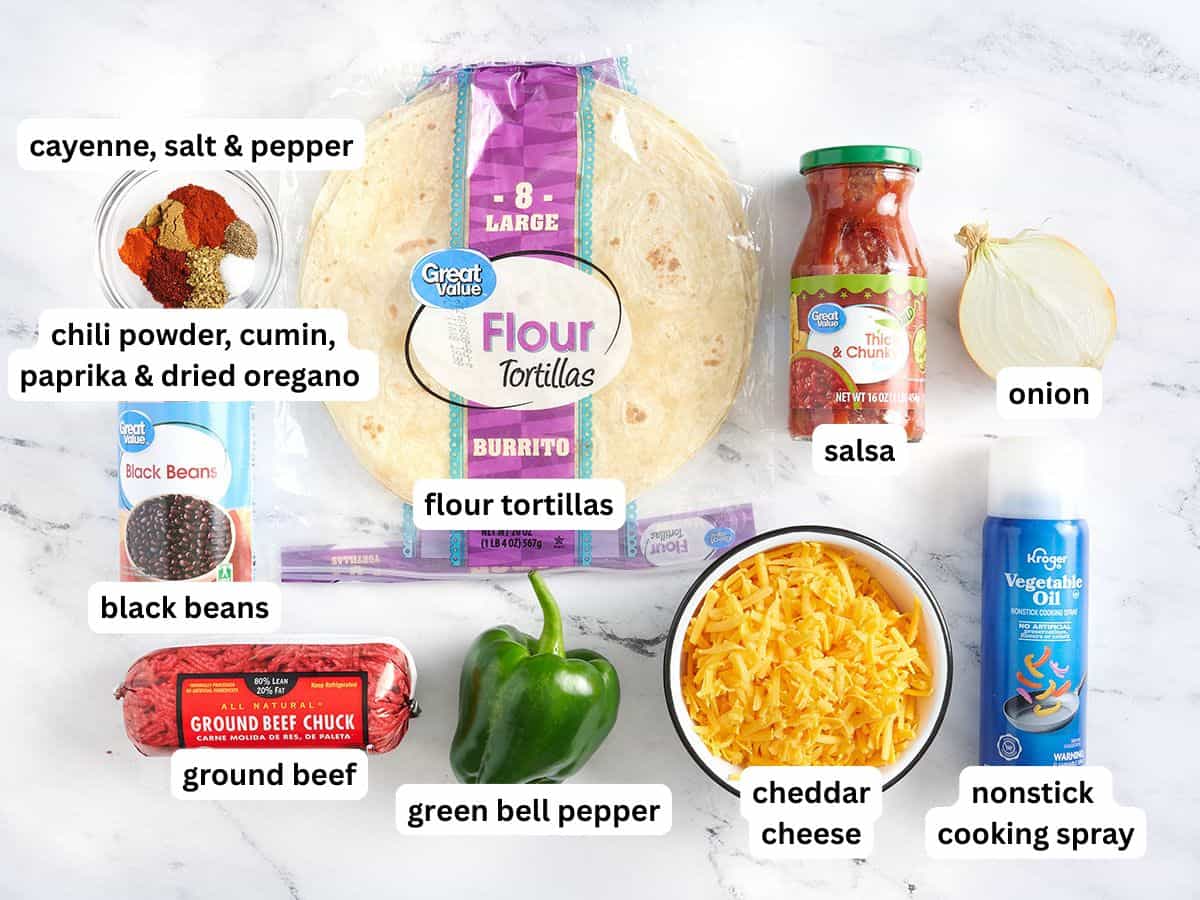
- The Protein Base: One pound of 80/20 ground beef serves as the primary protein. This is paired with a 15-ounce can of drained black beans, effectively doubling the protein volume while adding dietary fiber.
- The Aromatics and Vegetables: Half of a yellow onion and a whole green bell pepper are finely diced and sautéed with the meat, adding moisture, structural texture, and micronutrients.
- The Binding Agent: A 16-ounce jar of mild, thick, and chunky salsa binds the meat mixture. This replaces water and commercial thickening agents, concentrating the flavor without making the casserole watery.
- The Layers: Six large, burrito-sized flour tortillas act as the structural "sheets" of the casserole, mimicking the layering style of a traditional Italian lasagna but utilizing Tex-Mex components.
- The Melt Medium: Shredded cheddar cheese is divided evenly among the three layers, acting as both an adhesive and a rich flavor enhancer.
Chronology of Preparation: From Skillet to Table
The production of the Taco Casserole follows a strict, sequential timeline designed to optimize texture and ensure food safety. By executing the steps in chronological order, home cooks can complete the entire process within the targeted 45-minute window.
[00:00 - 00:05] Prep & Preheat: Set oven to 350°F; dice onions and green peppers.
       │
[00:05 - 00:10] Brown Protein: Sauté beef, onions, and peppers in a hot skillet.
       │
[00:10 - 00:12] Degrease & Season: Drain excess fat; add dry spices to bloom in skillet.
       │
[00:12 - 00:16] Simmer Filling: Stir in black beans and chunky salsa; reduce liquid.
       │
[00:16 - 00:20] Layer Casserole: Assemble tortillas, meat filling, and cheese in 9x13 dish.
       │
[00:20 - 00:40] Thermal Processing: Bake uncovered at 350°F until bubbling and golden.
       │
[00:40 - 00:45] Cool & Rest: Allow casserole to set for 5 minutes before slicing.
Phase 1: Mise en Place and Oven Calibration (Minutes 0–5)
The process begins with preheating the oven to 350°F (177°C) to ensure an even bake. A standard 9×13-inch oven-safe baking dish is lightly coated with nonstick cooking spray. During this initial phase, the fresh vegetables—one-half of an onion and one green bell pepper—are washed and finely diced to ensure uniform cooking.
Phase 2: Protein Searing and Moisture Reduction (Minutes 5–10)
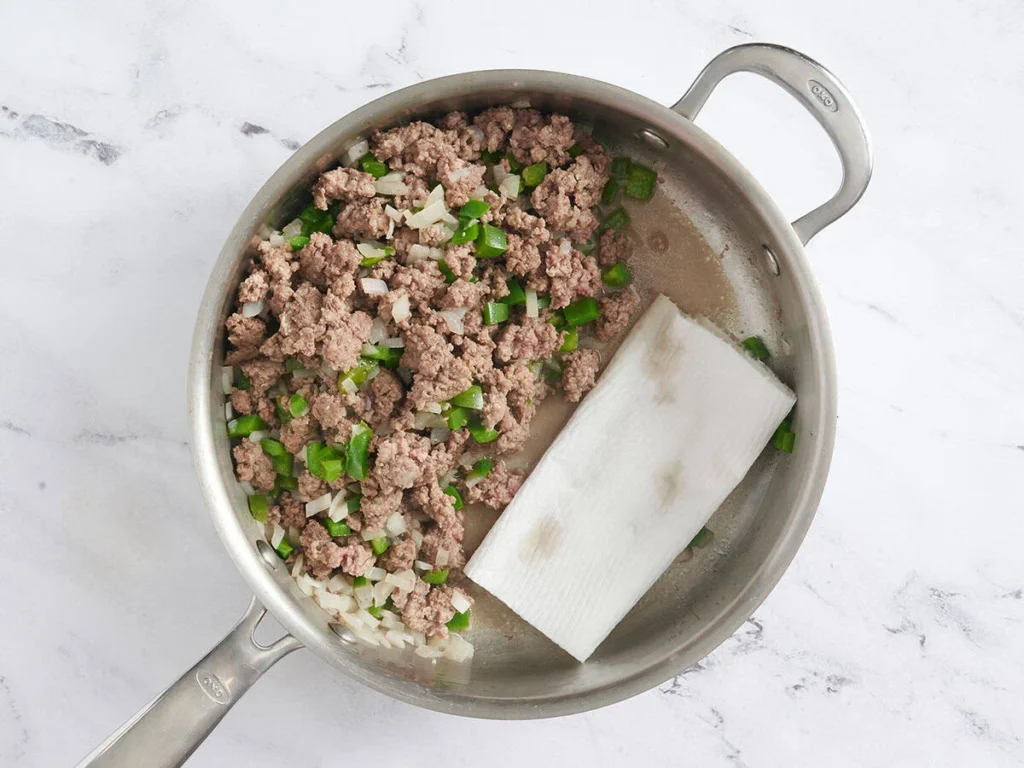
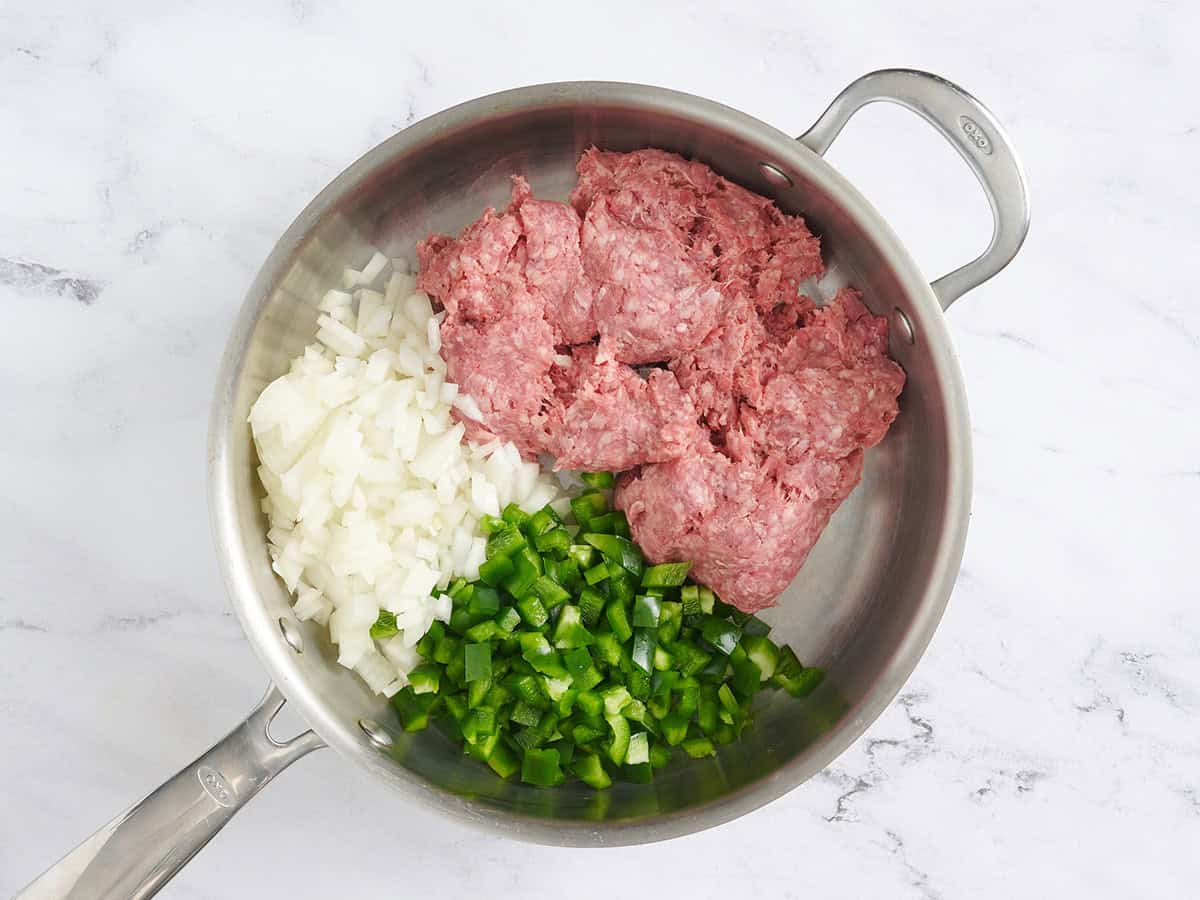
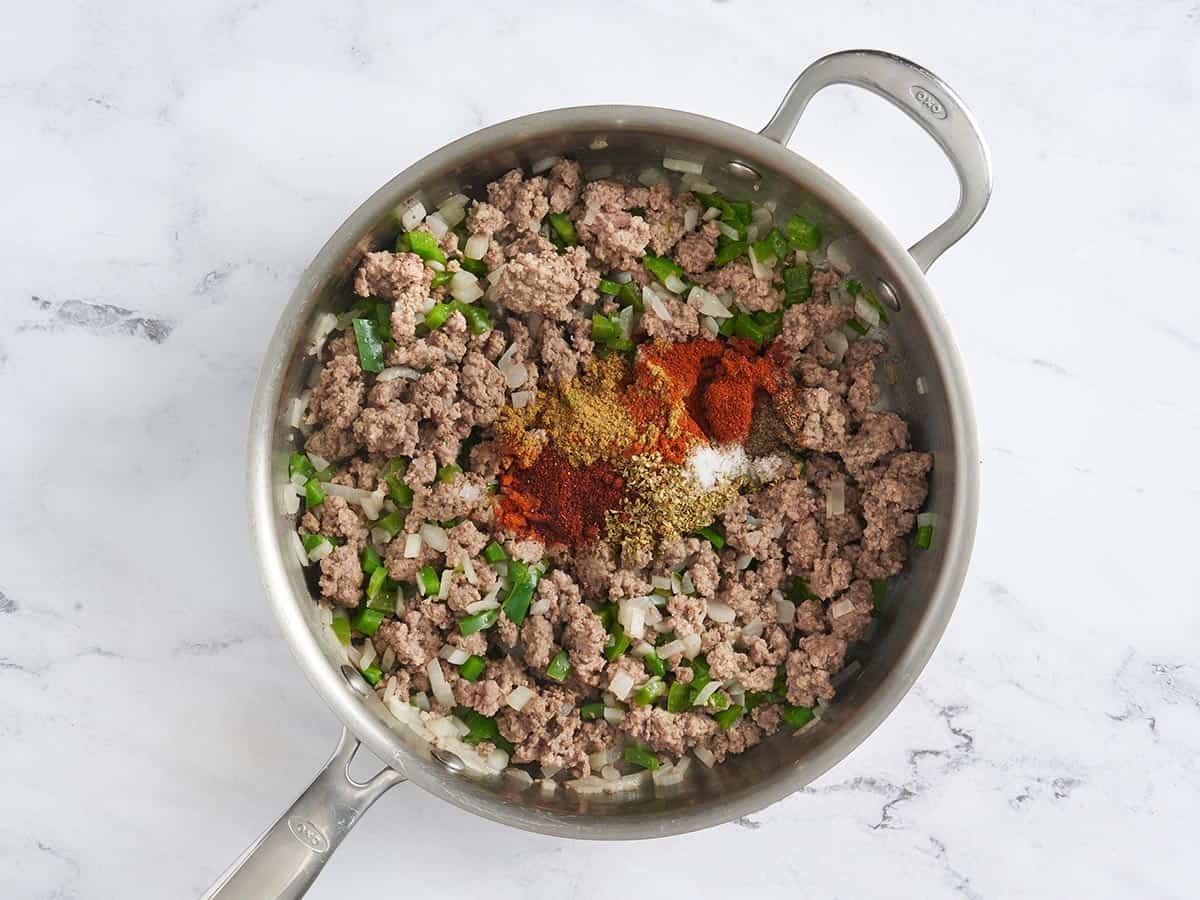
A medium-sized skillet is placed over medium heat. One pound of ground beef is added alongside the diced onion and green bell pepper. The mixture is cooked for approximately five minutes. The cook must break the beef into small crumbles using a wooden spoon or spatula. Searing continues until the beef reaches an internal temperature of 160°F (71°C) and no pink remains, indicating the proteins have fully coagulated.
Phase 3: Lipid Management and Spice Blooming (Minutes 10–12)
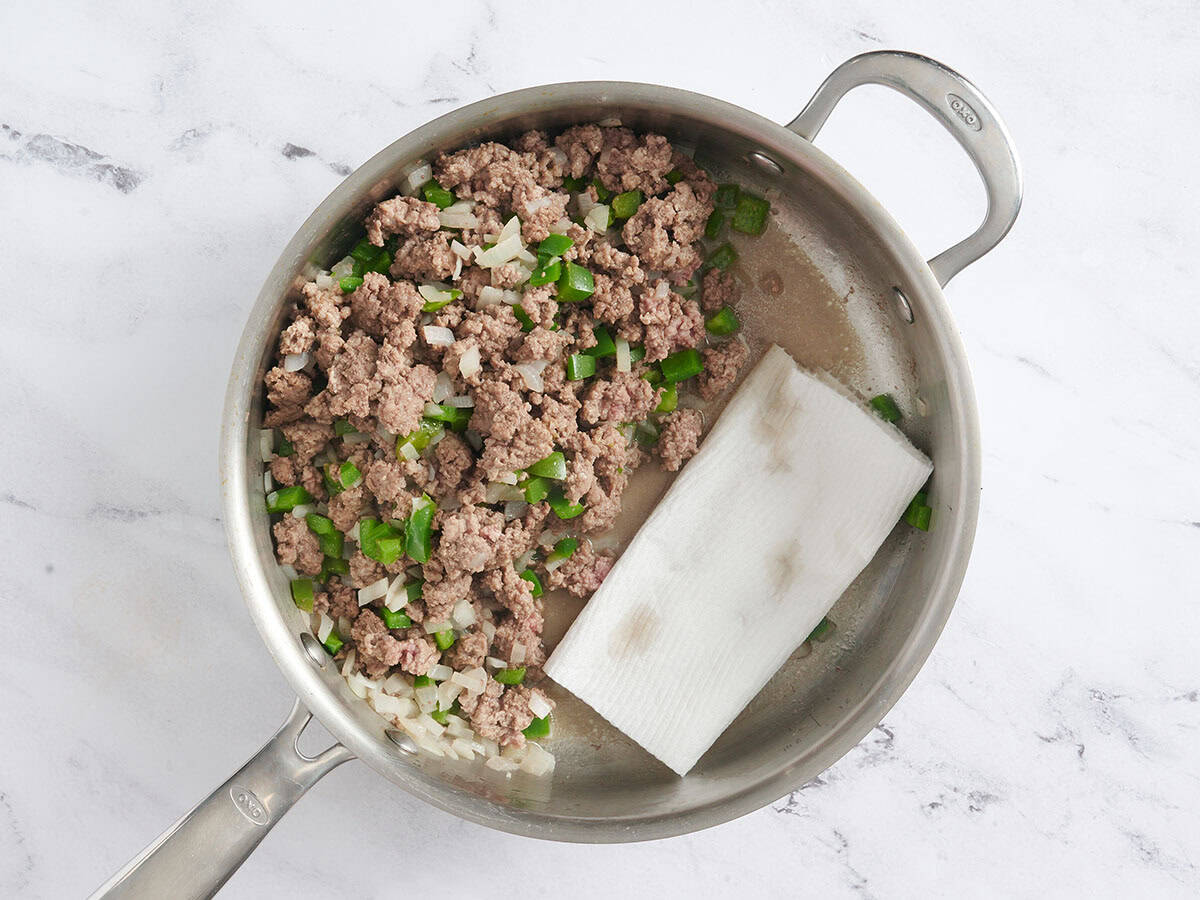
Once browned, the rendered fat is managed. For 80/20 beef, the excess grease is carefully drained or blotted away using clean paper towels held with tongs.
Immediately following lipid removal, the dry spice blend is introduced directly to the hot pan:
- 1 tablespoon chili powder
- 1 teaspoon ground cumin
- 1 teaspoon paprika
- ½ teaspoon dried oregano
- ¼ teaspoon cayenne pepper
- ¼ teaspoon salt
- ¼ teaspoon freshly cracked black pepper
The spices are stirred continuously in the dry pan with the meat for exactly one minute. This process, known in professional culinary circles as "blooming," toasts the volatile oils in the spices, dramatically deepening the flavor profile before any liquids are introduced.
Phase 4: Wet Ingredient Integration (Minutes 12–16)
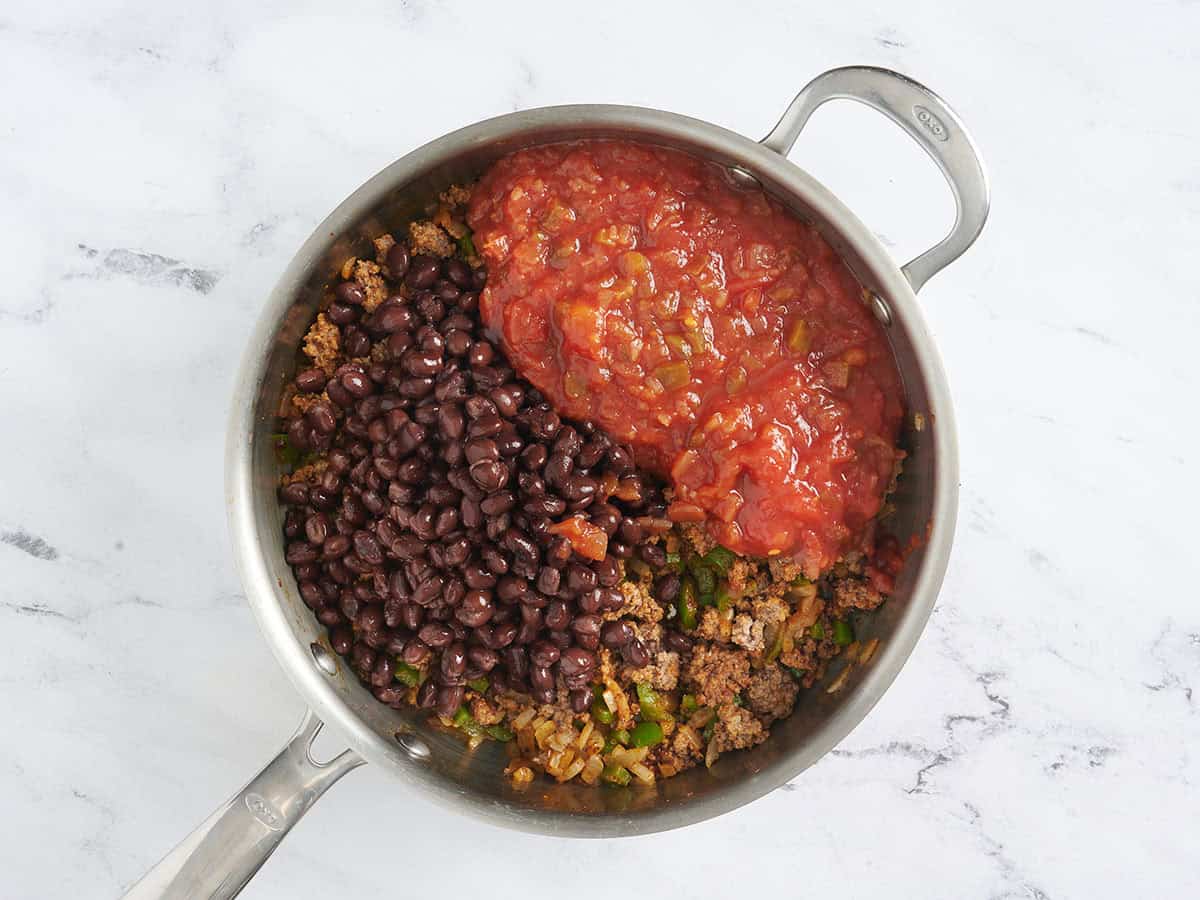
One 16-ounce jar of thick and chunky salsa and one 15-ounce can of drained black beans are folded into the seasoned beef. The mixture is simmered over medium-low heat for four minutes. The goal of this step is reduction; when a spatula is dragged across the bottom of the skillet, no loose liquid should pool in the cleared space. Eliminating excess water is critical to preventing soggy tortillas during the baking phase.
Phase 5: Structural Assembly (Minutes 16–20)
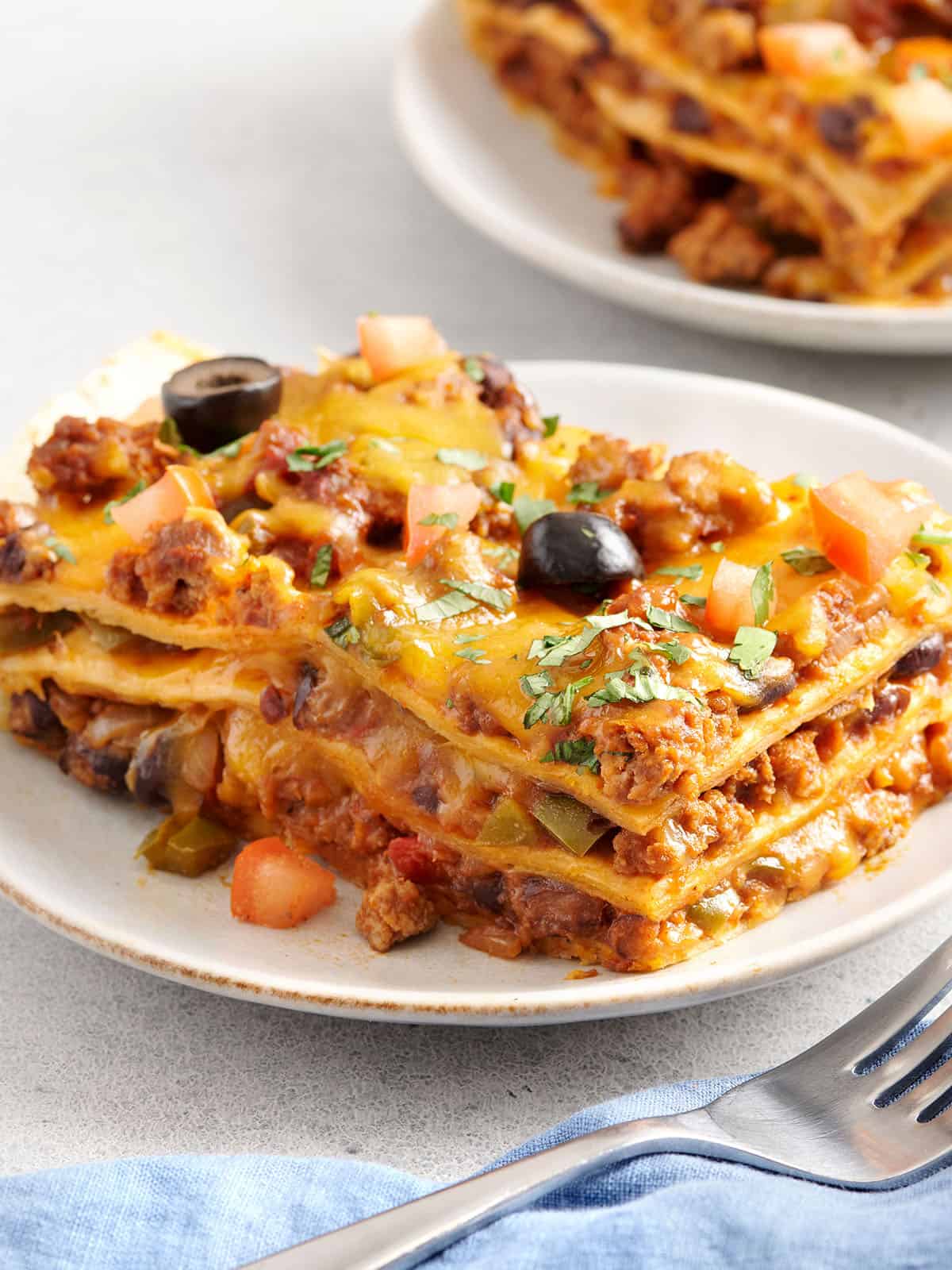
The assembly is executed in three identical, repeating layers:
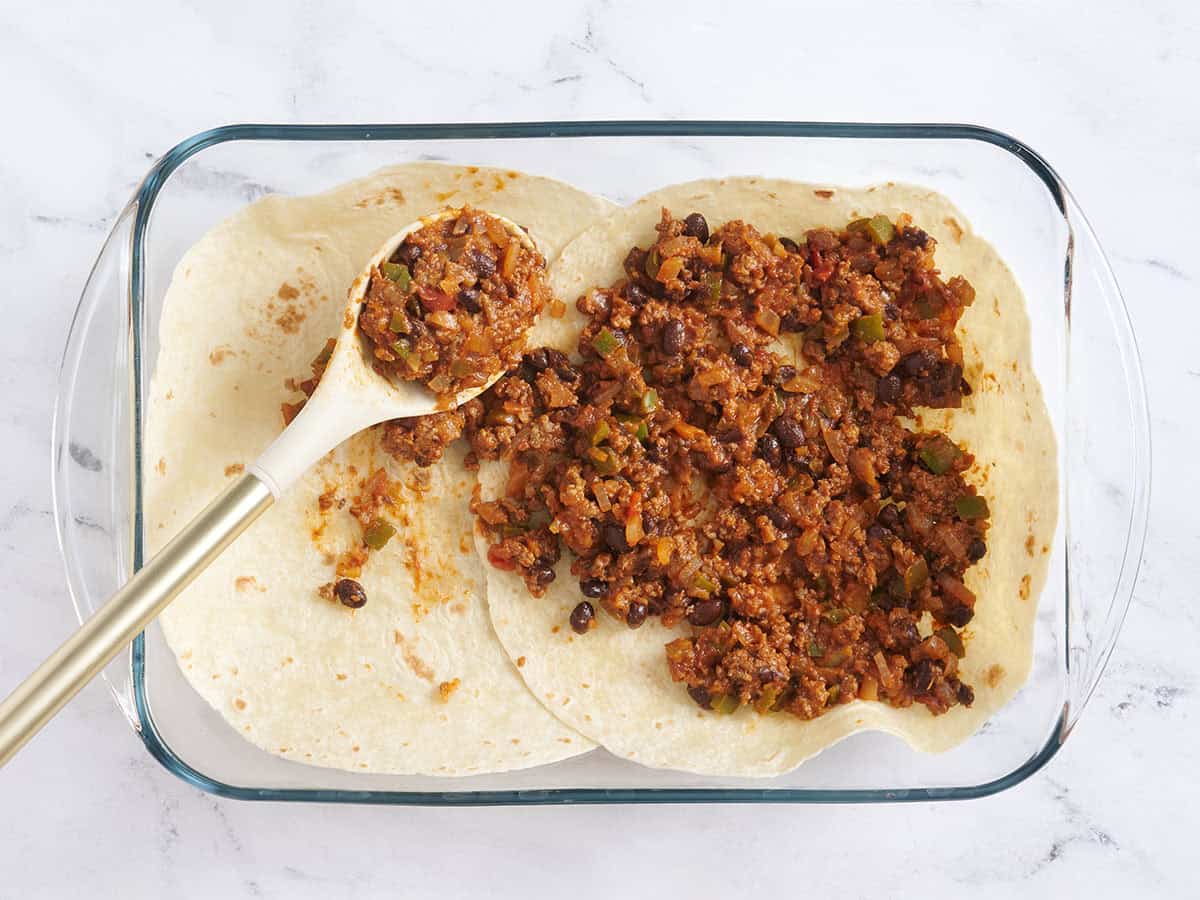
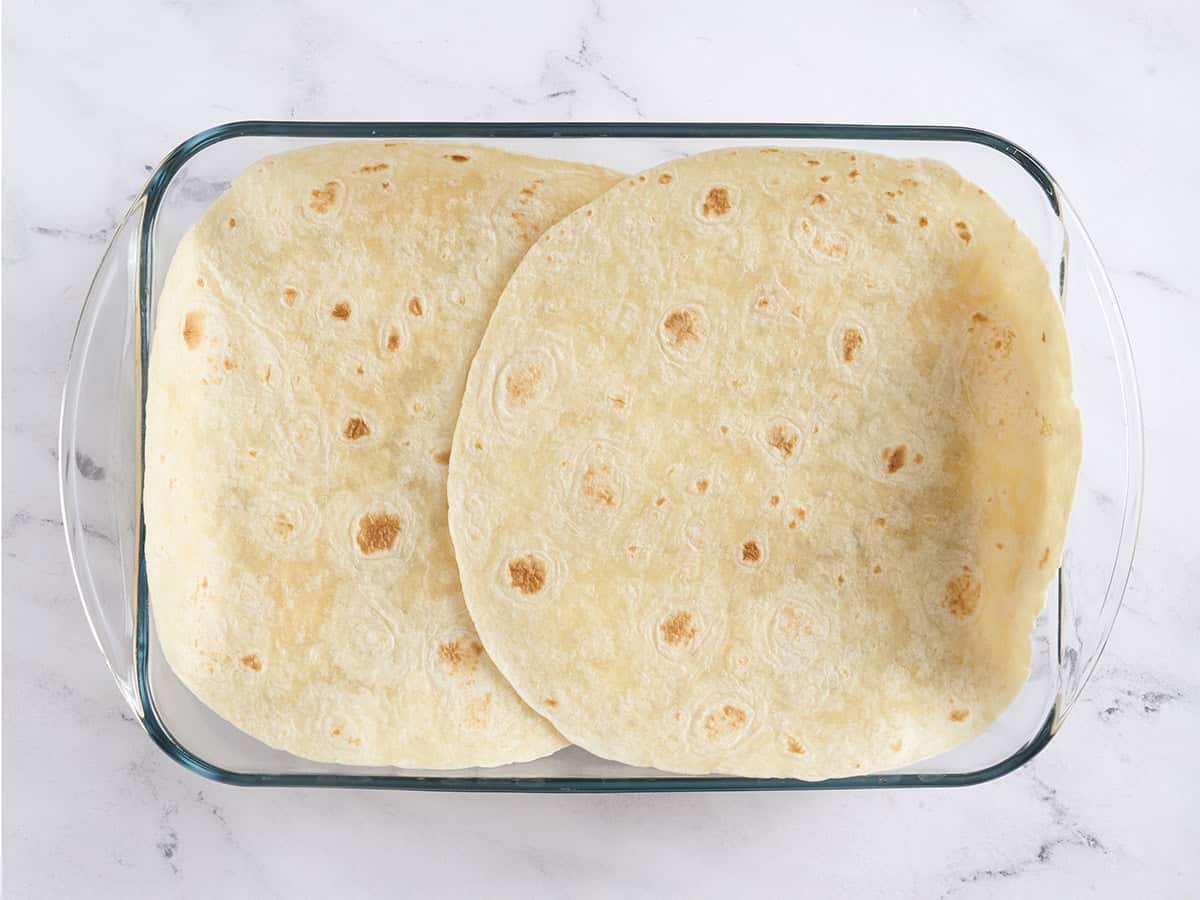
- Base Layer: Two large flour tortillas are placed in the bottom of the prepared 9×13-inch dish, overlapping in the center so the edges curve slightly up the sides of the pan.
- Filling Layer: One-third of the hot beef, bean, and salsa mixture is spread evenly over the tortillas, ensuring coverage to the very edges.
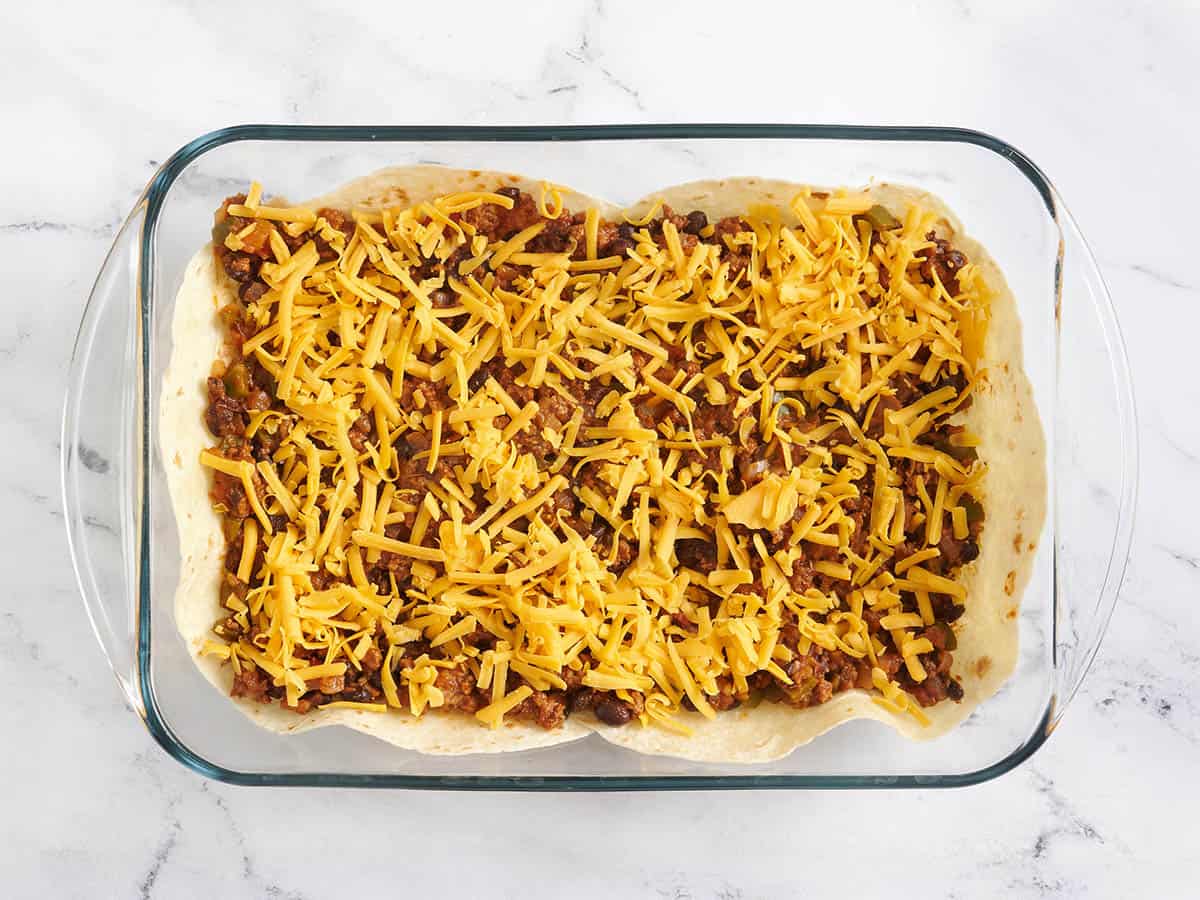
- Cheese Layer: One-third of the shredded cheddar cheese is sprinkled uniformly over the meat.
This sequence is repeated twice more, ending with a generous top layer of cheese.
Phase 6: Thermal Processing and Stabilization (Minutes 20–45)
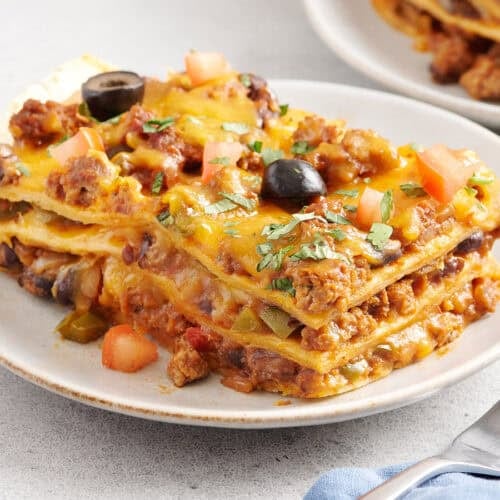
The uncovered baking dish is placed in the preheated oven for 20 minutes. During this time, the pre-cooked ingredients are heated through, the cheese melts into a cohesive, golden-brown crust, and the exposed edges of the flour tortillas dry out to become light and crispy. After removal from the oven, the casserole must rest undisturbed for five minutes. This resting period allows the starch in the tortillas and the proteins in the cheese to set, ensuring clean, structurally sound slices.
Supporting Data: Cost Analysis and Nutritional Value
To validate the claims of affordability and nutritional adequacy, the Nashville Test Kitchen conducted a rigorous financial and nutritional audit of the Taco Casserole.
Financial Breakdown
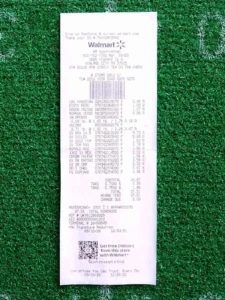
The total cost to produce the entire eight-serving casserole is calculated at $13.62, which translates directly to $1.70 per serving. This pricing model assumes the sourcing of store-brand staples, such as Walmart’s Great Value line, which offers high-quality ingredients at lower price points.
+------------------------------------------------------------------+
|                    ESTIMATED INGREDIENT COST                     |
+------------------------------------------+-----------------------+
| Ingredient Item                          | Estimated Cost        |
+------------------------------------------+-----------------------+
| 1 lb. Ground Beef (80/20)                | $4.89                 |
| 1 Can (15 oz.) Black Beans               | $0.88                 |
| 1 Jar (16 oz.) Chunky Salsa              | $1.50                 |
| 6 Burrito-Size Flour Tortillas           | $2.10                 |
| 8 oz. Shredded Cheddar Cheese            | $2.50                 |
| Onions, Green Peppers, and Pantry Spices | $1.75                 |
+------------------------------------------+-----------------------+
| TOTAL RECIPE COST                        | $13.62                |
+------------------------------------------+-----------------------+
Note: Prices are estimates based on standard U.S. supermarket averages for store-brand items and may vary by region and retailer.
Compared to the average cost of a single fast-food Tex-Mex meal (currently estimated at $9.50 to $12.00 per person), home preparation of this casserole yields a cost reduction of over 80% per individual served.
Nutritional Profile
A single serving of the Taco Casserole provides a balanced distribution of macronutrients, making it a complete, self-contained meal.
- Calories: 425 kcal (21% Daily Value)
- Protein: 24g (48% DV) — Crucial for muscle maintenance and satiety.
- Carbohydrates: 30g (10% DV) — Sourced primarily from complex carbohydrates in the black beans and flour tortillas.
- Dietary Fiber: 7g (29% DV) — An exceptionally high fiber yield for a casserole, driven by the inclusion of black beans.
- Fat: 23g (35% DV) — Derived from the beef and cheddar cheese.
- Sodium: 851mg (37% DV) — While within acceptable limits for a main dinner course, home cooks monitoring sodium can reduce this figure by selecting low-sodium black beans and low-sodium salsa.
Expert Insights and Developer Methodology
The development of this recipe was led by Melissa Nolan, a native of Jacksonville, Florida, whose culinary pedigree includes a business hospitality degree from Florida State University, formal culinary training from Johnson & Wales University, and an internship at Chef Thomas Keller’s Michelin-starred restaurant, Per Se, in New York City. Having spent five years teaching as a Chef Instructor at the JAX Cooking Studio, Nolan brings professional-grade technical knowledge to accessible, home-style cooking.
"The secret to a successful budget casserole is moisture control.
If your salsa is too watery, the tortillas absorb the liquid
and lose their structure, resulting in a soggy, unappealing texture.
By simmering the filling until it is highly concentrated, we preserve
the structural integrity of the flour tortillas, giving the final dish
a satisfying, layered bite."
                                     — Chef Melissa Nolan
Key Technical Recommendations from the Test Kitchen
- Salsa Selection: Nolan emphasizes the use of a "thick and chunky" jarred salsa. If utilizing a fresh salsa like pico de gallo, it must be thoroughly drained of excess water before being introduced to the meat.
- Cheese Adaptability: While cheddar is the standard recommendation, the recipe easily accommodates whatever is available in the consumer’s refrigerator. Monterey Jack, Pepper Jack (for added heat), or Colby Jack are highly effective substitutes.
- Protein Substitutions: For consumers seeking leaner profiles or alternative proteins, the ground beef can be seamlessly replaced with ground turkey, ground chicken, or a plant-based meat alternative without altering the cook times.
- Make-Ahead Limitations: The culinary team advises against fully assembling and storing the raw casserole in the refrigerator prior to baking, as the tortillas will slowly absorb moisture over time and become mushy. Instead, developers recommend preparing the beef filling and shredding the cheese ahead of time, storing them separately, and assembling the layers immediately before baking.
Broader Implications: Home Economics and the Modern Culinary Landscape
The release of the Taco Casserole recipe speaks to a broader shift in consumer behavior and domestic food preparation. As inflation continues to squeeze household budgets, the traditional "taco night"—which often requires purchasing multiple individual toppings, fresh produce, and specialized taco shells—has become surprisingly expensive.
The Return of the Casserole as an Economic Tool
Historically, casseroles have risen in popularity during periods of economic downturn, such as the Great Depression and the stagflation era of the 1970s. The modern iteration of this culinary trend relies on the same basic principle: using starch and legumes to stretch expensive animal proteins. By integrating black beans and fiber-rich vegetables directly into one pound of beef, the recipe creator successfully satisfies eight adult appetites with a quantity of meat that would normally only feed three or four people in the form of standard beef patties.
Nutritional Efficiency through Blended Meals
From a public health perspective, "blended" meals—which combine animal proteins with plant proteins like beans—offer a dual benefit. They lower the overall saturated fat intake per serving while dramatically increasing dietary fiber, a nutrient that a vast majority of Americans under-consume. The 7 grams of fiber per serving in this casserole help slow digestion, promoting longer-lasting satiety and more stable blood sugar levels.
The Social Dynamics of Family-Style Dining
Beyond the financial and nutritional data, there is a distinct psychological advantage to family-style, single-pot meals. By transforming the traditional assembly-line taco dinner into a singular, baked casserole, the host or parent eliminates the stress of individualized food prep during the evening rush.
When placed in the center of the table alongside customizable toppings—such as sliced jalapeños, green onions, cilantro, shredded lettuce, or sour cream—the casserole retains the interactive, communal spirit of a taco bar. This approach turns a routine weekday dinner into an engaging, low-cost social event. In an era where dining out has increasingly become a luxury, recipes like the Taco Casserole prove that high-flavor, satisfying culinary experiences can still be achieved affordably at home.