The Death of a Dream: Why Ko Lipe Has Become a Casualty of Unchecked Tourism

Introduction: Chasing Ghosts in the Andaman
Nineteen years ago, the Thai island of Ko Lipe was a whisper in the backpacker community—a remote, sun-drenched outpost in the Andaman Sea where time seemed to fold in on itself. In 2006, the island was defined by its limitations: electricity was a luxury provided by generators for only a few hours each evening, and a simple beachside bungalow could be secured for the equivalent of $2 USD. There was a sense of finality to the travel experience there; when the last boat of the season departed, you were effectively marooned in a tropical Eden.
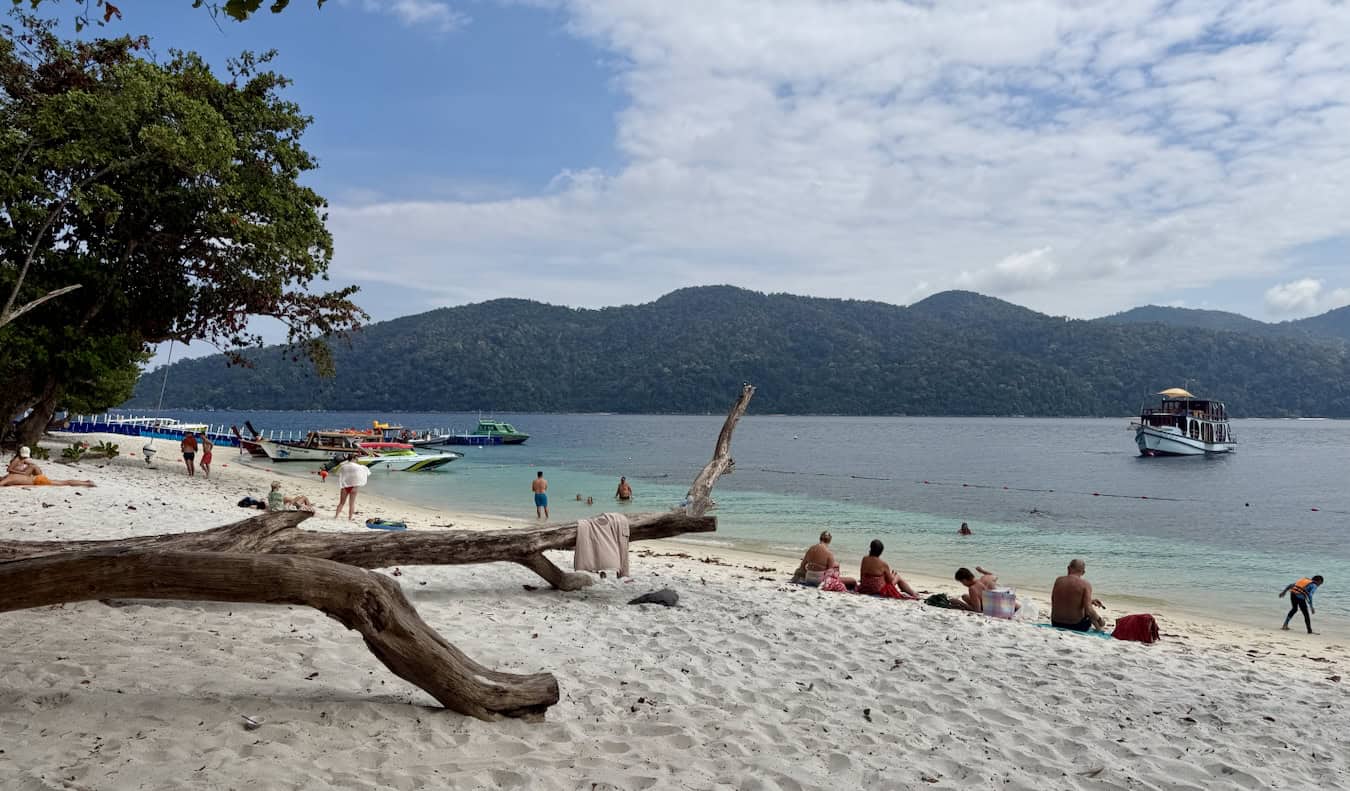
Today, that version of Ko Lipe exists only in the memories of those who lived it. Returning to the island after nearly two decades, the stark reality of modern overdevelopment reveals a destination that has traded its soul for a high-volume, unsustainable tourism model. While the azure waters and white sands remain, they are now framed by the scars of rapid urbanization, posing a difficult question for the modern traveler: at what point does our pursuit of paradise destroy the very thing we seek to experience?
A Chronology of Transformation: From Backpacker Haven to Concrete Hub
The metamorphosis of Ko Lipe did not happen overnight, but rather through a steady, aggressive expansion that mirrors the trajectory of many Thai islands, such as Ko Phi Phi or Phuket.
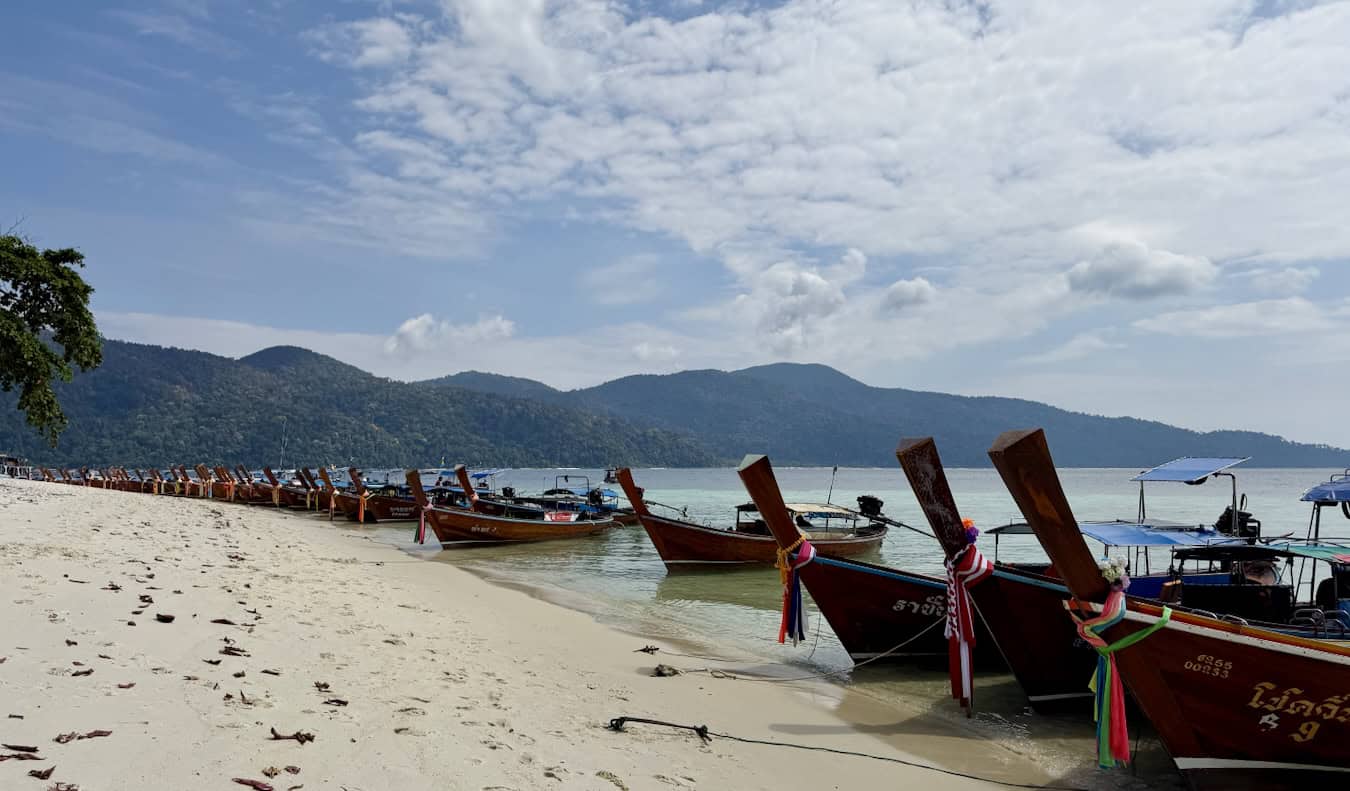
- 2006 (The Formative Era): The island was an off-the-beaten-path sanctuary. Days were defined by simplicity—reading, snorkeling, and rotating through a handful of local restaurants. The island’s economy was small-scale, rooted in the local community.
- 2010–2015 (The Infrastructure Shift): As global tourism interest in Southeast Asia surged, Ko Lipe began to prioritize connectivity and capacity. The dirt footpaths that once defined the island’s character were steadily paved over to accommodate motorbikes, golf carts, and small construction trucks.
- 2016–2022 (The Development Boom): The landscape began to shift from thatched-roof bungalows to high-end resorts. The island’s lack of natural freshwater became an engineering hurdle, solved by installing energy-intensive desalination plants and piping systems to support swimming pools that now sprawl across former palm groves.
- 2024–2025 (The Current State): The island reached a tipping point. The arrival of mass-market, high-frequency ferry services and a surge in luxury real estate investment has effectively finalized the island’s transition from a tranquil retreat to an overdeveloped tourist hub.
The Physical and Ecological Toll
The physical evidence of this transformation is impossible to ignore. The island’s geography is now dominated by construction sites and concrete thoroughfares. Perhaps most concerning is the environmental degradation, which is becoming increasingly visible to even the casual observer.
The Desalination and Waste Crisis
Ko Lipe possesses no natural, sustainable water source. To sustain the current volume of tourists, the island relies on heavy industrial desalination. This process consumes massive amounts of energy and, depending on the discharge method, can have detrimental effects on the surrounding marine ecosystem through high-salinity brine output. Furthermore, the waste management infrastructure—or lack thereof—has failed to keep pace with the influx of thousands of daily visitors, leading to concerns regarding plastic pollution and sewage treatment.
Marine Degradation
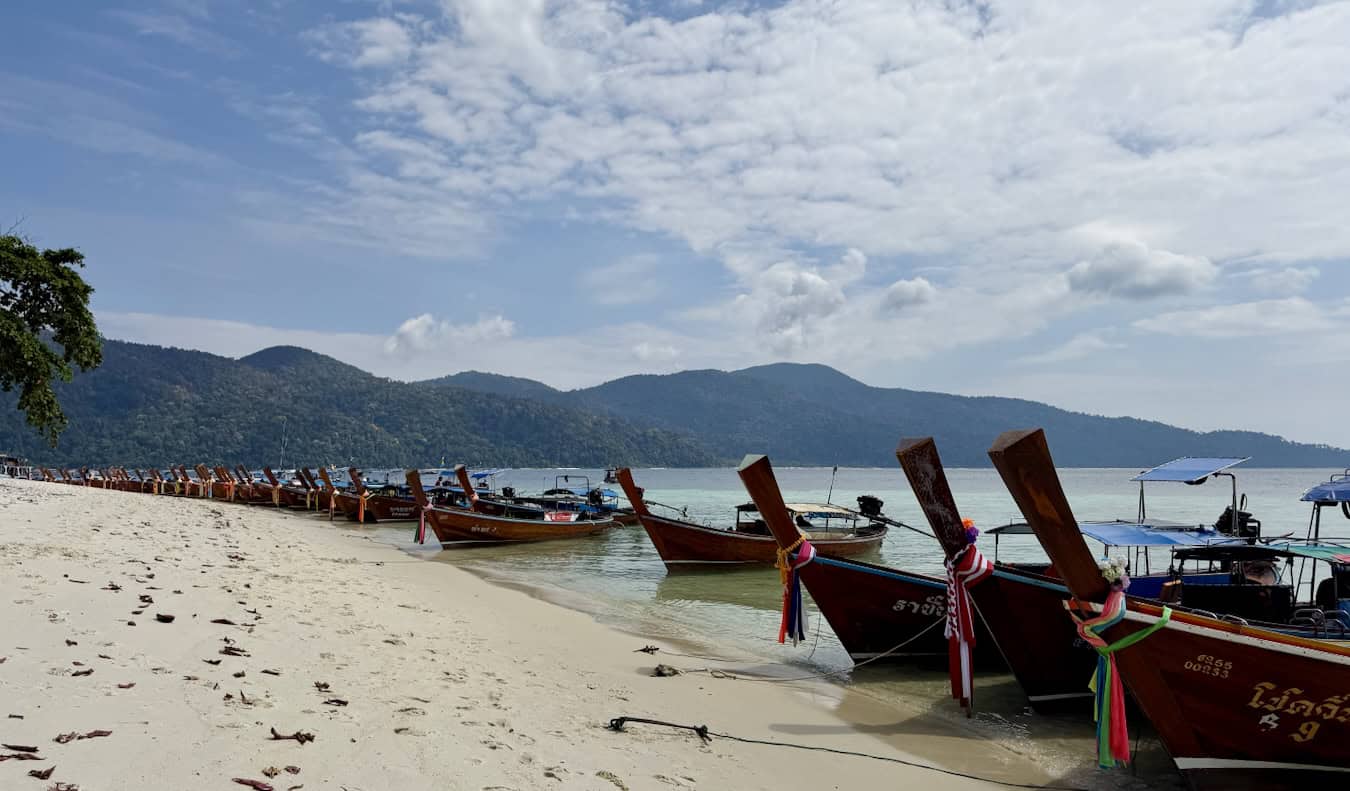
The coral reefs that surround the island, once pristine and vibrant, are suffering under the weight of human activity. The sheer volume of long-tail boats—essential for island hopping—has led to chronic anchoring in sensitive areas, causing direct physical damage to the reefs. Additionally, the constant flow of boat exhaust creates a shimmering, oily film on the water’s surface in popular swimming areas. Overfishing, driven by the demand for "fresh" seafood in tourist restaurants, has further disrupted the delicate balance of the local marine life.
The Socio-Economic Displacement
Beyond the environmental impact, the human cost of Ko Lipe’s development is profound. As property values have skyrocketed, many long-term local residents have been priced out, forced to sell their ancestral land to mainland developers. This has fundamentally altered the social fabric of the island.
The current workforce is largely comprised of migrants from the mainland who often reside in precarious, low-wage conditions. The economic benefits of the tourism boom are not being reinvested into the local community but are instead being funneled upward to external developers and corporate entities. This represents a classic "leakage" in tourism economics, where the revenue generated by an area does not stay within the local community, leaving the host population in a state of economic displacement.
Implications for the Modern Traveler
The shift in Ko Lipe’s character presents a broader ethical dilemma for the modern traveler. While the island is undeniably beautiful, the cumulative effect of tourism on such a fragile ecosystem is, by all metrics, unsustainable.
The "Ko Phi Phi" Model
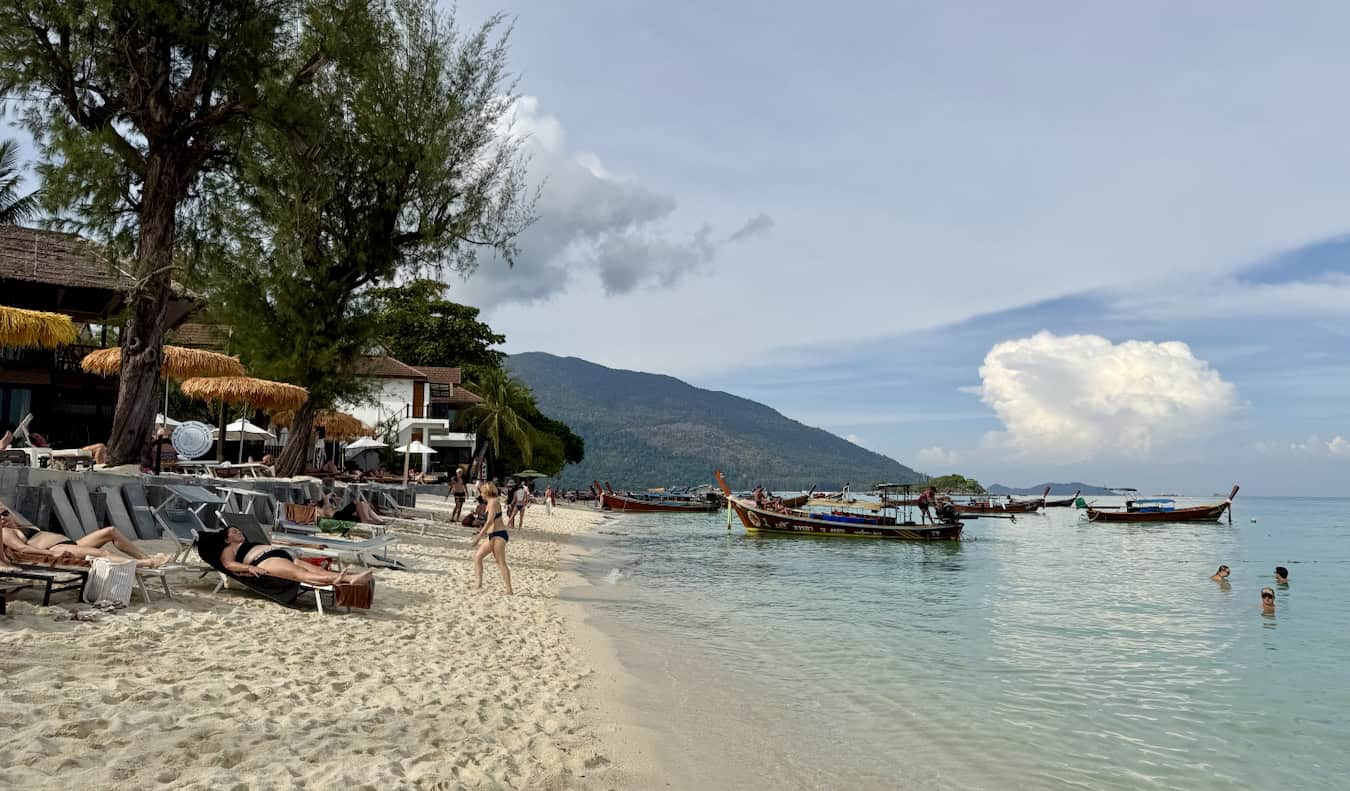
Critics often compare the current state of Ko Lipe to the degradation of Ko Phi Phi, where extreme overcrowding eventually necessitated temporary closures to allow for ecological recovery. The implication is that Ko Lipe is on an identical, irreversible path. When a destination reaches this level of overdevelopment, the visitor experience shifts from "immersion" to "consumption." The restaurants now cater to the lowest common denominator—bad, overpriced Western food—rather than the authentic, high-quality Thai cuisine that once existed.
The Power of Consumer Choice
History has shown that traveler behavior can drive systemic change. The decline of elephant riding in Thailand, for example, was a direct result of increased public awareness and a subsequent shift in consumer demand. Similarly, the rise of "eco-lodges" and sustainable tourism practices was born from travelers actively seeking (and paying for) more responsible options.
By continuing to visit overdeveloped locations, travelers are implicitly signaling that they accept these conditions. The argument is that if enough people opt to visit better-managed, less-impacted islands—such as Ko Lanta, Ko Jum, or Ko Mook—the economic pressure on overdeveloped sites like Ko Lipe might force a pivot toward more sustainable management, or at least prevent further exploitation.
Conclusion: Knowing When to Step Away
It is painful to acknowledge that a place that once served as a sanctuary for growth and reflection is no longer a destination to be supported. However, responsible travel requires the maturity to recognize when our presence does more harm than good.
Ko Lipe is currently a victim of a "build-at-all-costs" mentality that prioritizes short-term profit over long-term ecological and community health. For the intrepid traveler, the solution is clear: find alternatives. By diversifying our travel patterns and choosing destinations that are managed with respect for their natural and cultural limits, we can shift the market toward sustainability.
Sometimes, the most impactful thing a traveler can do is choose not to go. In the case of Ko Lipe, it is time to say that enough is enough. We must stop chasing the ghosts of the past and start protecting the future of the islands that remain.