Legumes Emerge as Potent Inhibitors of Cancer Metastasis: A Dietary Frontier in Oncology
Main Facts
The global fight against cancer is at a critical juncture, with projected treatment costs expected to surge by 70% over the next two decades. Despite billions invested in advanced chemotherapies, a significant portion of these interventions are likened to "mopping up the mess" rather than addressing the root causes or, crucially, preventing the spread of the disease. While pharmaceutical approaches to cancer prevention are often hampered by prohibitive costs and debilitating side effects, a growing body of "overwhelming evidence" points to the profound anticancer and chemopreventive properties inherent in dietary bioactive compounds found in whole plant-based foods. Among these, certain legumes, including lupin beans, chickpeas, and soybeans, are showing remarkable promise in inhibiting Matrix Metalloproteinase (MMP) enzymes – key facilitators of cancer’s ability to invade and metastasize. This natural, accessible, and side-effect-free strategy offers a compelling alternative to traditional oncology, focusing on turning off the "faucet" of cancer progression rather than merely managing its overflow.
The focus on metastasis is paramount, as the spread of cancer to distant sites accounts for approximately 90% of all cancer-related deaths. Matrix Metalloproteinases are a family of enzymes that actively degrade the extracellular matrix, effectively carving pathways for cancer cells to escape primary tumors, invade surrounding tissues, and eventually colonize new organs. While pharmaceutical companies previously developed MMP inhibitor drugs, these often led to severe side effects in human trials, halting their clinical application. This void highlights the urgent need for safe and effective alternatives. Recent research has identified specific proteins within legumes that significantly reduce MMP activity. In laboratory tests, lupin beans, chickpeas, and soybeans demonstrated an impressive ability to slash MMP activity by over 90%, with other common legumes like black-eyed peas, lentils, and fava beans reducing it by more than 50%. This potent inhibition translates directly into a slowed migration of cancer cells in vitro, offering a glimpse into the potential of dietary interventions to fundamentally alter the course of cancer progression.
The Unseen Battle: Understanding Cancer’s Invasion
The Escalating Challenge of Cancer Treatment
The current trajectory of cancer care presents a sobering reality. Despite monumental scientific advancements and the development of increasingly sophisticated therapies, the financial and emotional toll on patients and healthcare systems continues to mount. The analogy of an "overflowing sink" perfectly encapsulates the situation: billions are spent on drugs designed to manage symptoms and shrink tumors, yet the underlying mechanisms that drive cancer’s relentless progression, particularly its ability to spread, remain largely unaddressed by these interventions. This often results in a scenario where patients endure grueling treatments that impair their quality of life, incur astronomical costs – sometimes forcing them to sell their homes – without a significant extension of survival. The harsh truth, as some studies suggest, is that "cancer drugs often impair quality of life and fail to extend patient survival."
This raises a critical ethical and economic question: should pharmaceuticals be held to a higher standard, demanding at least three months of extended life or substantial improvements in quality of life from their products? The argument isn’t merely about effectiveness; it’s about value and patient well-being. A shift towards requiring clinically important benefits could force "Big Pharma" to reallocate resources away from incremental advancements and towards targeting the most critical processes in cancer, such as metastatic spread. After all, what solace is there in shrinking a primary tumor if the cancer has already disseminated throughout the body, ultimately leading to the same grim outcome? The current focus often misses the forest for the trees, overlooking the fact that metastasis is the primary determinant of mortality in cancer, accounting for an overwhelming 90% of all cancer-related deaths.
Matrix Metalloproteinases: Architects of Metastasis
To truly combat cancer effectively, we must understand and disrupt its ability to metastasize. At the heart of this invasive process lies a family of formidable enzymes known as Matrix Metalloproteinases (MMPs). These zinc-dependent endopeptidases are not inherently malicious; in healthy physiological conditions, they play crucial roles in tissue remodeling, wound healing, and immune responses. However, in the context of cancer, MMPs become co-opted, transforming into the "machetes" that allow malignant cells to orchestrate their escape and invasion.
The journey of metastasis is a complex cascade, beginning with local invasion, where cancer cells break away from the primary tumor. MMPs facilitate this by degrading the components of the extracellular matrix (ECM) – the intricate scaffold of proteins and carbohydrates that surrounds and supports cells in tissues. This enzymatic breakdown creates tunnels and pathways, allowing cancer cells to burrow through the dense tissue barriers. Once through, these cells can then intravasate, entering the lymphatic or blood vessels. After surviving the turbulent journey through the circulatory system, they extravasate, exiting the vessels at distant sites, and finally colonize, establishing secondary tumors in new organs. MMPs, particularly MMP-2 and MMP-9, are "actively participating in the whole metastatic journey," from initial invasion to the final colonization, making them prime targets for therapeutic intervention. The historical attempts by Big Pharma to develop synthetic MMP inhibitor drugs, while promising in animal models, ultimately failed in human trials due to severe musculoskeletal and inflammatory side effects, underscoring the delicate balance of these enzymes in the body and the challenge of broad-spectrum inhibition.
A Green Prescription: Dietary Bioactives and Cancer Prevention

The Power of Plant-Based Nutrition
In light of the limitations and side effects associated with conventional cancer treatments, particularly in preventing metastasis, the scientific community has increasingly turned its attention to the potential of dietary interventions. The evidence, often described as "overwhelming," suggests that the diverse array of bioactive compounds found in whole plant-based foods possess "significant anticancer and chemopreventive properties." This represents a fundamental paradigm shift from a reactive, treatment-focused approach to a proactive, prevention-oriented strategy.
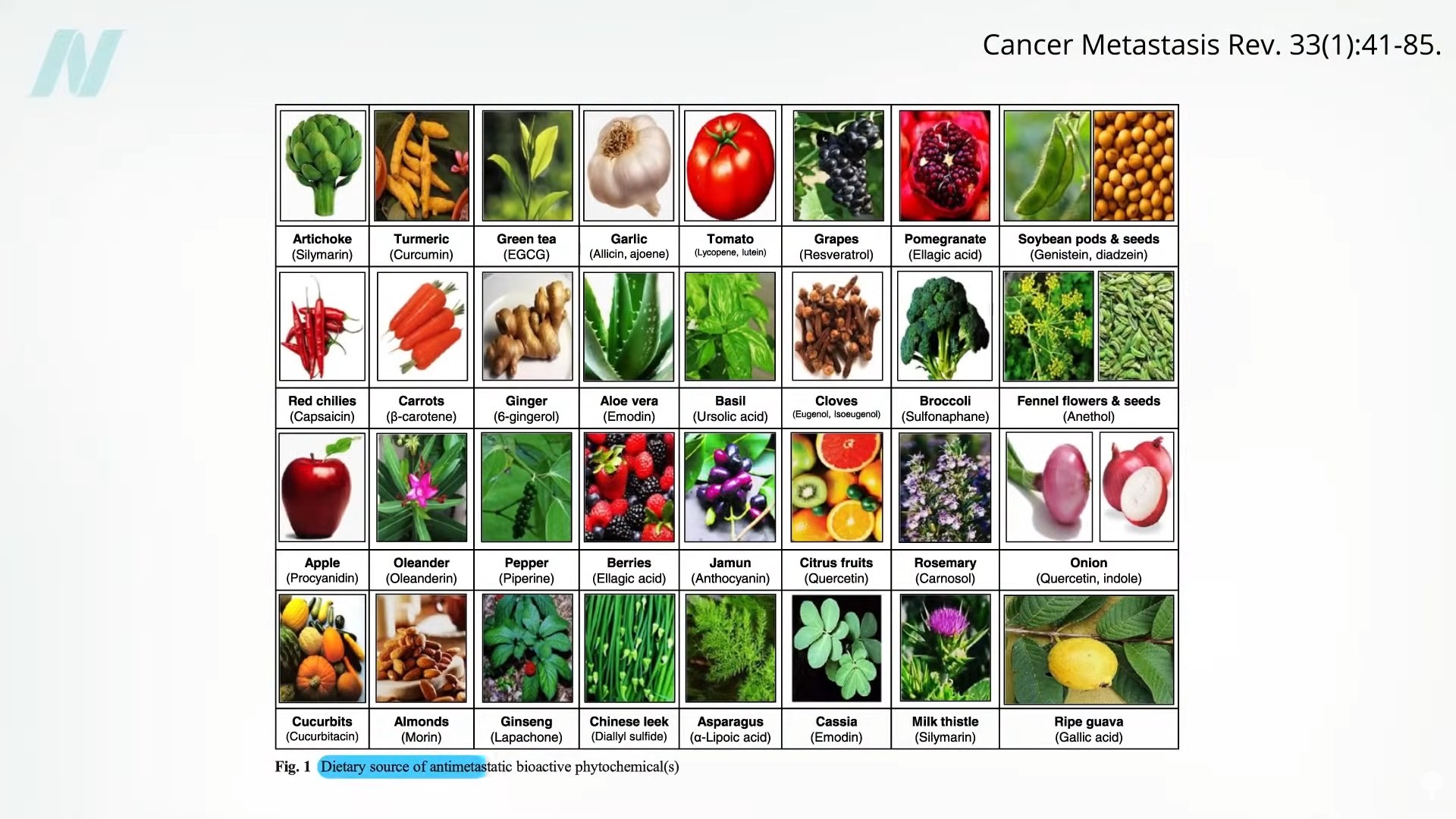
A diet rich in whole plant foods provides a complex symphony of phytochemicals – thousands of biologically active compounds such as polyphenols, carotenoids, glucosinolates, and phytosterols. These compounds work synergistically to influence multiple pathways involved in cancer development and progression, aligning with what is known as the "10 hallmarks of cancer." These hallmarks include sustaining proliferative signaling, evading growth suppressors, resisting cell death, enabling replicative immortality, inducing angiogenesis, activating invasion and metastasis, reprogramming energy metabolism, evading immune destruction, tumor-promoting inflammation, and genomic instability. A diet emphasizing minimal animal products and maximal plant foods, including fruits (especially berries), vegetables (especially leafy greens), legumes (beans, split peas, chickpeas, and lentils), nuts and seeds (especially flaxseeds), onions, garlic, mushrooms, herbs and spices (such as turmeric), and green tea, has been consistently linked to reduced cancer risk and improved outcomes. These foods are not merely sources of essential nutrients but powerful modulators of cellular processes, capable of blocking various cancer-signaling pathways and offering a multi-targeted approach to prevention and therapy.
Legumes: Unsung Heroes in the Fight Against Metastasis
Among the pantheon of beneficial plant foods, legumes stand out as particularly promising agents in the fight against cancer metastasis. This diverse family, encompassing beans, split peas, chickpeas, and lentils, has long been recognized for its nutritional density, providing an excellent source of plant-based protein, dietary fiber, complex carbohydrates, and a wealth of micronutrients. However, beyond their basic nutritional profile, legumes harbor specialized proteins and other phytochemicals that exhibit potent anticancer properties.
The specific interest in legumes stems from their observed ability to interfere with MMP activity. This observation led researchers to investigate which specific legumes might be the most effective in this regard. The hypothesis was that if certain proteins within legumes could indeed inhibit these enzymes, then regular consumption could potentially offer a natural, dietary strategy to impede cancer’s invasive march. This scientific inquiry moved beyond general dietary recommendations to pinpoint specific food sources and their quantifiable impact on a critical mechanism of cancer progression, setting the stage for a detailed comparative analysis of various legume types.
Chronology of Discovery and Research
From Petri Dish to Prevention: The Scientific Journey
The journey to uncover the anti-metastatic potential of legumes followed a logical scientific progression, moving from identifying the problem to testing potential solutions in a controlled environment.
- Identification of MMPs as Key Targets: Decades of cancer research established Matrix Metalloproteinases as central players in the invasion-metastasis cascade, making them attractive targets for therapeutic intervention.
- Failed Pharmaceutical Attempts: The initial enthusiasm for synthetic MMP inhibitors was tempered by their failure in human clinical trials due to severe systemic side effects, highlighting the need for safer alternatives.
- Hypothesis of Phytochemical Efficacy: The observation that various plant phytochemicals could inhibit nearly every step of the invasion-metastasis cascade, at least in vitro, spurred interest in natural compounds. This led to a broader exploration of dietary sources.
- Specific Focus on Legume Proteins: Recognizing the protein-rich nature of legumes and anecdotal evidence of their health benefits, researchers zeroed in on the protein extracts from different legume varieties as potential MMP inhibitors.
- The Comparative Experiment: To identify the "leading legume," researchers embarked on a comparative study, testing protein extracts from eight different types of legumes: lupin beans, chickpeas, split peas, black-eyed peas, lentils, common beans (such as kidney, black, or pinto), fava beans, and soybeans. The objective was to quantify their individual capacities to inhibit matrix metalloproteinase activity in a controlled laboratory setting.
- Quantifying the Results: The experiments measured MMP activity in the presence and absence of legume protein extracts. Without any legume intervention, MMP activity churned at approximately 100%. The addition of various legume proteins yielded a spectrum of inhibitory effects.
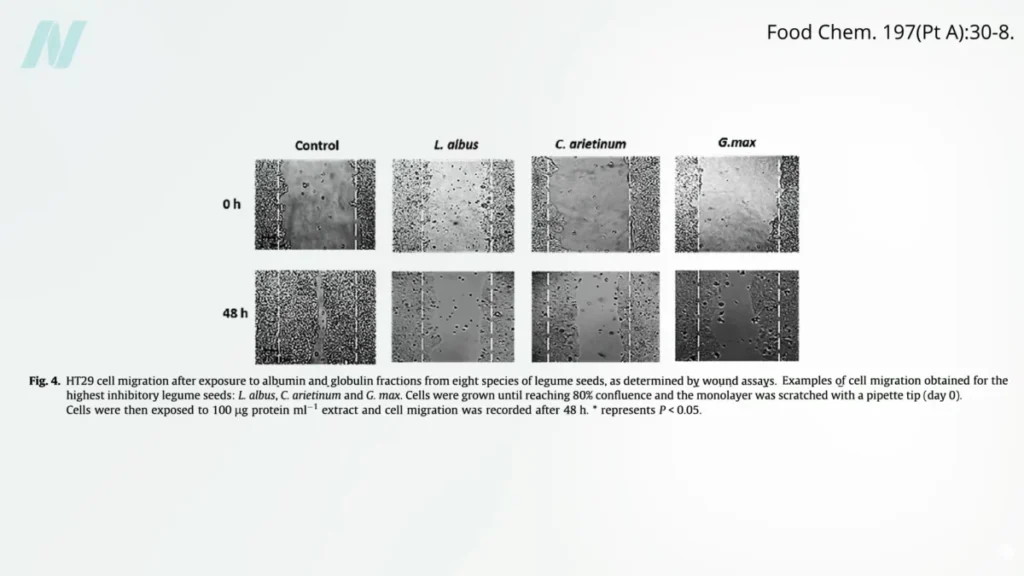
- Demonstrating Impact on Cancer Cell Migration: Beyond mere enzyme inhibition, a crucial step was to observe if this inhibition translated into a functional impact on cancer cell behavior. Researchers employed a "wound healing" or migration assay, plating human colon cancer cells in a petri dish, creating a "wound" by clearing a strip, and then observing how quickly the cells migrated to close the gap with and without legume extracts.
- Assessing Cooking Stability: A critical practical consideration for dietary interventions is whether the beneficial compounds retain their activity after typical food preparation. Researchers specifically tested whether the anti-cancer proteins in legumes remained active after cooking, ensuring that the observed benefits could be realized through regular consumption.
Unveiling the Champions: Lupin, Chickpeas, and Soybeans
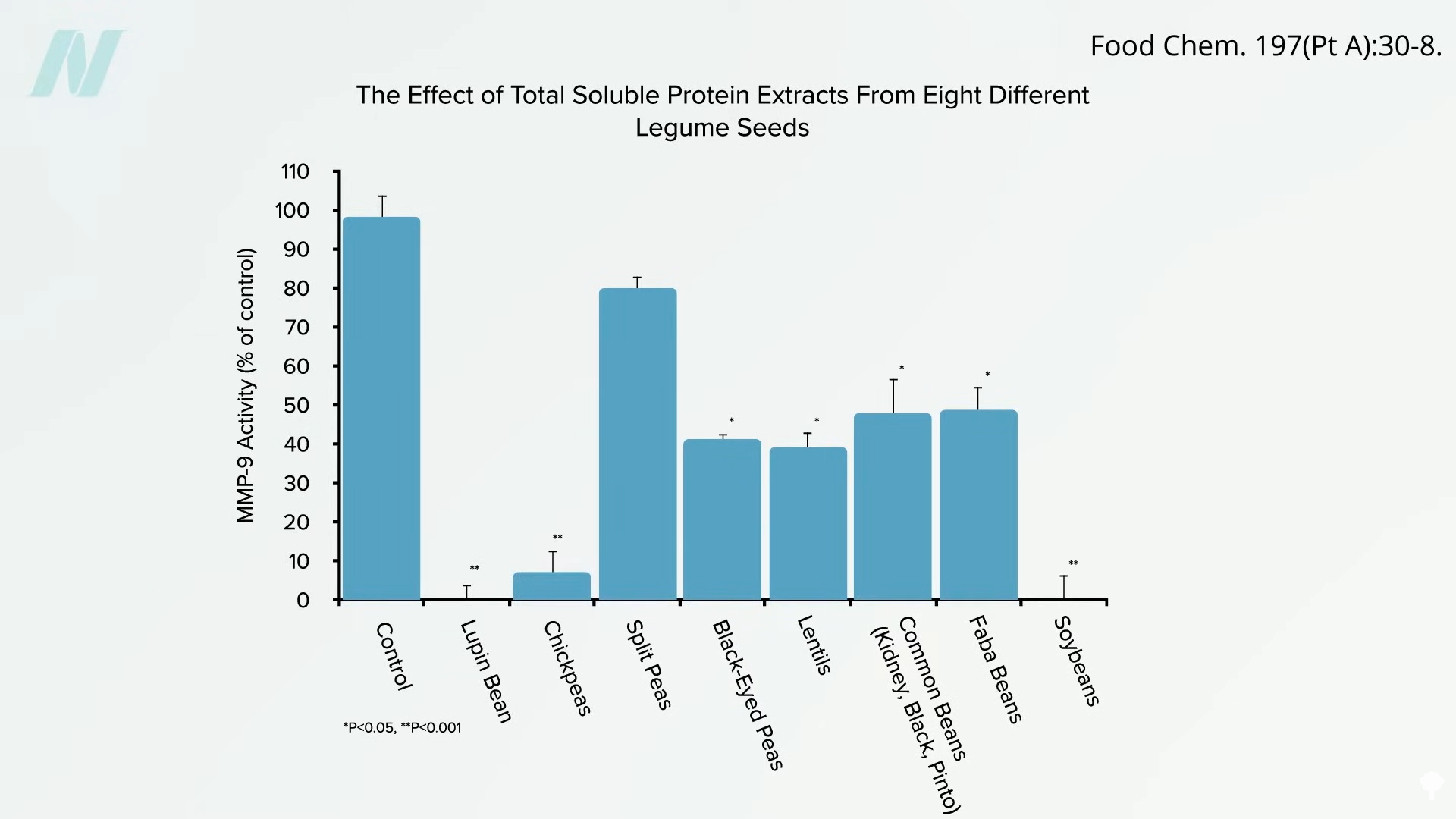
The results of the comparative analysis were striking, clearly delineating the varying degrees of MMP inhibition offered by different legumes. While protein from split peas showed minimal impact, other legumes demonstrated significant inhibitory power. Black-eyed peas, lentils, common beans (like kidney, black, or pinto), and fava beans proved to be quite effective, cutting enzyme activity by more than 50%. This level of inhibition alone is noteworthy and suggests a substantial protective effect.
However, a triumvirate of legumes emerged as true champions: lupin beans, chickpeas, and soybeans. These three demonstrated an exceptional ability to slash matrix metalloproteinase activity by an astonishing more than 90%. This profound inhibition rate positions them as particularly potent dietary tools against cancer invasion.
The subsequent migration assays further underscored these findings. When human colon cancer cells were allowed to migrate into a cleared "wound" in a petri dish, they rapidly converged to fill the gap within 48 hours in the absence of legume extracts. However, when even a small amount of protein from lupin beans, chickpeas, or soybeans was introduced, the cancer cells visibly struggled to close the distance. Their movement was significantly impeded, providing direct visual evidence that these legume proteins not only inhibit the enzymes but also functionally slow down the cancer cells’ ability to spread. This "razor blade" experiment beautifully illustrates the potential of these dietary components to physically hinder metastatic processes. Crucially, addressing concerns about practical application, further research confirmed that the matrix metalloproteinase inhibitors found in soybeans, at least, retained their activity even after cooking, ensuring that the benefits are not lost through standard culinary preparation.
Supporting Data and Broader Health Benefits
Beyond the Lab: Real-World Impact
The compelling in vitro evidence linking specific legumes to MMP inhibition and slowed cancer cell migration finds resonance in broader epidemiological studies. It is perhaps no coincidence that regular consumption of legumes has been consistently associated with a reduced risk of colorectal cancer. This direct correlation is particularly plausible because compounds within legumes, especially those consumed, would come into direct contact with the inner lining of the colon, where colorectal cancers originate. This direct interaction could allow the anti-cancer proteins and other phytochemicals to exert their localized protective effects, inhibiting MMPs and other pro-carcinogenic pathways before cancer can take hold or spread locally. While direct absorption into the bloodstream might be a consideration for systemic effects, the localized action within the gut is a clear and powerful mechanism.
The Systemic Advantage: Plant-Based Diets and MMP Levels
The benefits of legumes and, more broadly, a plant-based diet extend beyond localized effects. Studies have shown that individuals adhering to vegetarian diets tend to have significantly lower systemic levels of matrix metalloproteinases in their bloodstream. This reduction is thought to be a reflection of lower overall inflammation in the body, a key characteristic of plant-based eating patterns. Chronic inflammation is a known driver of various diseases, including cancer, and it also upregulates MMP activity. Therefore, the anti-inflammatory properties of a plant-rich diet contribute indirectly to lower MMP levels, providing a systemic protective effect. This mechanism is similar to how non-smokers, who generally experience less systemic inflammation, also exhibit lower MMP levels compared to smokers. This highlights that while specific legume proteins offer direct MMP inhibition, the holistic anti-inflammatory environment fostered by a plant-based diet further contributes to a healthier physiological state where MMPs are less active.
A Multifaceted Shield: MMPs and Other Chronic Diseases
The importance of regulating MMP activity extends far beyond cancer. These "machete-type" enzymes are not just cancer biomarkers; their dysregulation plays a crucial role in a wide array of chronic diseases. They are implicated in various autoimmune diseases, where inappropriate tissue degradation contributes to pathology. Perhaps even more widely recognized is their role in cardiovascular disease. MMPs can hack through the inflamed, cholesterol-filled atherosclerotic lesions (plaques) lining diseased arteries, weakening the plaque cap. This makes the plaque vulnerable to rupture, a catastrophic event that can lead to the formation of blood clots, causing heart attacks or strokes.
Therefore, the dietary strategies that help reduce MMP activity – particularly a whole food, plant-based diet rich in legumes – offer a multifaceted shield against several leading causes of morbidity and mortality. While the public is increasingly aware of the strong link between plant-based diets and reduced risk of heart disease, many may not fully appreciate the equally significant, if not greater, protective effect against cancer. This protective effect is particularly pronounced among those who adhere strictly to plant-based diets, underscoring the profound impact of dietary choices on long-term health and disease prevention.
Official Responses and Future Directions
Shifting Paradigms in Public Health
The accumulating evidence regarding the chemopreventive properties of dietary compounds, particularly the anti-metastatic potential of legumes, presents a compelling case for a paradigm shift in public health and oncology. While traditional medicine has historically been slow to integrate nutrition into mainstream patient care, there’s a growing acknowledgment of diet’s critical role. However, challenges persist, including a lack of comprehensive nutritional training for medical professionals, the strong influence of the pharmaceutical industry, and the difficulty in translating complex dietary science into actionable, widely adopted public health messages.
There is an urgent need for increased funding for nutritional research in oncology, not just for prevention but also as an adjunctive therapy alongside conventional treatments. Public health campaigns must move beyond general "eat healthy" advice to specifically highlight the evidence-backed benefits of foods like legumes in combating specific cancer mechanisms, such as metastasis. Advocating for plant-based eating as both a preventive measure and a supportive intervention for cancer patients could significantly impact long-term outcomes and reduce the burden on healthcare systems. This requires a collaborative effort from medical institutions, government agencies, and public health organizations to educate and empower individuals with accessible, evidence-based dietary guidelines.
The Call for Clinically Important Benefits
The critique regarding the efficacy of many chemotherapy drugs, demanding "clinically important benefits" like substantial life extension or improved quality of life, should not be dismissed. If pharmaceutical companies were held to higher standards of meaningful patient outcomes, it could fundamentally reorient drug development. Instead of focusing on marginal gains or primary tumor shrinkage at the expense of systemic spread and patient well-being, resources might be reallocated towards truly transformative therapies that target critical cancer processes like metastasis.
This re-evaluation could foster innovation in areas previously overlooked, including the exploration of natural compounds. The economic and ethical implications of developing and marketing expensive drugs with limited real-world benefit are substantial. By demanding efficacy that genuinely matters to patients’ lives, the medical and pharmaceutical industries could be incentivized to pursue more effective, less toxic, and potentially more sustainable solutions, including those inspired by nature’s pharmacy.
Implications for a Healthier Future
Empowering Personal Choices
The insights into the anti-metastatic power of legumes offer a deeply empowering message: individuals hold significant agency in their fight against cancer through their daily dietary choices. The simple act of incorporating more legumes – such as lupin beans, chickpeas, and soybeans – into one’s diet is not merely a healthy habit; it is a strategic intervention against one of cancer’s most formidable weapons: metastasis. This approach is accessible, affordable, and devoid of the harsh side effects associated with pharmaceutical interventions.
By understanding that food can act as potent medicine, individuals can actively participate in their own health and disease prevention. Embracing a whole food, plant-based diet, rich in these powerful legumes, provides a practical and impactful way to reduce cancer risk, potentially slow its progression, and improve overall health, contributing to a future where prevention is as central as treatment.
A Holistic Approach to Cancer Management
Ultimately, the future of cancer management lies in a holistic approach that integrates the best of conventional medicine with robust dietary and lifestyle interventions. While chemotherapy, surgery, and radiation therapy remain crucial tools, they should be complemented by strategies that address the systemic environment in which cancer thrives. The evidence surrounding legumes and MMP inhibition reinforces the idea of "turning off the faucet" – addressing the underlying mechanisms that allow cancer to develop and spread – rather than solely "mopping up the sink" with symptomatic treatments.
This integrated strategy offers a more comprehensive, sustainable, and patient-centered approach to cancer care. It underscores that optimal health is achieved not through isolated interventions but through a synergy of informed choices, where the power of natural compounds found in our food plays an indispensable role in safeguarding against disease and promoting well-being.