Cranberries and Pumpkin Seeds: Natural Allies in the Fight Against Enlarged Prostate
Main Facts
Benign Prostatic Hypertrophy (BPH), commonly known as an enlarged prostate, affects a significant proportion of aging men, with over 50% of men in their 50s and at least 70% of those over 60 experiencing its burdensome symptoms. These symptoms, collectively known as Lower Urinary Tract Symptoms (LUTS), often include frequent nighttime urination, urgency, and a weak stream, severely impacting quality of life. While conventional medical treatments offer efficacy, they are frequently associated with undesirable side effects such as sexual dysfunction and depression, leading to poor patient compliance. When medication fails, invasive surgical procedures like transurethral resection of the prostate (TURP) become necessary. This landscape underscores a critical need for safer, more tolerable, and accessible therapeutic alternatives. Emerging research, building on both traditional wisdom and rigorous scientific inquiry, is now spotlighting the potential of dietary interventions, particularly cranberries and pumpkin seeds, as promising natural remedies for managing BPH symptoms. These common foods are proving to be more than just kitchen staples, offering a beacon of hope for men seeking gentler, yet effective, solutions for prostate health.
The Silent Epidemic: Understanding Benign Prostatic Hyperstatic
Defining the Condition
Benign Prostatic Hypertrophy (BPH) is a non-cancerous enlargement of the prostate gland, a small, walnut-sized organ located just below the bladder in men. The prostate plays a crucial role in the male reproductive system, producing seminal fluid that nourishes and transports sperm. As men age, the cells within the prostate gland begin to multiply, causing the gland to grow. This enlargement can compress the urethra, the tube that carries urine from the bladder out of the body, leading to a variety of urinary symptoms. Unlike prostate cancer, BPH is not life-threatening, but its impact on daily living can be profoundly debilitating. The exact mechanisms driving BPH are complex and not fully understood, but they are believed to involve hormonal changes, particularly shifts in testosterone and estrogen levels, as well as growth factors that influence prostate cell proliferation. Genetic predispositions and lifestyle factors are also thought to play a role in its development and progression.
The Burden of Symptoms
The symptoms associated with BPH are collectively referred to as Lower Urinary Tract Symptoms (LUTS). These can be broadly categorized into "storage" symptoms and "voiding" symptoms. Storage symptoms include increased urinary frequency, especially at night (nocturia), urgency, and bladder pain. Voiding symptoms encompass a weak or interrupted urine stream, hesitancy (difficulty starting urination), straining to urinate, and a feeling of incomplete bladder emptying. The relentless need to urinate at night can disrupt sleep patterns, leading to chronic fatigue, irritability, and reduced productivity during the day. The fear of incontinence or the inability to find a restroom can restrict social activities, travel, and even work engagements, fostering feelings of isolation and anxiety. Beyond the physical discomfort, the psychological toll of BPH can be significant, contributing to stress, depression, and a substantial reduction in overall quality of life. The intimate nature of these symptoms can also lead to embarrassment and a reluctance to seek medical help, further exacerbating the condition and its emotional impact.
Current Therapeutic Landscape
The conventional management of BPH typically involves a stepwise approach, beginning with watchful waiting for mild symptoms, progressing to pharmacological interventions, and culminating in surgical procedures for more severe or refractory cases.
Pharmacological treatments primarily consist of two main classes:
- Alpha-blockers: Medications like Prazosin and Terazosin work by relaxing the smooth muscles in the prostate and bladder neck, which helps to improve urine flow and reduce bladder outlet obstruction. While generally effective in providing rapid symptom relief, they can cause side effects such as dizziness, lightheadedness, fatigue, and ejaculatory dysfunction.
- 5-alpha-reductase inhibitors: Drugs such as finasteride and dutasteride work by blocking the conversion of testosterone to dihydrotestosterone (DHT), a hormone that plays a key role in prostate growth. These medications can shrink the prostate over time and are more effective for larger prostates. However, their onset of action is slower, and they are frequently associated with sexual side effects, including decreased libido, erectile dysfunction, and ejaculatory disorders. The prospect of these side effects often leads to low patient compliance, undermining the overall effectiveness of the treatment regimen.
When medication proves ineffective, or symptoms are particularly severe, surgical interventions become an option. The most common surgical procedure is Transureurethral Resection of the Prostate (TURP), where a surgeon inserts a resectoscope into the urethra and removes excess prostate tissue. While highly effective, TURP is an invasive procedure with potential complications such as bleeding, infection, retrograde ejaculation, and, in rare cases, erectile dysfunction or urinary incontinence. Other less invasive surgical options include laser therapies (e.g., GreenLight laser PVP), which vaporize prostate tissue, and prostatic urethral lift (UroLift), which uses implants to hold the enlarged prostate tissue away from the urethra. Despite their advancements, all surgical options carry inherent risks and require recovery periods, further highlighting the need for less intrusive, yet effective, alternatives. The critical issue of patient compliance with medication, driven by the burdensome side effects, underscores the urgency for exploring therapies that can offer comparable benefits with a more favorable side effect profile.
Dietary Foundations for Prostate Health: A Chronological Perspective
Early Insights from Epidemiology
The journey to understanding the role of diet in BPH prevention and management began with observational population studies. These epidemiological investigations, which examine health patterns and their determinants in large groups of people, consistently suggested a correlation between dietary habits and prostate health outcomes. Early findings indicated that populations with a low intake of animal protein and a high intake of fruits and vegetables tended to exhibit a lower prevalence of BPH. This initial insight sparked considerable interest, moving the scientific community beyond simply attributing BPH to an inevitable consequence of aging.
Further analysis of these dietary patterns began to refine the understanding of specific food groups. While a general reduction in animal protein appeared beneficial, not all animal proteins were found to have the same impact. Notably, eggs and poultry emerged as potentially detrimental, showing an association with increased BPH risk. Refined grains also fell into this category, suggesting that highly processed carbohydrates might contribute to prostate enlargement. Interestingly, some studies did not find a significant association for red meat or dairy products, indicating a more nuanced relationship between diet and BPH than initially assumed. These epidemiological observations laid the groundwork for more targeted research, shifting the focus from broad dietary categories to specific foods and their bioactive compounds. They underscored the hypothesis that diet could play a proactive role, not just in prevention, but potentially in the management of existing BPH symptoms, prompting a search for specific dietary interventions that could be rigorously tested.
The Saw Palmetto Saga: A Cautionary Tale
Amidst the growing interest in natural remedies for BPH, one herb, Serenoa repens, commonly known as saw palmetto, rose to prominence. For decades, saw palmetto extracts were widely marketed and consumed as a natural solution for an enlarged prostate, with many believing it offered a safe and effective alternative to pharmaceutical drugs. Its popularity stemmed from traditional uses and early, less rigorous studies that hinted at its efficacy in improving urinary symptoms. The proposed mechanism of action for saw palmetto involved inhibiting 5-alpha-reductase, similar to some pharmaceutical drugs, thereby reducing the production of dihydrotestosterone (DHT), a hormone linked to prostate growth.
The widespread adoption of saw palmetto prompted significant scientific scrutiny. Researchers embarked on numerous randomized controlled trials (RCTs) – the gold standard for evaluating medical interventions – to definitively assess its efficacy. Over 30 such trials were conducted, involving thousands of participants. However, the cumulative weight of this robust scientific evidence painted a consistent and disappointing picture. Despite initial promise and fervent belief, these trials repeatedly concluded that saw palmetto was "totally useless" for BPH. It failed to demonstrate any significant improvement in urinary flow rates, prostate size, or overall BPH symptoms compared to placebo.
The saw palmetto saga serves as a critical cautionary tale in the pursuit of natural remedies. It highlights the indispensable importance of rigorous, evidence-based research, particularly randomized, placebo-controlled trials, before endorsing any treatment. While traditional use and anecdotal evidence can provide valuable starting points for investigation, they are not substitutes for scientific validation. The experience with saw palmetto underscored that even widely accepted natural products must undergo the same stringent testing as pharmaceutical drugs to ensure they are truly effective and not merely benefiting from a placebo effect or wishful thinking. This episode reinforced the scientific community’s commitment to subjecting all potential BPH treatments, natural or otherwise, to thorough and unbiased evaluation.
Cranberries: From Traditional Remedy to Modern Science
Ancient Wisdom Meets Modern Research
The use of cranberries for urinary ailments is not a recent discovery; it is rooted deeply in the traditions of Native American communities, who utilized these vibrant berries for their medicinal properties long before Western science began to investigate them. This historical context provides a fascinating backdrop for the contemporary scientific exploration of cranberries in the context of BPH. The question, however, remained: were these traditional uses genuinely effective, or merely anecdotal? Modern science has now begun to provide answers, specifically for benign prostatic hypertrophy.
One of the pivotal studies to put cranberries to the test involved participants consuming approximately one teaspoon (around 3 grams) of powdered whole cranberries daily. It’s crucial to note the distinction here: this was not the sugary, oil-laden "craisins" found in many snack mixes, but rather the pure, unadulterated fruit in powdered form. The results were compelling. Participants in the cranberry group experienced significant improvements across several key indicators: their overall BPH symptoms lessened, their quality of life notably improved, and all measurable urination parameters – such as frequency, urgency, and flow rate – showed positive changes. This initial study provided strong evidence that the traditional use of cranberries held scientific merit, at least in the context of BPH. It marked a significant step forward, moving cranberries from the realm of folk medicine into the spotlight of evidence-based dietary interventions. The emphasis on "whole" cranberries further suggested that the synergistic effects of all the compounds within the berry, rather than isolated extracts, might be crucial for their therapeutic benefits.
Dosage and Efficacy: Unpacking the Data
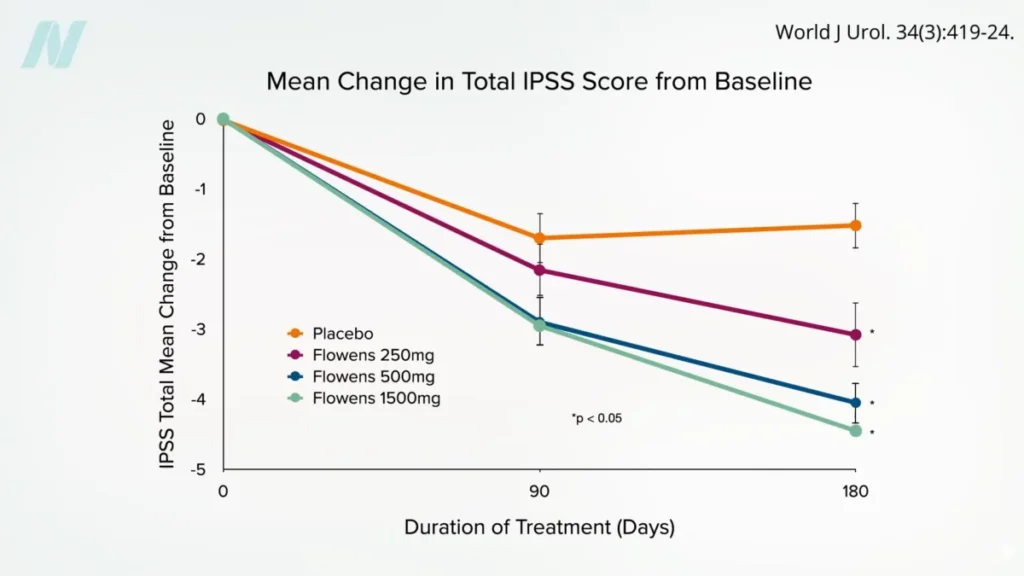
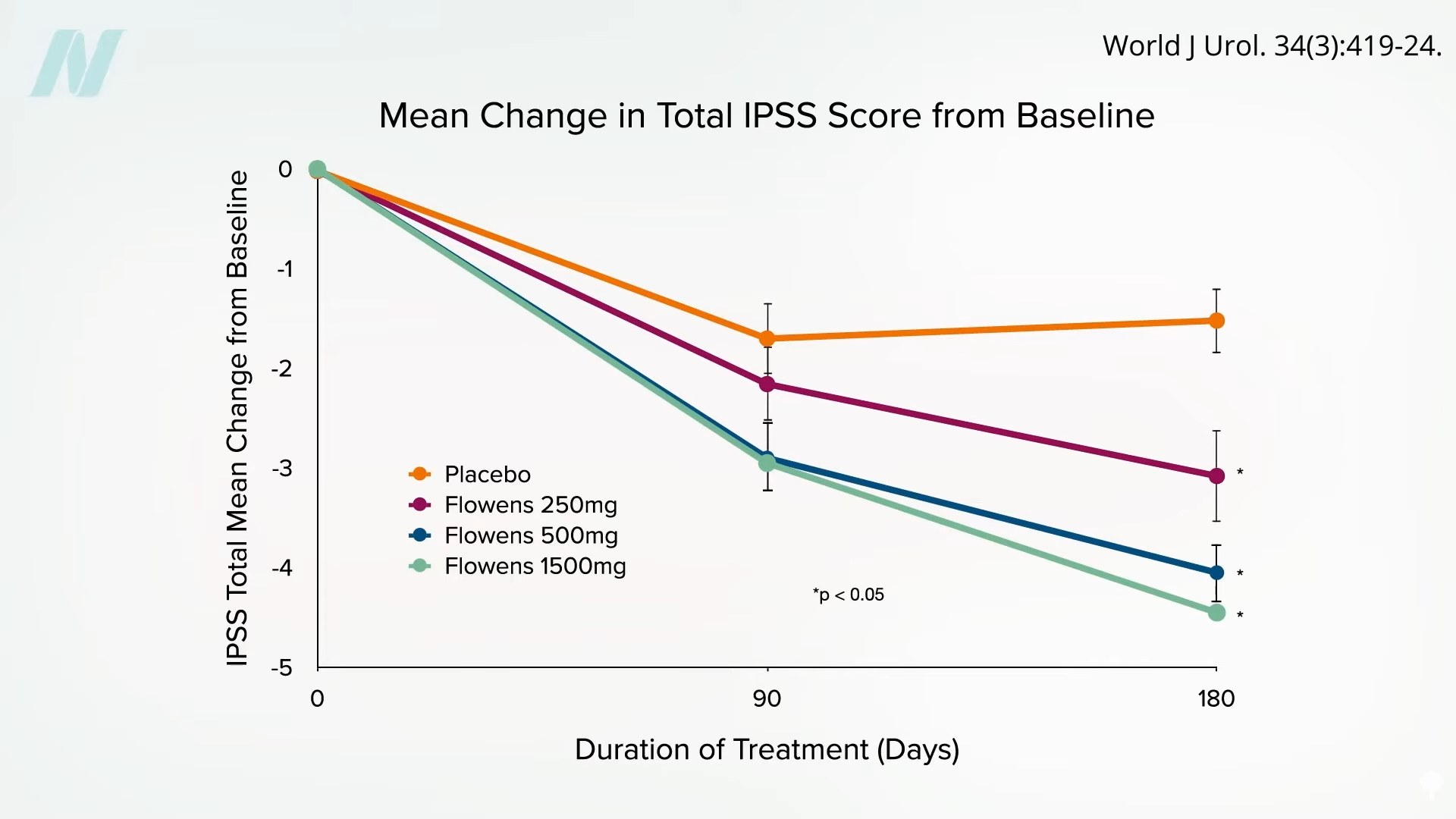
Following the promising results of the initial study, subsequent research aimed to further elucidate the optimal dosage and sustained efficacy of cranberry powder for BPH. A follow-up investigation sought to determine if even smaller quantities of the powdered whole cranberries could yield similar benefits. This study explored the effects of not just a full teaspoon, but also a third of a teaspoon and even a sixth of a teaspoon of cranberry powder. Remarkably, even these lower doses demonstrated a positive impact on BPH symptoms and urination parameters. While the most substantial improvements were observed with the full teaspoon, the fact that smaller doses also provided relief suggested a dose-dependent effect and highlighted the potent nature of this natural intervention. The results from the one-teaspoon dosage in the previous study consistently represented the most significant improvements, often depicted as the lowest and most favorable outcomes in comparative data graphs.
It is important to acknowledge that the study specifically investigating varying dosages, as well as the one featuring a comparative graph, utilized a cranberry supplement. This was largely due to the funding structure, often provided by supplement companies. However, the supplement in question was simply straight cranberry powder, devoid of other additives. This detail is significant, as it implies that consumers can likely achieve the same benefits by purchasing bulk cranberry powder, which is often more cost-effective, and incorporating it into their daily diet, perhaps by adding it to smoothies or oatmeal. This finding empowers individuals to choose a more economical and direct route to accessing the potential benefits of cranberries.
In contrast to the clear efficacy of whole cranberry powder, other fruit-based interventions have not fared as well. For instance, studies examining the effects of drinking purple grape juice on BPH symptoms revealed no discernible benefit whatsoever. This distinction underscores that the therapeutic properties are specific to cranberries, likely attributable to their unique biochemical composition, rather than a general benefit of fruit juices. The key active compounds in cranberries believed to be responsible for their urological benefits are proanthocyanidins (PACs), particularly A-type PACs. These compounds are known for their anti-adhesive properties, preventing bacteria from sticking to urinary tract walls, and also possess significant anti-inflammatory and antioxidant effects, which may contribute to their beneficial impact on prostate health by reducing inflammation and oxidative stress within the gland. The consistent positive outcomes observed across various cranberry powder dosages solidify its position as a credible and accessible natural option for men grappling with BPH symptoms.
Pumpkin Seeds: A Nutritional Powerhouse for Prostate Wellness
Centuries of Folk Medicine: The Resurgence of Pumpkin Seeds
Like cranberries, pumpkin seeds boast a rich history in traditional medicine, having been utilized for centuries across various cultures as a folk remedy for a range of ailments, including those affecting the prostate. This long-standing anecdotal evidence provided a compelling starting point for modern scientific inquiry into their potential benefits for benign prostatic hypertrophy. The journey from traditional belief to scientific validation began in the laboratory, where initial studies sought to understand the biological mechanisms underlying these historical claims.
In vitro experiments, conducted in petri dishes, demonstrated remarkable results: pumpkin seed extracts were shown to effectively cut the growth of BPH prostate cells by half. This direct inhibition of prostate cell proliferation in a controlled environment provided the first strong mechanistic evidence that pumpkin seeds possess compounds with antiproliferative properties relevant to BPH. Building on these promising cellular findings, researchers extended their investigations to animal models. Scientists injected pumpkin seed extracts into rabbits, observing further effects on prostate tissue. While these preliminary studies in the lab and in animals offered valuable insights into the potential of pumpkin seeds, the ultimate test lay in human clinical trials, where their efficacy and safety could be rigorously evaluated in real-world conditions. The transition from petri dish to human subjects represented the crucial next step in validating the centuries-old wisdom surrounding pumpkin seeds.
Clinical Trials: Oil vs. Whole Seeds
The journey to definitively establish pumpkin seeds as an effective treatment for BPH has involved a series of clinical trials, each contributing a piece to the puzzle. Early human studies initially focused on pumpkin seed oil, which appeared to offer relief for prostate issues. Some trials pitted pumpkin seed oil directly against conventional pharmaceutical treatments, specifically alpha-blockers like Prazosin and Terazosin. These head-to-head comparisons suggested that pumpkin seed oil could perform as effectively as these prescription medications in alleviating BPH symptoms. However, a significant limitation of these early trials was the absence of a placebo group. Without a control group receiving an inactive substance, it was impossible to definitively ascertain whether the observed improvements were due to the pumpkin seed oil itself or merely a placebo effect. This methodological gap underscored the need for more robust, placebo-controlled investigations.
The scientific community recognized this critical need, leading to a landmark study that aimed to provide a comprehensive evaluation. This large-scale, randomized controlled trial involved more than a thousand men, who were assigned to one of three groups: a pumpkin seed extract supplement, a placebo, or approximately one tablespoon (about 7.5 grams) of plain, whole pumpkin seeds daily. The funding for this study notably came from a pharmaceutical company that manufactured the pumpkin seed extract supplement. The results, however, delivered a surprising twist. While the study was designed to promote the supplement, the pumpkin seed extract ultimately flopped; it was found to be no better than the placebo in improving BPH symptoms. This outcome highlighted the common challenge in natural product research: isolated extracts often fail to replicate the benefits of the whole food.
The true revelation came from the group consuming plain, whole pumpkin seeds. These participants experienced significant improvements in their BPH symptoms, demonstrating that the whole food itself was indeed effective. This pivotal finding indicated that the therapeutic benefits were not attributable to a single, isolated compound extracted into an oil or supplement, but rather to the synergistic action of multiple bioactive components present in the whole seed. Subsequent research further supported this, learning that even an oil-free extract seemed to work, suggesting that compounds beyond the fatty acids were at play.
The therapeutic efficacy of pumpkin seeds is attributed to a rich array of bioactive compounds. These include phytosterols, such as beta-sitosterol, which are structurally similar to cholesterol and are believed to inhibit the enzyme 5-alpha-reductase, thereby reducing the conversion of testosterone to DHT, a key driver of prostate growth. Pumpkin seeds are also an excellent source of zinc, a mineral crucial for prostate health, with deficiencies often linked to prostate enlargement. Furthermore, they contain lignans, which have phytoestrogenic properties that may help modulate hormone levels, and various fatty acids that possess anti-inflammatory effects. The combined action of these compounds likely contributes to their ability to reduce prostate inflammation, inhibit cell proliferation, and improve urinary flow. The outcomes of these rigorous trials unequivocally positioned whole pumpkin seeds as a credible and accessible intervention for BPH.
Official Endorsement and Practical Recommendations
The robust findings from clinical trials, particularly the one demonstrating the efficacy of whole pumpkin seeds over extracts and placebo, culminated in a significant official endorsement. Researchers concluded that pumpkin seeds could be confidently recommended for patients experiencing mild-to-moderate BPH symptoms. This conclusion was not an isolated academic finding; it was echoed and formally recognized by a prominent regulatory body: the European Medicines Agency (EMA), the European equivalent of the U.S. Food and Drug Administration.
The EMA, through its Committee on Herbal Medicinal Products (HMPC), issued an assessment report stating that Cucurbita pepo L. semen (pumpkin seeds) can be used to relieve lower urinary tract symptoms related to an enlarged prostate. This official endorsement carries substantial weight, signifying that after a thorough review of scientific literature and clinical data, pumpkin seeds are deemed to have sufficient evidence of efficacy and safety for this specific indication. Crucially, the EMA’s recommendation emphasizes that pumpkin seeds should be considered after more serious conditions, such as prostate cancer or urinary tract infections, have been ruled out by a medical doctor. This highlights the importance of an initial medical consultation to ensure accurate diagnosis and appropriate treatment planning.
For individuals looking to incorporate pumpkin seeds into their diet for BPH management, the evidence suggests that consuming approximately one tablespoon (about 7.5 grams) of plain, whole pumpkin seeds daily is an effective approach. These can be easily added to cereals, yogurts, salads, or simply consumed as a snack. The availability, affordability, and minimal side effect profile of whole pumpkin seeds make them an attractive and patient-friendly option. This official recognition from a major regulatory body provides a strong scientific basis for healthcare providers to recommend pumpkin seeds as a part of a comprehensive management strategy for mild-to-moderate BPH, particularly for patients seeking natural and less invasive interventions.
Broader Implications and Future Directions
Beyond BPH: Holistic Prostate Health
The compelling evidence supporting cranberries and pumpkin seeds for BPH management opens a broader discussion about holistic prostate health. It suggests that the dietary interventions effective for BPH may have wider benefits across the spectrum of prostate conditions. For instance, the original article’s "Doctor’s Note" refers to videos on flaxseeds and prostate cancer, and cranberries versus cancer. This hints at the potential for these same whole foods, rich in antioxidants, anti-inflammatory compounds, and phytoestrogens, to play a role in cancer prevention or even as adjunct therapies. Flaxseeds, for example, are known for their lignans, which can modulate hormone metabolism and have been linked to reduced prostate cancer risk. Cranberries, with their powerful proanthocyanidins, also exhibit anti-cancer properties in various laboratory studies.
This interconnectedness underscores a paradigm shift in understanding chronic disease management: the prostate is not an isolated organ, and its health is deeply intertwined with overall systemic well-being. A diet rich in plant-based foods, therefore, doesn’t just target one specific condition but contributes to a protective environment against multiple diseases, including various forms of cancer and inflammatory conditions. The concept of dietary interventions for overall urological health extends beyond just the prostate, potentially benefiting bladder function, urinary tract infection prevention, and kidney health, as evidenced by cranberries’ established role in preventing UTIs. This holistic perspective encourages a lifestyle approach to health, where nutrition becomes a cornerstone of both prevention and treatment.
The Promise of Whole Foods
One of the most profound implications arising from the research on cranberries and pumpkin seeds is the consistent finding that whole foods often outperform their isolated extracts or supplements. The comprehensive thousand-man study on pumpkin seeds vividly illustrated this, where the whole seeds were effective, but the concentrated extract was not. Similarly, the efficacy of whole cranberry powder, as opposed to sugary processed "craisins," points to the power of the complete nutritional matrix found in natural, unprocessed foods.
This phenomenon, often referred to as "food synergy," suggests that the various compounds within a whole food – including vitamins, minerals, fiber, phytonutrients, and antioxidants – work together in complex ways that cannot be replicated by isolating individual components. These synergistic interactions may enhance absorption, bioavailability, and overall therapeutic effect, while also mitigating potential adverse effects that might arise from high doses of isolated compounds. This finding challenges the supplement industry’s focus on extracting and concentrating single "active ingredients" and instead champions a return to foundational dietary principles. It reinforces the idea that a diet rich in diverse, unprocessed plant foods is likely to be more beneficial for long-term health than relying on individual supplements. This promise of whole foods resonates deeply with preventive medicine, advocating for dietary patterns that support the body’s natural healing and protective mechanisms.
Challenges and Opportunities for Research
While the findings on cranberries and pumpkin seeds are encouraging, they also highlight ongoing challenges and open new avenues for future research. One critical area is the need for more large-scale, long-term studies. Many existing trials, while well-designed, are often limited in duration, making it difficult to assess the sustained benefits and potential long-term effects of these dietary interventions. Future research should aim for longer follow-up periods, exploring how consistent consumption of these foods impacts BPH progression, reduces the need for medication or surgery, and influences overall prostate health over several years.
Another opportunity lies in investigating optimal dosages, forms, and combinations of natural remedies. While specific amounts of cranberry powder and whole pumpkin seeds have shown efficacy, there may be optimal ratios or combinations of these foods, or even other synergistic plant compounds, that could further enhance their therapeutic benefits. Research into standardized whole food powders, specific processing methods, and personalized dietary approaches based on individual patient characteristics could lead to more refined and effective recommendations.
Finally, a significant challenge is integrating this growing body of evidence into conventional medical practice. Many healthcare providers lack formal training in nutritional science and may be hesitant to recommend dietary interventions without robust guidelines. There is a need for greater education among medical professionals, as well as the development of clinical guidelines that incorporate evidence-based dietary recommendations for BPH. Opportunities exist for collaborative research between nutritionists, urologists, and primary care physicians to develop integrated treatment plans that combine conventional medicine with effective dietary strategies. Overcoming these challenges will pave the way for a more holistic and patient-centered approach to managing BPH, ultimately improving the quality of life for millions of men worldwide.
Conclusion
The journey through the scientific investigation of benign prostatic hypertrophy reveals a fascinating interplay between ancient wisdom, modern pharmacology, and the burgeoning field of nutritional science. While BPH remains a pervasive challenge for aging men, often leading to distressing symptoms and difficult treatment choices, the rigorous testing of natural interventions offers a renewed sense of hope.
The evidence is clear: cranberries and pumpkin seeds, long celebrated in folk medicine, have now earned their place as credible, evidence-based allies in managing mild-to-moderate BPH symptoms. Whole cranberry powder, even in small daily doses, has demonstrated significant improvements in urinary symptoms and quality of life. Similarly, plain, whole pumpkin seeds, consumed regularly, have shown efficacy comparable to some pharmaceutical agents, with the added advantage of being a safe, accessible, and enjoyable food. Crucially, these findings underscore the profound power of whole foods, often outperforming isolated extracts and challenging the prevailing reliance on synthetic compounds.
These natural remedies offer a compelling alternative for patients seeking to mitigate the side effects associated with conventional medications and avoid invasive surgical procedures. They represent a pathway to improved prostate health that is both gentle and effective, readily available, and aligns with a broader philosophy of preventive and holistic well-being. However, it is paramount that men experiencing BPH symptoms consult with their medical doctors to ensure proper diagnosis and to rule out more serious conditions. The integration of cranberries and pumpkin seeds into a comprehensive BPH management plan, under medical guidance, signifies a promising paradigm shift – one where the kitchen pantry can become an extension of the pharmacy, and where nutrition plays a central role in optimizing prostate health and enhancing the quality of life for millions.