Hosting on a Shoestring: How Culinary Experts Engineered a $40 Game Day Spread for Eight
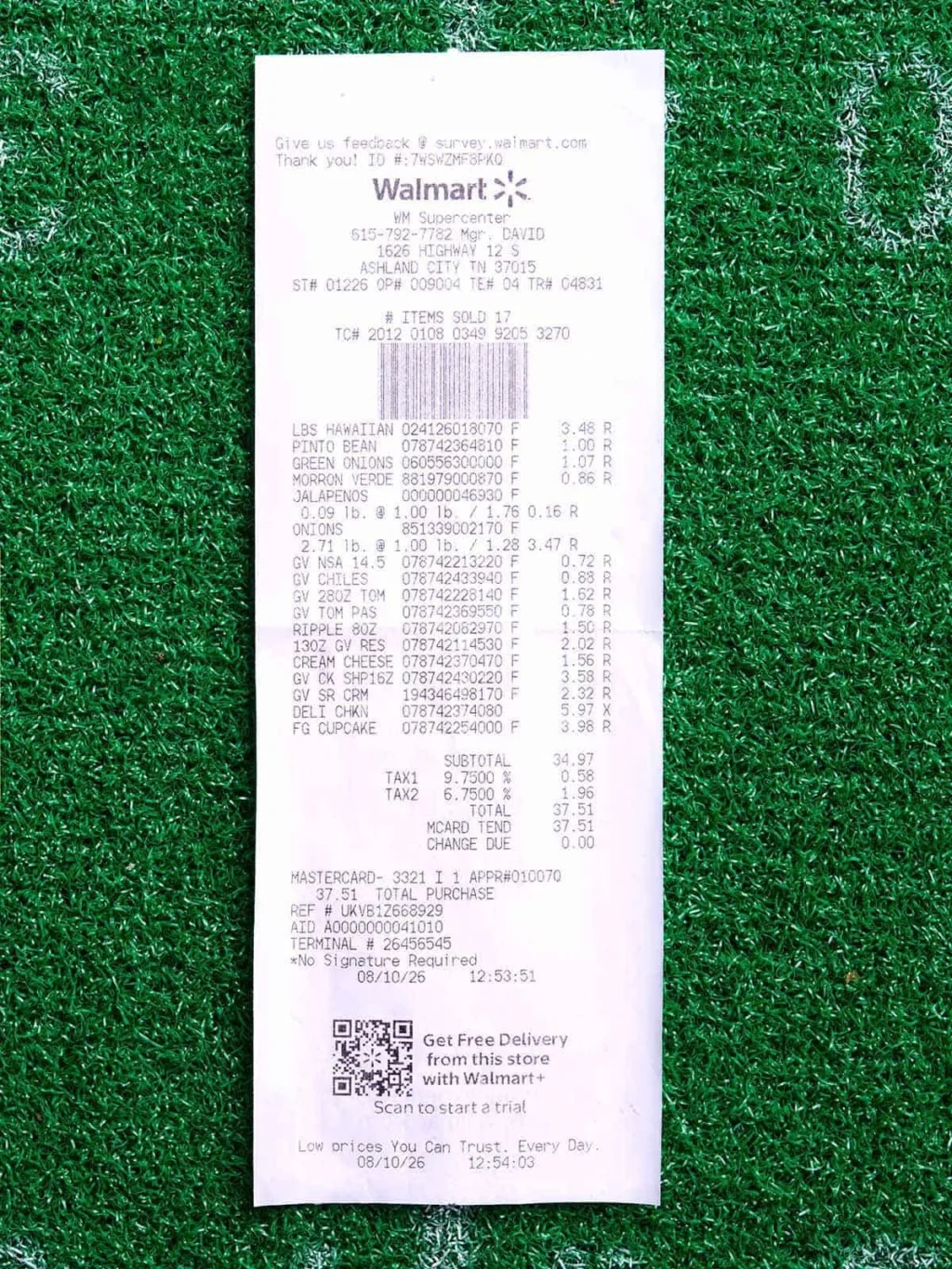
With grocery prices remaining a primary concern for households across the country, hosting social events like Game Day watch parties has increasingly turned into a budgeting challenge. To address this financial pressure, culinary developers at the Nashville Test Kitchen of the budget-focused food platform Budget Bytes designed and executed a hosting plan aimed at feeding eight people for under $40.
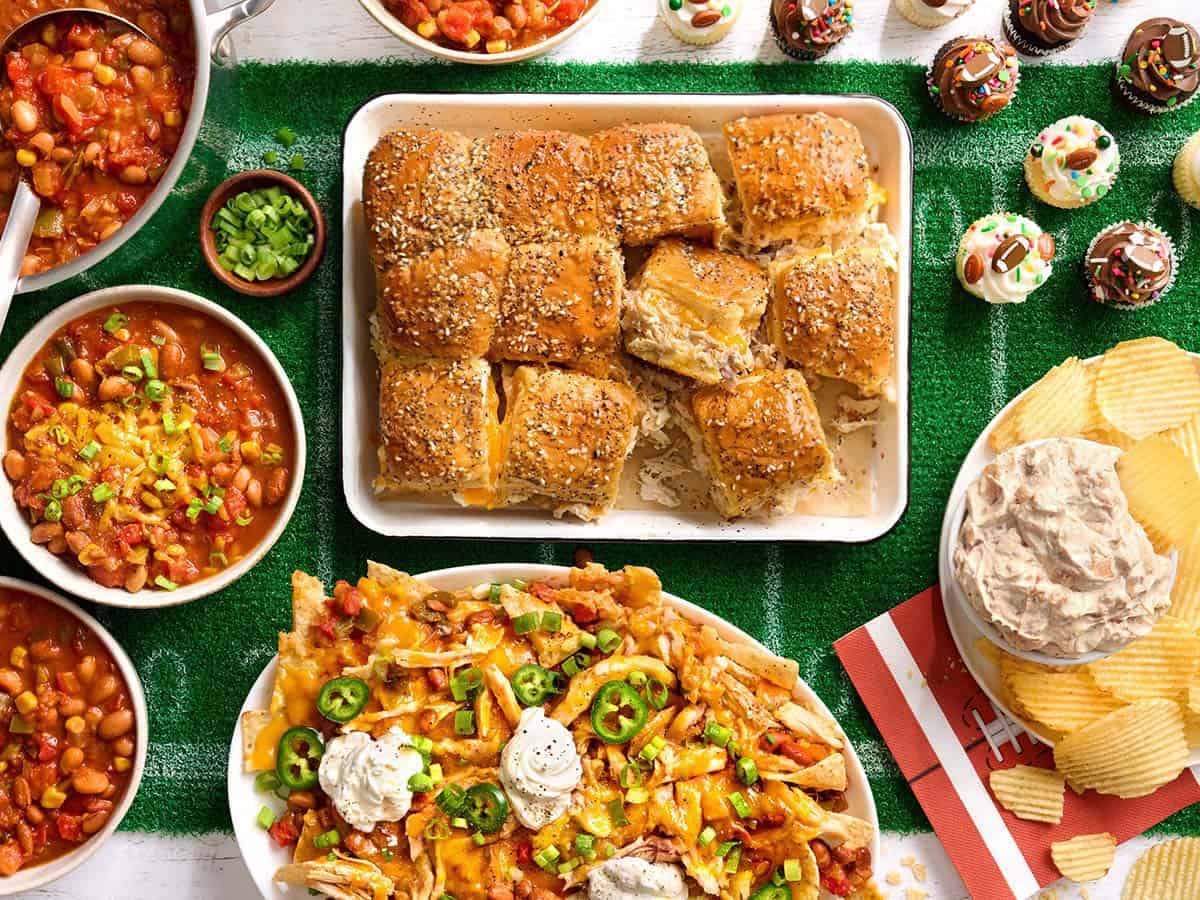
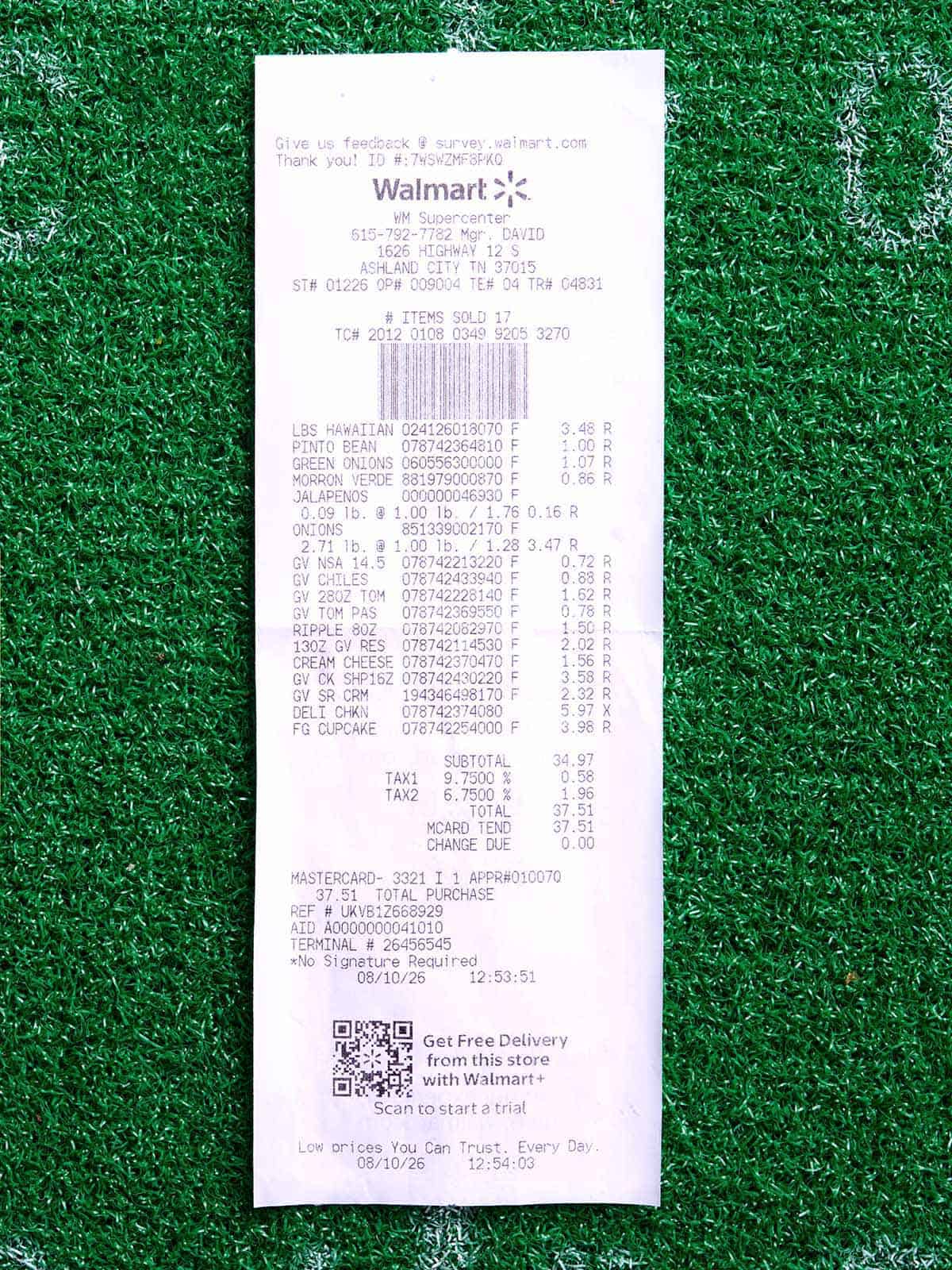
By utilizing strategic grocery shopping, ingredient cross-utilization, and professional culinary techniques, the team successfully created a five-course Game Day spread for a grand total of $37.51. The resulting menu features a mix of hearty, crowd-pleasing, and customizable items, proving that high-inflation environments do not have to dictate the end of social hosting.
Main Facts: The $37.51 Game Day Breakthrough
The core objective of the culinary challenge was to feed eight adults with a diverse, satisfying menu without exceeding a strict $40 limit. The team met this goal by focusing on high-flavor, low-cost ingredients such as yellow onions, canned beans, sour cream, and jalapeños.
The Five-Course Budget Menu
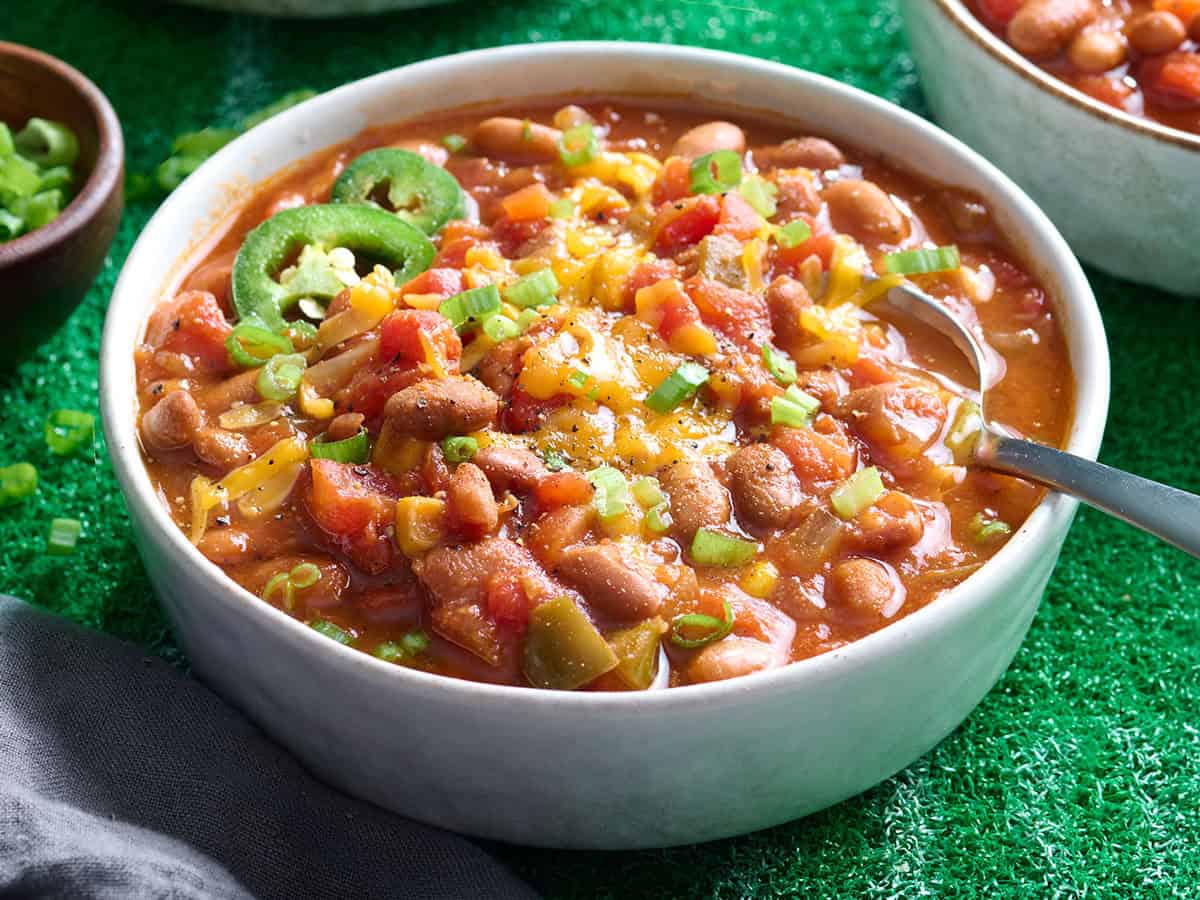
- Vegetarian Chili: A hearty, fiber-rich, and smoky bean-based chili designed to serve as both a standalone dish and a foundational ingredient for other menu items.
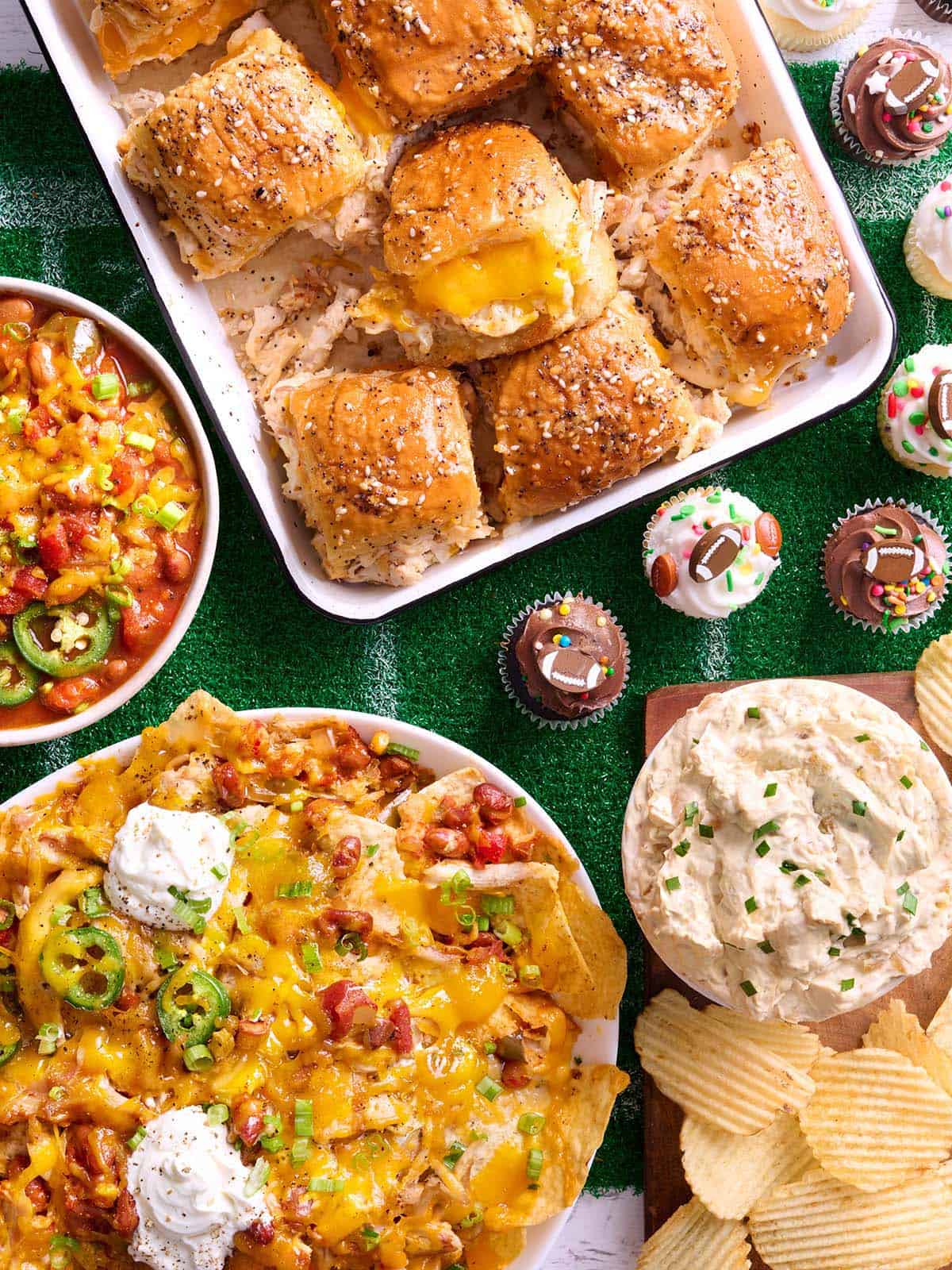
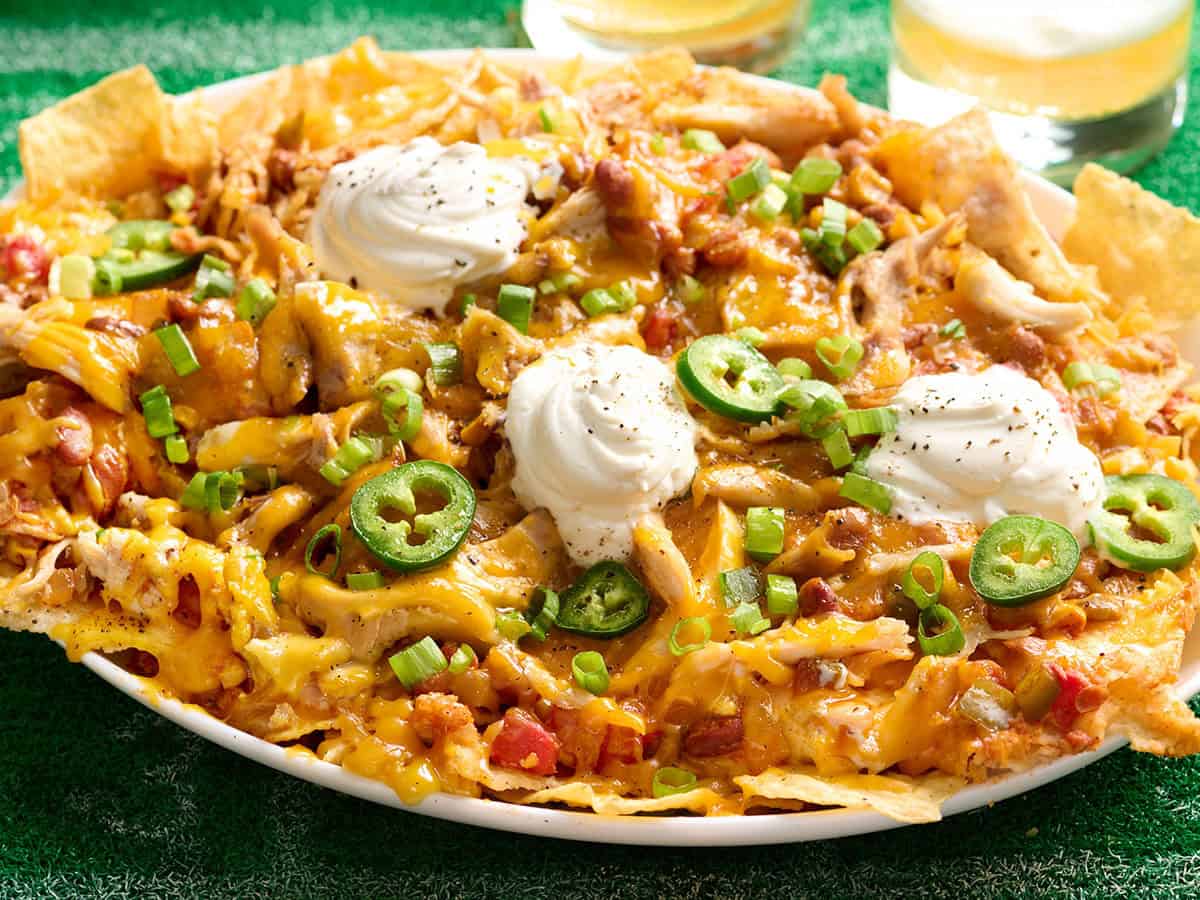
- Chili Cheese Nachos: A highly customizable platter utilizing the vegetarian chili, leftover shredded rotisserie chicken, sharp cheddar cheese, sour cream, and sliced jalapeños.
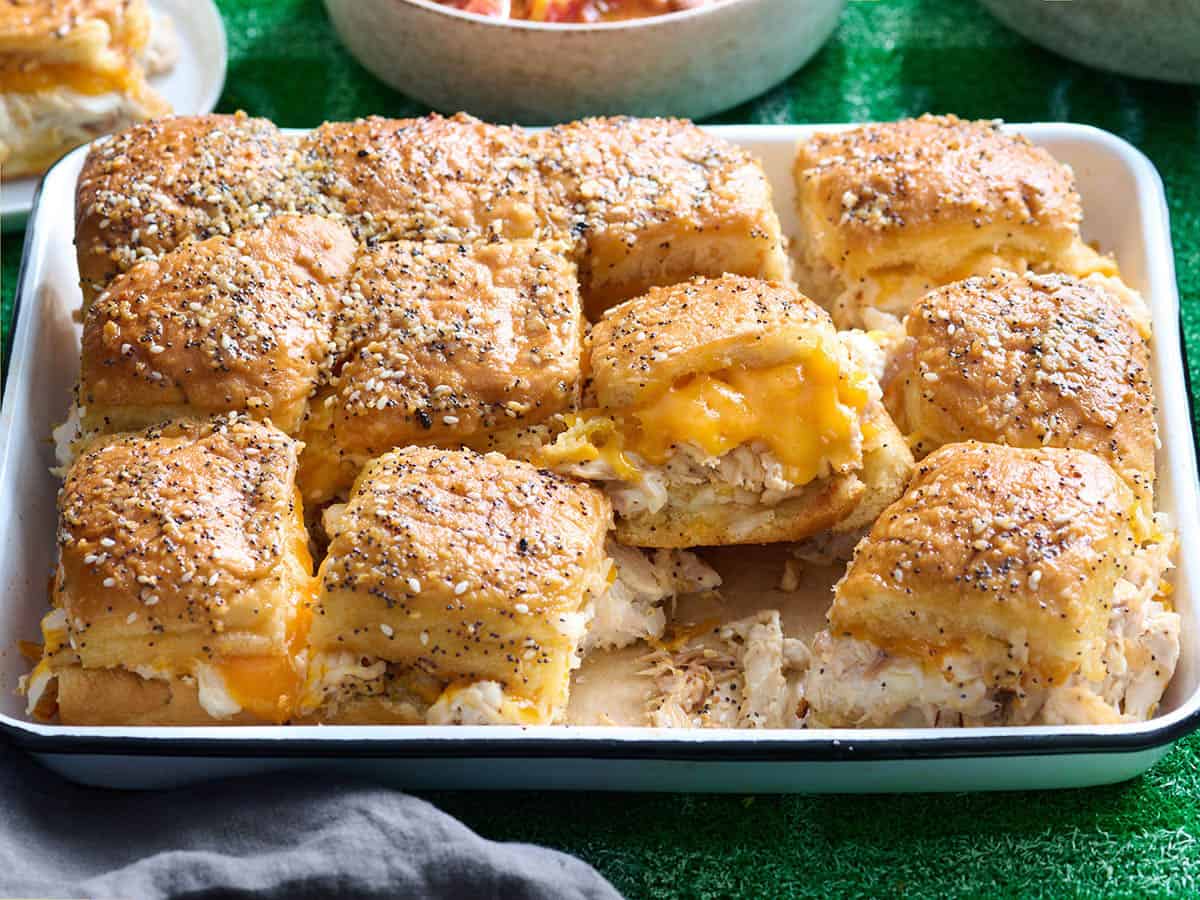
- Cheesy Chicken Sliders: Baked sweet Hawaiian rolls stuffed with a savory, creamy chicken filling made from rotisserie chicken, melted cheddar, and seasoned butter.
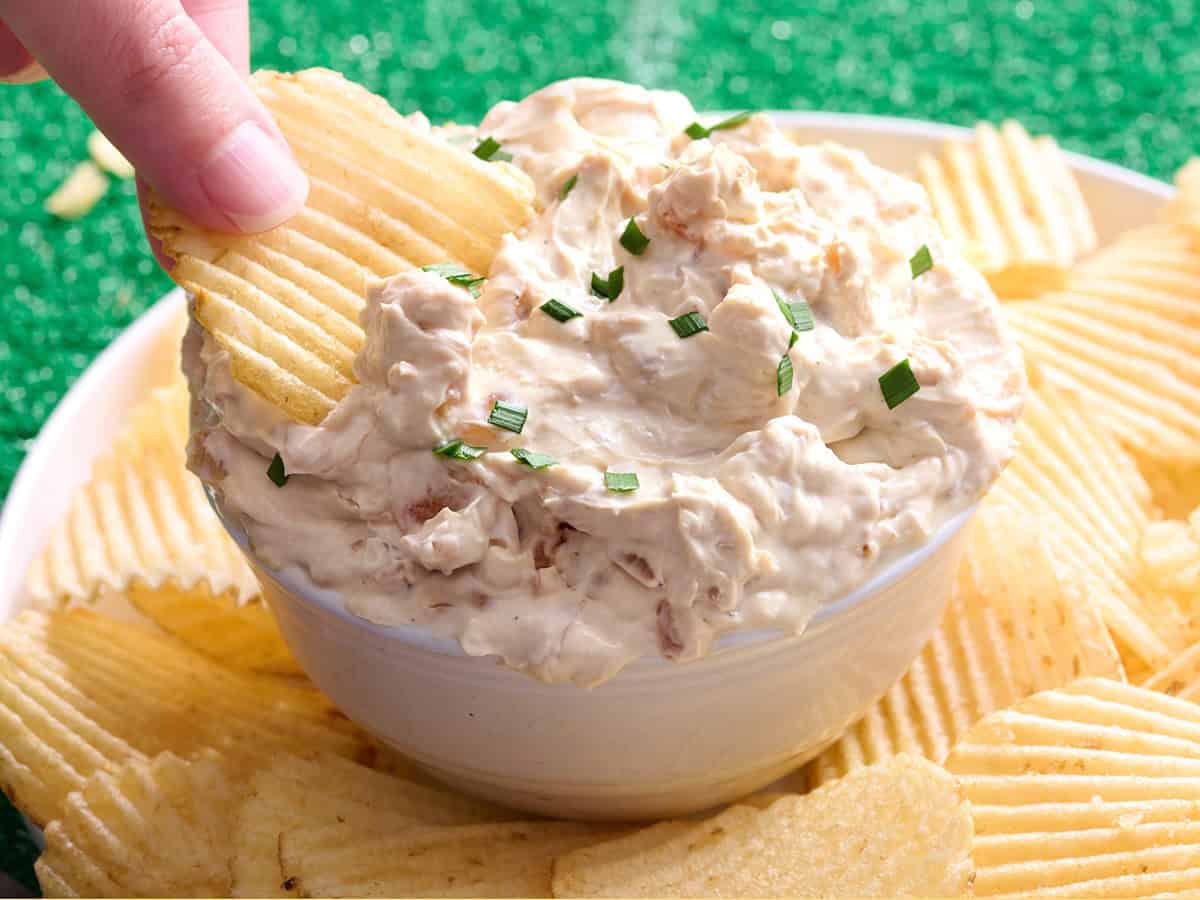
- Homemade French Onion Dip: A rich, savory dip crafted from slowly caramelized yellow onions, cream cheese, sour cream, and pantry spices, served with potato chips.
- Festive Football Cupcakes: A convenient dessert shortcut using a store-bought tray of 12 mini cupcakes from the bakery section, decorated with simple football-themed icing.
Key Financial and Operational Metrics
- Total Cost: $37.51 (including local taxes and grocery fees).
- Cost Per Person: approximately $4.69.
- Primary Retailer: Walmart (selected for national accessibility and low baseline pricing).
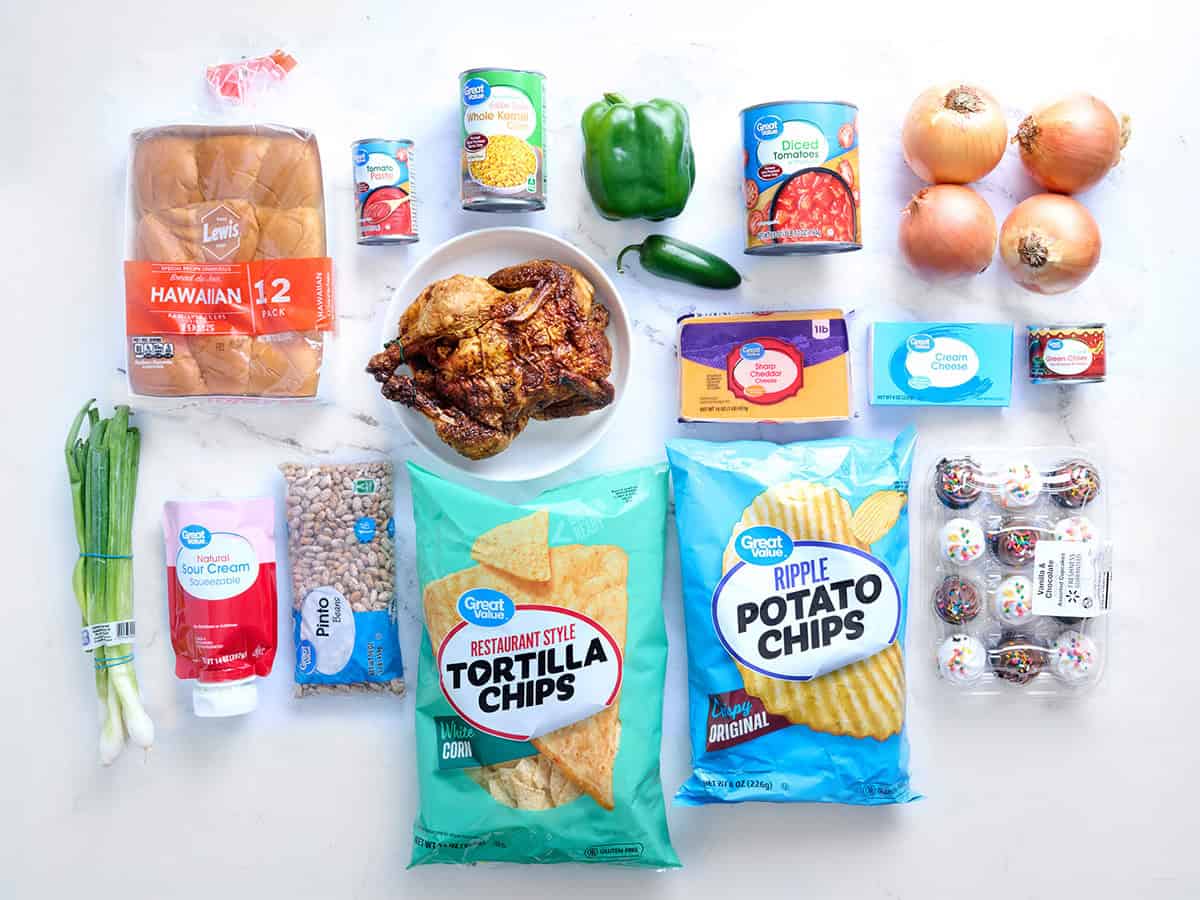
- Key Culinary Strategy: Ingredient cross-utilization (sharing sour cream, onions, chicken, and cheese across multiple recipes to minimize waste and bulk purchases).
Chronology: From Concept to Plating in the Nashville Test Kitchen
The development of the $40 Game Day menu followed a structured timeline, transitioning from economic planning to physical testing and final presentation.
[Phase 1: Conceptualization & Ingredient Synergy]
       │
       ▼
[Phase 2: Sourcing and Retail Procurement]
       │
       ▼
[Phase 3: Recipe Testing & Preparation]
       │
       ▼
[Phase 4: Assembly, Styling, and Plating]
Phase 1: Conceptualization & Ingredient Synergy
The process began in the Nashville Test Kitchen, where culinary developers analyzed typical Game Day menus to identify high-cost items. Meat is traditionally the most expensive component of watch party spreads. To mitigate this, the team decided to build the menu around a substantial vegetarian base (the chili) while reserving a single rotisserie chicken to be shared across two separate dishes (the sliders and the nachos). This phase also established the rule of "ingredient doubling"—ensuring that any fresh produce or dairy item purchased would appear in at least two different recipes.
Phase 2: Sourcing and Retail Procurement
Once the ingredient list was finalized, the developers selected a single retail destination to procure all items. Walmart was chosen due to its massive retail footprint. Sourcing all ingredients in one trip eliminated the hidden costs of travel and delivery fees, keeping the budget strictly within the $40 limit. The final checkout receipt confirmed a subtotal well below the target, leaving a small buffer for localized price variations.
Phase 3: Recipe Testing and Preparation
Back in the kitchen, the culinary team tested each recipe to optimize preparation times and flavor profiles:
- The vegetarian chili was simmered slowly to allow the canned tomatoes to break down and develop a deep umami flavor.
- Half a pound of yellow onions was caramelized slowly over low heat to form the sweet, rich base of the French onion dip.
- The rotisserie chicken was divided systematically: the bulk of the breast meat went into the slider filling, while the remaining dark meat and smaller shreds were set aside for the nachos.
Phase 4: Assembly, Styling, and Plating
The final phase focused on presentation. The team, working alongside food photographer Rebecca, arranged the dishes to maximize visual appeal. The store-bought mini cupcakes, purchased for just $3.98, were placed in the center of the table as an eye-catching, low-effort dessert centerpiece. The completed layout demonstrated that budget-conscious entertaining does not require sacrificing aesthetic appeal or variety.
Supporting Data: Detailed Cost Breakdown and Retail Market Context
To understand how the team stayed under budget, it is necessary to examine the specific financial data behind the shopping list and the broader retail environment that made it possible.
Ingredient Sharing and Cost Efficiency Matrix
To prevent buying single-use ingredients that drive up grocery bills, the menu was designed so that primary purchases were distributed across multiple recipes:
| Ingredient | Used In | Budget Impact / Strategy |
|---|---|---|
| Sour Cream | French Onion Dip, Chicken Sliders, Nachos, Chili Topping | Replaced mayonnaise in the sliders; served as the base for the dip and a cooling element for spicy dishes. |
| Yellow Onions | Vegetarian Chili, French Onion Dip, Chicken Sliders | Replaced more expensive red onions in the slider recipe; caramelized to create a high-value dip flavor for under $0.50. |
| Rotisserie Chicken | Chicken Sliders, Chili Cheese Nachos | Purchased pre-cooked to save prep time; shredded and divided to provide protein to two separate courses. |
| Sharp Cheddar Cheese | Chicken Sliders, Chili Cheese Nachos, Chili Topping | Purchased in bulk block form and shredded at home to maximize meltability and yield per dollar. |
The Retail Accessibility Factor
The decision to shop at Walmart was backed by demographic and market data. According to industry statistics:
- Walmart is the largest grocery retailer in the United States, controlling over a quarter of the grocery market share.
- More than 90% of the U.S. population lives within 10 miles of a Walmart store.
This geographic density makes the budget challenge highly reproducible for the average consumer, as the vast majority of readers have access to the same inventory and pricing structures used by the Nashville Test Kitchen.
Expert Insights: The Culinary Strategy Behind the Menu
The success of the $40 Game Day challenge relies heavily on professional culinary techniques that elevate inexpensive ingredients. Jess Rice, a culinary developer and former Chef Professor at Niagara College, emphasizes that budget cooking is about maximizing technique rather than relying on expensive ingredients.
Maximizing Flavor Through Slow Cooking
"When you are working with low-cost canned goods like beans and tomatoes, the secret is patience," says Rice, who also founded the Nashville raw vegan restaurant AVO. "For the vegetarian chili, we let the tomatoes simmer thoroughly to develop their natural sugars and rich umami base. We also added a couple of tablespoons of molasses. This inexpensive pantry staple introduces a smoky, deep sweetness that perfectly balances the heat of the chili powder and jalapeños."
Smart Substitutions and Shortcut Desserts
Other members of the development team highlighted the importance of flexibility and knowing when to take shortcuts:
- Melissa explained the logic behind the chicken sliders: "By using the same yellow onions we bought for the French onion dip instead of buying a separate red onion, we saved money without any loss in flavor. Substituting sour cream for mayonnaise in the slider filling also allowed us to buy one large container of sour cream instead of two separate condiments."
- Jennie discussed the value of the store-bought dessert: "While scratch baking is wonderful, it requires flour, sugar, eggs, and butter—staples that would have eaten up a huge portion of our $40 budget. Spending $3.98 on a pre-made tray of mini cupcakes saved both our budget and our cleanup time."
Implications: Changing Consumer Behavior in an Inflationary Economy
The Budget Bytes Game Day challenge highlights a broader shift in how consumers approach entertaining during periods of sustained food inflation. Over the past several years, retail grocery prices have risen significantly, forcing hosts to rethink traditional party menus that rely heavily on expensive meat platters, custom catering, or premium pre-packaged appetizers.
       [Sustained Food Inflation]
                   │
                   ▼
       [Financial Stress on Hosts]
                   │
                   ▼
┌──────────────────┴──────────────────┐
│                                     │
▼                                     ▼
[Shift to Low-Cost Bases]     [Strategic Ingredient Sharing]
(Beans, Potatoes, Tortillas)   (Using single items in multiple dishes)
│                                     │
└──────────────────┬──────────────────┘
                   │
                   ▼
     [Affordable Social Connection]
The Rise of "Smart Hosting"
This budget-friendly menu highlights several key strategies that are redefining modern home entertaining:
- Shifting to Low-Cost Bases: Rather than serving expensive individual portions like chicken wings or sliders as the sole option, successful hosts are prioritizing high-volume, low-cost bases like tortilla chips, potatoes, and beans. These ingredients are highly filling and serve as excellent canvases for smaller amounts of premium toppings.
- The "Zero-Waste" Menu Design: Modern hosting increasingly rejects the practice of buying highly specific ingredients for a single dish. Designing menus where fresh produce, cheeses, and herbs are shared across every single recipe prevents leftover waste and keeps grocery bills manageable.
- De-escalating the Pressure of "Scratch" Cooking: As demonstrated by the $3.98 bakery cupcake shortcut, consumers are realizing that mixing high-quality homemade items (like caramelized onion dip) with smart, cheap store-bought shortcuts yields the best balance of time, sanity, and financial health.
Ultimately, challenges like the $40 Game Day spread demonstrate that economic constraints do not have to isolate us. By applying basic culinary principles—such as slow-simmering, strategic ingredient sharing, and thoughtful presentation—home cooks can continue to bring people together around the table, proving that great hospitality is defined by creativity and connection rather than a high price tag.