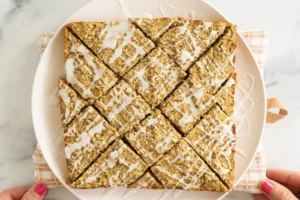
The Art of the Perfect Morning: Why These Gluten-Free Oatmeal Breakfast Bars Are Redefining Home Baking
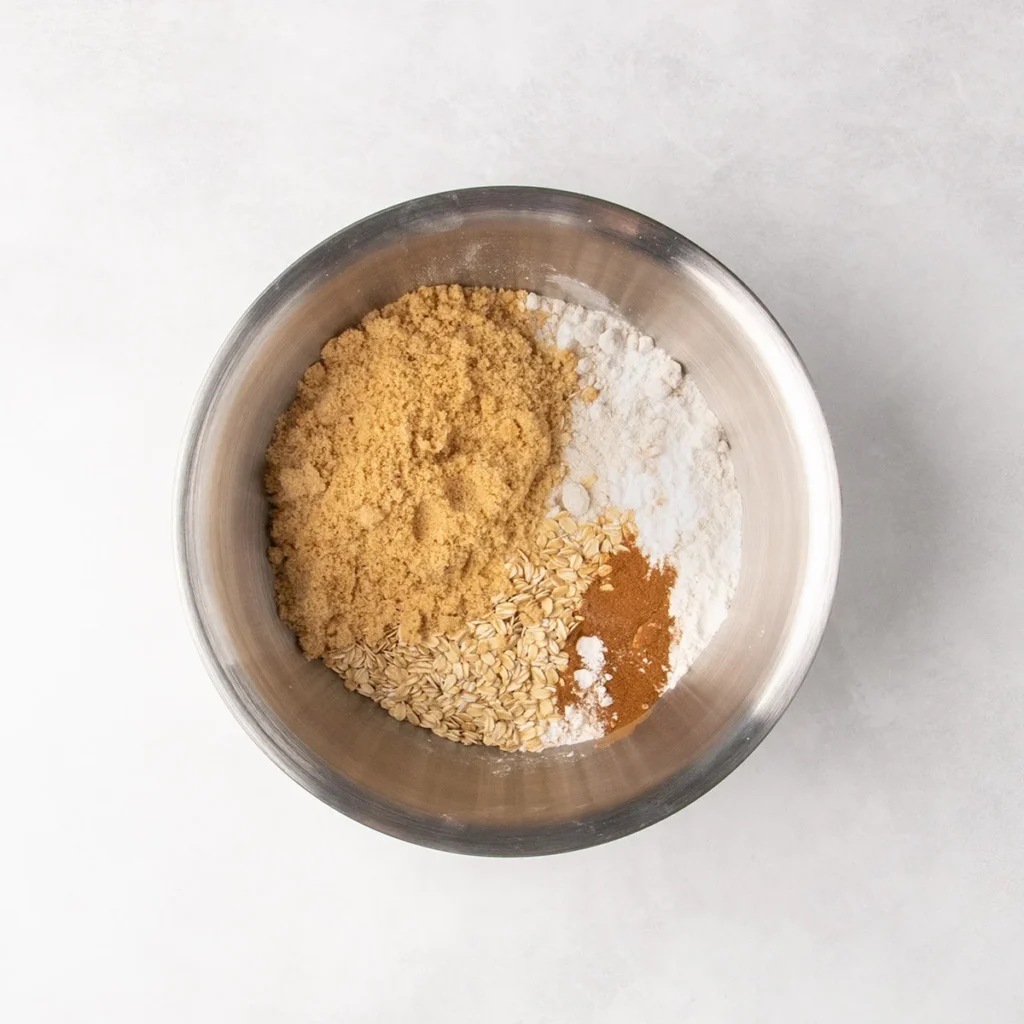
In the world of dietary restrictions, the breakfast category has long been a source of frustration for those navigating a gluten-free lifestyle. Store-bought options are frequently either crumbling, flavorless, or packed with unnecessary additives that drive up the price while diminishing the nutritional value. However, a new approach to the classic breakfast bar is gaining traction—one that prioritizes texture, integrity, and the comforting, nostalgic flavor of brown sugar and cinnamon oatmeal.
These gluten-free breakfast bars represent a departure from the typical, often overly sticky, granola-style bars found on supermarket shelves. By utilizing a deliberate combination of oat flour and whole rolled oats, home bakers are now able to replicate that thick, chewy consistency that defines a truly satisfying morning meal.
Main Facts: The Anatomy of a Better Breakfast Bar
The success of this recipe lies in its structural engineering. Unlike standard granola bars that rely on binders like excessive syrups or nut butters, these bars utilize a unique flour-based dough that provides a sturdy, cake-like foundation.

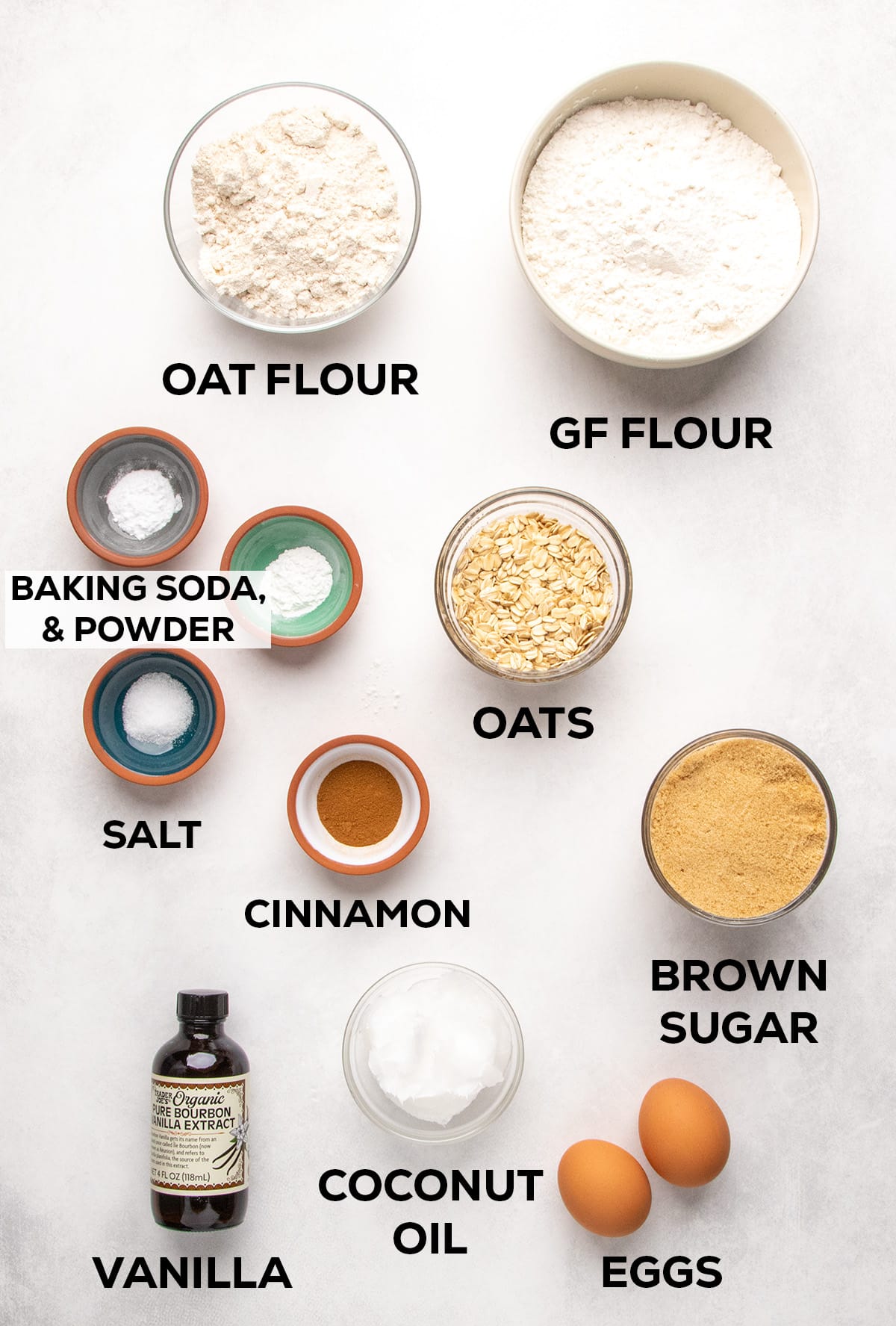
The core ingredients include:
- A Gluten-Free Flour Blend: Essential for providing the structural "glue" that prevents the bars from falling apart.
- Oat Flour: Provides the base flavor profile, offering that deep, earthy, and familiar oatmeal taste.
- Whole Rolled Oats: Incorporated to provide the necessary texture and "chew" that consumers expect from an oatmeal-based product.
- Brown Sugar and Cinnamon: A classic flavor pairing that creates a light, caramel-like sweetness without the cloying intensity of refined white sugar.
- Coconut Oil: Serves as the primary fat, ensuring the bars remain tender even after cooling, without becoming overly greasy.
The technical brilliance of the recipe is in the baking process. By utilizing a lower oven temperature—specifically 325°F—the bars are baked to a pale, soft finish rather than being subjected to high heat that would otherwise dry out the crumb or create a burnt, bitter crust.
Chronology: A Step-by-Step Guide to Perfection
For the home baker, the process of creating these bars is as methodical as it is rewarding. Achieving the perfect result requires attention to detail during each stage of the preparation.
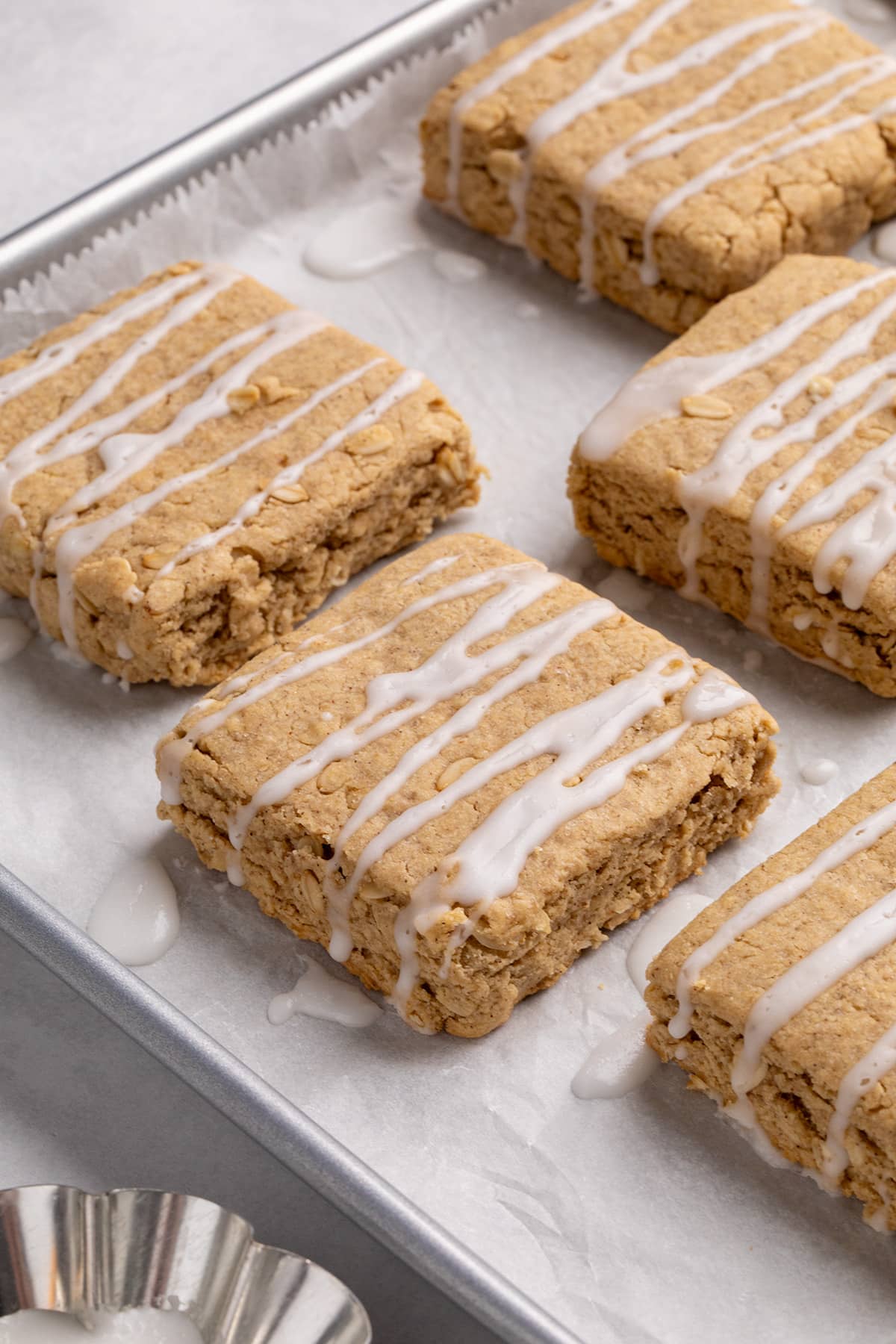
1. The Dry Foundation
The process begins with the careful integration of dry ingredients. It is imperative to whisk the gluten-free flour blend, oat flour, baking powder, baking soda, salt, cinnamon, brown sugar, and oats until fully homogenous. This step is critical, as it eliminates clumps of leaveners or salt that could lead to an uneven rise or flavor profile. Because brown sugar contains moisture, the baker must ensure all lumps are fully broken down before introducing any liquid.
2. The Liquid Integration
When introducing the beaten eggs, melted coconut oil, and vanilla extract, the goal is to reach a state of cohesion. The dough is intentionally thick and relatively dry. If the dough remains too crumbly, small amounts of water may be added sparingly. However, restraint is the key word here; an over-hydrated dough will spread during the baking process, resulting in a thin, brittle bar rather than a thick, chewy square.
3. The Shaping Process
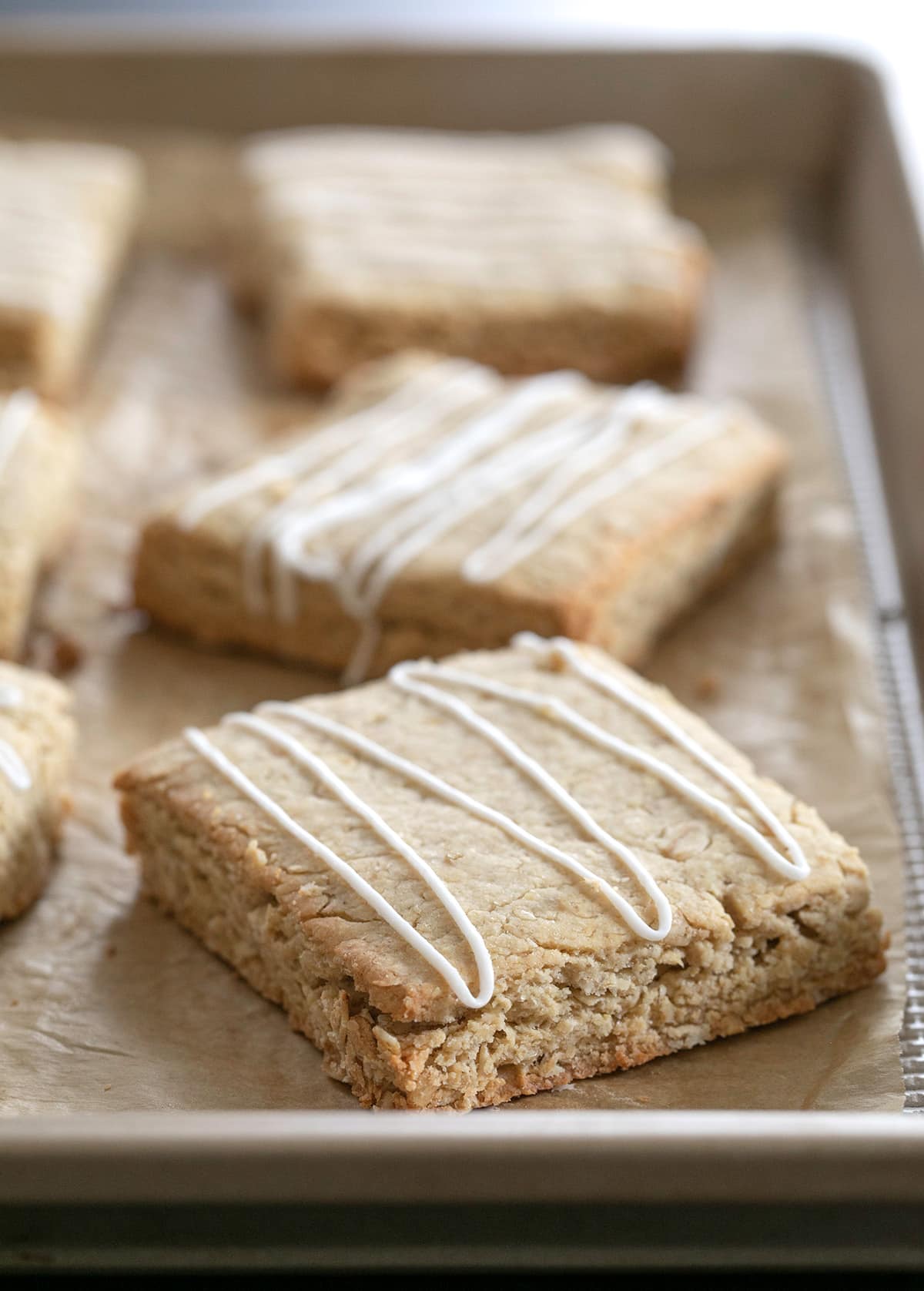
Unlike many recipes where the product is cut after baking, this method requires the dough to be shaped into a square prior to entering the oven. By pressing the dough into a one-inch thick square and using a bench scraper to sharpen the edges, the baker ensures the bars rise upward rather than outward. This vertical expansion is the secret to their signature thickness.
4. The Final Bake and Glaze
The bars are arranged on a parchment-lined sheet and baked for 12 to 14 minutes. Once removed, they are allowed to cool completely. Only after the cooling process is finished should the optional confectioners’ sugar glaze be applied, preventing the glaze from melting or sliding off the warm surface.
Supporting Data: Nutritional and Storage Profiles
From a nutritional standpoint, these bars offer a substantial start to the day. Each bar contains approximately 369 kcal, providing a significant energy boost. With 5 grams of protein and 3 grams of fiber per serving, they strike a balance between indulgence and utility.
Furthermore, the storage implications are significant for busy households. Because these bars are structurally sound, they remain fresh at room temperature for up to three days when sealed in an airtight container. For those looking to meal-prep for the month, they are highly freezer-friendly. By wrapping each bar individually in freezer-safe film, they can be preserved for up to three months. To serve, a simple 30-second cycle in the microwave on half-power restores the bar to its original, fresh-from-the-oven texture.
Official Guidance on Ingredient Substitutions
For those with additional dietary requirements beyond gluten sensitivity, the recipe offers a high degree of flexibility.
- Dairy-Free Adaptation: The recipe is naturally dairy-free when using coconut oil. For the glaze, swapping dairy milk for water or a plant-based alternative is seamless.
- Egg-Free Alternatives: The use of "chia eggs" (one tablespoon of ground chia seeds to two tablespoons of water) or commercial egg replacers has proven successful for those managing egg allergies.
- Oat-Free Variations: For individuals with oat sensitivities, ground quinoa flakes can be substituted for oat flour, while rolled buckwheat can serve as a suitable replacement for rolled oats, maintaining the desired texture without the potential for cross-reactivity.
Implications: The Future of Gluten-Free Home Baking
The rising popularity of these bars highlights a broader trend in the gluten-free community: the move away from "good enough" towards genuine culinary satisfaction. As Nicole Hunn of Gluten Free on a Shoestring notes, the community is no longer willing to accept products that serve as mere placeholders for their gluten-containing counterparts.
The implication for the modern home baker is clear: dietary restrictions are no longer an excuse for sacrificing texture or flavor. By mastering techniques like "sharpening the edges" and understanding the interaction between fats and flours, those on a gluten-free diet are reclaiming the breakfast table. These bars serve as a testament to the fact that when quality ingredients are paired with precise, professional-grade techniques, the resulting product can stand on its own merits, regardless of the dietary label attached to it.
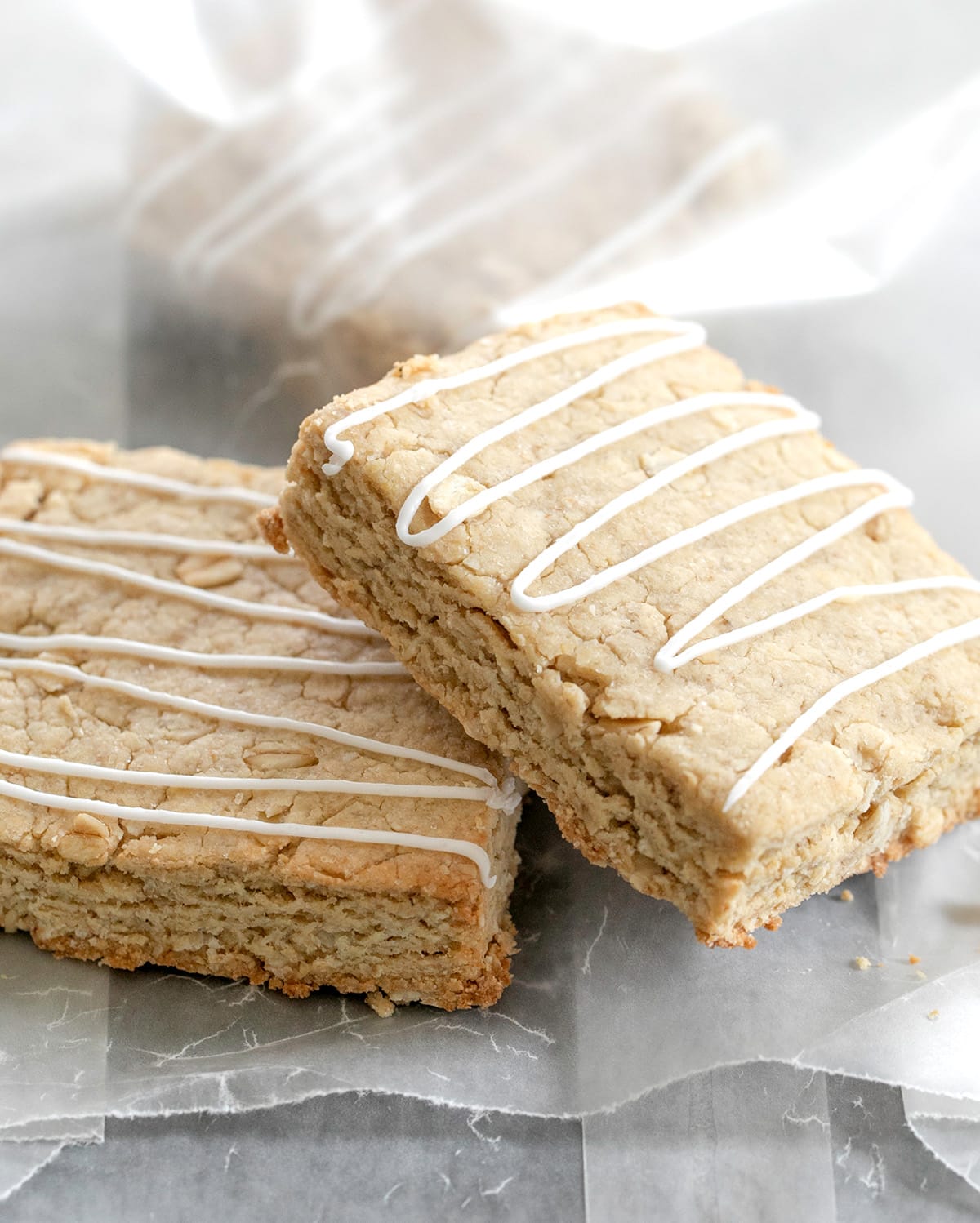
In conclusion, these breakfast bars are more than just a quick bite; they are a masterclass in gluten-free chemistry. By focusing on the structural integrity of the crumb and the depth of the flavor profile, they provide a reliable, delicious, and convenient solution for the modern, time-pressed, and health-conscious consumer. Whether prepared for a chaotic weekday morning or enjoyed as a slow-paced weekend treat, they prove that the best breakfast is the one that tastes exactly like you remember it—only better.