Mastering the Art of Batch Cooking: The Ultimate Guide to Chipotle Chicken for Burrito Bowls
In the modern culinary landscape, where time is the ultimate luxury, the concept of "meal prep" has evolved from a niche fitness trend into a essential lifestyle strategy for the busy professional. Among the most sought-after staples in the home-chef’s repertoire is the high-protein, flavor-dense Chipotle Chicken. Designed specifically for those who utilize "Snack City"—a dedicated space in the freezer for pre-portioned, ready-to-heat meals—this recipe offers a masterclass in efficiency without compromising on the vibrant, smoky profiles of traditional Mexican cuisine.
Main Facts: The Blueprint of Efficient Nutrition
At its core, this Chipotle Chicken recipe is engineered to provide a consistent, reliable protein source for burrito bowls. By focusing on batch preparation, the home cook can reduce their daily decision-making fatigue while ensuring nutritional targets are met with precision.
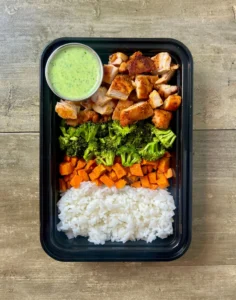
The recipe yields 10 substantial servings, making it an ideal candidate for weekly planning. Each serving is calibrated to deliver a powerful nutritional punch, boasting 44 grams of protein, only 3.4 grams of carbohydrates, and 13 grams of healthy fats. At a modest 309 calories per serving, it serves as a lean, versatile foundation for a variety of meal configurations. Whether paired with cilantro-lime cauliflower rice, traditional jasmine rice, or a robust bed of black beans and fresh pico de gallo, the chicken serves as the anchor for a balanced diet.
Chronology: The Lifecycle of the Perfect Prep
Achieving the depth of flavor found in professional-grade chipotle chicken requires a disciplined approach to timing. While the actual active "work" is minimal, the flavor development is a process that unfolds over several hours.
- Preparation Phase (10 Minutes): The process begins with the careful cleaning and trimming of chicken cuts. This stage is crucial for ensuring uniform cooking times and consistent texture across all 10 portions.
- The Marination Window (3 Hours): This is the soul of the recipe. A minimum three-hour soak allows the complex, spicy-smoky compounds of the chipotle peppers to penetrate the muscle fibers of the chicken. During this window, the proteins begin to tenderize, ensuring that even after a stint in the freezer and a subsequent reheat in the microwave, the chicken retains a succulent, moist texture.
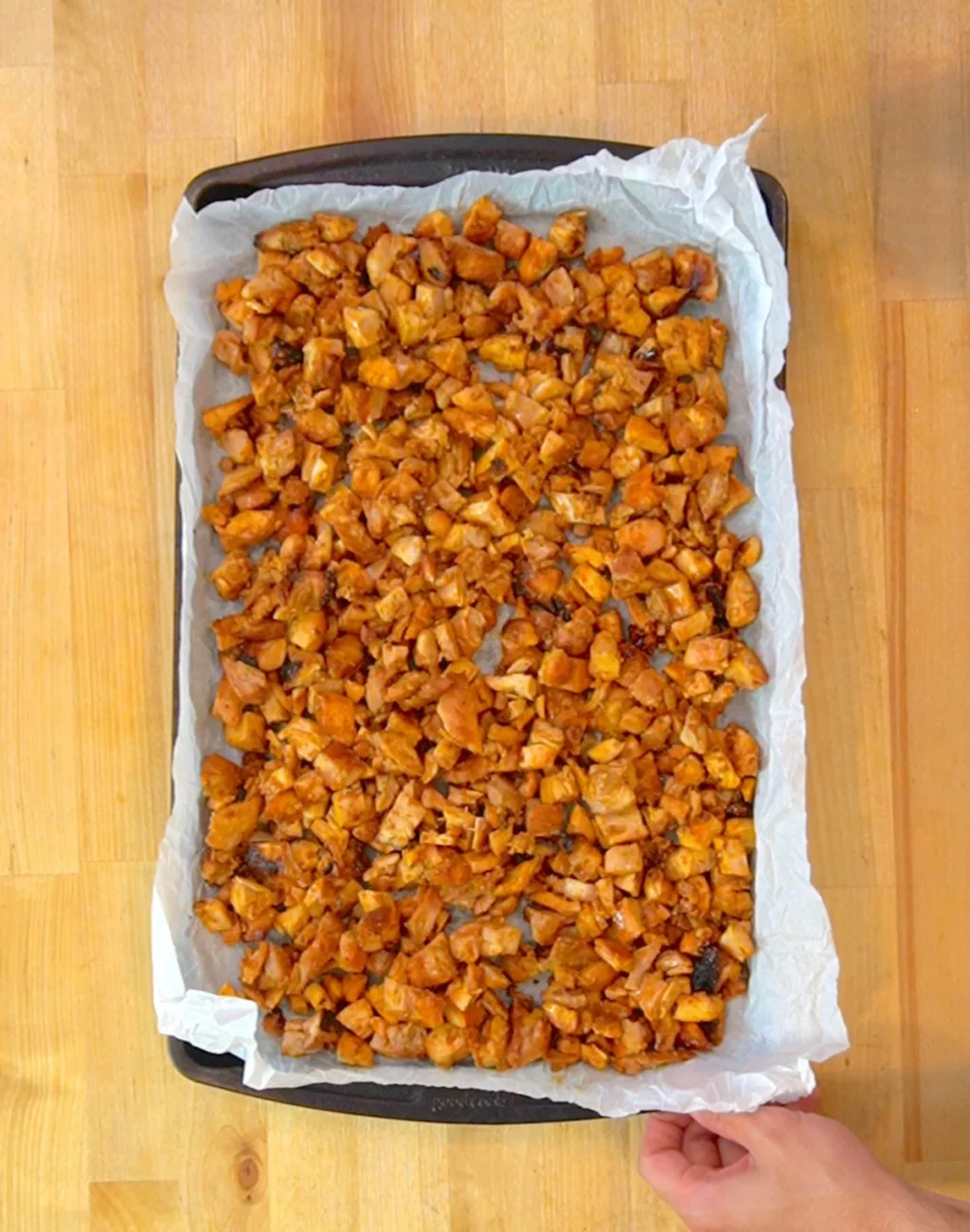
- Cooking Phase (30 Minutes): Utilizing high-heat methods—such as grilling, searing, or roasting—is recommended to caramelize the exterior of the chicken. This creates a "Maillard reaction" that adds a necessary layer of savory complexity to the smoky heat of the marinade.
- Cooling and Packaging: Once cooked, the chicken must be allowed to rest before being divided into individual containers. Proper cooling before sealing prevents excess moisture accumulation, which is the primary enemy of freezer-stored meals.
Supporting Data: Nutritional Integrity
For those tracking macros, the precision of this recipe is its greatest asset. Unlike processed convenience foods, which often hide high sodium levels and processed sugars, this homemade Chipotle Chicken relies on whole-food ingredients.
Nutritional Breakdown (Per Serving):
- Total Calories: 309 kcal
- Protein: 44g
- Carbohydrates: 3.4g
- Total Fat: 13g
- Fiber: 1.28g
This high-protein-to-calorie ratio is specifically designed to support muscle hypertrophy and satiety. By keeping the carbohydrate count low, the recipe offers the user flexibility; the individual can choose to add complex carbohydrates based on their specific training intensity for that day. This level of customization is why the burrito bowl has become the gold standard in contemporary meal prep.
The Science of Freezing and Reheating
A common misconception in culinary arts is that freezing compromises the quality of lean poultry. However, when managed correctly, the freezer acts as a "pause button" for freshness.
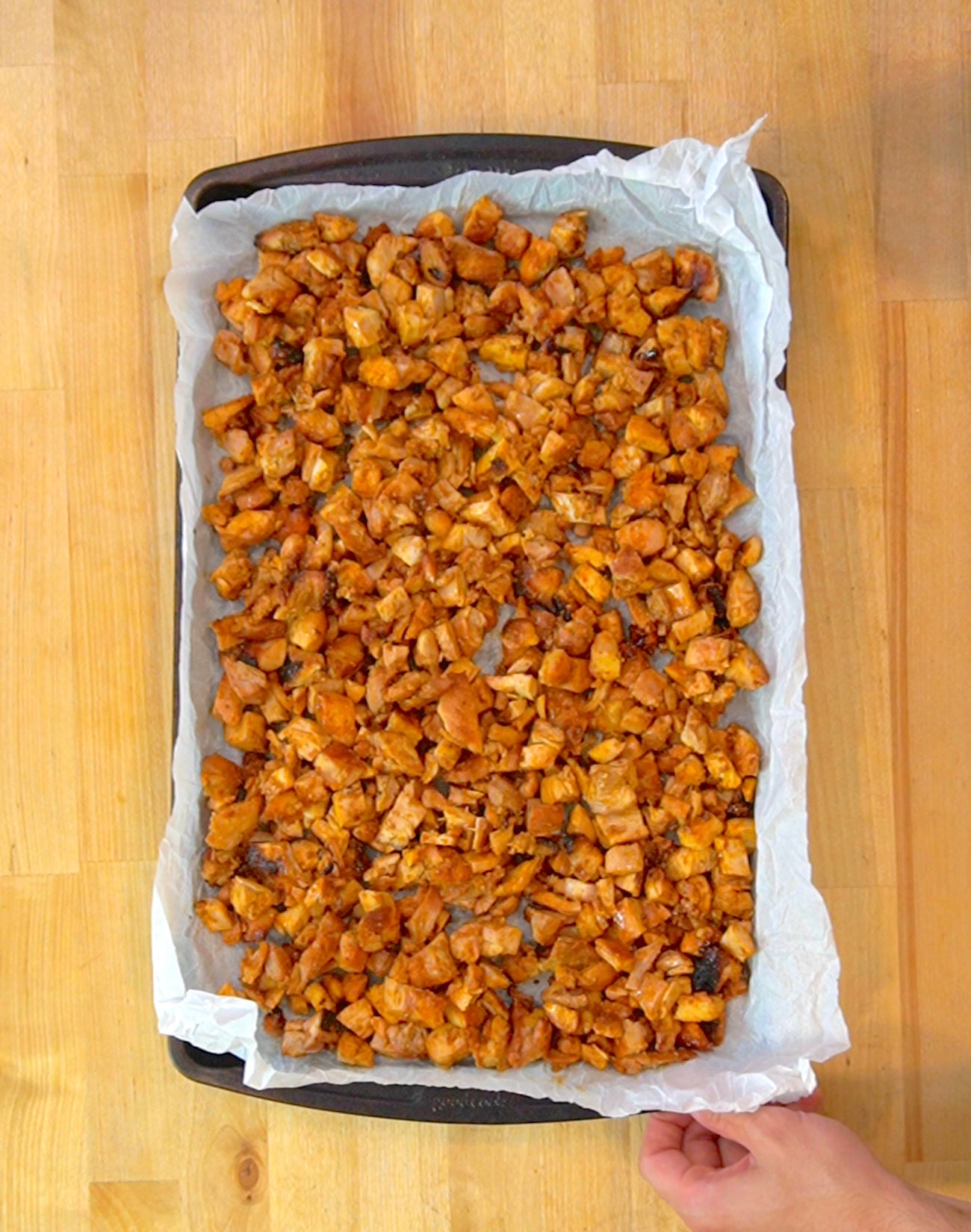
To maximize the longevity and quality of your Chipotle Chicken, consider the following technical recommendations:
- Airtight Sealing: Exposure to air is what causes "freezer burn," which is effectively the dehydration of the food surface. Using vacuum-sealed bags or high-quality glass containers with silicone gaskets significantly extends the shelf life.
- Portioning: By freezing in single-serving portions, you avoid the need to thaw the entire batch. This minimizes temperature fluctuations, which are the primary cause of texture degradation in chicken.
- The Reheat Process: When transitioning from "Snack City" to the plate, consider adding a teaspoon of water or lime juice to the container before microwaving. This creates a steam effect, which helps rehydrate the chicken and maintain the integrity of the original marinade.
Implications for Modern Lifestyle Management
The adoption of a standardized batch-prep system like this has profound implications for one’s health and financial well-being. By automating the most important meal of the day, individuals remove the temptation of fast-food alternatives, which are typically high in caloric density but low in nutritional value.
Furthermore, the economic efficiency cannot be overstated. Purchasing chicken in bulk and utilizing spices and pantry staples to create a high-quality marinade results in a cost-per-meal that is a fraction of the cost of store-bought, prepared meals.
Expert Tips for Flavor Enhancement
While the base recipe is formidable on its own, there are several "pro-level" adjustments that can be made depending on your palate:
- Acidity Balancing: If the chipotle heat is too intense, a small squeeze of fresh lime juice immediately after cooking can cut through the smoke and brighten the overall profile of the dish.
- Texture Variation: For those who prefer a more "shredded" texture, consider poaching the chicken slightly before searing. This allows for an easier pull-apart texture that absorbs sauces better in a burrito bowl context.
- Spice Layering: While chipotle is the star, adding a pinch of smoked paprika or toasted cumin can deepen the earthiness of the marinade, creating a more professional, "restaurant-style" finish.
Conclusion: Sustainability in the Kitchen
The "Chipotle Chicken for Burrito Bowls" is more than just a recipe; it is a tool for self-governance. In a world that often demands we sacrifice quality for convenience, this approach proves that we can have both. By dedicating just under four hours to the process, you secure ten nutritious, high-protein meals that are ready at a moment’s notice.
Whether you are an athlete looking to hit precise macros, a busy parent trying to manage family nutrition, or a professional looking to optimize your lunch hour, this recipe provides the foundation for a healthier, more organized life. As you integrate this into your weekly routine, remember that the goal is not just to feed the body, but to fuel your lifestyle with intention and consistency.
By mastering the basics of marination, the science of heat application, and the logistics of freezer management, you elevate your kitchen from a place of chores to a laboratory of personal health. Your future self—the one who comes home after a long day to find a nutritious, delicious meal waiting in the freezer—will thank you.