The Future of the Italian Vine: Navigating Tradition and Innovation in a Changing Market
Italian wine, long celebrated as the bedrock of global oenology, currently finds itself at a defining crossroads. While the allure of the Tuscan hillside or the structured elegance of a Barolo remains undeniable, the industry is currently grappling with a trifecta of modern challenges: a shifting landscape of consumer preferences, the tangible impact of a warming climate, and the volatility of international economic pressures.
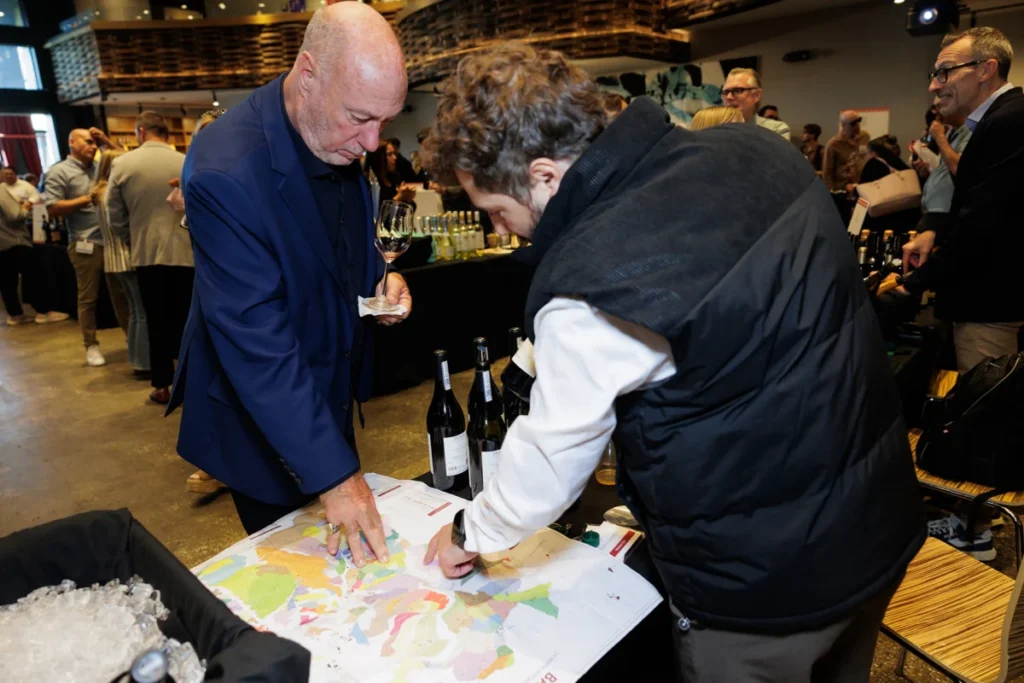
On September 14, at New York City’s City Winery, Wine Enthusiast convened its third-annual "Sip of Italy" event. The gathering served as more than a simple tasting; it acted as a high-level summit for trade professionals to diagnose the future of the Italian wine industry. Through a series of expert panels and a sprawling walkaround tasting featuring over 100 producers, the consensus was clear: the survival of Italian wine depends on a delicate balance of preserving cultural "conviviality" while embracing radical shifts in production, accessibility, and format.
The Philosophical Core: "Italy is a State of Mind"
To understand where Italian wine is heading, industry leaders insist one must first understand what it represents. Salvatore Napolitano, executive managing director of Terlato’s Italian portfolio, frames the country’s wine production not merely as an agricultural output, but as an essential cultural export.
"Italy is a state of mind. That’s the secret," Napolitano notes. He argues that in an era of digital disconnection, the industry must lean into its most profound historical strength: the ability to foster conviviality. For Napolitano, wine is the primary conduit for the Italian way of life—a communal experience that bridges diverse backgrounds and sensibilities.
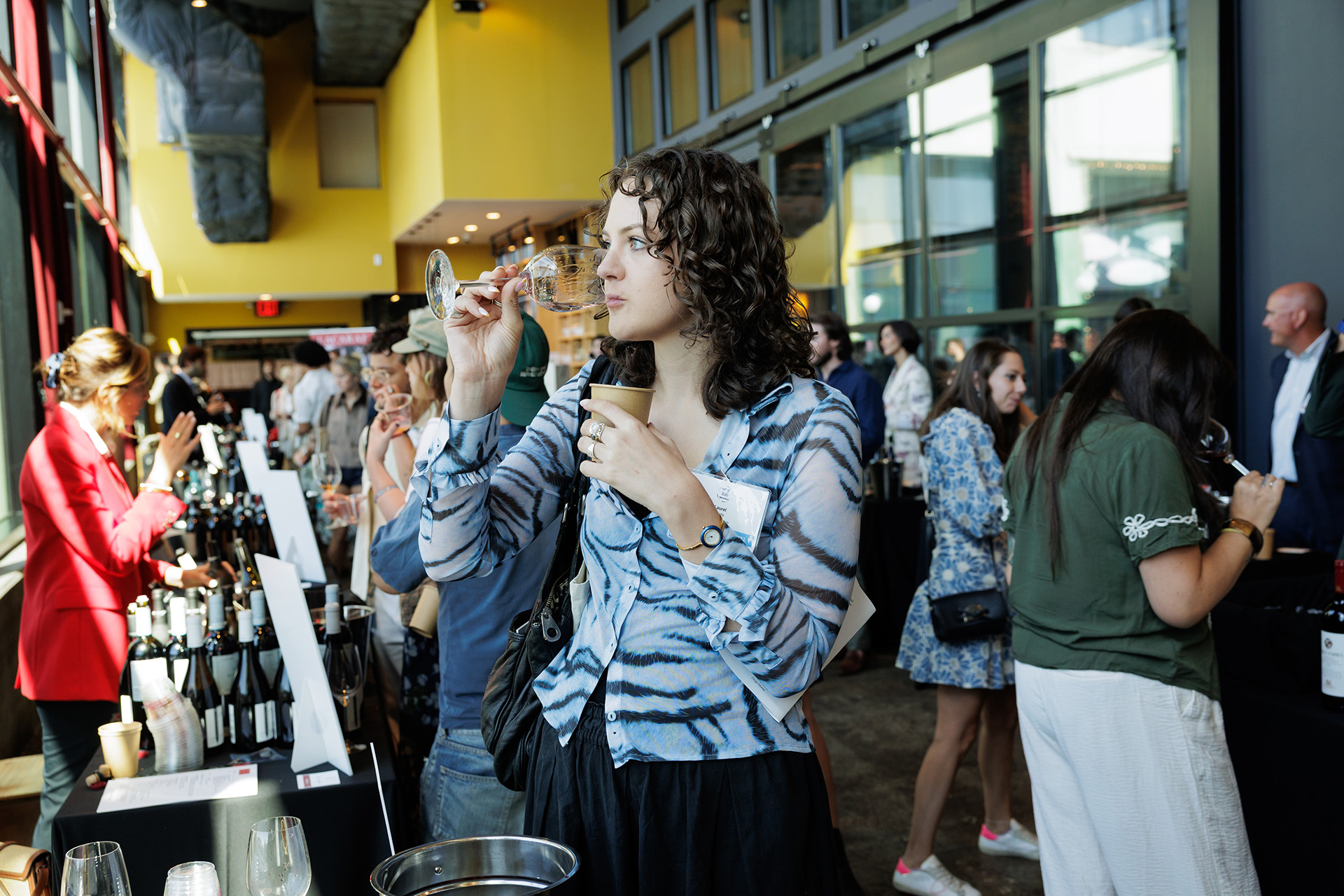
This sentiment was echoed by Wine Enthusiast Writer-at-Large Jeff Porter, who moderated the event’s trade panel. Porter posited that as the industry courts a new generation of drinkers—Gen Z and younger Millennials—pedigree and status are losing their currency. These cohorts are less impressed by historical benchmarks and more drawn to authentic experiences. To reach them, Italian producers are being challenged to frame their products not as trophies to be collected, but as participants in a shared, social lifestyle.
The Geology of Success: A Democratic Terroir
One of the most persistent hurdles for Italian wine marketing is the country’s lack of a singular, cohesive voice—a byproduct of its relatively recent political unification in the 19th century. Yet, as Michael Duffy, sommelier and incoming wine director for Daniel Humm’s new restaurant, Humm, points out, this fragmented identity is actually the industry’s greatest asset.
"Italy needs to let itself be Italy," Duffy remarked during the panel. He views the country’s lack of a monolithic "brand" as a democratic advantage. Because Italy boasts some of the most unique and varied geological terroirs on the planet, the industry is naturally diverse.
Napolitano supports this view, emphasizing that the Italian relationship with the land is distinct. "Geologically speaking, we have one of the most unique terroirs in the world," he explains. "We are great farmers because we speak to the land." This intimate, almost ancestral connection to the soil is what allows Italian wine to maintain quality even as it moves away from industrial homogenization.

Expanding the Frontier: Beyond the Famous Labels
The industry is currently facing a reality check regarding climate change, which is forcing a shift in focus toward previously overlooked regions. As temperatures rise, the traditional heartlands of Italian wine are experiencing shorter growing seasons and increased heat stress.
Duffy identifies regions such as Alto Adige, Valle d’Aosta, and the broader reaches of Southern Italy as "the new frontier." These areas are not just placeholders; they represent the future of sustainable viticulture in a changing climate.
The Strategy of Market Creation
For wine professionals, the shift toward these regions requires a proactive approach. Duffy, during his tenure as the wine director at New York’s Rezdora, famously eschewed international varietals in favor of lesser-known indigenous Italian grapes.
"We can’t just respond to the market," Duffy argues. "We have to create the market where it doesn’t exist." This philosophy challenges the industry to educate the consumer rather than simply catering to the familiar. By promoting indigenous varietals that are perfectly suited to their regional climates, producers can build a more resilient and interesting portfolio for the global stage.

The Culinary Symbiosis: Wine as Food
A central takeaway from the "Sip of Italy" summit was the concept of "wine as food." This is a fundamental shift in perception for the American market, where wine is often treated as a luxury beverage rather than a daily dietary staple.
Michael Laudenslager, who covers Tuscany, Southern Italy, and Sardinia for Wine Enthusiast, suggests that the most effective marketing strategy for lesser-known regions is to anchor them to their regional cuisines. The logic is circular and self-reinforcing: Ligurian wines are paired with local pesto; Campanian wines find their natural home alongside fresh Bufala mozzarella.
Valerie Pimpinelli, general manager and buyer for Flatiron Wines & Spirits, believes this strategy is the key to stripping away the "pretension" that often alienates potential buyers. "There should be a shift toward wine as a part of everyday life, like it’s food," Pimpinelli says. By demystifying the act of consumption, the industry can capture a broader audience that currently finds the world of fine wine intimidating.
The Myth of the "Stupid Consumer"
A recurring theme throughout the event was the critique of current marketing trends, specifically the "TL;DR-ification" of wine information. Industry experts cautioned against the assumption that modern consumers lack the attention span for detailed narratives.

Duffy was particularly vocal on this point, warning against the cultural trend of over-simplification. "It’s this idea that people don’t want to engage with a serious book or a long story. That’s thinking the consumer is stupid," he says.
However, there is a clear distinction between "storytelling" and "technical jargon." Pimpinelli notes that while consumers want the narrative—the history of the family, the culture of the region—they are generally uninterested in the weeds of production. "People don’t care about the pH or the size of the barrels," she explains. "It almost diminishes the pleasure." The challenge for the industry, then, is to provide deep, meaningful cultural context without falling into the trap of hyper-technical, exclusionary language.
Innovation in a Bottle: The Rise of RTDs
While the traditional wine sector focuses on heritage and terroir, the tasting floor at City Winery highlighted a different kind of growth: Ready-to-Drink (RTD) wine cocktails.
The presence of colorful, low-ABV (4–7%) mimosas, bellinis, and spritzes underscored a pivot toward accessibility. These products are capturing the interest of drinkers who are increasingly looking for lower-alcohol, convenient, and social-media-friendly options.

The Canella Case Study
The Canella family, a pioneer in the RTD space since 1988, served as a prime example of how traditional producers can innovate without sacrificing quality. Their recent partnership with Costco’s Kirkland brand has brought their bellinis to a mass market, but the core of their production remains rooted in tradition: the use of natural fruit sugars and pasteurization rather than additives.
Alvise Canella, representing the third generation of his family’s business, believes their success is derived from a commitment to clean ingredients. As more importers move toward smaller formats—such as 187ml single-serve bottles—the industry is signaling that the future of Italian wine is not just found in the cellar, but in the fast-paced, modern reality of the consumer’s lifestyle.
Implications for the Future
The "Sip of Italy" summit underscored that the Italian wine industry is at a critical juncture. The path forward is not found in a single solution, but in a multi-pronged approach that combines:
- Cultural Stewardship: Maintaining the "conviviality" that defines Italian identity while making it accessible to a new, diverse generation.
- Climate Adaptation: Actively exploring and promoting the "new frontier" regions of Northern and Southern Italy to ensure production longevity.
- Culinary Integration: Re-framing wine as a fundamental food item, effectively reducing the barrier of pretension.
- Strategic Storytelling: Moving away from technical, jargon-heavy marketing in favor of deep, experiential narratives that respect the consumer’s intelligence.
- Product Diversification: Embracing innovations like RTDs to capture the growing segment of the market that prioritizes low-ABV and convenience.
As the industry moves toward 2025 and beyond, the goal remains consistent: to keep the "state of mind" that is Italy alive in a world that is moving faster than ever. By honoring the land and the tradition while fearlessly adapting to the demands of the modern consumer, Italy remains poised to lead the global conversation on what it means to drink, eat, and live well.