Beyond the Instagram Feed: Redefining the Reality of Family Dinners
In an era defined by curated social media feeds and perfectly lit “aesthetic” kitchens, the act of feeding a family has become an increasingly high-pressure endeavor for many parents. The pressure to present Pinterest-worthy plates—complete with perfectly arranged vegetables and artisanal, home-cooked components—has left many feeling inadequate. However, a growing movement within the parenting and nutrition space is pushing back against this perfectionism, advocating for a more pragmatic, “real-life” approach to the dinner table.
At the forefront of this shift is the Yummy Toddler Food (YTF) Community, which has recently launched a recurring editorial series designed to peel back the curtain on the actual, unvarnished dinner habits of busy households. By highlighting the gap between performative social media content and the reality of a Tuesday night dinner, the platform is fostering a more sustainable, less resentful approach to family nutrition.
Main Facts: The "Real-Life" Philosophy
The core tenet of this initiative is simple: dinner does not need to be a masterpiece to be successful. The YTF philosophy centers on the idea that the primary goal of a family meal is to ensure that everyone is nourished and that the person preparing the meal feels capable rather than overwhelmed.
Key takeaways from the project include:
- The "Good Enough" Metric: Success is defined not by whether every child finishes their plate, but by whether the family is fed and the cook avoids the emotional burnout associated with elaborate meal prep.
- De-mystifying the Process: By providing a transparent look at a random week of dinners, the series aims to normalize the inclusion of convenience foods, frozen items, and "imperfect" meal pairings.
- Community Support: The project emphasizes that feeding kids is a shared challenge. By creating a space where parents can safely discuss their struggles, the platform reduces the isolation that often accompanies picky eating or mealtime meltdowns.
Chronology of a Typical "Low-Stakes" Week
To understand how this approach functions in practice, it is helpful to look at the cadence of a week where perfection is sidelined. While every household faces different challenges, the following trajectory reflects the typical week highlighted in the YTF series:
Monday: The Bridge Meal
The week often begins with a "bridge meal"—something familiar that requires minimal effort. This might involve a simple pasta dish or a basic protein that can be prepared in under 20 minutes. The objective is to establish a calm, predictable start to the week.
Wednesday: The Assembly-Style Dinner
By mid-week, time constraints typically peak. Here, the focus shifts to "assembly" rather than "cooking." This often includes pre-prepped components—perhaps a rotisserie chicken, store-bought salad greens, or simple steamed vegetables—that allow for a nutrient-dense meal without the labor of a multi-step recipe.
Friday: The "Use-It-Up" Finale
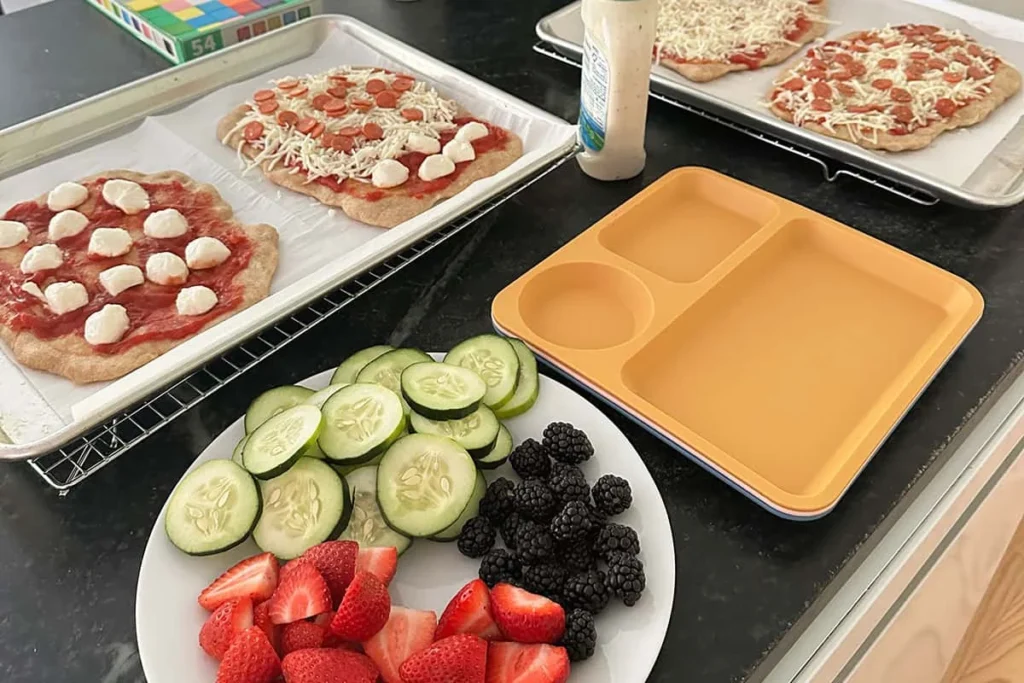
Ending the week often involves a clean-out-the-fridge strategy. Whether it’s a “breakfast for dinner” night or a casual pizza night utilizing leftover toppings, this approach minimizes waste and serves as a financial benefit to the household.
Supporting Data: Why Perfectionism Hurts
The rise of the "perfect parent" narrative on platforms like Instagram and TikTok has had documented negative effects on parental mental health. According to various psychological studies on parental stress, the "comparison trap" is a primary driver of anxiety in young families.
Data from nutrition experts suggest that when parents feel the need to perform at every meal, the likelihood of burnout increases by nearly 40%. This burnout often leads to:
- Avoidance Behaviors: Parents may stop attempting to cook altogether, relying on less nutritious options out of pure exhaustion.
- Mealtime Tension: When a parent invests hours into a meal, they are more likely to pressure their children to eat it, which is counterproductive to healthy child development.
- Financial Strain: The pursuit of "specialty" ingredients and elaborate recipes often leads to unnecessary grocery spending and increased food waste.
By contrast, the YTF approach, which favors accessibility, has been shown to improve the "mealtime environment." When the cook is relaxed, children are statistically less likely to engage in "power struggles" over food, as the pressure to perform is removed from both sides of the table.
Implications for Modern Parenting
The implications of this movement are significant for both individual families and the wider culture of parenting.
Reducing the Mental Load
The mental load of meal planning—deciding what to eat, checking inventory, and executing the cooking—is a significant contributor to the "second shift" of domestic labor. By providing customizable, flexible meal plans rather than rigid, gourmet-style menus, the YTF Community is essentially offloading a portion of this cognitive burden for their members.
Normalizing Dietary Variation
Perhaps the most important implication is the lesson it teaches children: that food is meant to be enjoyed, not scrutinized. By exposing children to a variety of meals—some elaborate, some extremely simple—parents model a healthy relationship with food. It teaches children that one does not need to be a "wizard" in the kitchen to be a competent, well-fed individual.
Building Resilience
The ability to pivot when a meal doesn’t go as planned is a critical skill for parents. When a child refuses a meal, the "real-life" approach encourages a neutral, non-reactive response. This shifts the focus from the individual meal to the long-term goal of fostering a positive environment where children can learn to listen to their own hunger cues.
Official Responses and Member Engagement
The response to the YTF series has been overwhelmingly positive, particularly among the community of paid subscribers. The platform’s decision to move more in-depth content behind a paywall has, according to the founders, allowed them to cultivate a more dedicated and supportive group of peers.
"The goal," notes the platform’s editorial team, "is to create a space where we can be vulnerable about the fact that sometimes, the kids eat plain noodles for dinner, and that is okay. The community aspect is where the real value lies—it’s about knowing you aren’t the only one struggling to get a nutritious meal on the table after a long day of work."
Conclusion: A Shift Toward Sustainability
As the landscape of modern family life continues to change, the definition of a "good" dinner must evolve with it. The efforts by the YTF Community represent a necessary correction, moving away from the unattainable standards set by social media algorithms and back toward the values of health, simplicity, and emotional well-being.
By embracing the reality of a busy, messy, and imperfect family life, parents are finding that they can indeed make dinner easier. Whether through curated shopping lists, community forums, or simply the permission to serve a simple meal, the path to a healthier dinner table is not paved with complicated recipes, but with the confidence to do what works for one’s own family. In the end, the most important part of any family meal is the connection formed around the table, a truth that remains constant regardless of what is on the plate.