Master the Art of Efficiency: The Ultimate Guide to Batch-Prep Chipotle-Style Fajita Vegetables
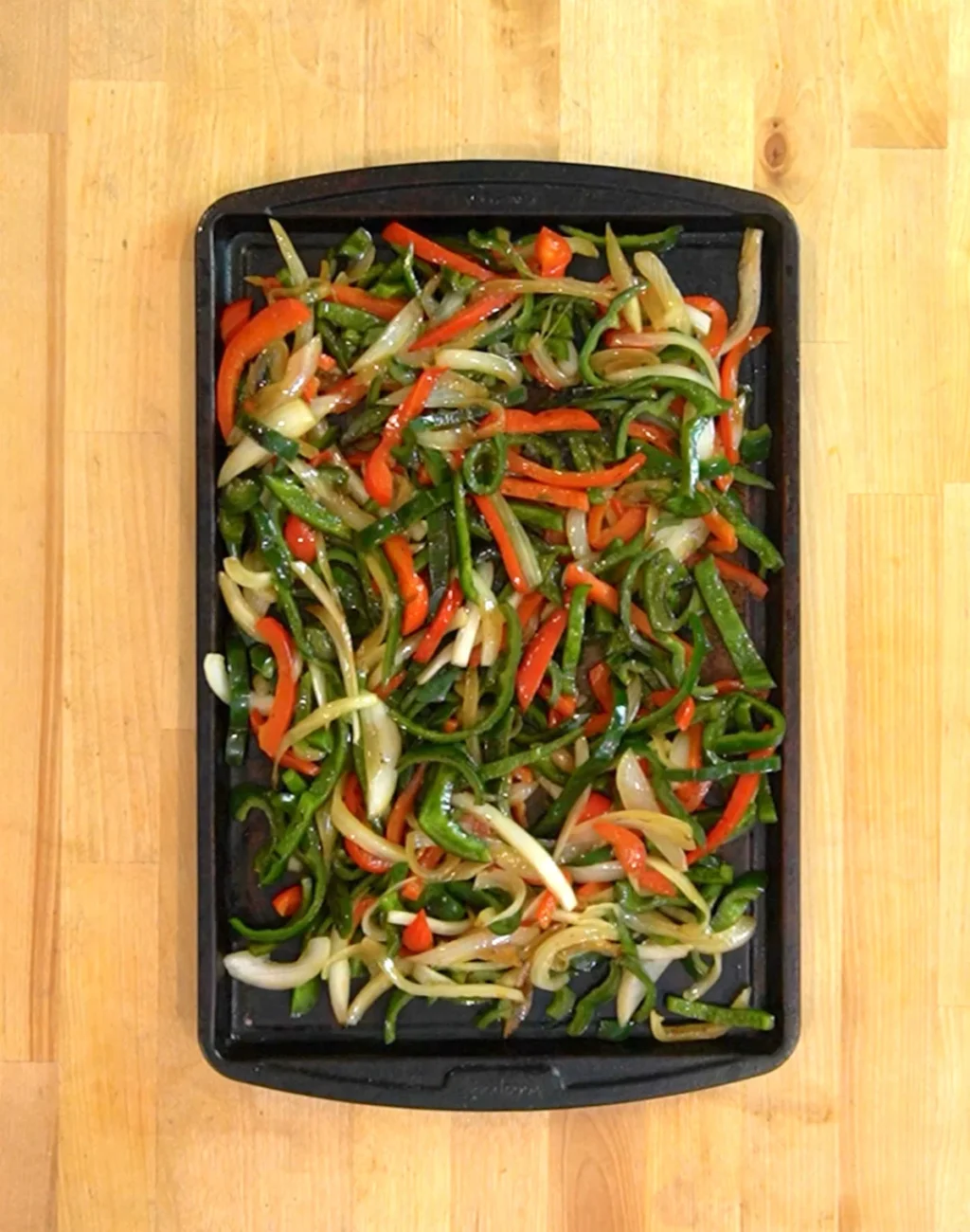
In the fast-paced world of modern nutrition, the greatest barrier to maintaining a healthy diet is often not the lack of desire, but the lack of time. As professionals and home cooks alike navigate demanding schedules, the concept of "meal prep"—specifically the strategy of preparing high-quality, versatile components in advance—has shifted from a niche hobby to a necessary survival skill. Leading this movement is the "Chipotle-style" approach, which focuses on modular ingredients that can be mixed and matched to create endless iterations of healthy, high-fiber, and flavorful meals.
Among these, the humble fajita vegetable blend stands out as the ultimate utility player. Whether you are looking to elevate a standard burrito bowl or add a nutrient-dense side dish to your dinner, mastering the art of batch-prepping peppers and onions is a game-changer. This guide explores the methodology, nutritional benefits, and logistical advantages of bringing the flavor of a high-end fast-casual experience into your own home freezer.
The Core Concept: Why Batch Prep Matters
The modern meal prep philosophy relies on the "Snack City" methodology—a storage strategy where essential components are pre-cooked, portioned, and frozen, ready for deployment at a moment’s notice. By isolating the fajita vegetables from the rest of your meal, you gain significant control over the final texture and seasoning of your dishes.
When you purchase a bowl at a restaurant, you are at the mercy of their prep schedule. When you cook these yourself, you ensure that the peppers retain a slight crunch and the onions are caramelized to your specific preference. This is not merely about convenience; it is about reclaiming the quality of your caloric intake. At only 59 calories per serving, this vegetable blend offers a high volume of food with minimal caloric density, making it an ideal staple for those managing weight or seeking to increase their fiber intake.
A Chronological Breakdown of the Cooking Process
Efficiency is the cornerstone of this recipe. To maximize your time, the process is streamlined into a rapid, 20-minute cycle that yields 10 substantial servings.
Phase 1: Preparation (Minutes 0–5)
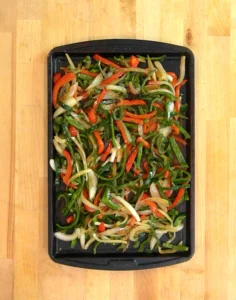
The secret to uniform cooking lies in the prep work. Begin by slicing your bell peppers and red onions into uniform, thin strips. Consistency is key here; if your cuts are irregular, some pieces will turn to mush while others remain raw. Once sliced, ensure the vegetables are dried thoroughly; excess moisture is the enemy of the perfect char.
Phase 2: The Searing Process (Minutes 5–20)
Using a large, heavy-bottomed skillet or a commercial-grade flat top, preheat your cooking surface to medium-high heat. The goal is to achieve a Maillard reaction—the browning process that imparts deep, savory flavor—without over-steaming the vegetables.
Add a minimal amount of high-smoke-point oil. Distribute the peppers and onions in a single layer. Resist the urge to stir constantly; allowing the vegetables to sit against the hot surface for a few minutes at a time is what creates that distinct "Chipotle" flavor profile. Season only after the vegetables have begun to soften to prevent them from drawing out too much water too early.
Phase 3: Cooling and Partitioning
Once the vegetables reach your desired level of tenderness, remove them from the heat immediately. Spreading them out on a baking sheet to cool rapidly is essential to prevent "carry-over" cooking, which can leave you with limp, unappealing vegetables. Once at room temperature, divide them into your freezer-safe containers.
Supporting Data: Nutritional Integrity
For those tracking their macronutrients, the transparency of home-cooked meals is invaluable. Unlike restaurant versions, which are often sautéed in excessive amounts of oil and sodium, this batch-prep method allows you to dictate the fat content.
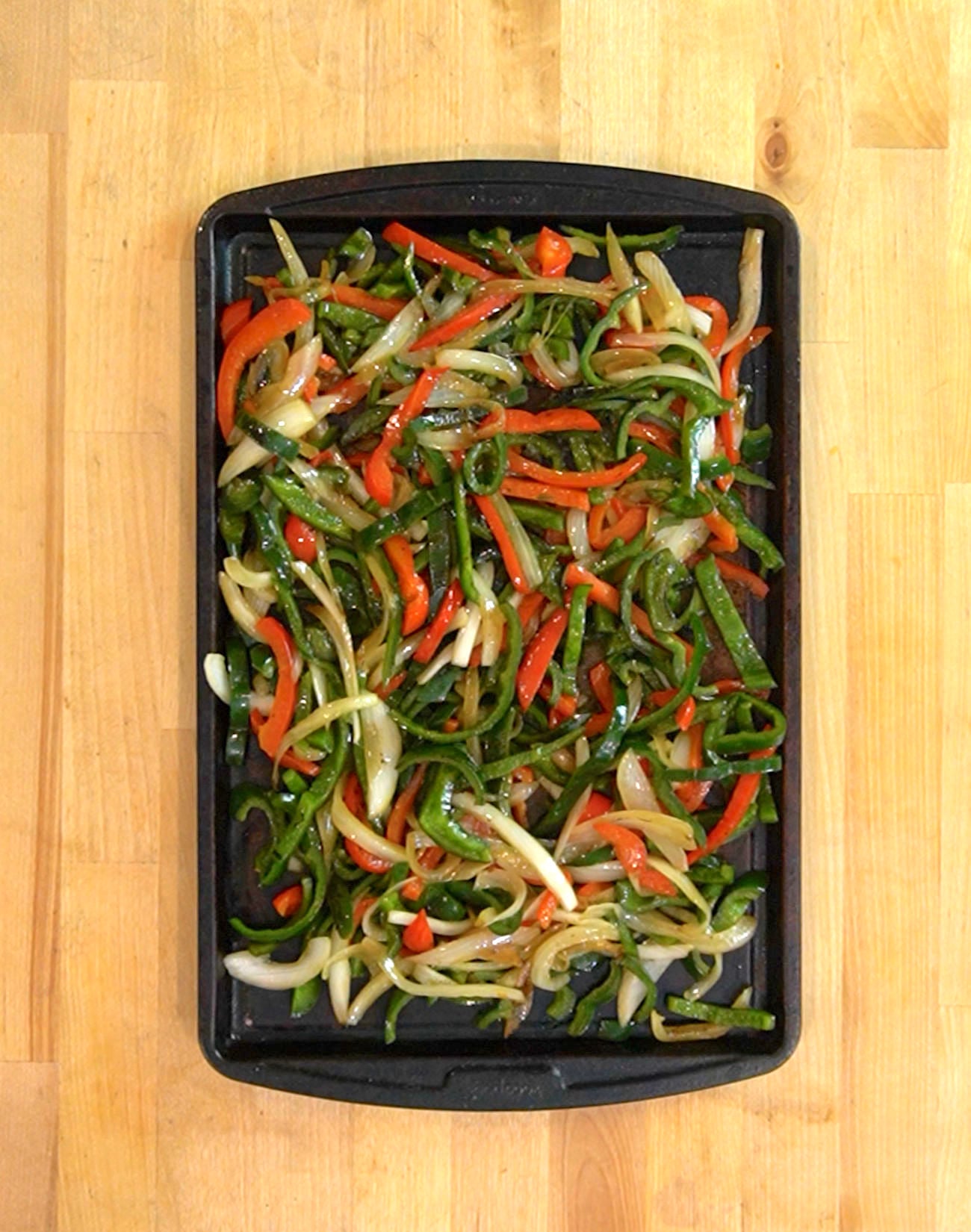
Per Serving Nutritional Profile (10 Servings):
- Calories: 59 kcal
- Carbohydrates: 6.5g
- Protein: 1g
- Fat: 3.2g
- Fiber: 1.9g
The high fiber content—1.9g per serving—combined with the low caloric footprint makes this a nutritionally dense addition to any diet. Because the recipe is naturally gluten-free, vegan, and vegetarian, it serves as a universal base for a wide variety of dietary requirements. By updating your serving size calculations in the master recipe sheet, you can easily scale this to accommodate a household of one or a family of five.
Official Recommendations and Storage Logistics
To maintain the integrity of the vegetables after freezing, proper storage is paramount. The "Snack City" approach suggests utilizing vacuum-sealed bags or airtight glass containers to prevent freezer burn, which can alter the flavor profile of the peppers.
The Science of Reheating
When you are ready to consume your pre-prepped vegetables, the reheating method is just as important as the initial cook. To avoid a "soggy" final product, do not boil or microwave these for extended periods. Instead, place them directly into a hot pan from a semi-thawed state. This allows the water content to evaporate while re-crisping the edges of the vegetables.
Customization and Versatility
While this recipe follows the classic Chipotle profile, the beauty of batch-prepping is the ability to customize. Consider the following variations:
- The Heat Seeker: Add thinly sliced jalapeños or serranos during the final two minutes of cooking.
- The Umami Boost: A dash of soy sauce or Worcestershire can deepen the savory notes if you are serving these with beef rather than chicken or beans.
- The Herb Infusion: Finish with fresh cilantro and a squeeze of lime juice after reheating to maintain a "fresh-made" taste.
Implications: The Long-Term Benefits of Meal Prep
The shift toward preparing your own fajita vegetables represents a broader trend in health-conscious living: the move away from ultra-processed, convenience-based food and toward "modular" home cooking.
Economic Implications
By buying vegetables in bulk—peppers and onions are significantly cheaper when purchased in larger quantities—you reduce your grocery expenditure while simultaneously eliminating the need to order expensive takeout. Over the course of a year, this simple habit of batch-prepping can save an individual hundreds of dollars.
Cognitive Implications
Decision fatigue is a real phenomenon that often leads to poor dietary choices at the end of a long day. When your freezer is stocked with "Snack City" components like these fajita vegetables, the question "What should I eat for dinner?" is answered before you even walk through the door. This reduces the mental friction associated with healthy eating, making it far more likely that you will adhere to your nutritional goals.
Sustainability
Finally, batch prepping is a powerful tool against food waste. How often have you purchased a bag of onions or a cluster of peppers, only to watch them soften and spoil in the crisper drawer? By processing your produce into a finished, frozen state, you ensure that 100% of the produce you buy makes it onto your plate, drastically reducing your household’s organic waste footprint.
Conclusion
The Chipotle-style fajita vegetable recipe is more than just a side dish; it is a fundamental building block for a more efficient, cost-effective, and nutritionally sound lifestyle. By investing 20 minutes of your week into this simple process, you secure a week’s worth of healthy, flavorful, and incredibly versatile meals. Whether you are a seasoned meal-prepper or just beginning your journey into organized nutrition, this recipe serves as the perfect starting point for mastering your kitchen and your health.