The Soul of Spain: An Insider’s Guide to Five Unforgettable Days in Madrid

Madrid is not merely the geographic center of Spain; it is the country’s rhythmic, beating heart. With a population of 3.5 million, the capital is a sprawling metropolis that effortlessly marries the grandeur of a former imperial powerhouse with the progressive, high-energy spirit of modern Europe. While coastal cities like Barcelona often dominate the international imagination, Madrid offers a profound, unhurried depth that rewards those willing to embrace its unique pace. Here is your definitive guide to experiencing the very best of Spain’s magnificent capital.
The Essence of Madrid: Main Facts and Cultural Context
Madrid is a city of superlatives. It houses the world’s most significant collection of Spanish art, hosts some of Europe’s most prestigious royal history, and serves as the epicenter of a culinary revolution that has seen it evolve into one of the world’s most vibrant gastronomic destinations.
The city’s culture is defined by its refusal to rush. In Madrid, the day begins later, lunch is a sacred, multi-hour affair, and the nightlife—fueled by a "night owl" mentality—frequently extends until the first rays of dawn. For the uninitiated traveler, this can be disorienting. However, once you lean into the local rhythm—the slow-paced meals, the mid-afternoon coffee, and the late-evening social strolls—you begin to uncover the true character of the Madrileño lifestyle.
With over 10 million visitors annually, Madrid has perfected the art of infrastructure. Whether you are navigating the UNESCO-recognized "Landscape of Light" or finding a hidden tavern in the historic Barrio de las Letras, the city provides a seamless blend of historical preservation and contemporary urban convenience.
A Five-Day Chronological Itinerary
To truly grasp the scale and nuance of Madrid, a five-day immersion is essential. This itinerary is designed to balance iconic landmarks with the quiet, off-the-beaten-path experiences that make the city "cool."
Day 1: Immersion in the Art Walk
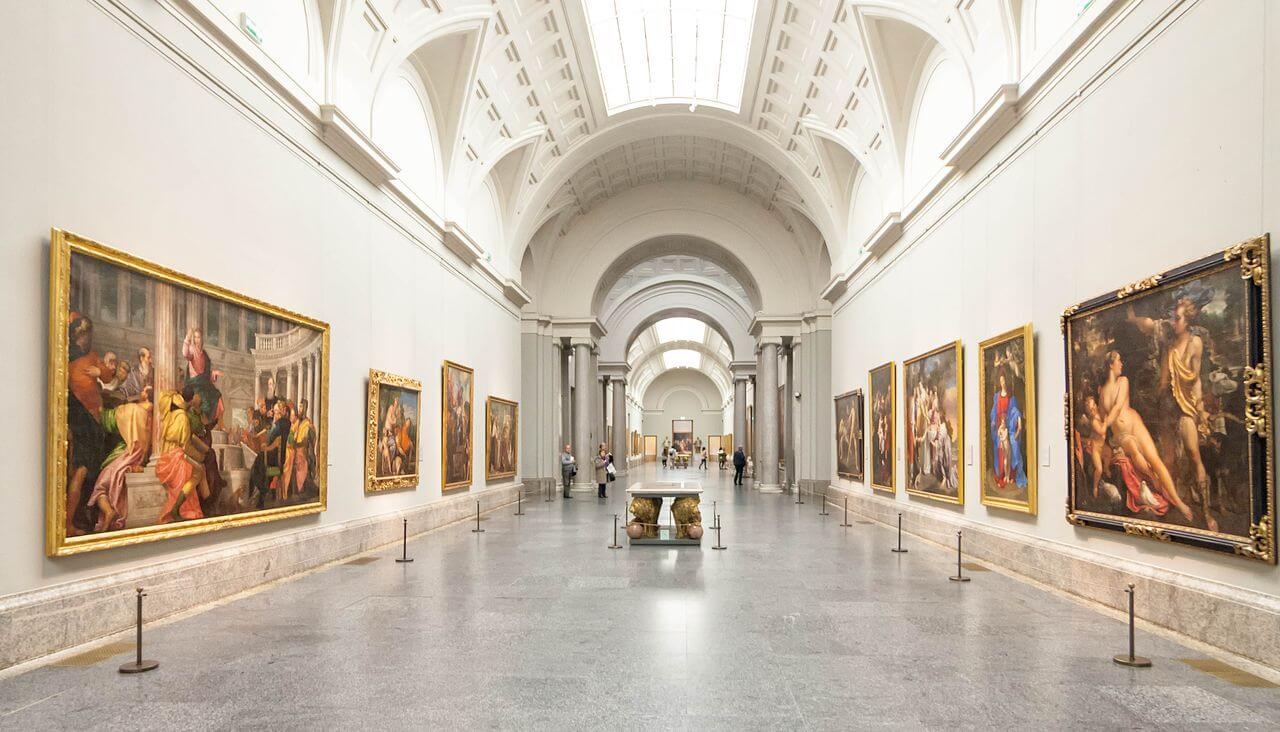
Your journey begins in the UNESCO World Heritage-designated Art Walk. Start at the Prado Museum, a treasure trove of European masters including El Greco, Velázquez, and Goya. Given the museum’s sheer size, dedicate at least three hours here.
Follow this with a walk down the Paseo del Prado to the Thyssen-Bornemisza Museum, which provides a bridge between the Renaissance and modern Pop Art. Finally, conclude at the Reina Sofía, where Picasso’s Guernica serves as the moral and artistic center of the city’s modern collection. After sunset, experience a rustic dinner at Taberna La Fragua de Vulcano or seek out the unique atmosphere of Bodega de los Secretos, where you can dine within 17th-century wine caves.
Day 2: The Grandeur of the Historic Center
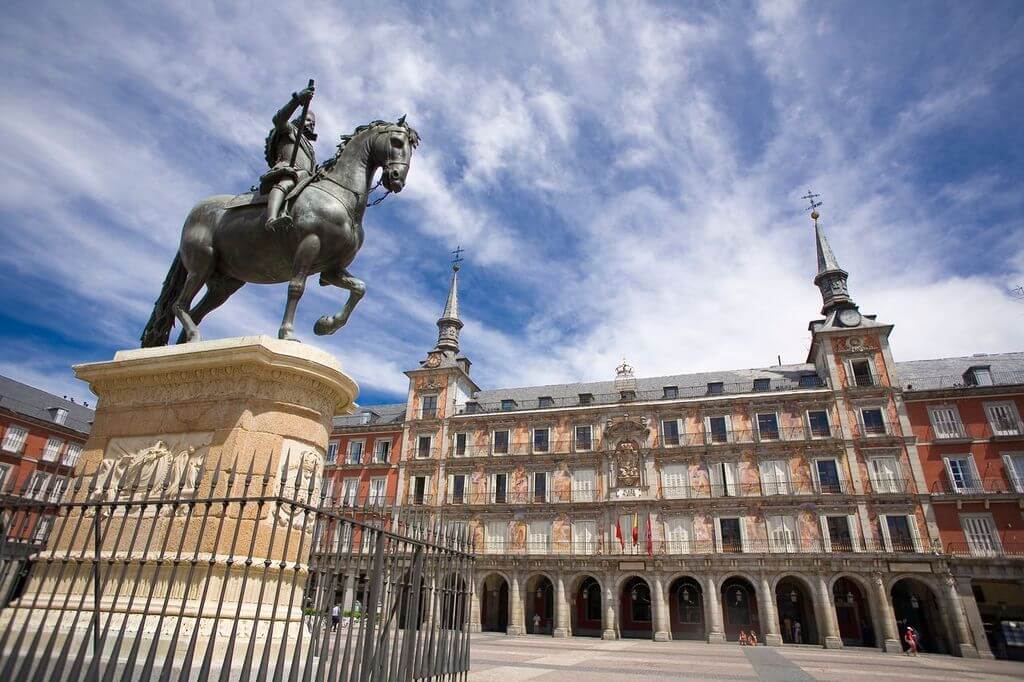
Day two explores "Habsburg Madrid." Begin at Puerta del Sol, standing on the official "Kilometer Zero" marker. From here, walk to the Plaza Mayor, a former site of bullfights and royal ceremonies that now serves as the city’s grandest living room.
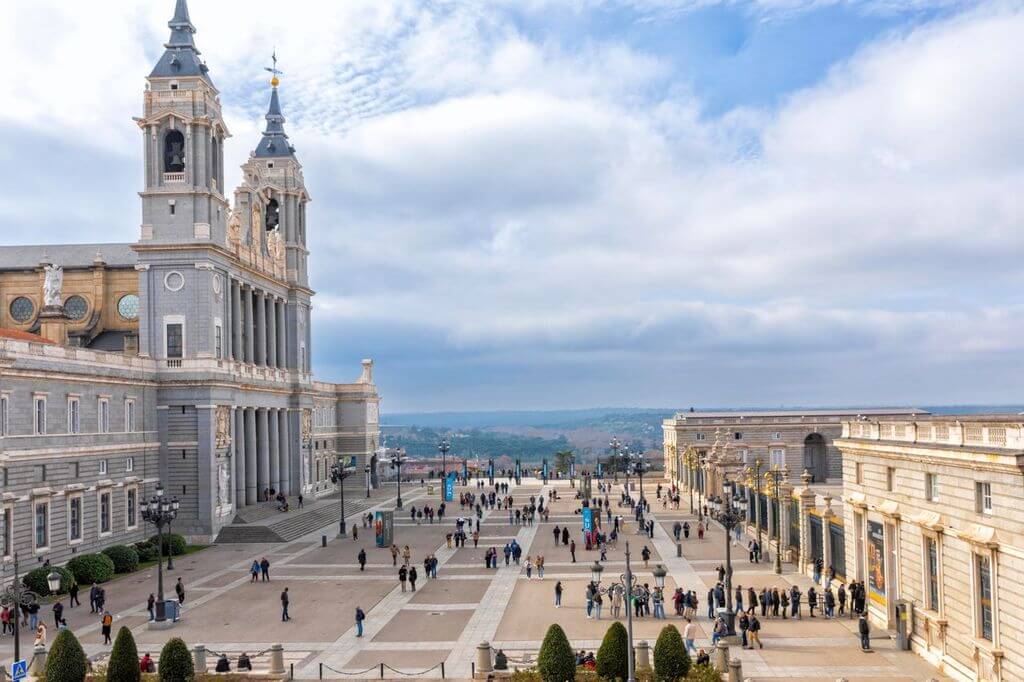
No trip to the center is complete without a stop at the Royal Palace. As the largest palace in Western Europe, it features 3,400 rooms filled with Baroque splendor. End your afternoon at the Almudena Cathedral, where the Neo-Classical exterior complements the nearby palace, and the dome offers an unrivaled panoramic view of the city skyline.
Day 3: Culinary Discovery
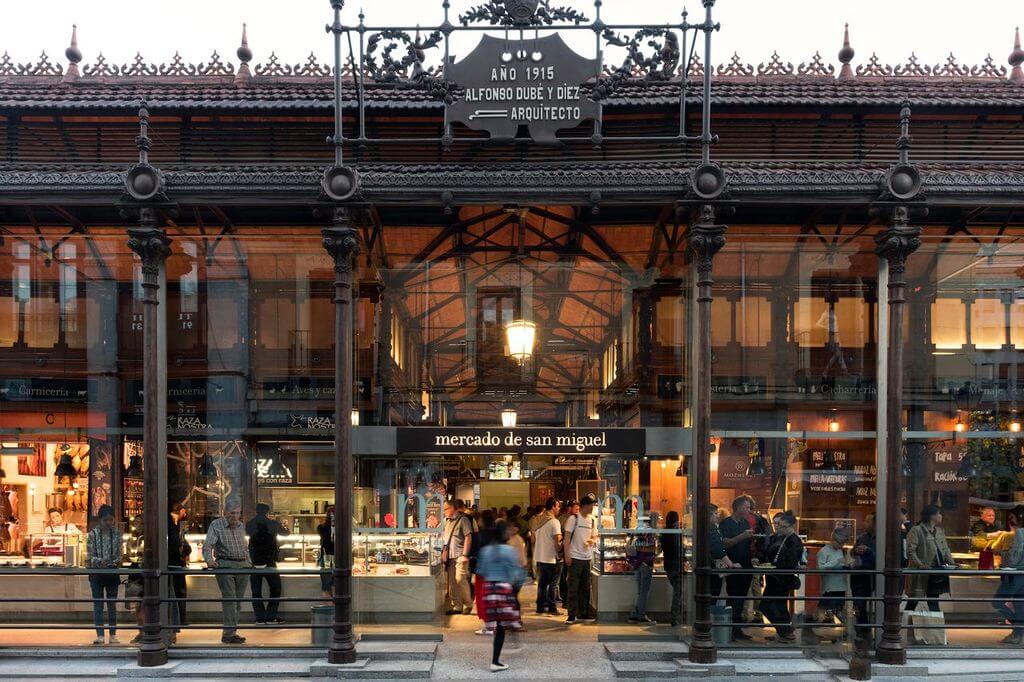
Madrid is a culinary pilgrimage. Begin your morning at the Mercado de San Miguel, a glass-walled temple of gastronomy. While iconic, ensure you also visit the neighborhood markets like Mercado de San Antón in Chueca for a more authentic local experience.
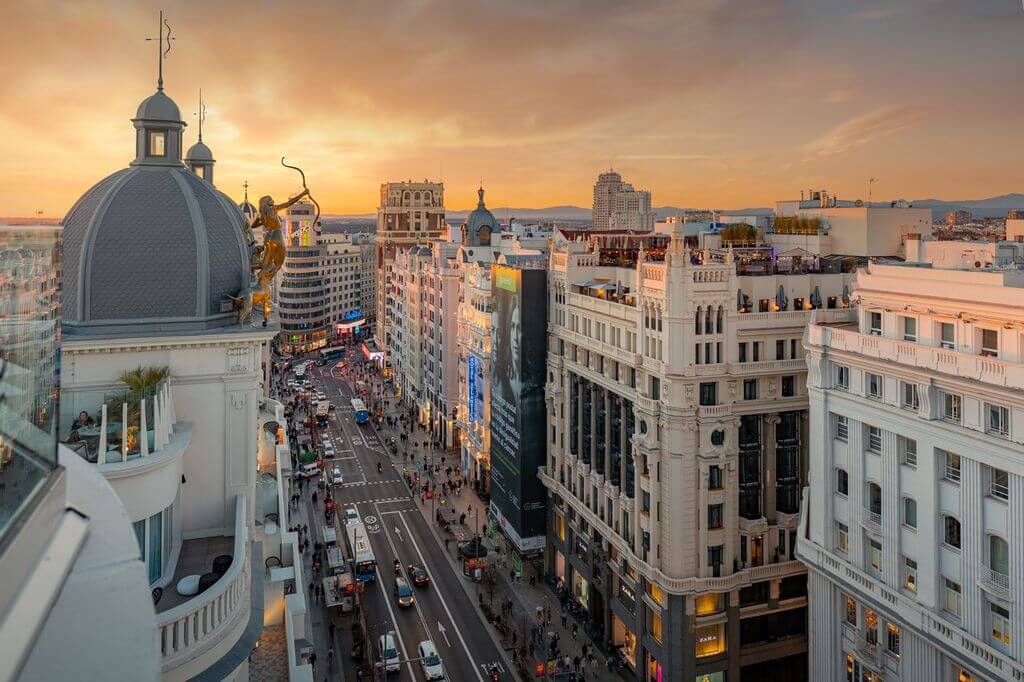
For a true historical meal, book a table at Sobrino de Botín, the oldest restaurant in the world according to the Guinness World Records. As evening falls, embrace the "tapas crawl" culture in La Latina. Cap the night on the Gran Vía at a rooftop bar like the RIU 360º sky bar, where you can toast to the city while looking down upon the illuminated urban sprawl.
Day 4: UNESCO Wonders Beyond the City Limits
Madrid is a gateway to history. Use this day to venture out to San Lorenzo de El Escorial, an austere 16th-century monastery and royal mausoleum that speaks to the power of the Spanish Empire. Alternatively, visit the Royal Palace and Gardens of Aranjuez, often cited as the Spanish Versailles, or the university town of Alcalá de Henares, the birthplace of Miguel de Cervantes. Each site offers a profound look at the Spanish Golden Age.
Day 5: Off-the-Beaten-Path Treasures
Spend your final day uncovering the city’s quiet secrets. Visit the Monastery of Las Descalzas Reales, a cloistered convent that houses a hidden, world-class art collection amassed by aristocratic women over centuries.
Conclude your trip in Casa de Campo, a massive 17-square-kilometer public park. Find a terrace by the lake and enjoy a final meal while gazing across the water at the silhouette of the Royal Palace and the cathedral. It is a moment of reflection that captures the essence of a city that never stops surprising its guests.
Supporting Data and Logistics
Planning a trip of this magnitude requires logistical foresight.
- Transportation: Madrid is highly walkable, but the Metro system is clean, efficient, and inexpensive, making it the preferred mode of transit for both locals and tourists.
- Budgeting: While Madrid is a capital city, it remains significantly more affordable than London or Paris. By prioritizing "menu del día" lunch deals and utilizing the city’s free museum hours (often in the late afternoons), travelers can maintain a modest budget without sacrificing the quality of the experience.
- Connectivity: The city is a major transit hub; using platforms like Skyscanner to monitor flights into Adolfo Suárez Madrid–Barajas Airport (MAD) is recommended for securing competitive fares.
Official Responses and Tourism Impact
The local government, through initiatives like the "Paisaje de la Luz" (Landscape of Light) UNESCO designation, has signaled a long-term commitment to preserving the balance between high-volume tourism and the livability of the historic center. Recent renovations, such as those at the Sorolla Museum (reopening in 2026), highlight a trend of investing in "house museums" that offer intimate, palace-style experiences, effectively dispersing tourist foot traffic away from the most crowded landmarks.
Implications for the Modern Traveler
The primary implication for travelers is that Madrid rewards curiosity. The city is shifting away from being a "sight-seeing" destination toward being an "experiential" one. By choosing to spend five days rather than the standard weekend, you are not just checking boxes on a list—you are participating in a culture that values the quality of life, the depth of art, and the social bonds formed over food and wine.
Whether you are a budget-conscious backpacker or a lover of luxury, Madrid’s ability to cater to diverse interests while maintaining its historical integrity is what secures its place as one of the top destinations in Europe. As the city continues to innovate its culinary and cultural sectors, it remains a testament to the fact that you can honor the past while defining the future.