Controversial Meat Guidelines Spark Outcry: Experts Accuse "Big Meat" of Downplaying Mortality Risks
Washington D.C. – A series of studies published in the prestigious Annals of Internal Medicine ignited a fierce debate within the scientific and public health communities, drawing sharp criticism for their seemingly counter-intuitive conclusion: despite finding statistically significant links between lower red and processed meat consumption and reduced mortality, the authors advised the public to continue eating meat without restriction. This recommendation stands in stark contrast to long-standing dietary guidelines globally, prompting accusations of methodological flaws, selective data presentation, and potential industry influence.
The controversy centers on the "NutriRECS" consortium’s findings, which, paradoxically, identified clear health benefits associated with reducing meat intake. Critics argue that the panel’s subsequent conclusion—that these benefits are of "very small magnitude" and that individuals should ignore other dietary advice—represents a dangerous misinterpretation of scientific evidence, potentially jeopardizing public health for the sake of palatability and industry interests.
The Heart of the Matter: Statistically Significant Findings, Contrasting Conclusion
In late 2019, the Annals of Internal Medicine published a cluster of papers from the NutriRECS group, synthesizing existing evidence on red and processed meat consumption. Alarmingly for the meat industry, but consistent with prevailing scientific understanding, these meta-analyses revealed a statistically significant association between lower consumption of red and processed meats and several positive health outcomes. Specifically, the studies linked reduced meat intake to:
- Lower total mortality, implying a longer lifespan.
- Lower cardiovascular disease (CVD) mortality.
- Lower risk of dying from cancer.
- A significantly reduced risk of developing type 2 diabetes.
These findings, independently corroborated by numerous other studies, underscore the health advantages of dietary patterns that limit red and processed meats. However, in a move that shocked many experts, the NutriRECS panel concluded that people should largely disregard these associations and maintain their current meat consumption levels, effectively telling the public to "keep eating meat to their heart’s content."
Unpacking the Rationale: Three Contentious Justifications
The NutriRECS panel offered three primary reasons for their controversial recommendations, each of which has faced intense scrutiny from the broader scientific community.
Taste Preference vs. Public Health Imperatives
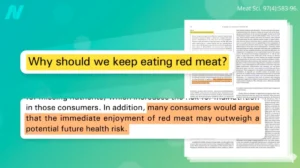
One of the panel’s justifications was taste preference. Simply put, they acknowledged that people enjoy eating meat. While acknowledging dietary enjoyment is a factor in adherence, critics argue that personal taste should not be a primary driver for developing public health dietary guidelines. Drawing parallels to other public health challenges, experts contend that just as enjoyment of smoking or sedentary lifestyles does not negate the scientific evidence of their harm, the pleasure derived from meat consumption should not override established health risks.
"Many people don’t want to exercise more or stop smoking or drinking, but that doesn’t change the science; it shouldn’t change the public health recommendations," one critic observed, highlighting the responsibility of guidelines to prioritize health outcomes over personal predilections. Allowing taste to dictate health advice could set a dangerous precedent, undermining evidence-based recommendations across various health domains.
The Misapplication of GRADE Methodology
A second, more technical, reason cited by the panel for their divergence from other guidelines was their use of the GRADE (Grading of Recommendations, Assessment, Development, and Evaluation) approach. While GRADE is a robust system for evaluating evidence, particularly in clinical trials for pharmaceuticals, its applicability to complex dietary and lifestyle interventions is highly contested.
GRADE was largely designed to assess the certainty of evidence from randomized controlled trials (RCTs), which are often difficult, unethical, or impractical to conduct for long-term dietary habits. Unlike a drug, a diet involves numerous variables, interactions, and long-term exposures that cannot be isolated in the same way. Experts argue that applying GRADE inappropriately to dietary research can systematically downplay the strength of observational studies and other forms of evidence crucial for understanding lifestyle effects.
Critics like Dr. David Katz, founding director of the Yale-Griffin Prevention Research Center, warned that such misuse of GRADE "could be misused to undermine recommendations about secondhand smoke, air pollution, trans fats, or physical inactivity." By privileging evidence types that are rare or impossible in nutritional science, the panel effectively discounted a vast body of relevant research, leading to conclusions that appear to disregard the totality of evidence.
The "Very Small Magnitude" Argument: A Dangerous Downplay
Perhaps the most contentious justification offered by the NutriRECS panel was their assertion that the health effects of reducing meat consumption were of a "very small magnitude." In essence, they suggested that even if meat contributes to heart disease, cancer, diabetes, and death, the individual impact isn’t that significant to warrant a major dietary shift, especially when weighed against taste benefits.
This argument has been vehemently rejected by public health experts, who emphasize that even seemingly small individual risks can translate into massive public health burdens when applied across entire populations. The chair of nutrition at Harvard, for instance, estimated that a moderate reduction in red meat consumption could prevent a staggering 200,000 deaths each year. To label such a number as a "very small effect" is, according to critics, a profound misrepresentation of public health impact.
"Now, the meat panel can call that a very small effect if they want to, but I imagine it’s no small effect to those 200,000 families," one commentator noted, underscoring the human cost behind the statistical argument. This perspective aligns with established public health principles, where even marginal improvements in individual health outcomes, scaled across millions, yield substantial societal benefits.
Allegations of Data Manipulation and Omissions
Beyond the contentious justifications, the NutriRECS panel faced severe criticism for alleged selective inclusion and exclusion of studies, raising serious questions about the integrity of their review process.
Cherry-Picking and Exclusion of Key Trials
Critics contend that the panel appeared to "cherry-pick" certain studies to fit a predetermined narrative, while actively discarding or ignoring others that met their own criteria or offered more compelling evidence against high meat consumption. Several prominent randomized controlled trials (RCTs) and large observational studies, widely considered foundational in nutritional science, were conspicuously absent from their analysis.
For instance, the panel’s exclusion of the PREDIMED trial and the hundreds of randomized trials underpinning the DASH diet was highlighted as a major oversight. These studies consistently demonstrate significant health improvements through dietary interventions that reduce red and processed meats.
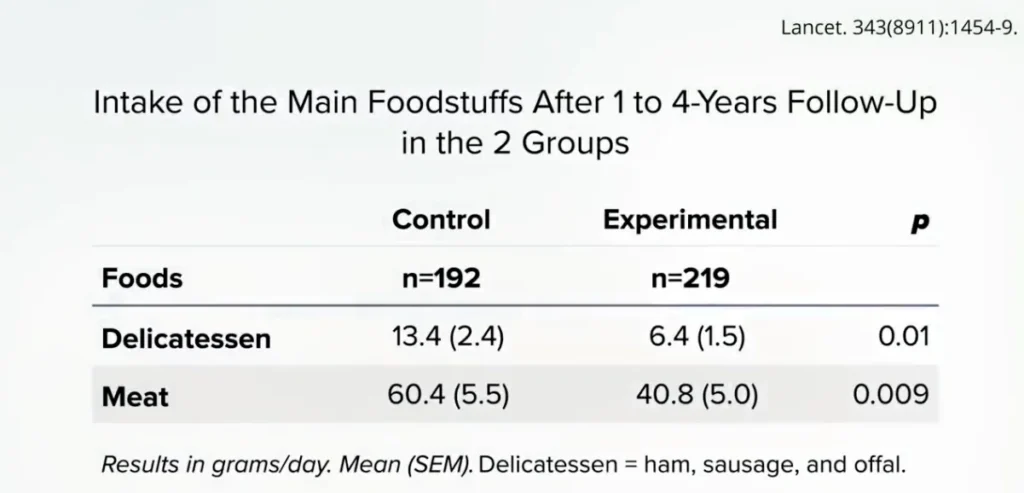
Even more egregious was the exclusion of the Lyon Diet Heart Study. This groundbreaking trial randomized participants to a more Mediterranean diet, which included a significant drop in meat consumption. Compared to the control group, those on the lower-meat diet experienced a remarkable 70% reduction in mortality from all causes. The NutriRECS panel dismissed this study because it reported "an implausibly large treatment effect"—in other words, it "worked too well" to fit their narrative of "small magnitude" effects. Such a justification for excluding robust evidence is considered highly unscientific and indicative of bias.

Misleading Reliance on "Modest" Dietary Changes
Furthermore, the panel’s approach to "realistic decreases in meat consumption" was criticized as deliberately limiting the scope of their inquiry. They explicitly excluded research comparing health outcomes of vegetarians to meat eaters, arguing they were only interested in "realistic decreases" like cutting out three servings a week.
However, the primary study they relied on, the Women’s Health Initiative, achieved only a difference of 1.4 servings of meat per week—amounting to a mere half an ounce of meat per day, or about a fifth of a hamburger. Drawing broad conclusions about the "small magnitude" of meat’s impact based on such minimal dietary changes is highly misleading.
As Dr. Dean Ornish succinctly put it, "To say that small increases in meat consumption only cause small increases in the risk of disease doesn’t mean that eating meat is good for you." He likened it to comparing smoking 24 cigarettes a day to 20 cigarettes a day, while deliberately avoiding any comparison to not smoking at all, and then "erroneously concluding that smoking isn’t that bad for your health." This analogy powerfully illustrates how limiting the scope of comparison can obscure profound health risks.
The concern was further amplified by the finding that what replaces meat matters significantly. Replacing even 3% of calories from animal protein with plant protein is linked to living longer. Conversely, replacing a burger with an egg salad sandwich, for example, could actually lead to increased mortality risk, as eggs appeared to be particularly detrimental in some analyses. This complexity was largely overlooked or downplayed by the panel’s simplified conclusions.
Conflict of Interest: A Shadow Over Scientific Integrity
Adding another layer of controversy, the NutriRECS meat panel was found to be partnered with, and included individuals on the payroll of, Texas A&M AgriLife. This institution receives millions of dollars annually from the meat industry, raising significant concerns about potential conflicts of interest.
The financial ties to the meat industry cast a long shadow over the panel’s impartiality and fueled suspicions that their conclusions were not solely driven by scientific rigor but by economic motivations. While not definitive proof of direct manipulation, such associations inherently compromise the perceived independence and trustworthiness of scientific recommendations, particularly when those recommendations deviate so sharply from established public health consensus. The perceived lack of transparency regarding these conflicts further eroded public and scientific trust in the studies.
The Undeniable Health Benefits of Reduction
Despite the methodological criticisms and alleged biases, the core data presented in the Annals of Internal Medicine papers themselves, when interpreted without the panel’s contentious spin, robustly confirmed the adverse effects of meat consumption. Critics noted that "nonetheless [the meat panel] found entirely consistent, clinically meaningful, statistically significant adverse effects of eating more meat and processed meat on all-cause mortality, on cardiovascular disease, on cancer, and on diabetes." That these findings emerged "despite the obstacles they put on the path to this finding is nearly incredible, and directly bespeaks the magnitude of adverse effects of meat and processed meat intake on health."
Based on their own meta-analyses of large cohorts, dietary patterns with just a moderate reduction in red and processed meats were associated with:
- 13% lower total mortality.
- 14% lower cardiovascular disease mortality.
- 11% lower cancer mortality.
- A 24% reduced risk of type 2 diabetes.
These are not "small" effects in a public health context. To put this in perspective, societies spend tens of billions of dollars annually attempting to tweak risk factors by similar magnitudes. A single intervention—a reduction in meat consumption—appears to deliver these multiple benefits simultaneously. For comparison, statin drugs can reduce heart disease risk but may increase the risk for type 2 diabetes and have little effect on cancer. If a pharmaceutical drug offered such a comprehensive array of health benefits, it would undoubtedly be a multi-billion-dollar blockbuster.
Lessons from History: The Tobacco Parallel
The controversy surrounding the NutriRECS guidelines draws striking parallels to historical battles over the health impacts of tobacco. Public health experts have repeatedly invoked the "smoking analogy" to underscore the danger of downplaying seemingly small risks.
"Imagine researchers select studies with extremely small between-group differences in the number of cigarettes smoked per week. They avoid any studies that actually compare smoking to non-smoking [i.e., meat-eating to vegetarian]. They find that despite the small differences in exposure, there is still a clear and consistent benefit of smoking less. They then apply methods of grading the evidence that strongly favor randomized trials over all other methods. Since there are few if any randomized trials of smoking, they conclude that they have very low confidence in the reliability of their own findings. On that basis, they publish guidelines recommending—that the public simply continue to smoke. After all, they reason, people who smoke like smoking," one expert articulated. This chilling analogy, which perfectly encapsulates the methodological and rhetorical approach of the Annals of Internal Medicine papers, highlights the profound ethical implications of such recommendations.
The numbers are on par with the amount of cancer and heart disease attributable to secondhand smoke, and based on similar population studies (as one cannot ethically randomize people to sit in smoky rooms). Yet, no rational person would argue against smoke-free zones based on the "small magnitude" of secondhand smoke’s effect; the same standard, critics argue, should apply to red and processed meats.
This debate echoes a poignant quote from a famous 1959 paper on smoking and lung cancer: if the evidence linking smoking to disease "had been made on a new agent, to which hundreds of millions of adults were not already addicted, and on one which did not support a large industry, skilled in the arts of mass persuasion, the evidence for the hazardous nature of the agent would be generally regarded as beyond dispute." This historical insight remains chillingly relevant, suggesting that economic interests and deeply ingrained habits continue to exert undue influence on the interpretation and communication of critical public health science.
Implications for Public Health and Policy
The contentious Annals of Internal Medicine papers and the subsequent uproar have significant implications for public health, scientific integrity, and policy-making.
Firstly, they underscore the critical need for absolute transparency regarding conflicts of interest in scientific research, particularly in fields with enormous economic stakes like food and nutrition. The public’s trust in scientific recommendations is paramount, and any perception of industry influence can severely undermine the effectiveness of public health campaigns.
Secondly, the debate highlights the challenges of communicating complex nutritional science to the public. When prestigious journals publish recommendations that contradict established guidelines, it creates confusion and erodes confidence in scientific consensus, potentially leading individuals to make less healthy choices.
Finally, the incident serves as a stark reminder of the ethical responsibility of researchers and journal editors. While open scientific debate is essential, conclusions that appear to dismiss robust evidence, especially when human lives are at stake, must be rigorously scrutinized and challenged. The public health community must remain vigilant in advocating for evidence-based dietary guidelines that prioritize the well-being of populations over the interests of powerful industries. The choice between individual taste and collective health is not a trivial one, and the scientific community’s role is to provide clear, unbiased guidance to navigate it.