The Art of the Reduction: Mastering Homemade Pumpkin Butter for Seasonal Baking and Beyond
As the autumn season arrives, bringing with it a crisp chill and a craving for the warming, nostalgic flavors of fall, few ingredients capture the essence of the harvest quite like pumpkin. While canned pumpkin puree is a pantry staple for many, it often lacks the concentrated punch required for sophisticated baking or the luxurious, spreadable texture desired for a breakfast table. Enter pumpkin butter: a refined, thickened, and intensely flavored transformation of standard puree that serves as a versatile secret weapon in the kitchen.
The Essence of Pumpkin Butter: A Culinary Profile
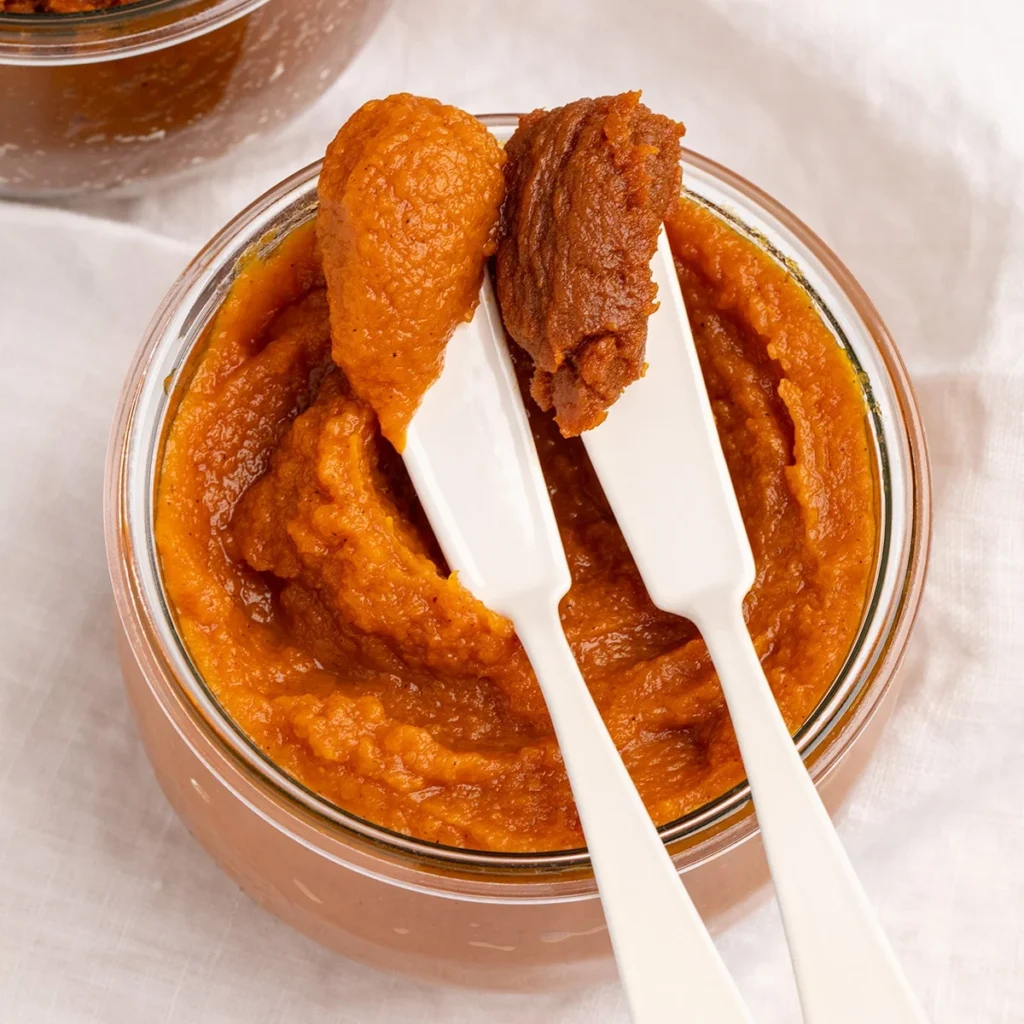
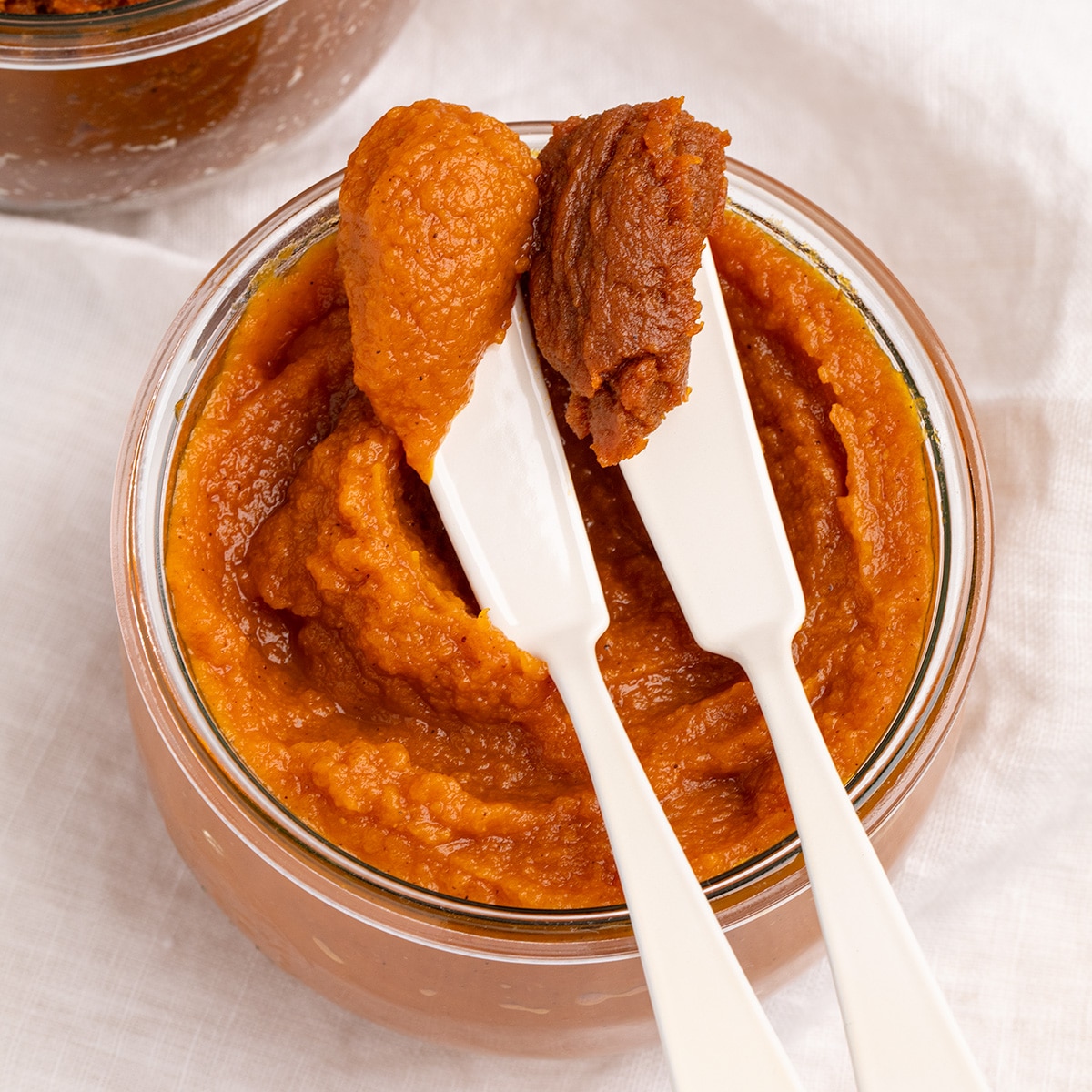
At its core, pumpkin butter is a reduction. By cooking down pumpkin puree with aromatic spices, sweeteners like maple syrup, and a liquid component—typically apple cider or juice—the mixture undergoes a physical and chemical change. As excess moisture evaporates, the pumpkin puree darkens in color and transforms from a mild, watery base into a complex, velvety spread.
This process serves two primary functions. First, it concentrates the sugars and earthiness of the squash, creating a robust flavor profile that stands up well against the boldness of cinnamon, ginger, cloves, and nutmeg. Second, it alters the water content of the product, which is critical for bakers who struggle with the "cakey" or overly moist results that can occur when using raw pumpkin puree in delicate pastries, scones, or cookies.
Chronology: From Raw Squash to Gourmet Spread
The creation of pumpkin butter is a study in patience and precision. While the process is straightforward, the timing dictates the final application of the product.
Phase 1: The Foundation
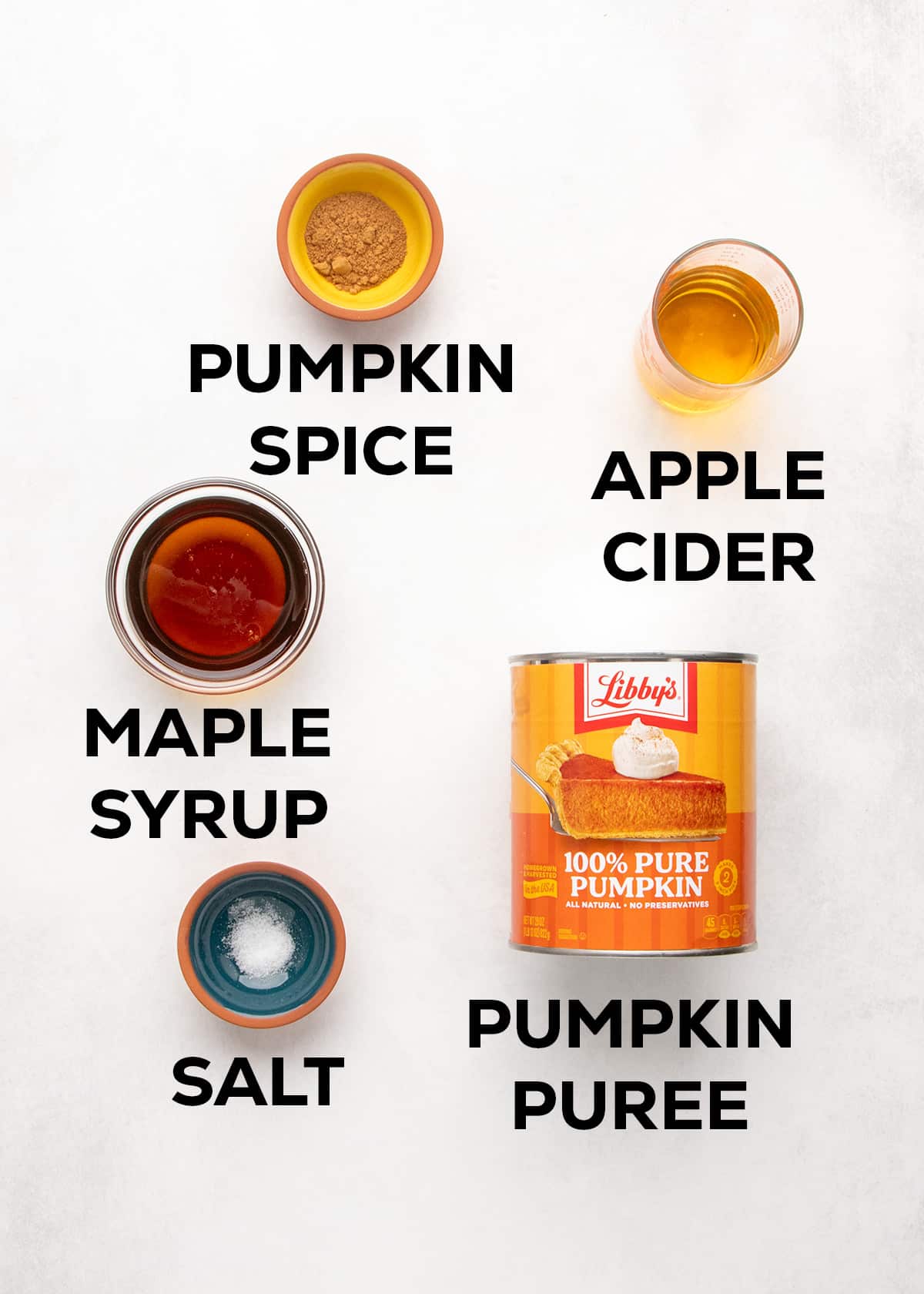
The process begins by combining pumpkin puree—whether store-bought or freshly roasted—with high-quality maple syrup, apple cider, and a curated blend of warming spices. Stirring is of paramount importance during this initial stage to ensure that the spices are evenly distributed, preventing "bitter pockets" of concentrated flavor.
Phase 2: The Initial Reduction
Over medium-low heat, the mixture is cooked for approximately 15 minutes. During this time, the pot should be large enough to allow for evaporation while managing the inevitable bubbling. Frequent stirring is required not only to prevent burning but to ensure the mixture reduces consistently.
Phase 3: Texture Customization
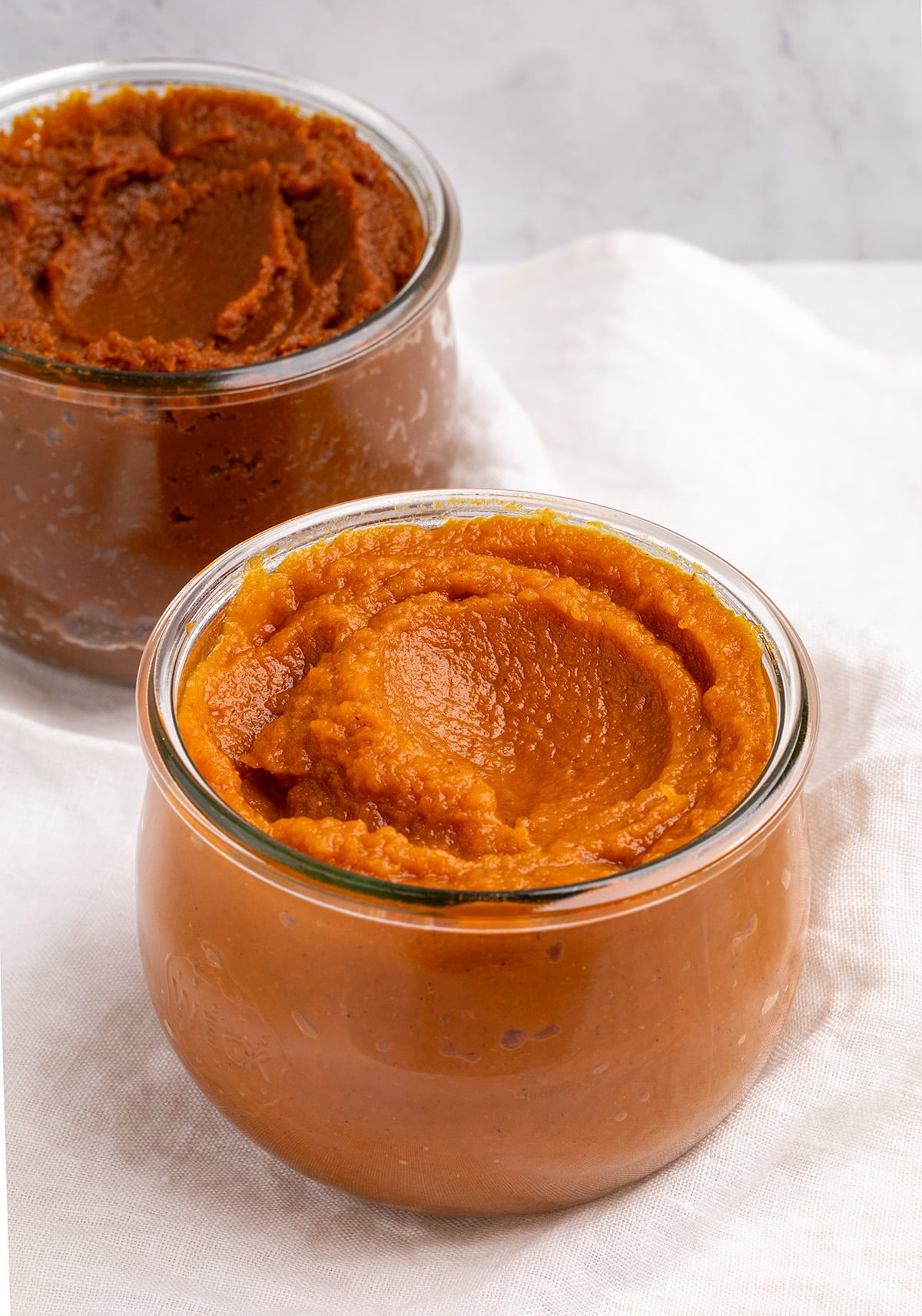
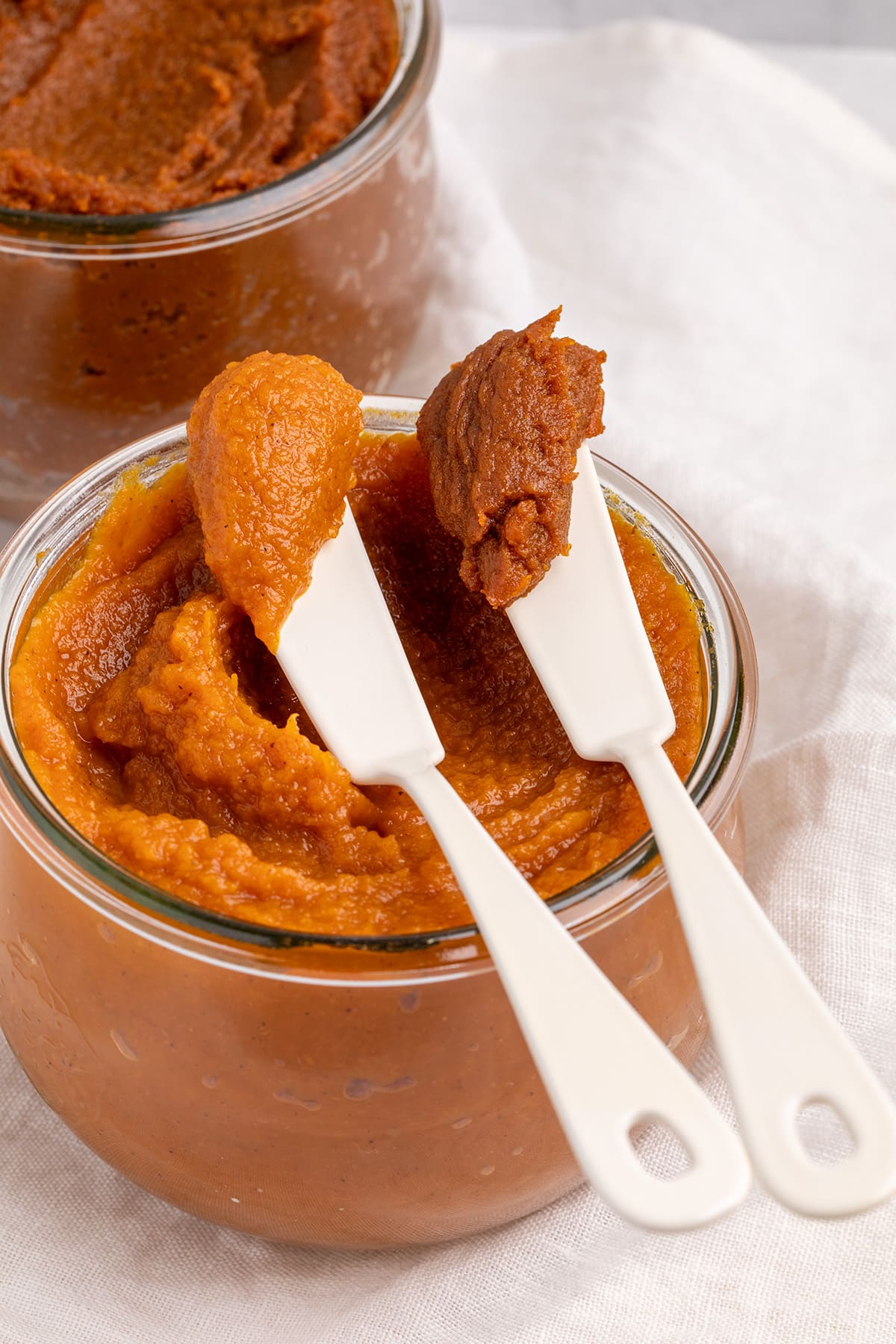
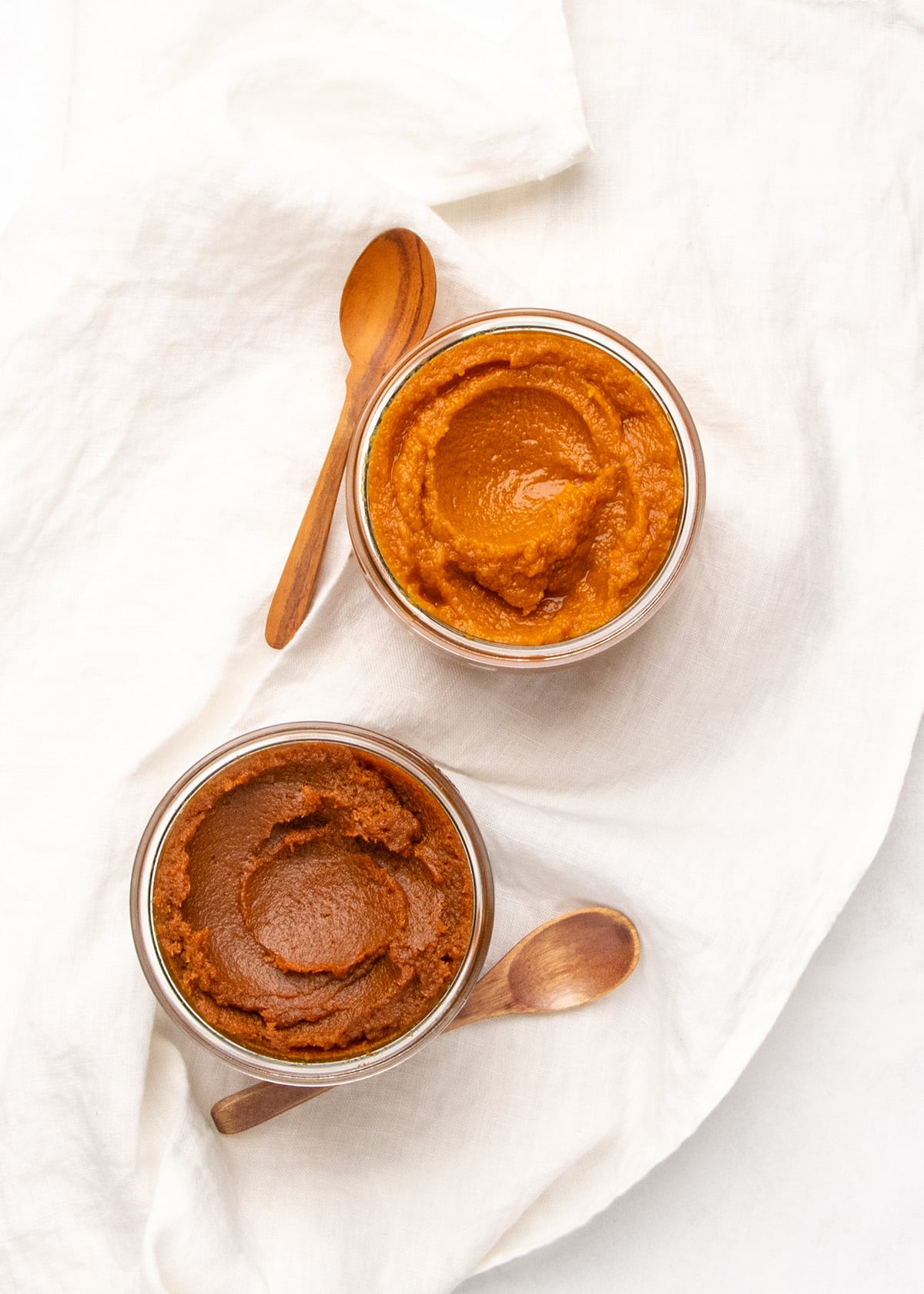
Once the initial moisture has been removed, the cook has a decision to make. If the goal is a spreadable condiment for toast, pancakes, or yogurt, the process is halted while the butter retains a slight, glistening sheen. If the intended use is baking—where moisture control is essential—the cooking continues for another 5 to 15 minutes, often with the addition of brown sugar to enhance depth and sweetness. This stage continues until the mixture turns a deep, mahogany-orange and loses all excess liquid.
Supporting Data: Why Texture Matters in Baking
For professional and home bakers alike, the moisture content in pumpkin recipes has long been a challenge. Using standard pumpkin puree introduces significant water, which can interfere with the structural integrity of baked goods, leading to heavy or overly "puffy" results.
By converting the puree into a reduced butter, bakers can introduce a higher concentration of pumpkin solids and aromatics without compromising the chemistry of their doughs or batters. As highlighted by culinary experts, using a concentrated butter allows for the signature "crumb" in scones and the proper rise in cinnamon rolls, ensuring that the final product feels artisanal rather than experimental.
Official Guidelines: Safety and Preservation
While the allure of "canning" pumpkin butter for shelf-stable, year-round storage is strong, it is imperative to follow food safety standards. Expert organizations, including the National Center for Home Food Preservation, have consistently noted that homemade pumpkin butter is not suitable for traditional water-bath or pressure canning.
The primary concern is acidity. Pumpkin is a low-acid food, and without the proper, scientifically validated acidification processes, it poses a risk for Clostridium botulinum growth. Because home recipes often vary in density and sugar content, it is impossible to guarantee that a home-canned jar will reach the necessary pH levels for safety.
Storage Protocol:
- Refrigeration: Store the finished pumpkin butter in a sanitized, airtight glass container. It will remain fresh for up to two weeks in the refrigerator.
- Freezing: For long-term preservation, portion the butter into ice cube trays and freeze until solid. Once frozen, transfer the cubes to a heavy-duty freezer-safe bag. This allows the cook to thaw only the amount required for a specific recipe, minimizing waste and ensuring the best possible quality.
Substitutions and Ingredient Flexibility
The versatility of this recipe extends to its ingredients, allowing for regional or dietary adjustments:
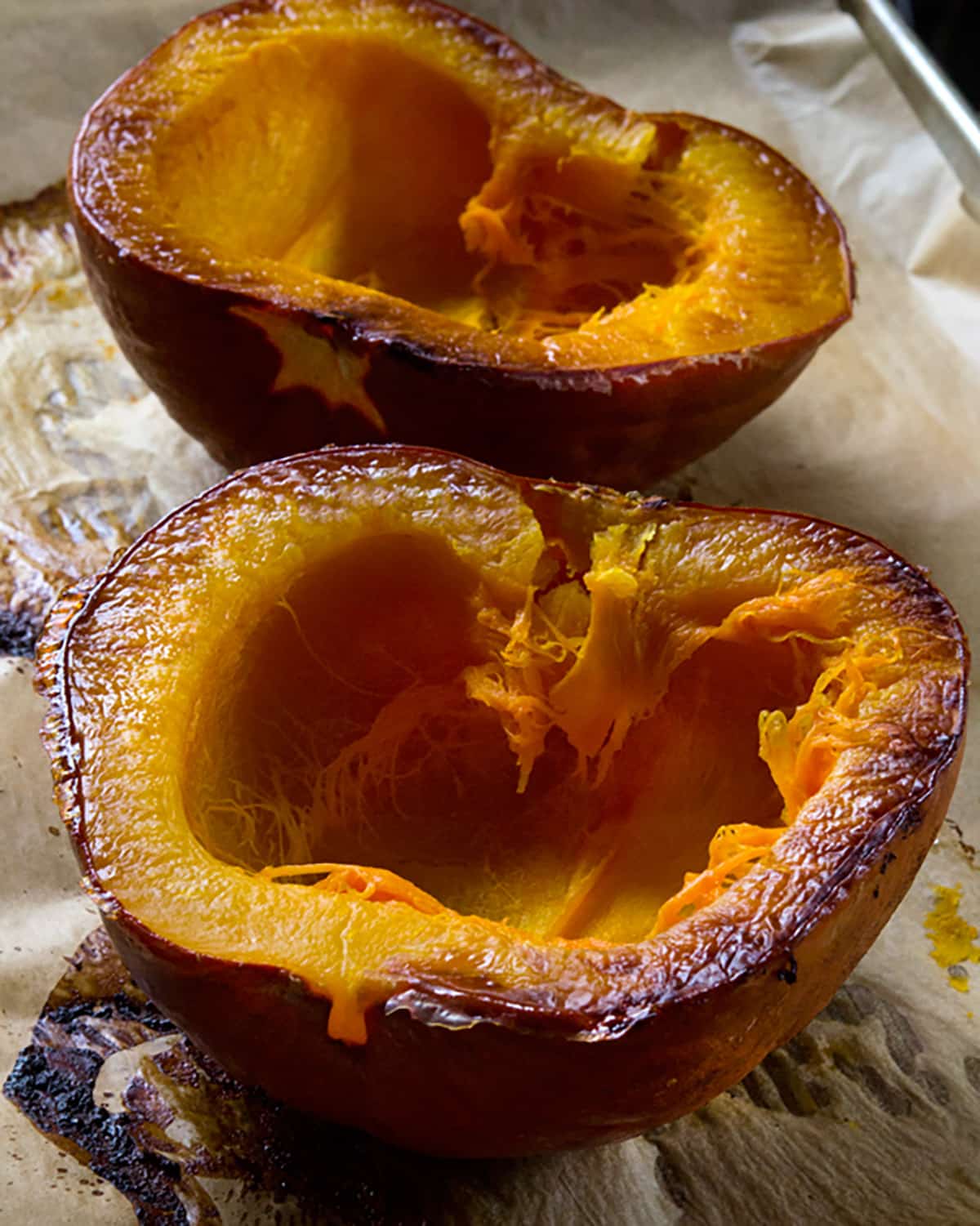
- The Squash Base: While standard canned pumpkin is convenient, it is often made from various types of winter squash. For those roasting their own, kabocha squash is an excellent alternative to sugar pumpkins; it is naturally sweeter and has a texture that lends itself well to reduction. Butternut squash is also a viable candidate, though it will produce a lighter-colored final product.
- The Sweetener: Maple syrup is the traditional choice for its subtle woody notes, but honey can be substituted. Note that honey is more viscous and has a more pronounced flavor profile; it is recommended to reduce the quantity (approximately 3 tablespoons per 1/4 cup of maple syrup) and potentially add a splash more cider to balance the thickness.
- Liquid Components: Apple cider is preferred for its natural acidity and fruitiness, but in its absence, pineapple juice can be used to add a complex, bright note. For a more neutral profile, white grape juice serves as an adequate substitute.
Implications for the Modern Kitchen
The shift toward making pantry staples from scratch represents a broader trend in home cooking: the desire for "cleaner," more flavor-forward ingredients. By making pumpkin butter at home, the cook gains control over the sugar levels and the quality of spices, moving away from the often-over-processed options found on supermarket shelves.
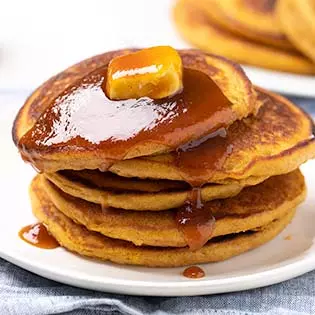
Furthermore, the integration of pumpkin butter into diverse recipes—ranging from gluten-free cornbread to oatmeal breakfast cookies—demonstrates its utility as a functional ingredient. It is no longer just a condiment for a slice of bread; it is a building block for seasonal culinary creation.
Conclusion: A Seasonal Ritual
Mastering the reduction of pumpkin butter is an essential skill for the autumn months. Whether you are aiming to elevate a simple Sunday breakfast or seeking to refine your holiday baking, this method provides a superior alternative to raw puree. By understanding the balance between heat, time, and moisture, you can unlock the deepest, most authentic flavors of the season.

As you embark on this culinary project, remember that the "slow and steady" approach is your greatest tool. Respect the process, monitor the reduction closely, and you will be rewarded with a batch of pumpkin butter that brings a professional depth of flavor to every dish it touches. For those committed to the gluten-free lifestyle, this recipe is a cornerstone, providing the structural benefits of a reduced puree without the unwanted variables that can compromise your best work. Embrace the season, prepare your jars, and enjoy the rich, spiced rewards of your labor.