The Silent Epidemic: How Our Diets Are Costing Us Millions of Healthy Life Years
A staggering dietary crisis is unfolding across the United States, with profound implications for public health. A shocking 99.99% of Americans are failing to meet the minimum recommended intake for potassium while simultaneously exceeding recommended sodium levels. This pervasive imbalance, far from a mere statistical anomaly, represents a critical threat to national health, dwarfing the impact of physical inactivity and fueling a silent epidemic of chronic diseases.
Main Facts: A Dual Nutritional Deficit and Its Grave Consequences
The statistics are stark: nearly all Americans are falling short on crucial potassium intake, a mineral vital for maintaining healthy blood pressure and myriad bodily functions, while concurrently consuming sodium at levels significantly higher than physiologically necessary or recommended. This dual nutritional failure is not just a personal oversight; it’s a systemic problem with widespread ramifications.
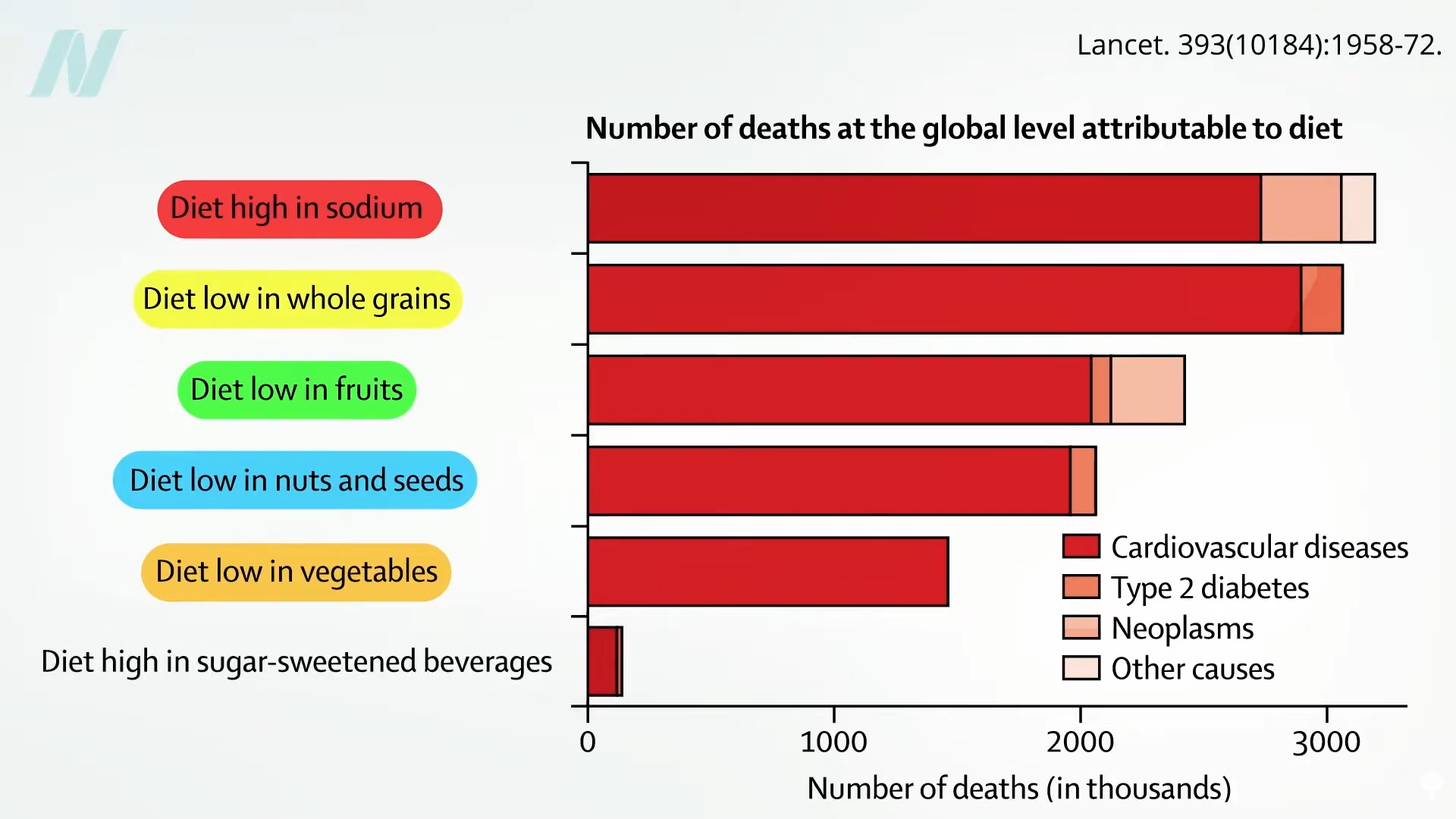
Globally, the impact of physical inactivity is substantial, accounting for over 10 million years of healthy life lost annually. Yet, the choices we make about "what we eat" paint an even grimmer picture, contributing to nearly 20 times that burden. Unhealthy dietary patterns are systematically stripping hundreds of millions of disability-free years from people’s lives each year, making diet the single most significant modifiable risk factor for chronic disease and premature death.
Analysis of global dietary patterns reveals the most perilous aspects of our modern eating habits. Alarmingly, four of the five deadliest dietary traps involve a lack of essential foods: insufficient consumption of whole grains, fruits, nuts and seeds, and vegetables. These foundational elements of a healthy diet are consistently underrepresented on American plates. However, the single most fatal dietary flaw is an excessive intake of salt. To put its danger into perspective, excessive salt consumption is estimated to be approximately 15 times deadlier than diets characterized by an overabundance of sugary sodas. This highlights a critical need for a paradigm shift in how we perceive and consume these fundamental dietary components.
Chronology: From Ancestral Balance to Modern Imbalance
The current dietary predicament is not an overnight phenomenon but the culmination of centuries of evolutionary shifts, agricultural revolutions, and the rise of industrial food processing. Understanding this chronology is crucial to grasping the depth of the challenge.
The Ancestral Diet: A Blueprint for Balance
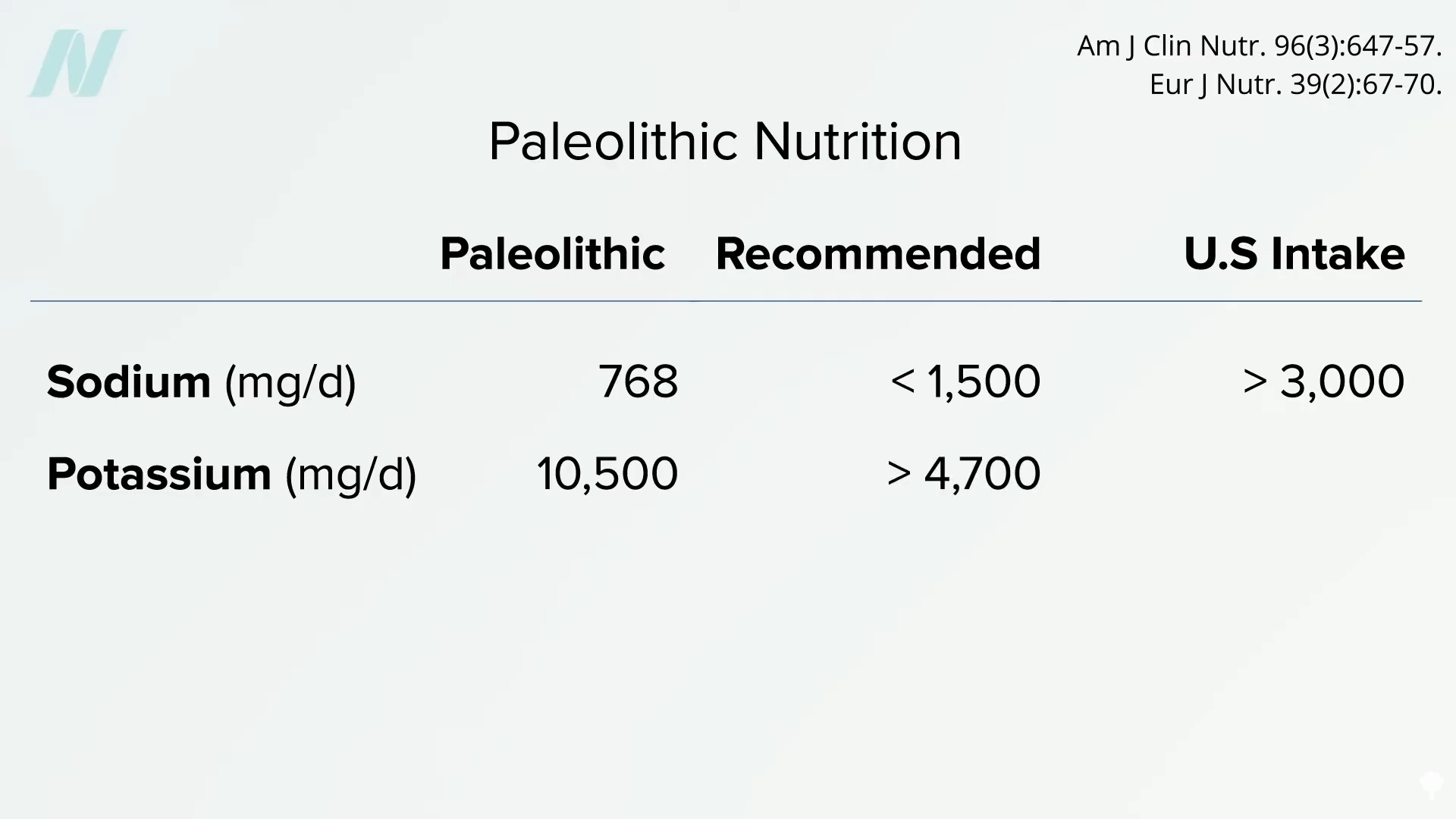
For millennia, human physiology evolved under dietary conditions vastly different from today’s. Our hunter-gatherer ancestors subsisted on diets rich in unprocessed plant foods, lean proteins, and minimal salt. It’s estimated that our bodies evolved to optimally handle a daily sodium intake of approximately 750 milligrams. This was largely derived naturally from whole foods, with very little added salt. Simultaneously, their diets were exceptionally rich in potassium, found abundantly in fruits, vegetables, legumes, and nuts. Ancestral potassium intake likely exceeded 10,000 milligrams per day, providing a robust counter-balance to the modest sodium levels. This evolutionary blueprint established a high potassium-to-sodium ratio that supported optimal cardiovascular health and overall well-being.
The Agricultural Revolution and Early Shifts
The advent of agriculture, beginning roughly 10,000 years ago, brought about significant changes in human diets. While it allowed for settled communities and population growth, it also led to a narrower range of staple crops, often grains, and a reduction in the diversity of wild plant foods. Early food preservation methods, such as salting meats and fish, introduced higher levels of sodium into some diets, though these were still far from modern levels.

Industrialization and the Processed Food Era
The most dramatic shift occurred with the Industrial Revolution and the subsequent rise of food processing in the 19th and 20th centuries. The demand for convenient, shelf-stable, and mass-produced foods led to an explosion in the use of sodium as a preservative, flavor enhancer, and texturizer. Processed meats, canned goods, ready meals, snack foods, and baked goods became staples, often containing hidden and substantial amounts of sodium. Simultaneously, the focus shifted away from whole, unprocessed plant foods, leading to a precipitous decline in dietary potassium. Modern agricultural practices, while increasing yields, have also sometimes been linked to reduced nutrient density in certain crops, further contributing to the potassium deficit.
The Emergence of Dietary Guidelines
As chronic diseases like hypertension, heart disease, and stroke became increasingly prevalent in the mid-20th century, scientific understanding began to link these conditions to dietary factors. Early dietary recommendations, initially focused on fat and cholesterol, gradually expanded to include sodium. By the late 20th and early 21st centuries, major health organizations worldwide began to issue specific guidelines for sodium reduction and potassium intake. The American Heart Association, for instance, has long recommended an upper limit of 2,300 mg of sodium per day for most adults, with an ideal limit of 1,500 mg for at-risk populations. Similarly, recommendations for potassium intake were established, typically around 4,700 mg per day, to help balance sodium and support cardiovascular health.
Despite these clear guidelines, the trajectory of consumption has largely continued unchecked. Over the last decade, average sodium intake has continued to increase, exacerbating the already severe imbalance and highlighting a persistent failure in public health messaging and food system reform.
Supporting Data: Unpacking the Crisis
The evidence supporting the severity of this sodium-potassium imbalance is robust and multifaceted, drawing from epidemiological studies, randomized controlled trials, and physiological research.
The Alarming Sodium Overload
The current state of sodium consumption in the U.S. is alarming. A staggering 98.8% of Americans exceed the recommended 1,500 mg upper limit for sodium intake, a statistic that was already dire over a decade ago and has only worsened. Our average intake is more than four times what our bodies are evolutionarily designed to handle.
- Hypertension: The Silent Killer: The most well-documented consequence of excessive sodium intake is its direct link to high blood pressure, or hypertension. Over a hundred randomized controlled trials have unequivocally demonstrated a cause-and-effect relationship: reducing dietary salt intake consistently leads to a fall in blood pressure, with greater reductions in salt yielding more significant blood pressure improvements. Hypertension is a leading risk factor for heart disease, stroke, and kidney disease, collectively accounting for millions of deaths and disabilities worldwide. High sodium levels increase fluid retention, putting added strain on blood vessels and the heart, forcing it to work harder to pump blood.
- Inflammation and Autoimmune Conditions: Beyond cardiovascular health, excessive sodium intake has been implicated in systemic inflammation. Research shows a clear link between higher sodium intake and increased disease activity in inflammatory autoimmune conditions such as Multiple Sclerosis (MS) and Lupus. Patients with MS consuming medium or high sodium diets experience a three to four times higher exacerbation rate compared to those with lower intake. Similarly, elevated sodium levels have been observed in the tissues of lupus sufferers and correlated with decreased structural integrity in the spinal cords of MS patients, suggesting a direct inflammatory role.
- Gut Microbiome Disruption: Emerging research points to another insidious mechanism by which high salt intake damages health: its impact on the gut microbiome. The friendly bacteria residing in our gut play crucial roles in digestion, immune function, and overall health. Studies suggest that excessive sodium can disrupt the delicate balance of this microbial ecosystem, potentially leading to dysbiosis. A compromised gut microbiome can contribute to inflammation, impaired nutrient absorption, and a host of other health problems, further linking high salt intake to systemic issues.
- Increased Risk of Stomach Cancer: While often overshadowed by cardiovascular concerns, elevated sodium intake is also associated with an increased risk of stomach cancer. High salt consumption can damage the stomach lining, making it more susceptible to Helicobacter pylori infection, a known carcinogen, and promoting the formation of N-nitroso compounds, which are also carcinogenic.
It’s important to note that the vast majority of sodium in the modern diet comes not from the salt shaker, but from processed, packaged, and restaurant foods. Sodium is ubiquitous in items like breads, cereals, processed meats, cheeses, soups, and ready meals, making it challenging for consumers to track and reduce their intake without a concerted effort to consume whole, unprocessed foods.
The Critical Potassium Deficiency
In stark contrast to sodium overload, the American diet is severely deficient in potassium. Less than 2% of U.S. adults consume the recommended daily minimum intake of potassium, meaning over 98% of Americans are eating potassium-deficient diets. This deficiency is particularly striking when compared to the ancestral diet, which provided over 10,000 mg of potassium daily. Current recommendations aim for at least half of that ancestral intake, yet most individuals fall woefully short.
- Potassium’s Role in Blood Pressure Regulation: Potassium acts as a natural antagonist to sodium, playing a crucial role in maintaining fluid balance and regulating blood pressure. It helps the body excrete excess sodium through urine and relaxes blood vessel walls, both of which contribute to lower blood pressure. A diet rich in potassium is therefore a powerful tool in preventing and managing hypertension.
- Beyond Blood Pressure: Potassium is also essential for nerve signal transmission, muscle contraction (including the heart muscle), and maintaining bone mineral density. Chronic potassium deficiency can contribute to an increased risk of stroke, kidney stones, and potentially even osteoporosis.
- Sources of Potassium: The primary sources of dietary potassium are whole, unprocessed plant foods. Fruits (bananas, oranges, avocados), vegetables (spinach, potatoes, sweet potatoes, broccoli), legumes (beans, lentils), nuts, seeds, and whole grains are all excellent sources. The pervasive deficiency underscores the fundamental problem: Americans are simply not consuming enough of these health-promoting foods.
The Synergistic Failure: Sodium-Potassium Imbalance
The true crisis lies not just in high sodium or low potassium independently, but in their simultaneous imbalance. When these two critical guidelines are considered together, the compliance rate plummets to an astonishing low: fewer than 0.015% of people in the United States meet both the recommended sodium and potassium goals. This means a staggering 99.99% noncompliance – only about 1 in 6,000 Americans achieves this vital nutritional balance.
This imbalance disrupts the delicate physiological mechanisms that maintain cardiovascular health. The body’s sodium-potassium pump, critical for cellular function and nerve impulses, relies on a balanced intake. When sodium is high and potassium is low, this pump becomes less efficient, contributing to cellular dysfunction and ultimately manifesting as chronic disease. This combined deficiency and excess creates a perfect storm for chronic illnesses, highlighting why dietary choices are the leading cause of years of healthy life lost.
Official Responses: Calls for Action and Persistent Challenges
Recognizing the gravity of the dietary crisis, health organizations and policymakers have issued urgent calls for action, yet implementation remains a significant challenge.
Public Health Directives and Warnings
The scientific consensus on sodium’s detrimental effects is so strong that a former commissioner of the U.S. Food and Drug Administration (FDA) unequivocally stated, "There remains no single more effective public health action related to nutrition than the reduction of sodium in the diet." This powerful statement underscores the potential impact of targeted interventions.
In response to this overwhelming evidence, national and international health organizations, including the World Health Organization (WHO), have advocated for robust public health measures. These include calls for warning labels on salt packets and salt shakers, mirroring successful campaigns against tobacco. Proposed messages are direct and impactful: "Too much sodium in the diet causes high blood pressure and increases risk of stomach cancer, stroke, heart disease, and kidney disease. Limit your use." Such labels aim to raise public awareness, encourage responsible consumption, and prompt food manufacturers to reduce sodium content in their products.
The Centers for Disease Control and Prevention (CDC) and the American Heart Association (AHA) also continuously issue guidelines and campaigns aimed at reducing sodium intake and increasing potassium-rich food consumption. These efforts include promoting healthier eating patterns, educating consumers on how to read food labels, and encouraging food manufacturers to voluntarily reduce sodium in their products through reformulation initiatives.
Challenges in Implementation
Despite clear directives and scientific consensus, progress has been slow. Industry resistance to mandatory sodium reduction targets and warning labels has been a significant hurdle. Many food manufacturers rely heavily on sodium for flavor, preservation, and texture, making reformulation a complex and costly endeavor. Furthermore, consumer habits are deeply ingrained, and changing dietary patterns across an entire population requires sustained education, accessible healthy food options, and supportive environments. The pervasive nature of processed foods, often cheaper and more convenient, further complicates efforts to shift dietary norms.
Exploring Alternatives: Salt Substitutes
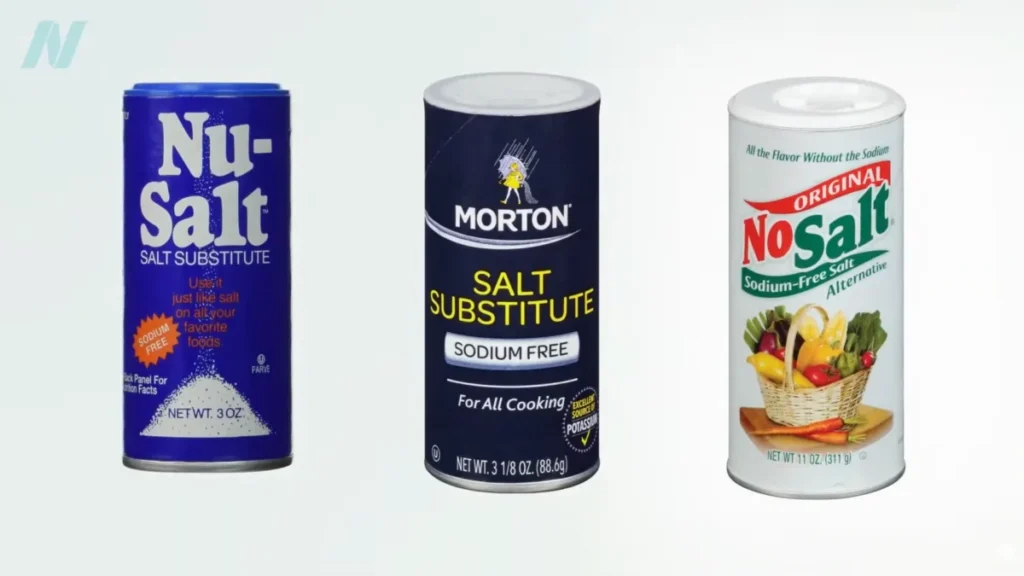
Amidst these challenges, researchers and health professionals are exploring various strategies, including the potential role of salt substitutes. These products, typically containing potassium chloride instead of sodium chloride, offer a promising avenue to reduce sodium intake while simultaneously boosting potassium levels. They aim to provide a similar salty taste without the adverse health effects of sodium.
The concept of swapping sodium chloride for potassium chloride seems almost too good to be true: maintain flavor, reduce risk, and increase a beneficial nutrient. However, questions regarding their widespread safety and effectiveness, particularly for individuals with certain medical conditions, warrant careful consideration. Future research and public health guidance will be crucial in determining the appropriate role of these substitutes in a broader dietary strategy. This ongoing exploration forms part of a larger discussion on how to pragmatically address a deeply entrenched dietary crisis.
Implications: Charting a Course for Healthier Futures
The profound sodium-potassium imbalance carries far-reaching implications, affecting individual well-being, healthcare systems, and the overall societal fabric. Addressing this crisis requires a multi-pronged approach that empowers individuals, informs policy, and fosters systemic change.
Individual Health and Empowerment
For individuals, the implications are direct and personal: adopting healthier dietary patterns can significantly reduce the risk of chronic diseases and enhance overall quality of life. The core message is clear: prioritize whole, unprocessed plant foods.
- Focus on Whole Foods: The most effective strategy is to build meals around fruits, vegetables, whole grains, legumes, nuts, and seeds. These foods are naturally low in sodium and rich in potassium. Cooking at home provides greater control over ingredients and allows for conscious reduction of added salt.
- Become a Label Reader: For packaged foods, scrutinizing nutrition labels for sodium content is essential. Opt for "low sodium" or "no added salt" versions whenever possible.
- Understand Sodium Sources: Recognize that most dietary sodium comes from processed foods, not the salt shaker. Reducing intake of processed meats, ready meals, canned soups, and fast food is paramount.
- Embrace Potassium-Rich Foods: Actively seek out foods high in potassium, such as bananas, spinach, potatoes, sweet potatoes, beans, and lentils, to help counteract sodium and support blood pressure regulation.
- Consider Salt Substitutes (with caution): While further information on their safety and efficacy is forthcoming, potassium-based salt substitutes could be a tool for some individuals, particularly those struggling to reduce sodium without sacrificing taste. However, they should not replace the fundamental strategy of a whole-food, plant-rich diet.
Societal and Economic Burden
The collective impact of this dietary crisis places an enormous burden on healthcare systems and national economies. Diet-related chronic diseases—heart disease, stroke, kidney disease, certain cancers—are among the costliest to treat, draining billions of dollars annually in direct medical expenses and lost productivity. Beyond financial costs, there is the immeasurable toll on human lives, quality of life, and the emotional burden on families. Investing in public health initiatives aimed at dietary improvement is not just a health imperative but an economic necessity.
Future Outlook and Policy Recommendations
Addressing this pervasive dietary imbalance requires concerted effort from governments, the food industry, healthcare providers, and individuals.
- Strengthened Public Health Campaigns: Sustained, clear, and actionable public health campaigns are needed to educate the public about the dangers of high sodium and the benefits of potassium. These campaigns should highlight practical ways to make healthier food choices.
- Food Industry Reformulation: Policymakers must continue to push for mandatory targets for sodium reduction in processed and restaurant foods. Incentives for manufacturers to reformulate products with lower sodium and higher beneficial nutrients could also be explored.
- Improved Food Labeling: Clearer, more prominent food labeling that highlights sodium and potassium content, potentially with front-of-pack warning labels as advocated by health organizations, could empower consumers to make informed choices.
- Promoting Access to Healthy Foods: Ensuring equitable access to affordable, fresh, and nutritious whole foods in all communities is crucial. This includes supporting local agriculture, farmers’ markets, and healthy food initiatives in underserved areas.
- Healthcare Provider Education: Equipping healthcare professionals with the knowledge and tools to provide effective dietary counseling to patients regarding sodium and potassium intake is vital.
In conclusion, the widespread failure to balance sodium and potassium intake represents one of the most pressing public health challenges of our time. It’s a testament to how far modern diets have strayed from our evolutionary blueprint. The path forward requires a conscious return to whole, unprocessed foods, backed by robust public health policies and a collective commitment to nurturing health from the ground up. The health and vitality of future generations depend on the choices we make today to rectify this silent epidemic.