The New Frontier of Bourbon: How Kentucky’s Distilleries Are Reinventing the Spirit
By Kara Newman
September 22, 2026
Kentucky remains the undisputed spiritual home of American whiskey. For millions of enthusiasts, it is a place of pilgrimage—a landscape defined by rolling bluegrass, charred oak, and the intoxicating, amber-hued legacy of bourbon. Yet, beneath the surface of this storied tradition, the industry is undergoing a profound metamorphosis. While global bourbon sales have seen a slight cooling in recent years, the Kentucky Bourbon Trail—the literal and metaphorical backbone of the region’s tourism—is experiencing an unprecedented surge in engagement. With 2.7 million visitors traversing the route from Louisville to Lexington and the quiet, historic corners of Bardstown last year alone, the industry is proving that it is far more than a static monument to the past.
It is a living, breathing incubator for innovation. Today, Kentucky boasts over 100 licensed distilleries, responsible for supplying 95% of the world’s bourbon. As the market shifts, a new guard of producers and legacy brands are abandoning the status quo to define what the next century of American whiskey will look like.

A Chronology of Resilience: From Prohibition to Modernity
The history of Kentucky bourbon is written in cycles of destruction and rebirth. The narrative arc of the state’s distilling industry is not one of linear growth, but of radical adaptation.
- 1865: The founding of Ashland Distillery in Lexington, which would later become the site of today’s modern RD1 Spirits. It was the first licensed distillery in the city, setting a precedent for industrial development that would survive until the onset of Prohibition.
- 1920–1933: The era of Prohibition effectively decimated the local industry, shuttering most of Kentucky’s historic stills and creating a "lost generation" of production knowledge.
- 1996: A catastrophic fire ripped through the Old Heaven Hill Springs Distillery in Bardstown, destroying 90,000 barrels of aging whiskey. This forced the company into a decades-long exile in Louisville, operating out of the Bernheim Distillery.
- 2020–2024: A wave of post-pandemic revival saw new players like RD1 Spirits and Bespoken entering the market, bringing non-traditional, tech-forward, and research-based approaches to an industry historically tethered to the slow passage of time in the barrel.
- 2025–2026: The grand opening of the new $200 million Heaven Hill Springs facility and the Horse Soldier Farms campus marks a return to the roots of the state’s distilling identity, signaling that despite market fluctuations, investment in Kentucky remains at an all-time high.
The Science of Flavor: Redefining the Barrel
The traditional definition of bourbon mandates aging in new American oak. However, forward-looking distilleries are finding that "new oak" is not a limit, but a starting point. At RD1 Distillery in Lexington, Master Distiller Jarrad Gollihue is leading a charge into the "wood aspect" of whiskey.
"We focus on the wood aspect of bourbon," says Gollihue. "We’re known for amburana wood, but we’ve also used sandalwood, eucalyptus, teak, mulberry wood, sassafras wood, apple wood, and balsam." By using wood species native to South and Central America—specifically those traditionally used to shade coffee crops—RD1 is creating flavor profiles that depart entirely from the standard vanilla and caramel notes of traditional corn-based whiskey. Their experimental efforts, such as finishing bourbon in French oak staves steeped in maple syrup, mimic the sensory experience of a pancake breakfast, challenging the palate of the modern connoisseur.

In 2025, the opening of their R&D distillery, featuring a glass-enclosed lab and an 800-gallon pot still, underscores a shift toward empirical, data-driven distilling. This is complemented by an on-site "forest" where visitors can physically interact with the various woods used in the maturation process, turning a science lesson into an immersive, selfie-friendly tourist attraction.
Supporting Data: The Economic Impact of the Trail
The Kentucky Distillers’ Association (KDA) reports that the Bourbon Trail is no longer just a weekend excursion; it is a massive economic driver. The recent legislative move in 2022, which permitted distilleries to open satellite tasting rooms, has fundamentally changed the landscape. Distilleries are no longer required to be production sites to offer education, retail, and hospitality.
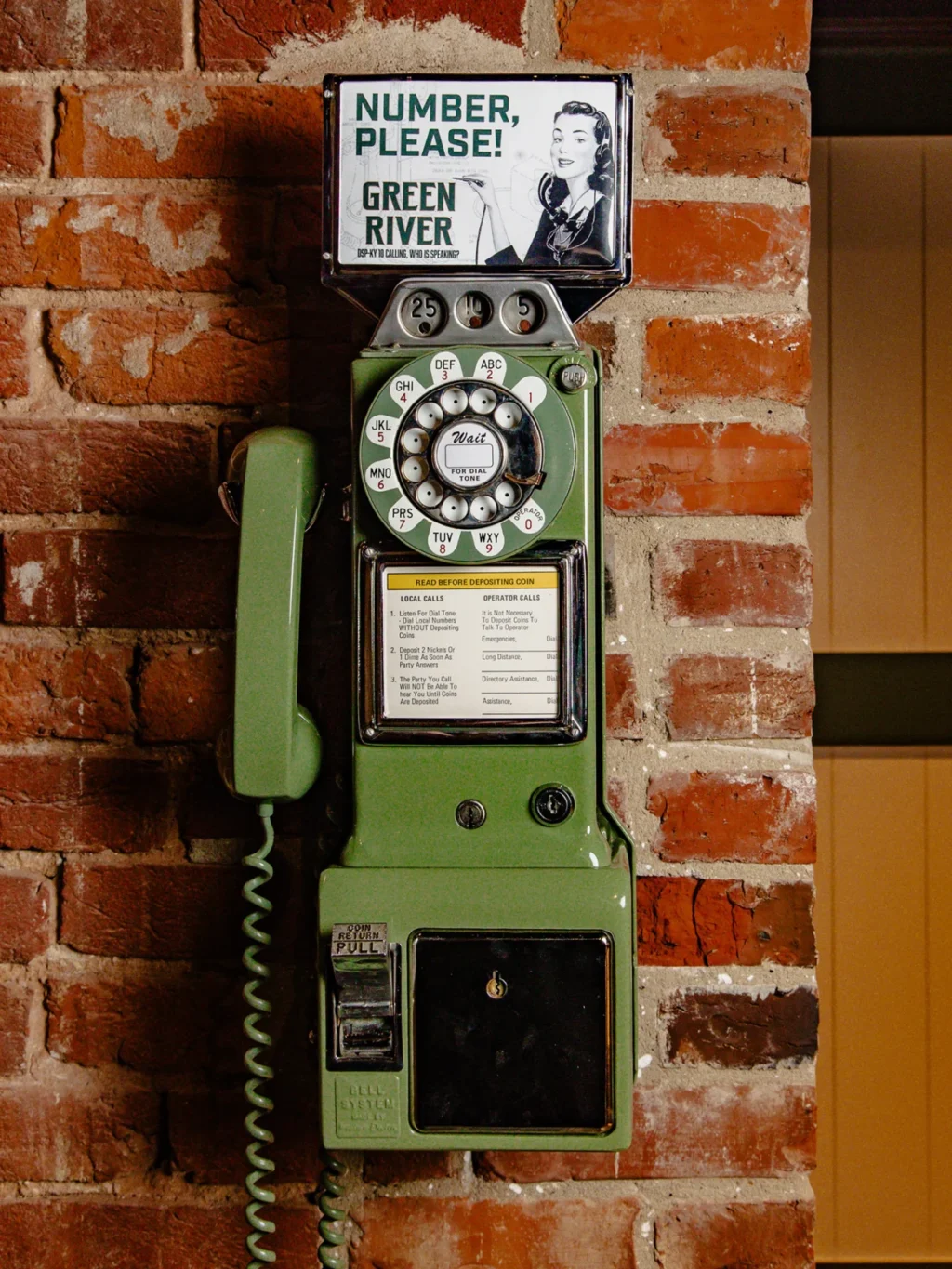
This has opened the door for out-of-state entities to bring new perspectives to the Louisville market. Vermont-based WhistlePig has leveraged this freedom to open The Vault, a tasting room in a repurposed historic bank building where whiskey is delivered via a high-speed pneumatic tube system. Meanwhile, the proliferation of specialized experiences—such as the whiskey-and-candy pairings at Green River or the "thief-to-glass" barrel sampling at Whiskey Thief—suggests that the industry has pivoted from selling a product to selling an immersive experience.

Official Responses and Industry Vision
The industry’s giants are also leaning into this era of "experience-first" distilling. Heaven Hill, a pillar of the Kentucky tradition, has completed a massive $200 million reconstruction of its Springs distillery in Bardstown. For Master Distiller Conor O’Driscoll, the move is as much about heritage as it is about future-proofing.
"Springs gives us a real distillery on the Bourbon Trail," O’Driscoll notes. "We haven’t had that." Regarding the market’s recent softening, he remains optimistic. "We’ve weathered all the horsemen of the apocalypse," he says, referencing the fires, floods, and Prohibition that once threatened to erase the brand. "It means that we are well set up for at least another 90 years."
On the other end of the spectrum is the narrative-driven approach of Horse Soldier Bourbon. Founded by a group of former Green Berets who served as the first coalition forces to enter Afghanistan post-9/11, the brand has invested $200 million into a 240-acre campus in Somerset. Their mission is to bridge the gap between American history and the act of gathering. "Bourbon brings people together," says co-founder Mark Nutsch. "It’s a distinctly American product." By incorporating horseback riding, event venues, and a wedding chapel, they are positioning their distillery as a destination for cultural reflection rather than just a tasting room.

Implications: The Rise of "Rapid Aging" and Boutique Collaboration
Perhaps the most controversial, yet fascinating, shift is the rise of technology-driven maturation. Bespoken, which moved its operations to Lexington in 2024, is at the heart of this debate. Housed in the converted Greyline Station bus terminal, the company employs "rapid aging" techniques—using laser stoves, precision heat, and pressure to achieve in days what traditionally takes years.
While purists may recoil, the company has found massive success through high-profile collaborations. From "victory bottles" celebrating college sports teams to limited editions honoring the 25th anniversary of films like The Best Man, Bespoken is proving that the modern consumer values exclusivity and celebrity alignment as much as, or perhaps more than, the traditional "years in the barrel" metric.
Conclusion: The Future is Amber
The state of Kentucky’s bourbon industry in late 2026 is one of paradoxical stability. While the traditional "slow-aged" bourbon remains the bedrock, the industry is increasingly defined by rapid innovation, environmental mindfulness, and a commitment to radical transparency in the tasting room.

Whether it is through the scientific wood-finishing experiments at RD1, the tech-forward, celebrity-driven collabs at Bespoken, or the monumental infrastructure investments by historic giants like Heaven Hill, the message is clear: Bourbon is evolving. By embracing both the weight of its history and the potential of the future, Kentucky is ensuring that its most famous export remains as vital and vibrant as the blue-grass fields that surround its distilleries. The next generation of whiskey drinkers will not just be looking for a pour; they will be looking for a story, a process, and an experience—all of which, the Kentucky Bourbon Trail is now fully equipped to provide.