Geometry in the Garden: Inside the Biodiversity Haven of Lynn O’Shaughnessy’s Circle Garden
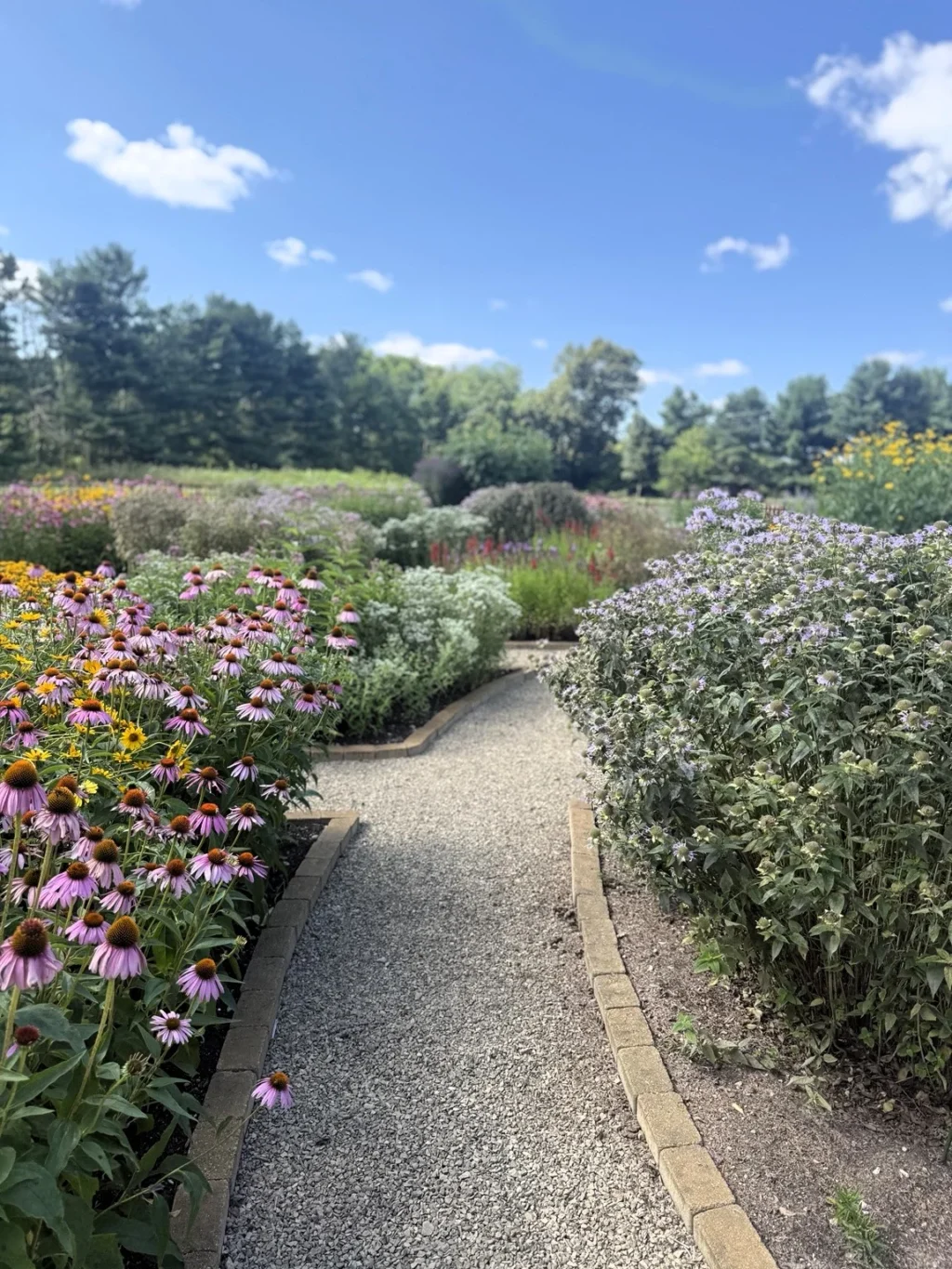
In the quiet corners of Howell, Michigan, a 100-foot-wide expanse of earth has been transformed into a living, breathing testament to the power of intentional design and ecological restoration. Lynn O’Shaughnessy’s “Circle Garden” is more than a horticultural project; it is a meticulously planned sanctuary that bridges the gap between structured aesthetic beauty and the wild, chaotic necessity of a native habitat. For garden enthusiasts, the site has become a beacon of inspiration, proving that one does not need a massive estate to foster a thriving, biodiverse ecosystem.
Main Facts: The Architecture of Ecology
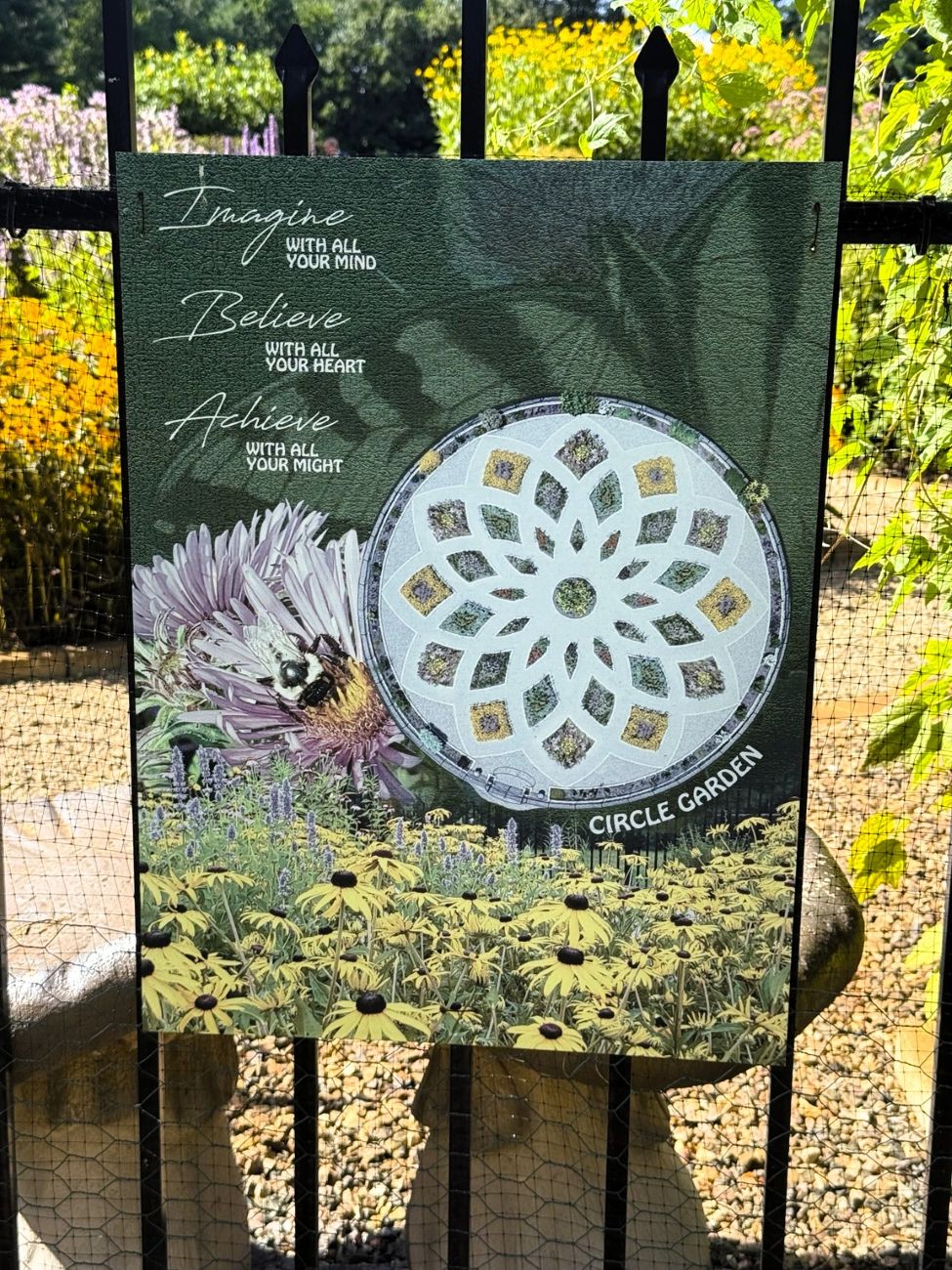
At the heart of the Circle Garden lies a 12-point geometric pattern, a design philosophy that draws direct inspiration from the legendary lavender labyrinth at Cherry Point Farm in Shelby, Michigan. The garden, established in 2019, utilizes this rigid, mathematical structure to house a diverse array of Michigan-native flora.
Unlike traditional ornamental landscapes that rely on non-native cultivars and heavy synthetic inputs, the Circle Garden is a curated selection of indigenous species. By organizing these plants within a symmetrical, radial framework, O’Shaughnessy has created a space where the "orderly" human mind meets the "wild" requirements of local pollinators. The garden serves as a functioning node in the Homegrown National Park initiative, a nationwide movement dedicated to restoring biodiversity on private land, effectively turning residential lawns into essential wildlife corridors.
A Chronological Evolution: From Concept to Canopy
The genesis of the Circle Garden dates back to the summer of 2019, when O’Shaughnessy, struck by an aerial photograph of the Cherry Point lavender labyrinth, began drafting plans to scale that geometric complexity to her own property.
- 2019 (Planning Phase): O’Shaughnessy researched native species capable of thriving in the specific soil and climate conditions of Howell, Michigan. The primary goal was to ensure that the 12-point design would not only look aesthetic from an aerial perspective but would also function as a layered habitat.
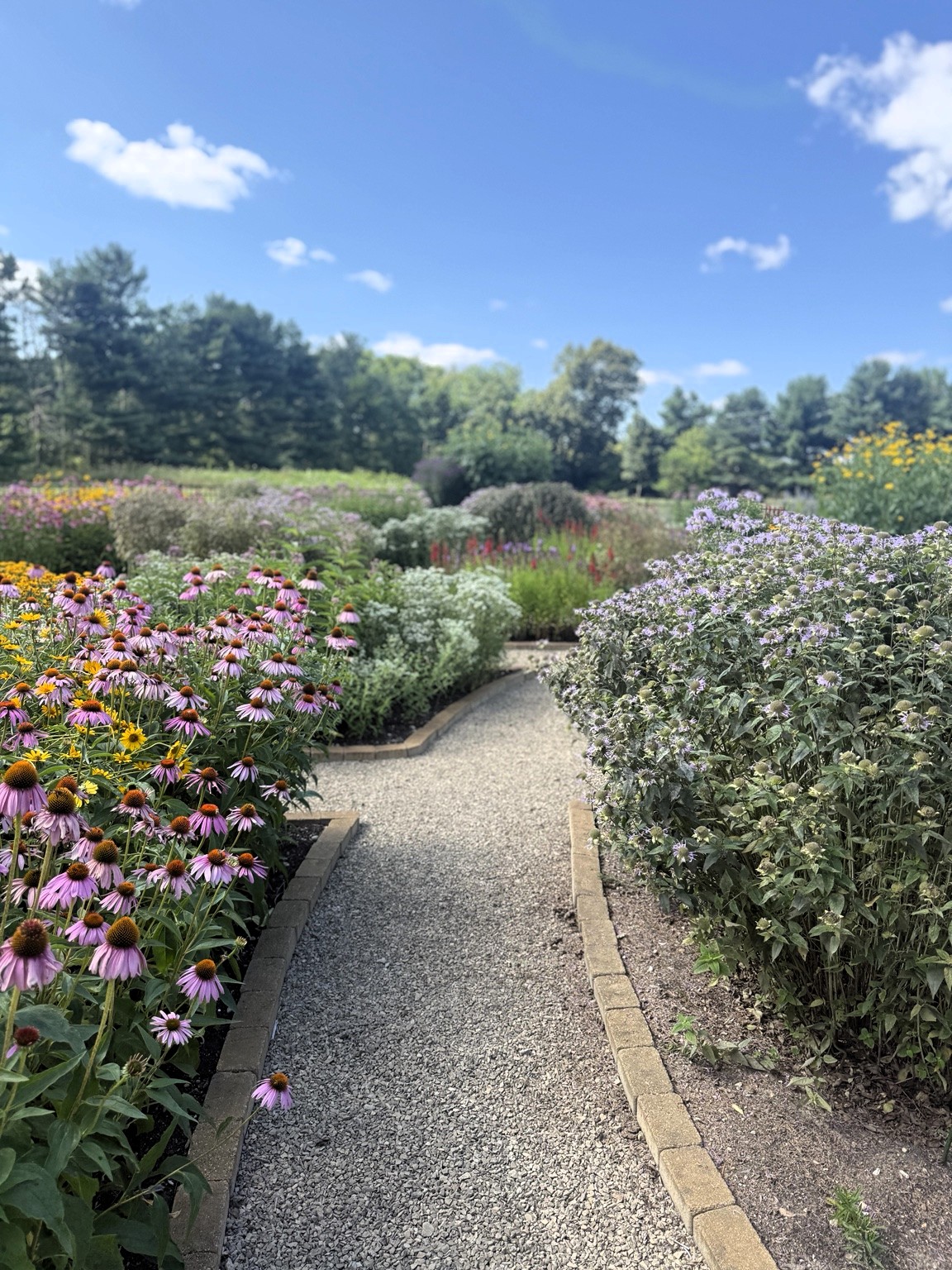
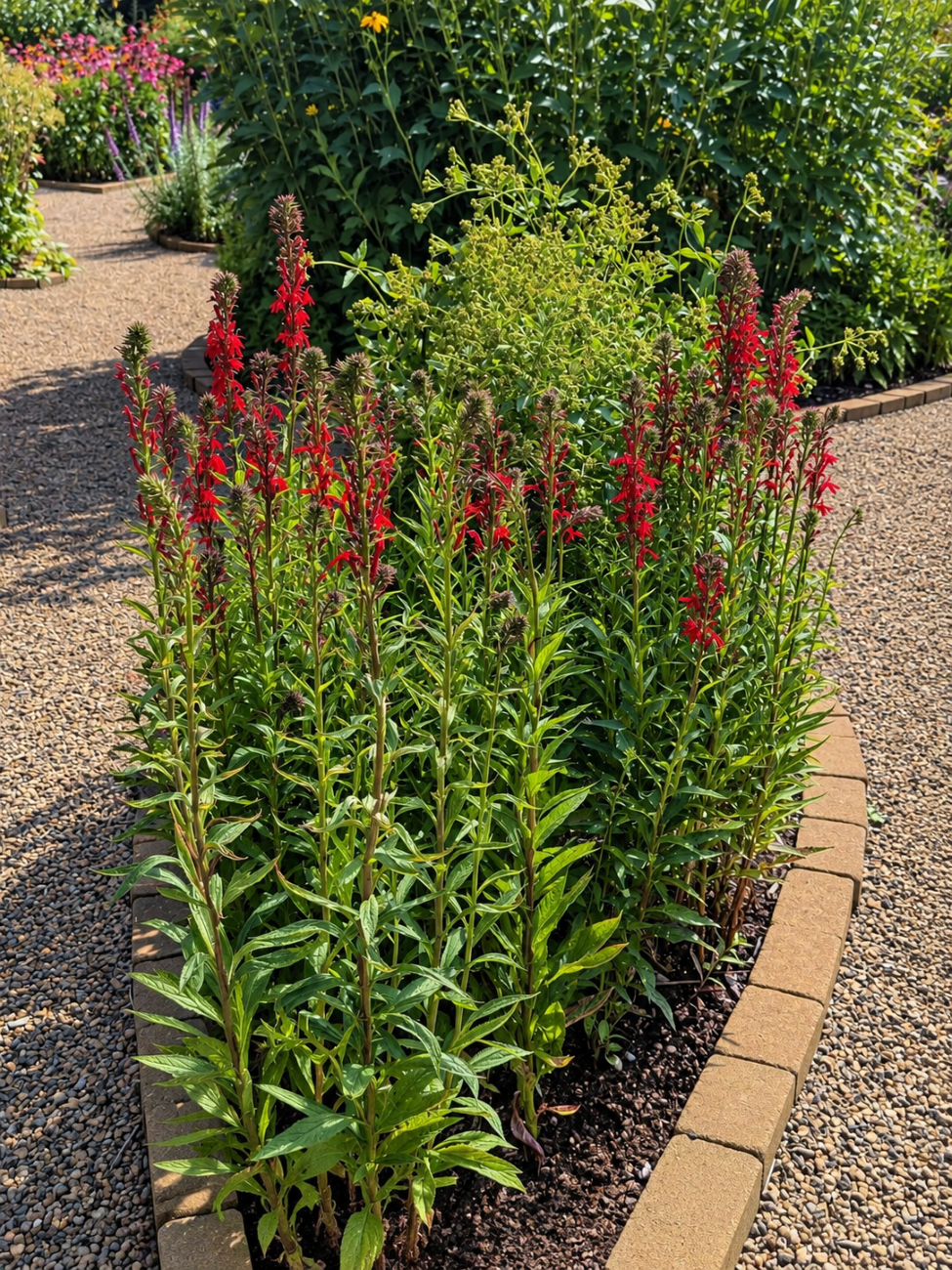
- 2020–2021 (Implementation): The initial infrastructure—gravel pathways and brick edging—was installed. These materials were chosen specifically for their earthy, neutral tones, which allow the vibrant hues of the native perennials to remain the focal point. During this period, the majority of the plant material was started from seed, a process that allowed O’Shaughnessy to maintain high genetic diversity and ensure the plants were well-adapted to the local environment.
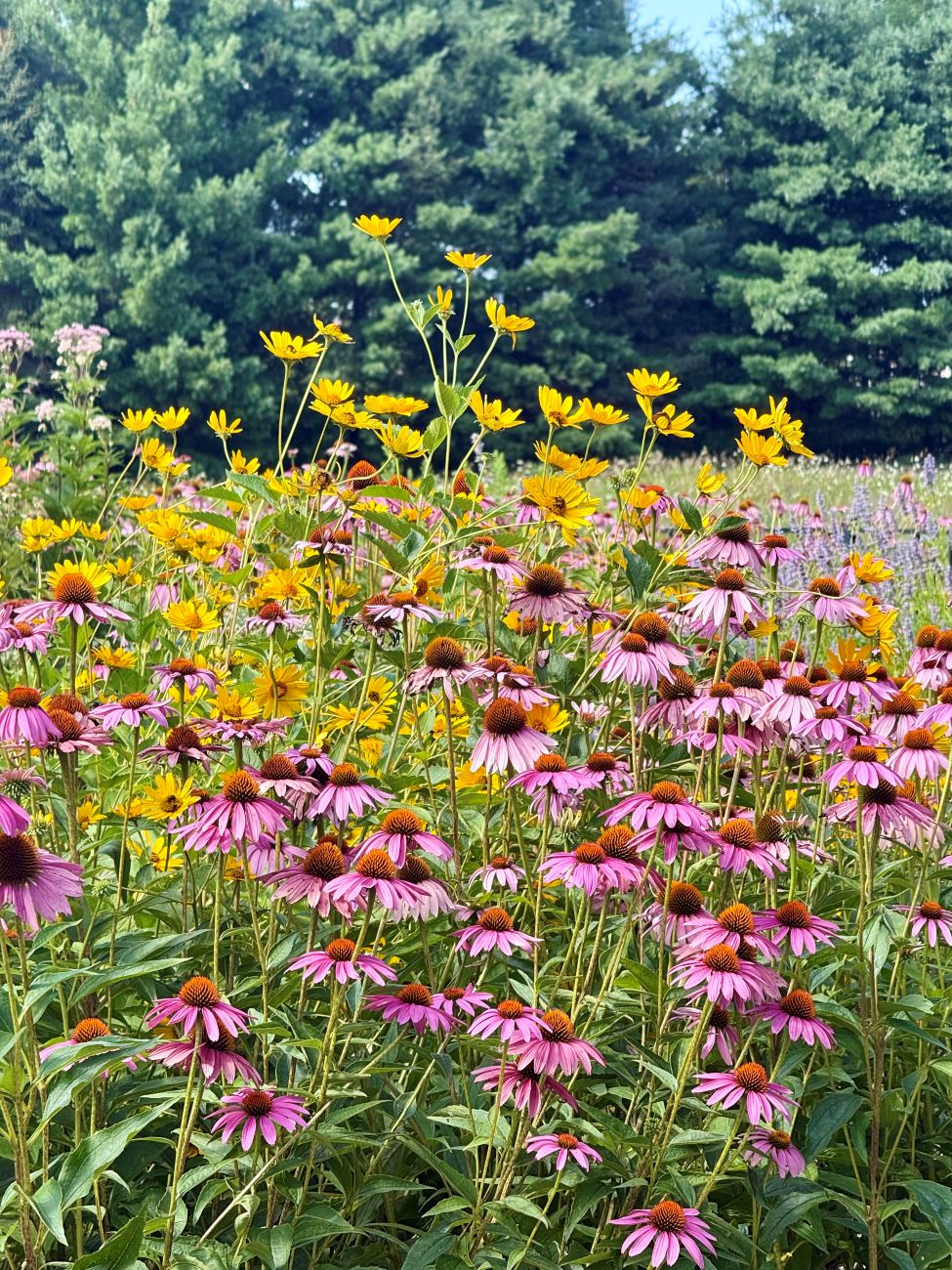
- 2022–2024 (Maturation): The garden moved from a collection of young starts to a self-sustaining community. The perennials began to fill in the gaps of the geometric design, with taller species like Joe-Pye weed and giant coneflower providing vertical structure.
- 2025–Present (Monitoring and Expansion): The garden is now a mature habitat, documented as a hotspot for local entomologists and hobbyist naturalists alike. O’Shaughnessy’s ongoing work involves observing and recording the complex relationships between the flora and the 26+ species of pollinators that call the garden home.
Supporting Data: Why Native Plants Matter
The efficacy of the Circle Garden is not merely anecdotal; it is backed by the biological success of the species selected. O’Shaughnessy’s reliance on keystone species—plants that provide essential resources for a wide variety of wildlife—is the secret to the garden’s vitality.
The Pollinator Powerhouses
The garden’s success is anchored by several specific botanical choices:
- Clustered Mountain Mint (Pycnanthemum muticum): A magnet for beneficial insects. O’Shaughnessy’s observations suggest that this plant alone supports a staggering variety of bees, wasps, and predatory flies, making it a critical component of her integrated pest management.
- Spotted Joe-Pye Weed (Eutrochium maculatum): These towering stalks provide both nectar for adult butterflies and shelter for larvae, serving as a pillar of the late-summer garden.
- Northern Blazing Star (Liatris scariosa var. novae-angliae): A verified butterfly magnet. O’Shaughnessy’s field notes document up to 11 Monarch butterflies feeding simultaneously on a single stand, highlighting the critical role this plant plays in the migration route of these pollinators.
The use of Rudbeckia hirta (black-eyed Susans) combined with Agastache foeniculum (anise hyssop) serves as a visual and biological anchor, providing a high-protein nectar source that remains active through the late summer, ensuring that pollinators have fuel as they prepare for the transition into fall.
Official Perspectives: The Movement Toward "Homegrown"
The inclusion of the Circle Garden in the Homegrown National Park (HNP) database is a significant indicator of the current shift in landscape architecture. HNP, a project spearheaded by ecologist Doug Tallamy, advocates for the creation of "biodiversity islands" to counter the fragmentation of natural habitats.
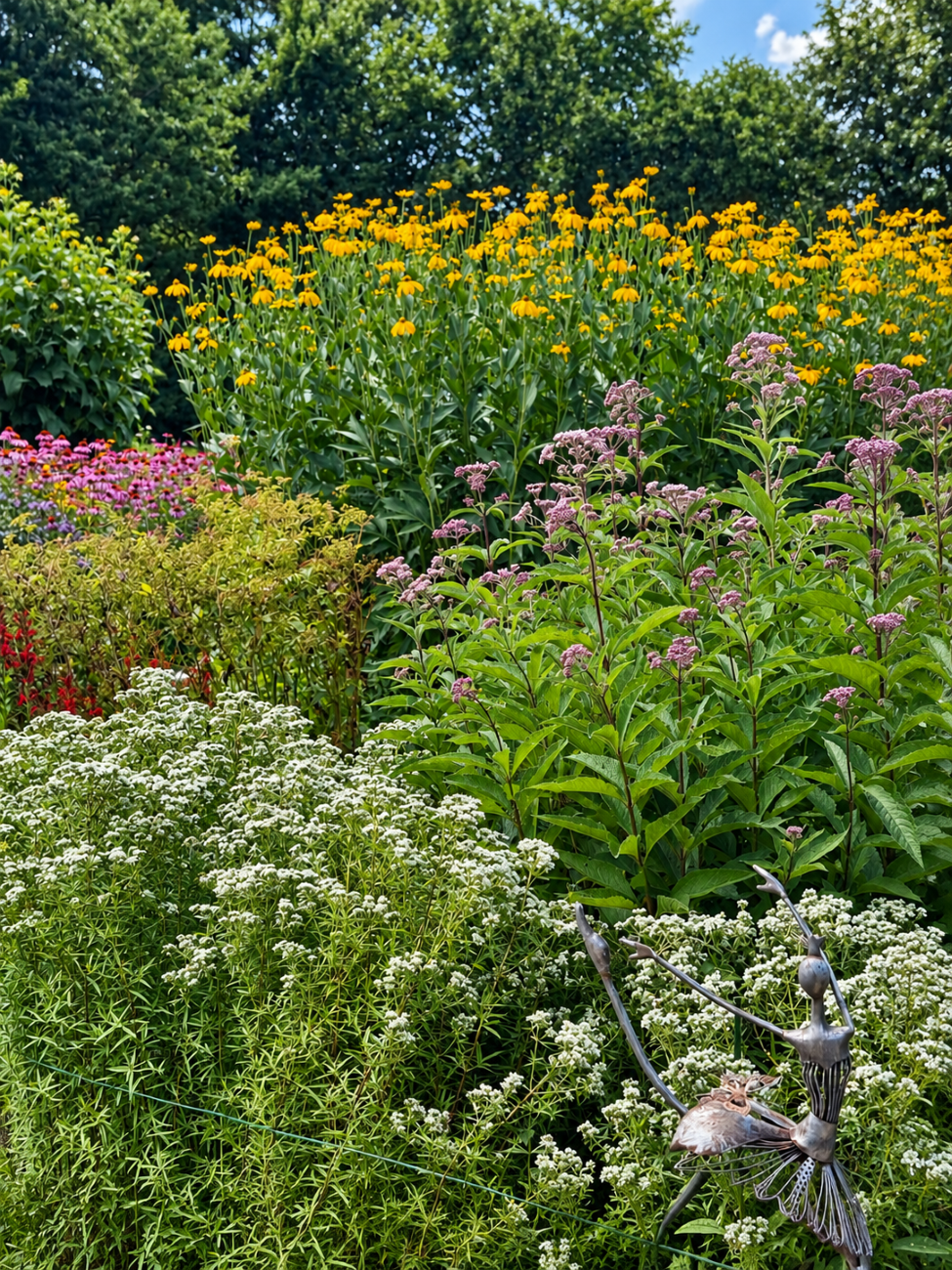
By registering the garden, O’Shaughnessy is contributing to a massive, crowd-sourced dataset that maps the progress of ecological restoration across the United States. This data is vital for scientists who study how localized, small-scale gardening efforts can aggregate to support larger populations of endangered pollinators. The HNP perspective is clear: every garden matters. The Circle Garden serves as a high-visibility example of how to make that contribution both beautiful and scientifically rigorous.
Implications for the Future of Gardening
The success of the Circle Garden offers three key takeaways for the modern gardener:
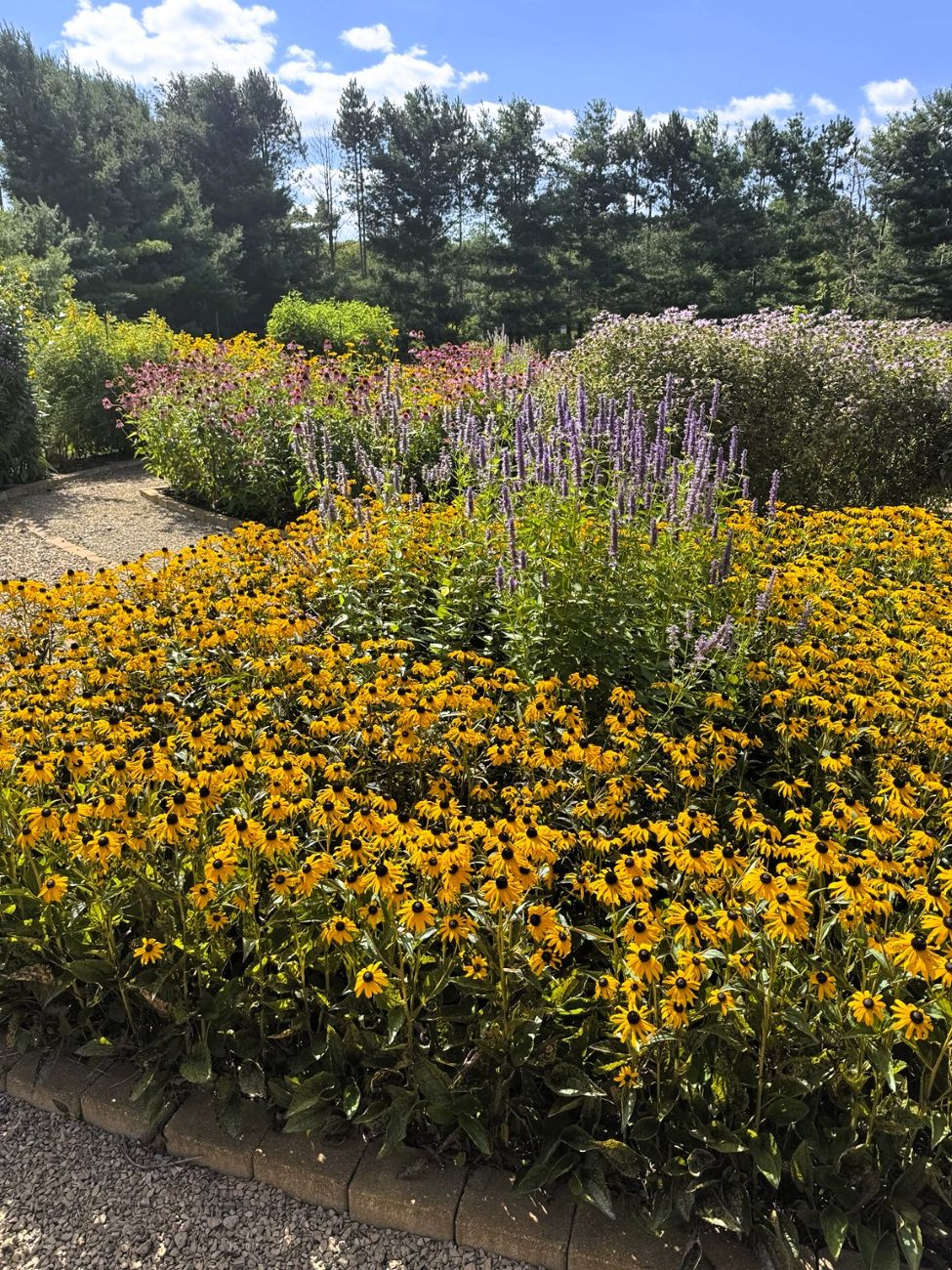
- Geometry as a Tool, Not a Constraint: By using a 12-point design, O’Shaughnessy has demonstrated that "wild" gardening does not need to look messy. A structured layout can provide the visual order that many homeowners crave while still offering the ecological depth that nature requires.
- The Seed-Starting Advantage: By growing the majority of her plants from seed, O’Shaughnessy has created a robust, resilient garden that is naturally acclimated to the local microclimate of Michigan. This practice reduces the need for supplemental water and fertilizers, creating a low-maintenance, high-reward system.
- Redefining the "Peak" Season: The garden is designed to be a continuous cycle of bloom and seed-set. From the early-season activity of the cardinal flower (Lobelia cardinalis) to the late-season structural interest provided by the swamp rose mallow (Hibiscus moscheutos), the garden is designed for year-round ecological functionality.
A Call to Action
As the gardening community looks toward the next season, the Circle Garden serves as an invitation to move beyond the traditional monoculture lawn. Whether it is through the installation of a native plant archway, the integration of bird-friendly water features, or simply dedicating a patch of ground to native wildflowers, every gardener has the potential to contribute to the national landscape.
The Garden Photo of the Day (GPOD) initiative continues to seek submissions from gardeners everywhere—not just those with award-winning landscapes, but those who are documenting the small, messy, and beautiful process of growing in harmony with nature. From garden "fails" that provided unexpected learning opportunities to triumphs of native design, sharing these stories is what keeps the horticultural community connected and informed.
Final Reflections: The Human Connection
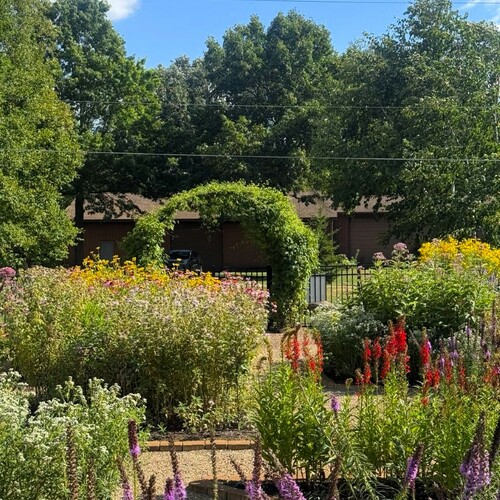
Walking through the Circle Garden, one is struck by the deliberate nature of every decision—from the muted, earthy tone of the gravel paths that mimic the forest floor to the strategic placement of the Clematis virginiana over the entrance arch. It is a space designed for reflection as much as for pollination.
As O’Shaughnessy’s garden continues to grow and evolve, it leaves us with a profound lesson: gardening is a dialogue with the land. When we listen to the requirements of the local ecosystem and combine them with our own creative vision, we don’t just grow plants—we cultivate a future.
For those interested in building their own sanctuary, resources such as "The Crevice Garden: How to Make the Perfect Home for Plants from Rocky Places" or "Pruning Simplified" offer technical guidance, but the true wisdom lies in observation. To contribute your own story or to explore the vast gallery of community-submitted gardens, visit the official Garden Photo of the Day submission portal.