Beyond Blooms: Mastering the Art of Foliage-Forward Shade Containers
For many gardeners, the arrival of spring initiates a predictable hunt for the season’s most vibrant flowering annuals. We fill our hanging baskets and patio pots with petunias, geraniums, and impatiens, chasing a fleeting kaleidoscope of color. However, when the focus shifts to the shaded corners of our outdoor living spaces, relying solely on blooms can be a recipe for disappointment. Shade-loving flowers are often ephemeral, and many struggle to maintain their luster in low-light conditions.
The secret to a truly sophisticated, year-round container garden lies in the mastery of foliage. By prioritizing texture, form, and unexpected coloration, gardeners can create displays that remain visually arresting from the first thaw to the final frost—and, quite often, well into the winter months indoors.
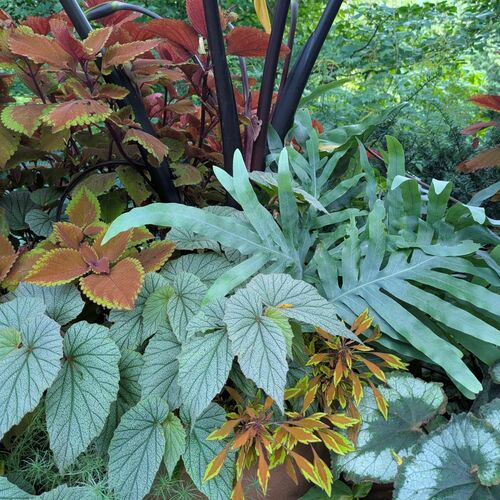
The Shift in Philosophy: Why Foliage Reigns Supreme
The traditional reliance on flowers often results in "faded" containers by mid-August. Foliage-forward design offers a structural longevity that blooms simply cannot match. When you select plants for their leaf shape, sheen, and architectural habit, you are designing a permanent installation rather than a seasonal distraction.
According to Erin Presley, a horticulturist at Olbrich Botanical Gardens in Madison, Wisconsin, the key to success is viewing the container as a sculptural element. "Shady containers don’t have to rely on flowers for interest," Presley notes. "Foliage plants can bring unexpected colors, textures, and growth habits to the mix, creating combinations that are anything but ordinary."
Four Powerhouse Plants for Shady Vistas
To elevate your shade gardening, consider these four selections. Each has been vetted for its performance in containers and its ability to transition seamlessly into an indoor environment, effectively extending your gardening season.
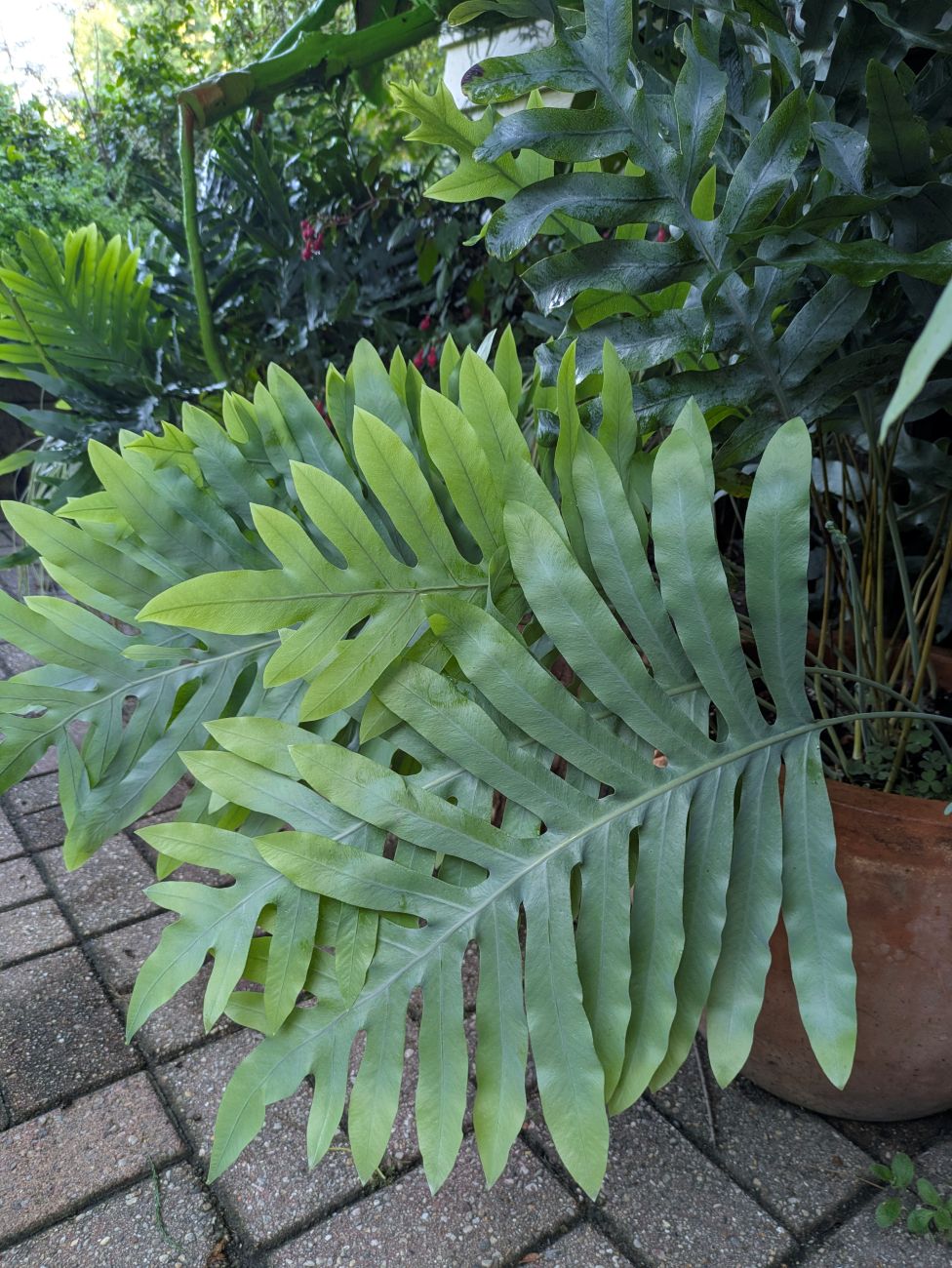
1. The Ethereal Blue Star Fern (Phlebodium aureum)
The Blue Star Fern is a revelation for the shade gardener. Its emergence is marked by a striking powder-blue interior, often framed by a faint, glowing lime-green margin. As the blades mature, they settle into a sophisticated, cool-toned steel blue.
- Architectural Appeal: Each blade reaches roughly two feet in length and a foot in width, supported by a thin, wiry stipe. This upright habit makes it an ideal "thriller" for a container, leaving ample room for smaller, trailing companions at its feet.
- Adaptability: Unlike many delicate ferns, the Blue Star is remarkably resilient. It maintains its striking coloration even in deep shade and boasts thick, fuzzy rhizomes—a trait shared with the popular Rabbit’s-foot fern—which provide both drought tolerance and ease of propagation through division.
- Hardiness: Zones 9–11.
2. The Charming Piggyback Plant (Tolmiea menziesii)
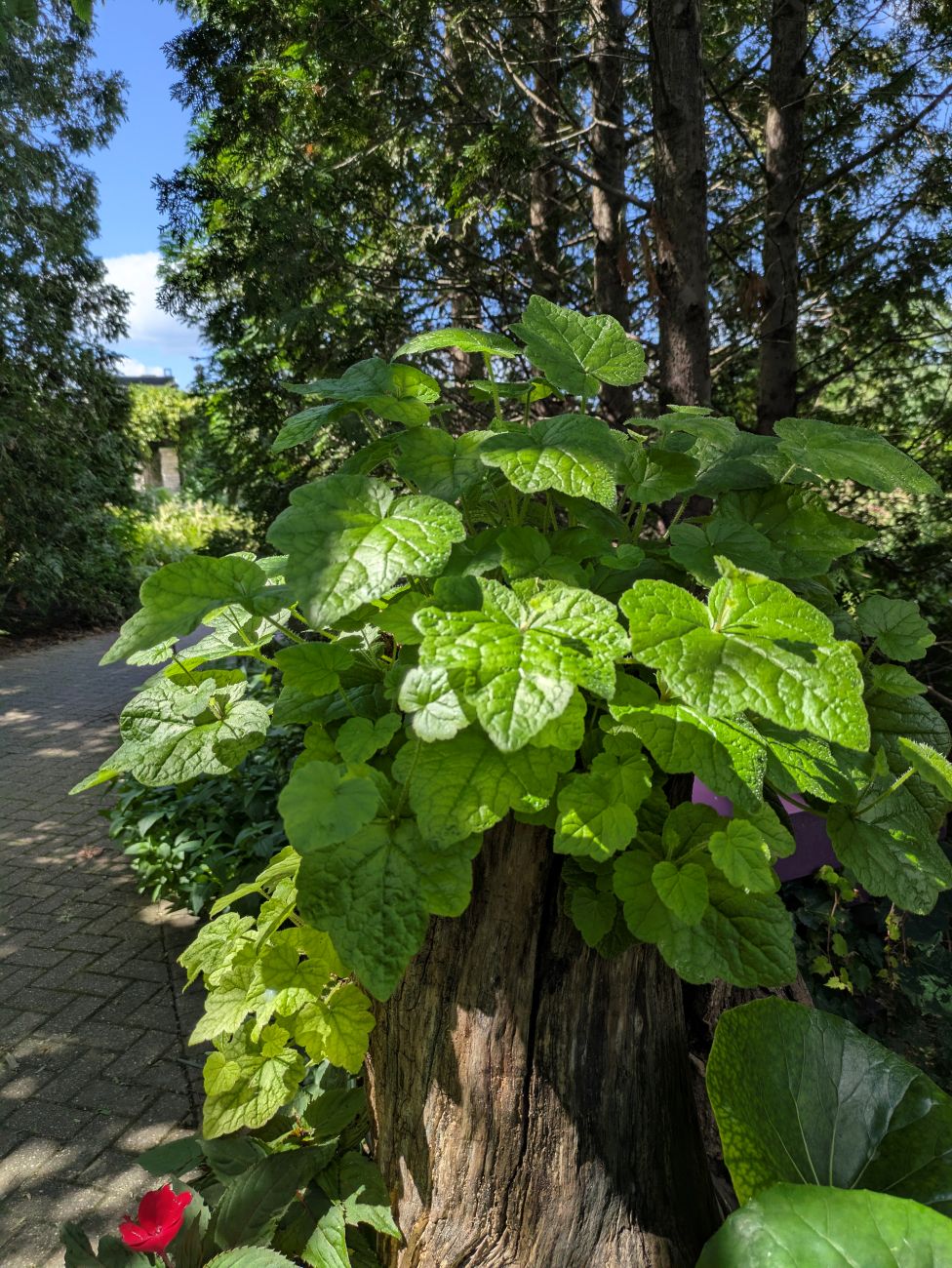
Native to the lush, damp forests of the Pacific Northwest, the Piggyback plant is a master of texture. Its foliage, which appears slightly rippled and covered in a fine, soft fuzz, bears a striking resemblance to the leaves of Heuchera (coral bells).
- The "Gift" Factor: This plant derives its name from its unique reproductive habit: small, baby "plantlets" form at the intersection of the leaf blade and the petiole. These can be plucked and rooted with ease, making it a sustainable choice for the budget-conscious gardener.
- Sensory Experience: Beyond its visual charm, the plant offers a tactile and olfactory bonus; when the leaves are handled, they emit a fresh, clean cucumber scent.
- Hardiness: Zones 6–9.
3. The Glossy Elegance of the Leopard Plant (Farfugium japonicum)
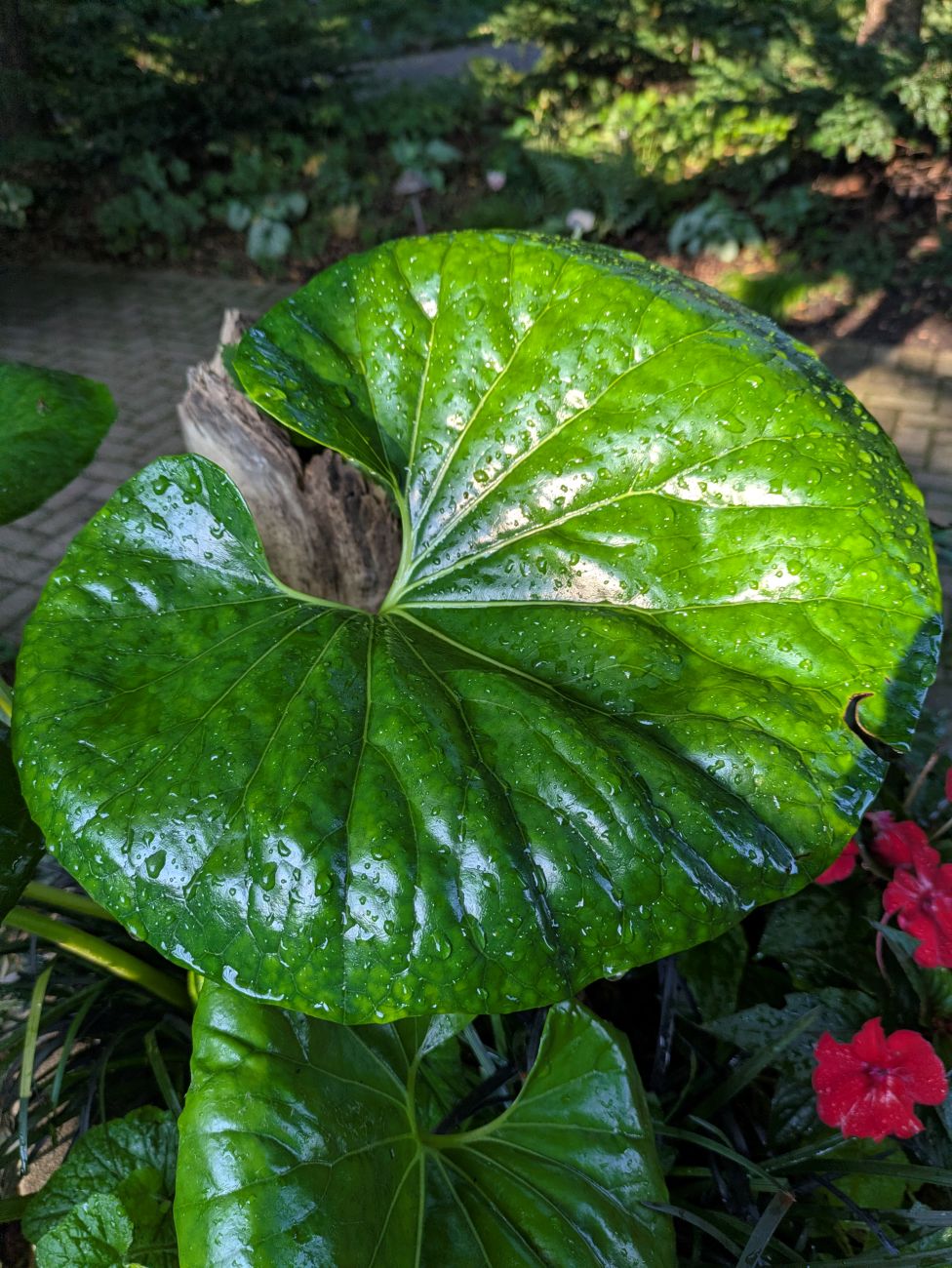
For those seeking a touch of drama, the Leopard plant is peerless. It is often described as having the "catwalk model" quality of the plant world: long, succulent petioles topped with dinner-plate-sized leaves that possess a high-gloss, almost lacquer-like finish.
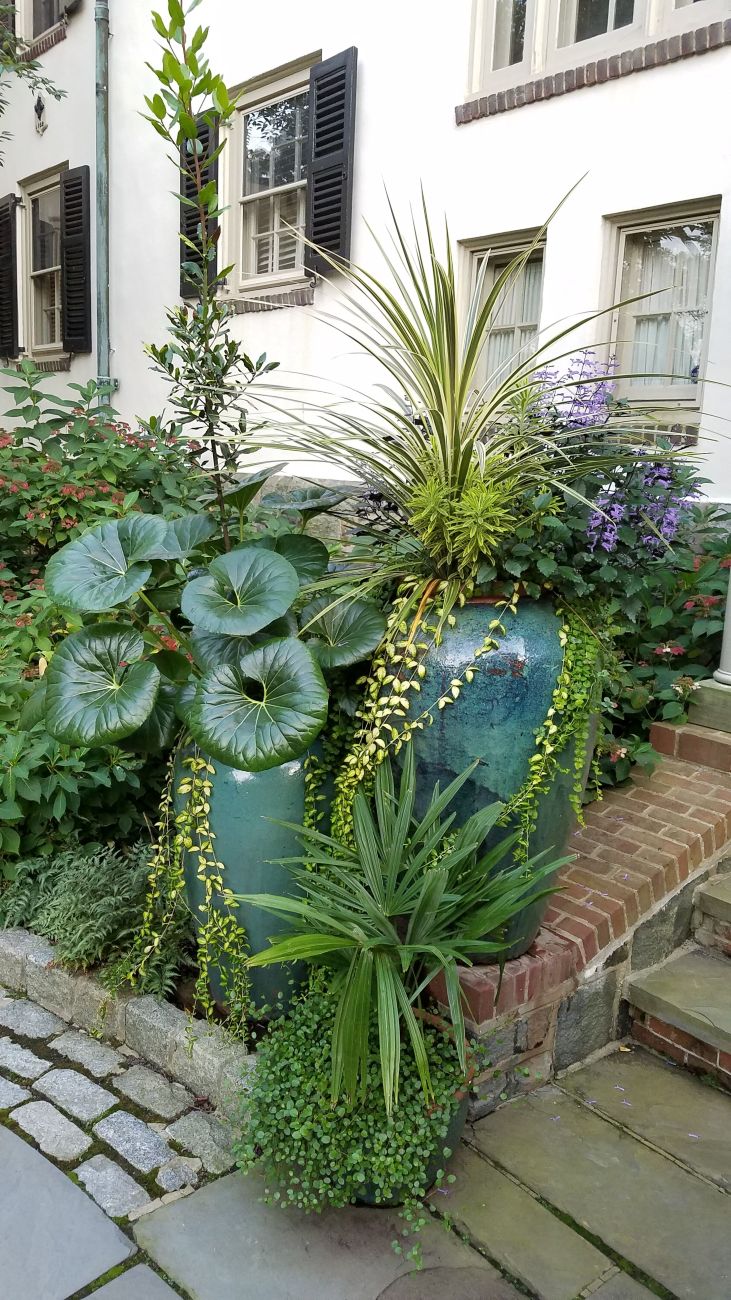
- Structural Impact: The reflective quality of the leaves adds a sense of light to darker, shaded areas, acting almost like a mirror for ambient light. Because of its bold, architectural shape, it is best paired with a simple "skirt" of delicate trailing plants, allowing the Leopard plant’s silhouette to remain the centerpiece.
- Cultural Needs: Like its relative, the Ligularia, the Leopard plant demands consistently moist soil. It is not reliably winter-hardy north of Zone 7, making it a prime candidate for container culture where it can be moved indoors or to a protected structure during the coldest months.
- Hardiness: Zones 7–10.
4. The Versatile ‘Sinbad’ Begonia
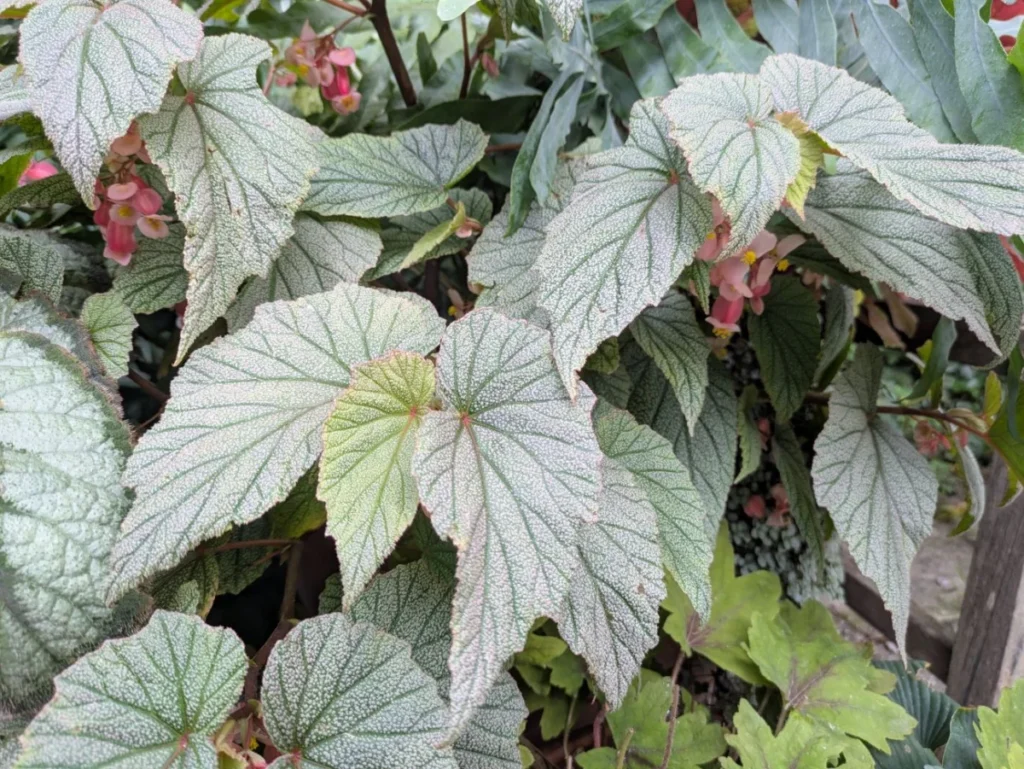
While many gardeners view begonias with skepticism—often citing issues with rot, leggy stems, or light sensitivity—the ‘Sinbad’ begonia is an exception to the rule. As a hybrid between a sturdy cane-type begonia and Begonia dipetala, it inherits the best of both worlds: structural integrity and spectacular foliage.
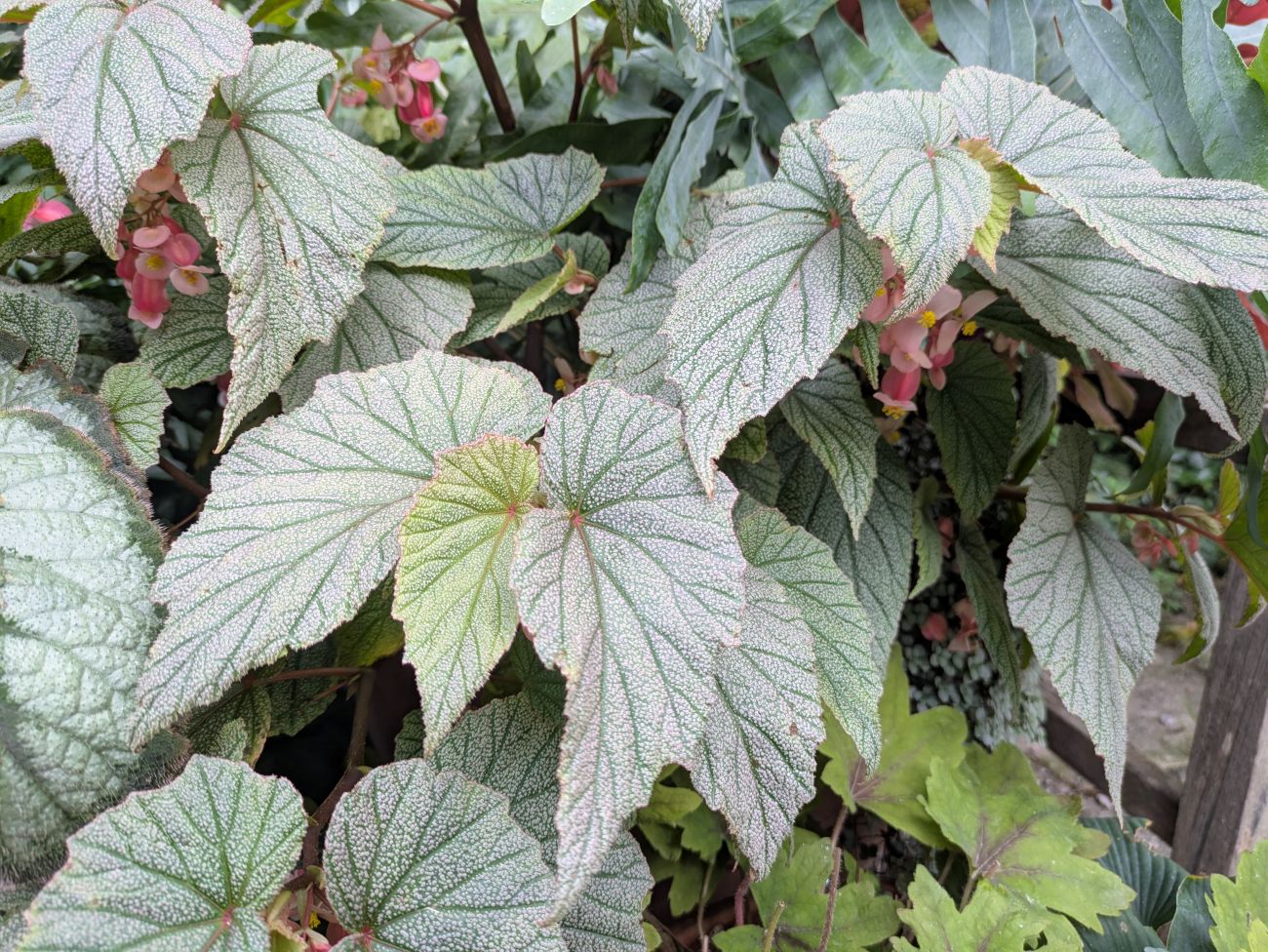
- A Tapestry of Color: The leaves are a masterpiece of subtle coloration, featuring silver speckles over a base of bronze, pink, and powder blue, all interconnected by dark, emerald-green veins. While it produces soft-pink flowers, the foliage is undeniably the star.
- Strategic Pairing: In practice, ‘Sinbad’ thrives when paired with contrasting textures. One highly recommended combination involves the silvery tones of the begonia and a Blue Star Fern, punctuated by the warm, earthy peach and rust hues of Heucherella ‘Sweet Tea’ and the vibrant ‘Campfire’ coleus.
- Hardiness: Zones 10–11.
Chronology of Care: Extending the Season
The beauty of these four selections is their indoor-outdoor fluidity. To maximize their potential, gardeners should adopt a seasonal management strategy:
- Spring/Summer (Outdoor Phase): Containers should be positioned in partial to deep shade. Focus on consistent moisture—especially for the Farfugium and Tolmiea—and apply a balanced, water-soluble fertilizer at half-strength once per month to fuel vegetative growth.
- Autumn (The Transition): As temperatures drop, these plants—particularly the Blue Star Fern and ‘Sinbad’—should be transitioned indoors before the first frost. Treat them as houseplants, placing them in bright, indirect light. Reduce watering frequency, as the lower light levels of the home environment will slow their metabolic rate.
- Winter (Maintenance): Keep an eye out for pests like aphids or scale, which can sometimes plague indoor ferns and begonias. Maintain humidity levels, as the dry air from indoor heating can be detrimental to the foliage of the Piggyback plant.
Supporting Data and Horticultural Insights
The shift toward foliage-centric gardening is backed by both aesthetic and practical data. According to the National Gardening Association, interest in "permanent" container design has increased by 15% over the last three years, as homeowners look for ways to reduce the cost of buying replacement flowers every six weeks.
Furthermore, the biological traits of these plants—specifically the rhizomatous root systems of the Phlebodium and the succulent stems of the Farfugium—allow for a higher tolerance of the "forgetful watering" that often plagues busy gardeners. By selecting plants that store water or have resilient root structures, the overall success rate of container gardening increases significantly compared to species that rely on delicate, fibrous root systems.
Official Responses and Expert Recommendations
Horticulturists at major botanical gardens, including the team at Olbrich, emphasize that the most common mistake in shade gardening is "under-planting." While many gardeners are tempted to leave space for plants to grow, a well-designed container should look lush from day one.
"Don’t be afraid to group these plants tightly," advises Presley. "The beauty of foliage is that the leaves can touch and overlap without looking ‘messy,’ unlike flowers which can look crowded or stunted if forced too close together."
For those interested in expanding their knowledge or seeking regional advice, the Fine Gardening community forums offer a wealth of localized expertise. Connecting with gardeners who share your specific climate zone is essential, as the nuances of humidity and night-time temperatures can drastically alter the performance of these four species.
Implications for the Future of Gardening
As climate patterns become more erratic and the cost of gardening supplies rises, the shift toward hardy, foliage-based, and multi-season containers is not merely a design trend; it is a sustainable evolution. By choosing plants that can live multiple lives—both as outdoor focal points and as indoor greenery—gardeners are reducing waste, saving money, and creating a more resilient personal landscape.
Whether you are looking to brighten a dark porch or add a sophisticated touch to an indoor sunroom, these four plants provide the structure, color, and texture needed to move beyond the bloom and embrace the permanent elegance of foliage.
For more information on container design and regional gardening tips, visit the Fine Gardening Discussion Forum to connect with experts.