Beyond Indulgence: Can We Mitigate the Damage of Unhealthy Meals with Strategic Food Choices?
The perennial dilemma for many health-conscious individuals is the desire to occasionally indulge without incurring long-term health penalties. A growing body of scientific research is delving into this very question: Can certain foods, when consumed alongside less healthy options, actually help mitigate the immediate adverse effects on our cardiovascular system? Recent studies shed light on the profound protective power of plant-based diets and specific whole plant foods, while also highlighting the limitations of such "damage control" strategies against truly detrimental meals.
Main Facts: Unveiling the Protective Power of Plants
The core of this inquiry rests on understanding how different foods impact our arteries, the crucial conduits for blood flow. Healthy arteries possess the remarkable ability to dilate and constrict, adjusting blood flow as needed—a function known as endothelial function. When this function is impaired, it’s a precursor to atherosclerosis, heart disease, and stroke.
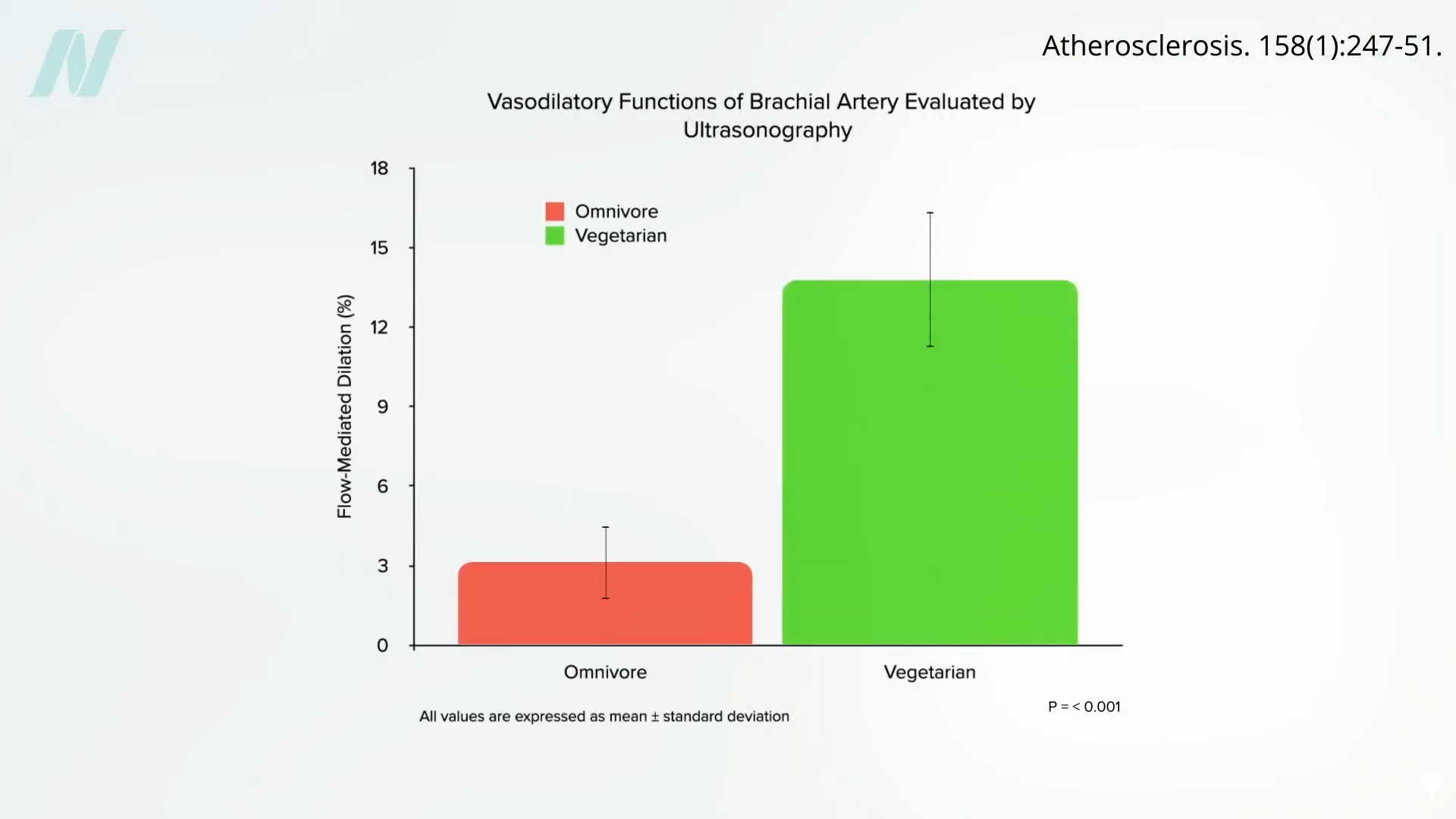
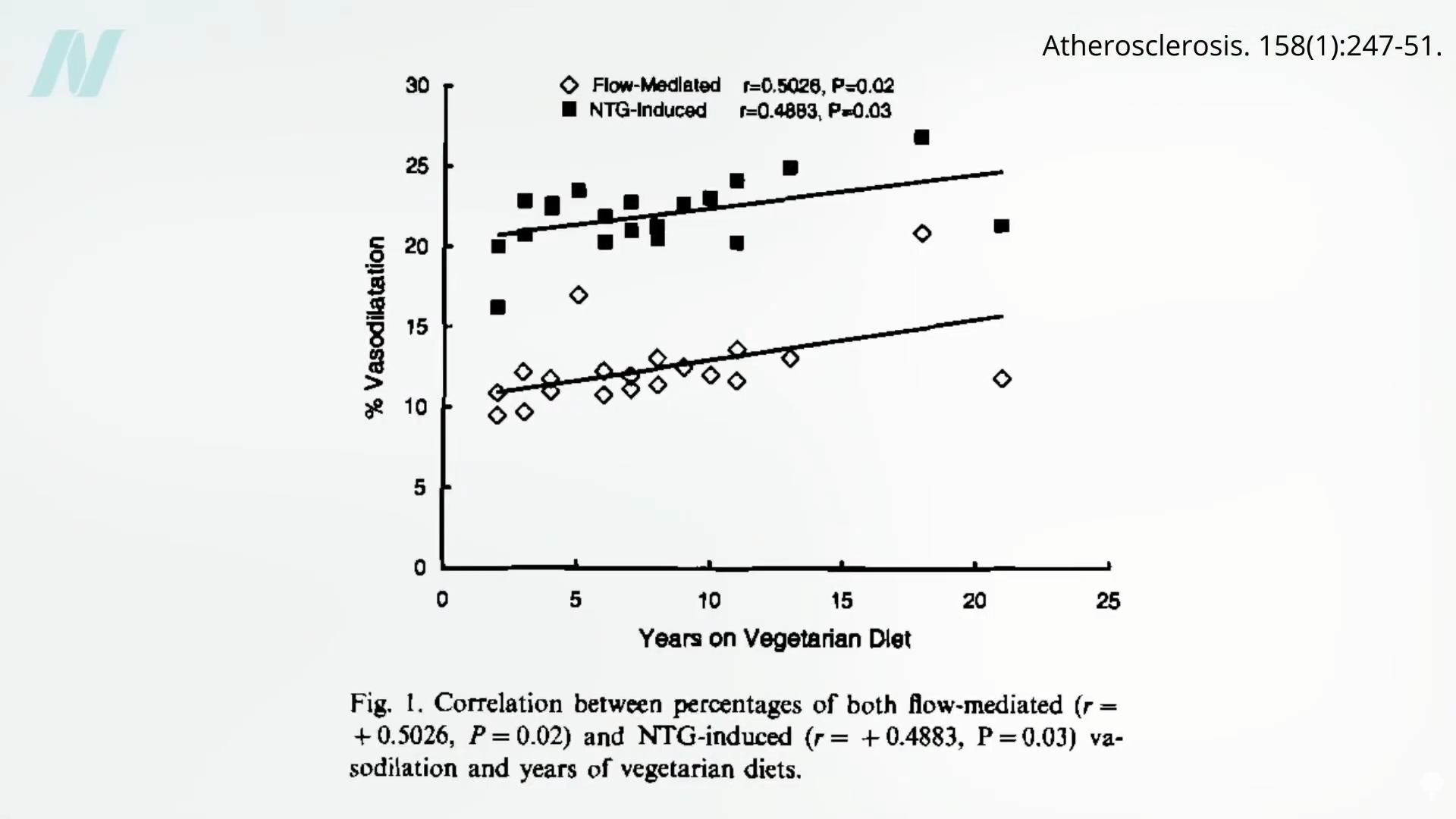
A pivotal comparison between vegetarians and meat-eaters reveals a stark difference: the arterial function of those adhering to a vegetarian diet is significantly superior, exhibiting a four-fold better ability to dilate. This striking advantage holds even when accounting for other lifestyle factors such as age, smoking habits, body mass index, and prevalence of conditions like diabetes, high cholesterol, and high blood pressure. Furthermore, the longer an individual maintains a meat-free diet, the better their arterial function becomes, suggesting a cumulative protective effect that not only maintains but potentially improves vascular health over time.
This compelling evidence points towards a direct beneficial effect of vegetarian diets on arterial function, offering a substantial explanation for the lower rates of atherosclerosis and cardiovascular mortality observed in these populations. The question then shifts from if diet matters to how specific dietary components, or their absence, exert such profound influence. Is it merely the removal of harmful elements found in meat, or is it the active contribution of beneficial compounds from whole plant foods?
Chronology: Tracing the Scientific Journey of Dietary Impact
The scientific exploration into diet and arterial health has evolved from broad dietary comparisons to granular investigations of specific food items and their immediate physiological effects.
Early Insights: Vegetarianism and Vascular Superiority
The foundational research establishing the significant arterial health advantage in vegetarians emerged from rigorous studies that meticulously controlled for confounding variables. Researchers carefully selected groups of healthy non-smokers, matching meat-eaters with vegetarians based on factors like slimness, comparable blood pressure, and nearly identical cholesterol levels. Despite these controls, the vegetarian cohort consistently outperformed their omnivorous counterparts, demonstrating superior artery function. The longer an individual adhered to a meat-free diet, the more pronounced this vascular health benefit became, suggesting an adaptive and progressively healthier arterial system. This initial finding strongly implied that diet, independent of other common risk factors, directly influences arterial well-being.
Dissecting the Damage: Animal Fat vs. Sugary Treats
Subsequent research began to dissect which components of an "unhealthy" meal might be most detrimental. A comparison between two common fast-food scenarios provided crucial clues: one meal consisting of an Egg McMuffin, Sausage McMuffin, and hash brown patties, and another featuring Frosted Flakes. The fatty fast-food meal was found to impair artery function within hours of consumption, while the sugary cereal meal did not. This suggested that the primary culprit in acute arterial dysfunction might not be sugar or even fat in general, but rather animal fat. This hypothesis was further strengthened by observations that high-fat whole plant foods, such as nuts, did not induce the same negative effects on arterial function.
The Rise of Nuts as Vascular Protectors
Focus then shifted to specific plant foods. A systematic review of randomized controlled trials examining nut consumption and artery function revealed a consistent pattern: regular nut intake leads to significant improvements in vascular health over time. However, not all nuts are created equal. When tested against the artery-crippling effects of a salami sandwich, walnuts demonstrated a remarkable ability to counteract the damage, while almonds did not. This indicated a nuanced difference in their protective capabilities, positioning walnuts as the "blueberries of nuts" due to their potent vascular benefits.
Berries: A Potent Shield Against Dietary Stress
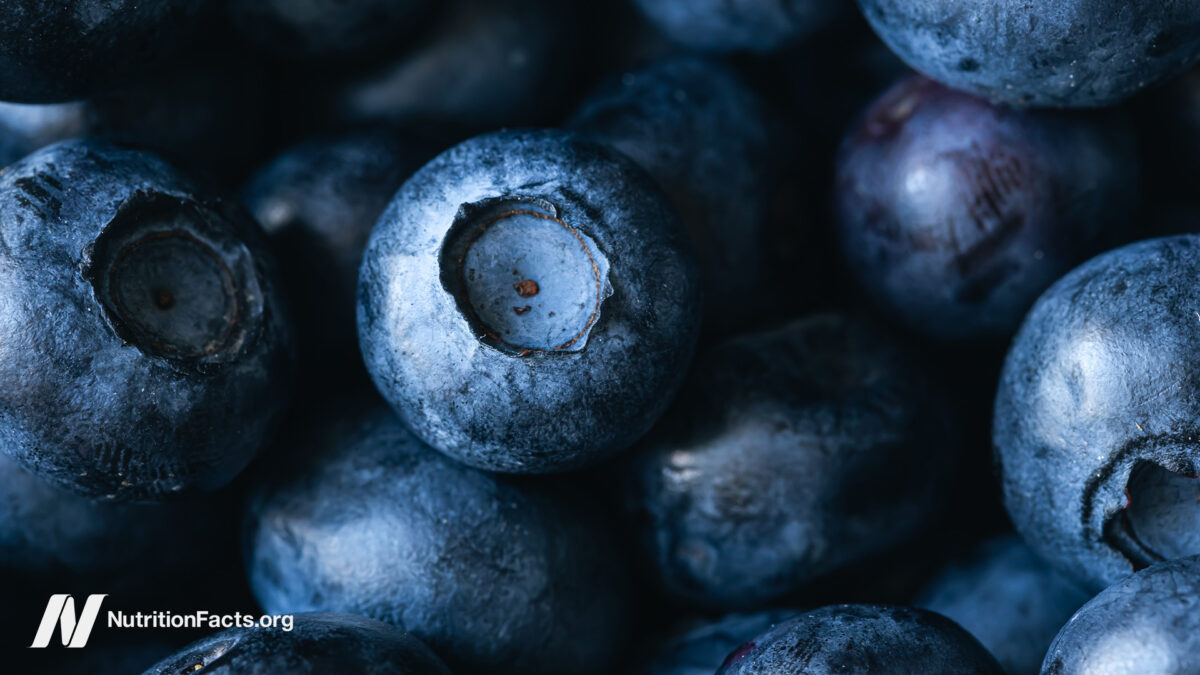
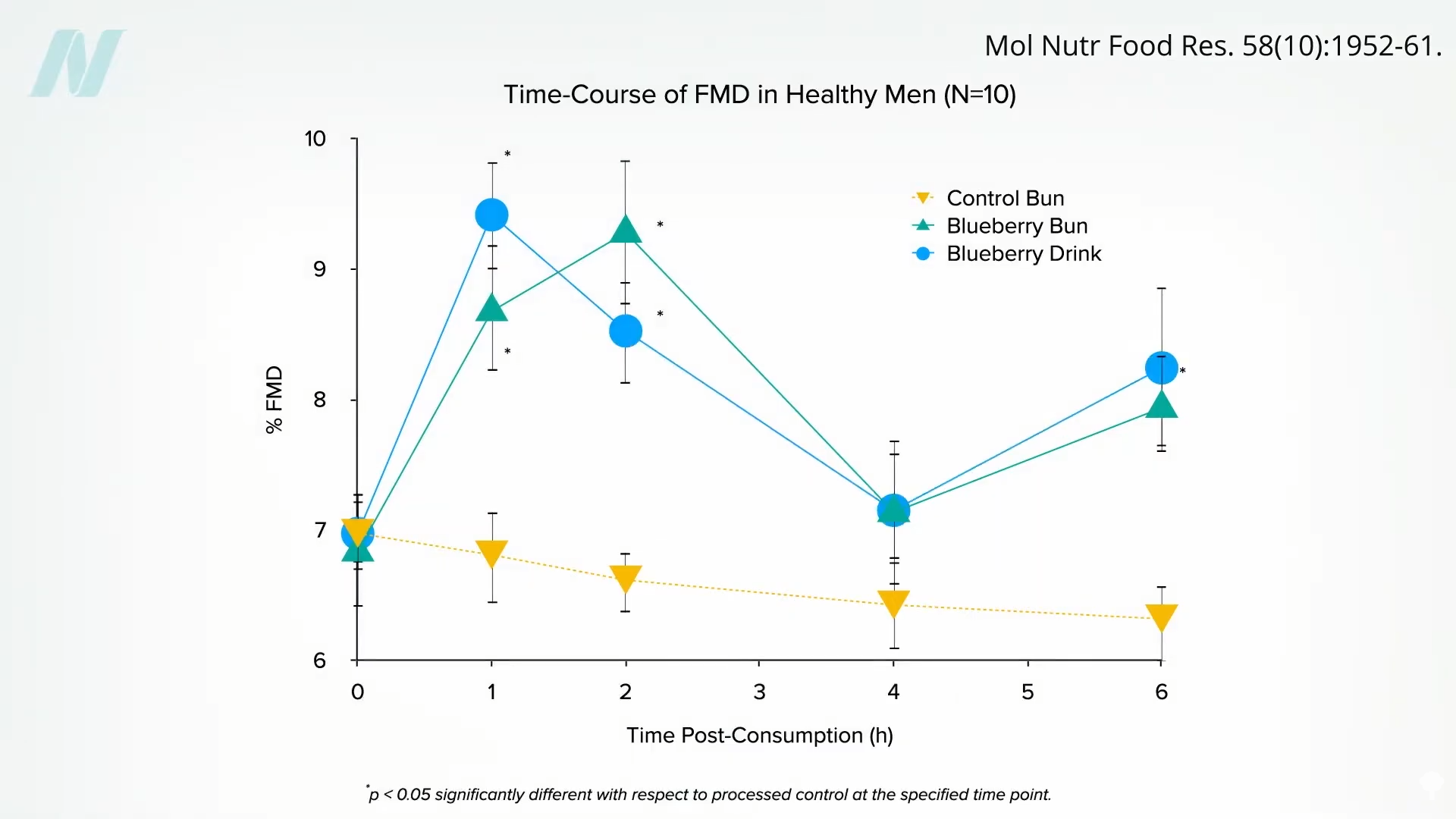
The spotlight soon turned to berries, known for their rich antioxidant profiles. Blueberries, in particular, emerged as a star. A randomized, controlled crossover trial investigated the impact of adding a cup of wild blueberries (cooked or raw) to an otherwise unhealthy bun made from white flour, eggs, butter, and sugar. While the bun alone caused a gradual decline in artery function over six hours, the addition of blueberries dramatically boosted artery function, almost as effectively as if the blueberries had been consumed with water. This demonstrated their powerful immediate protective effect.
Further berry research included:
- Strawberries: While generally healthy, about the same amount of strawberries failed to rescue artery function from an extreme challenge posed by two cheese blintzes, whipped cream, sugary syrup, egg, and bacon, highlighting the limits of mitigation against overwhelming dietary insults.
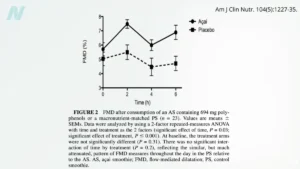
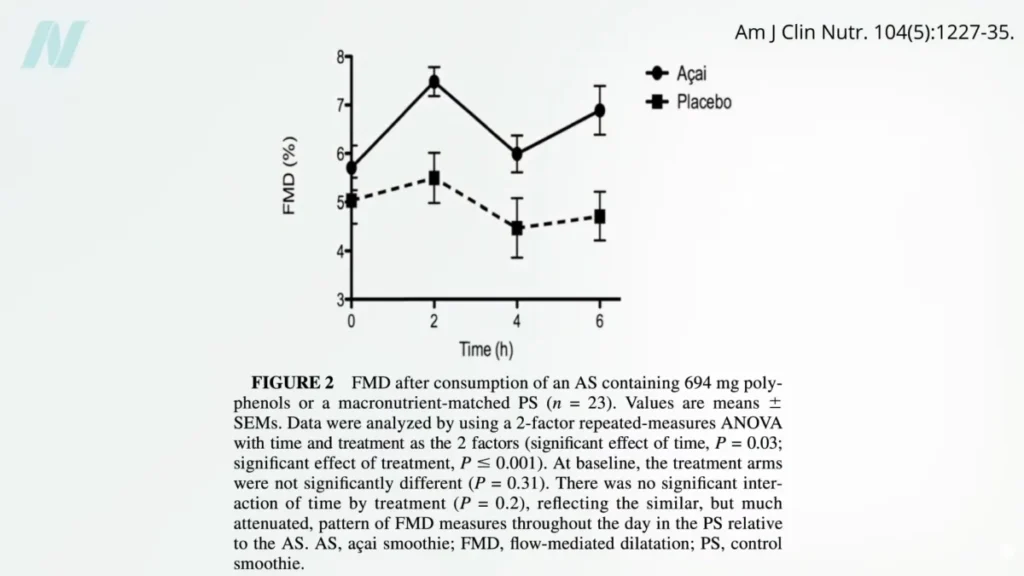
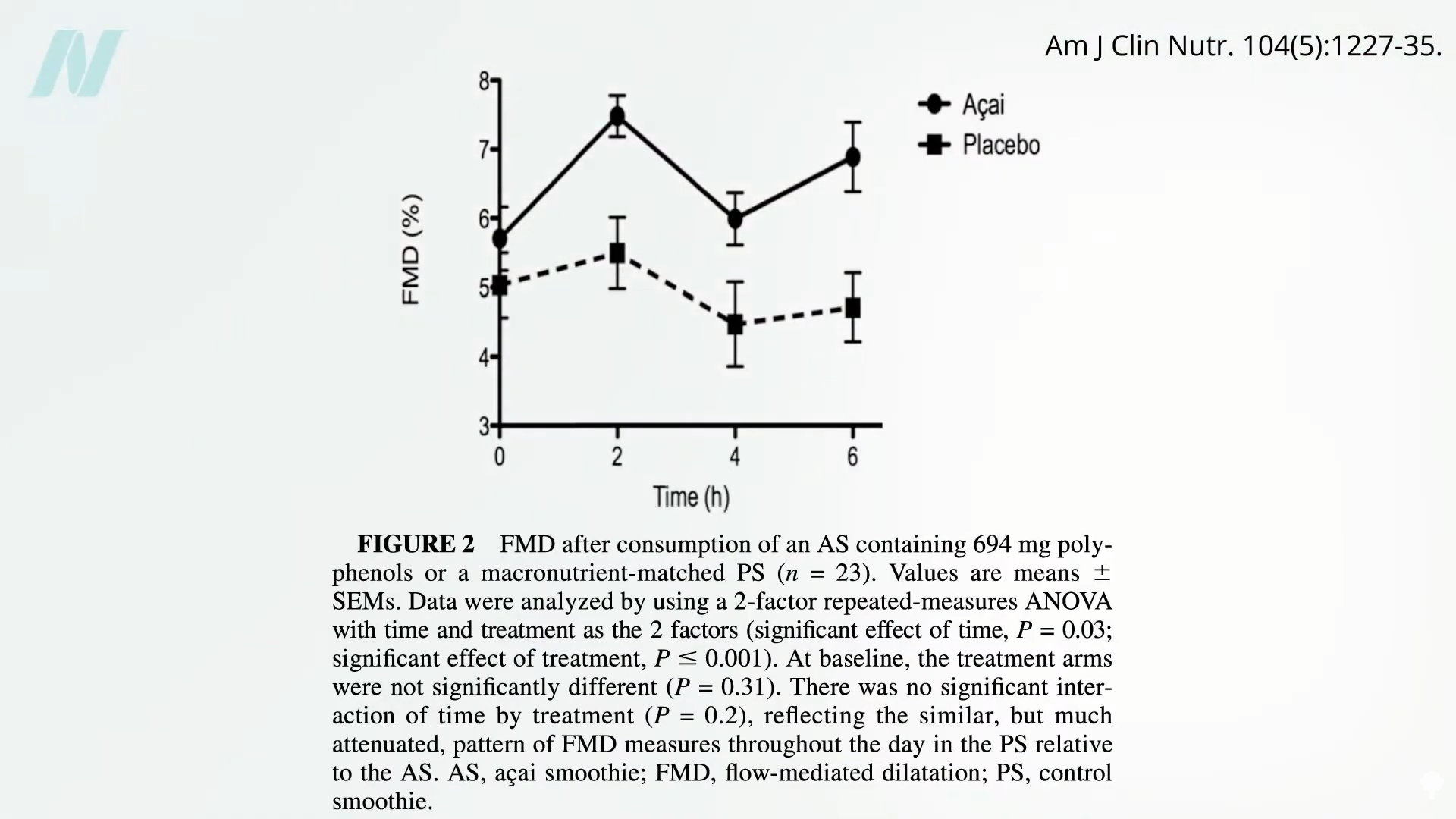
- Açai Berries: A smoothie containing 1.5 frozen açai packs blended with banana and water significantly rehabilitated arterial function when compared to a control smoothie, even when tested against a meal with a similar fat content.
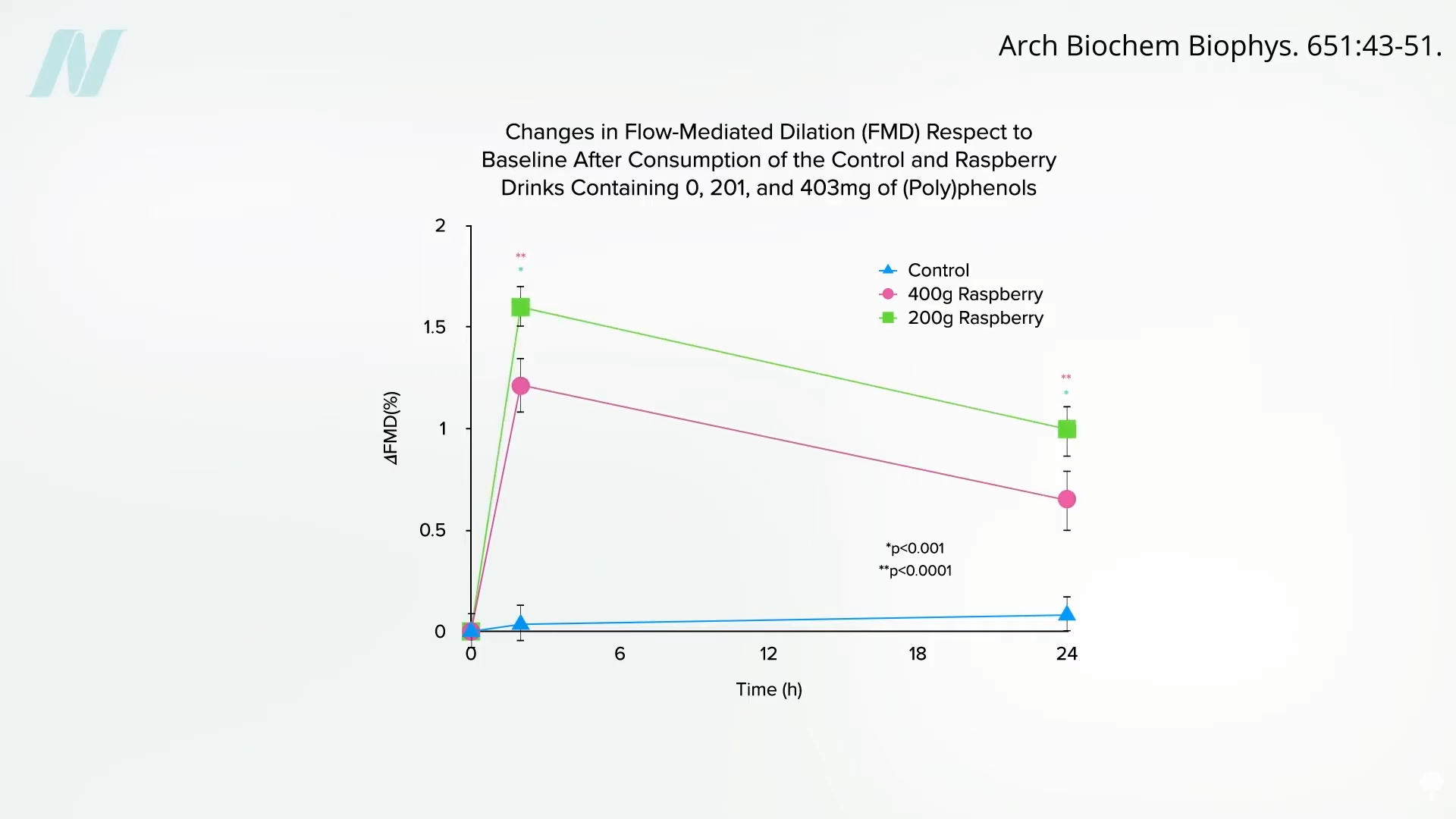
- Raspberries: A double-blind, randomized, controlled trial showed that smoothies with either ¾ cup or 1½ cups of frozen red raspberries significantly improved artery function, with effects lasting up to 24 hours. Interestingly, the benefits appeared to plateau around the ¾ cup mark, similar to findings with blueberries. Even a modest 1% increase in artery function at a population level is associated with a 12% reduction in cardiovascular event risk, underscoring the collective impact of small dietary changes.
- Cranberry Juice: Studies on cranberry juice, across various concentrations (from 25% to ultraconcentrated), demonstrated acute improvements in artery function within hours of consumption, with effects from the 50% juice lasting up to eight hours. However, these studies were conducted without the additional challenge of an artery-crushing meal.
The Limits of Mitigation: When "Healthy" Additions Fall Short
As research progressed, it became clear that while certain plant foods offer significant protection, they are not a universal antidote.
- Berry Cocktail Limitations: A concentrated cocktail of grapes, blueberries, strawberries, lingonberries, and black aronia berries failed to prevent artery dysfunction caused by a high-fat meal. This suggests that the sheer inflammatory and oxidative load of a very unhealthy meal might overwhelm even a potent blend of protective compounds.
- Common Beverages and Fatty Meals: Further studies explored whether common beverages could offer protection. Participants consuming ham and cheese croissants alongside water, orange juice, green tea, or red wine found no significant mitigation of arterial dysfunction from any of the beverages. The primary takeaway remained: avoiding such meals in the first place is the most effective strategy.
- The Orange Juice Paradox: Perhaps most surprising was the finding that drinking orange juice with a fatty meal, such as bacon and cheese muffins, could actually exacerbate the problem. Researchers observed that orange juice led to a longer period of elevated fat levels in the blood. This phenomenon is attributed to the body preferentially burning the rapidly absorbed free sugars from the juice (sugars not encased in cell walls as they are in whole fruit), leaving dietary fats to circulate longer and potentially cause more damage.
This chronological journey reveals a complex interplay between dietary components and vascular health, underscoring the potent protective effects of whole plant foods but also the critical importance of overall dietary context.
Supporting Data: Mechanisms Behind Vascular Health and Damage
Understanding why vegetarian diets and specific plant foods are beneficial, and why some mitigation attempts fall short, requires a deeper look into the physiological mechanisms at play.
The Crucial Role of Endothelial Function:
The inner lining of our blood vessels, the endothelium, plays a vital role in regulating blood flow, preventing blood clots, and modulating inflammation. Its ability to produce nitric oxide (NO) is paramount. NO is a powerful vasodilator, meaning it relaxes blood vessels and allows them to expand, increasing blood flow. Impaired endothelial function, often characterized by reduced NO bioavailability, is an early indicator of cardiovascular disease. This impairment can be triggered by inflammation, oxidative stress, and the presence of harmful compounds in the bloodstream.
The Vegetarian Advantage: A Multifaceted Shield:
The superior artery function in vegetarians can be attributed to several factors:
- Reduced Saturated and Animal Fat Intake: Animal products, particularly red and processed meats, are high in saturated fat and cholesterol, which contribute to inflammation, oxidative stress, and direct impairment of endothelial function. The absence or significant reduction of these components in a vegetarian diet removes a major source of vascular harm.
- Higher Intake of Beneficial Plant Compounds: Vegetarian diets are inherently rich in fiber, antioxidants (like polyphenols and carotenoids), vitamins, and minerals. These compounds:
- Combat Oxidative Stress: Antioxidants neutralize free radicals that damage endothelial cells.
- Reduce Inflammation: Many plant compounds possess anti-inflammatory properties, protecting the delicate arterial lining.
- Enhance Nitric Oxide Production: Certain plant-derived nitrates (found in leafy greens, beets) can be converted to NO in the body, directly improving vasodilation. Flavonoids found in berries and other fruits also boost NO synthesis and protect it from degradation.
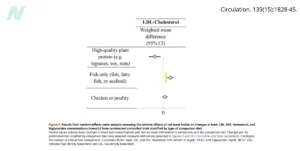
- Improve Lipid Profiles: Plant-based diets typically lead to lower LDL ("bad") cholesterol and triglyceride levels, further safeguarding arteries.
Nuts: Beyond Healthy Fats:
While nuts are known for their healthy monounsaturated and polyunsaturated fats, their cardiovascular benefits extend beyond lipid modification. Walnuts, in particular, are unique due to their high alpha-linolenic acid (ALA) content, a plant-based omega-3 fatty acid, and a rich profile of polyphenols. These compounds contribute to:
- Anti-inflammatory Effects: Reducing systemic inflammation that damages arteries.
- Improved Endothelial Function: By increasing nitric oxide bioavailability.
- Antioxidant Power: Protecting against oxidative damage.
The difference between walnuts and almonds in mitigating the salami sandwich effect likely lies in these specific phytonutrient and fatty acid compositions, highlighting that even within a "healthy" food group, specific choices can yield distinct physiological outcomes.
Berries: Potent Bioactive Compounds:
Berries are superstars due to their concentrated levels of anthocyanins, a type of flavonoid responsible for their vibrant colors. These compounds are rapidly absorbed and exert immediate effects on vascular health:
- Rapid Endothelial Repair/Protection: Anthocyanins and other berry polyphenols quickly enhance nitric oxide synthesis and protect existing NO from oxidative breakdown, leading to rapid improvements in vasodilation.
- Anti-inflammatory and Antioxidant Effects: Berries are powerful anti-inflammatory and antioxidant agents, directly counteracting the damaging effects of unhealthy meals.
The acute improvements observed with blueberries, açai, and raspberries, even when consumed with unhealthy foods, underscore the immediate bioavailability and efficacy of their bioactive compounds. The plateau effect observed with raspberry and blueberry doses suggests that there’s an optimal intake beyond which additional benefits for acute arterial function may diminish, likely due to saturation of absorption or enzymatic pathways.
The Overwhelming Burden of Unhealthy Meals:
The failure of berry cocktails, green tea, or red wine to counteract the damage from high-fat, processed meals (like ham and cheese croissants) illustrates the concept of dietary load. A meal laden with saturated fat, refined carbohydrates, and animal proteins can trigger a massive inflammatory and oxidative stress response, overwhelming the protective capacity of even potent plant compounds. The sheer quantity of harmful substances introduced might simply be too much for the body’s natural defenses, even when bolstered by antioxidants.
The Orange Juice Conundrum: Free Sugars vs. Whole Fruit:
The adverse effect of orange juice with a fatty meal is a critical lesson in distinguishing between whole foods and their processed derivatives. Whole fruits contain sugars encased within cell walls, bundled with fiber, vitamins, and phytonutrients. This structure leads to slower sugar absorption, a more gradual insulin response, and a feeling of fullness. Juice, however, removes the fiber and cellular structure, leading to rapid absorption of "free sugars." When these free sugars flood the bloodstream alongside fats from an unhealthy meal, the body prioritizes burning the readily available sugars for energy, leaving the fats to circulate longer in the blood. Prolonged elevation of post-meal fats (postprandial lipemia) is an independent risk factor for cardiovascular disease, contributing to oxidative stress and endothelial dysfunction. This highlights that "healthy" components, when consumed in an isolated or processed form, can sometimes have unintended negative consequences in specific dietary contexts.
Official Responses and Expert Commentary: A Holistic View of Dietary Health
While the specific studies discussed here focus on acute responses and mitigation, the overarching message aligns with established dietary guidelines from leading health organizations. Experts consistently emphasize the profound and sustained benefits of diets rich in whole, unprocessed plant foods.
"These findings underscore the critical importance of a dietary pattern that prioritizes fruits, vegetables, whole grains, legumes, and nuts," states a hypothetical expert in nutritional cardiology. "While it’s fascinating to explore the ‘rescue’ potential of certain foods, the primary strategy for cardiovascular health remains prevention through consistent healthy eating. You can’t simply add a few berries to an otherwise detrimental diet and expect to undo all the damage."
The scientific community generally agrees that the synergistic effects of a whole-foods, plant-predominant diet are far more powerful than the sum of individual protective compounds. "The body doesn’t process isolated nutrients; it processes meals and dietary patterns," explains a public health nutritionist. "The fiber in whole plant foods, for instance, isn’t just about digestion; it influences gut microbiome health, cholesterol absorption, and satiety, all of which indirectly benefit arterial function. These are complex interactions that go beyond simply adding an antioxidant here or a healthy fat there."
The research also implicitly supports the call to significantly reduce consumption of processed foods, especially those high in animal fats and refined sugars. The observed impairment of artery function within hours of a fatty fast-food meal, coupled with the limited ability of even potent plant foods to counteract such damage, sends a clear message: avoiding the primary sources of harm is paramount. The "Doctor’s Note" referring to previous articles on how a single meal can cripple arteries and lungs, and the limited ability of exercise to counteract a high-fat meal, further reinforces this expert consensus. It’s about fundamental dietary choices, not just quick fixes.
Implications: Actionable Insights for Health and Well-being
The nuanced findings from this body of research offer significant implications for both individual dietary choices and broader public health strategies.
For Individuals: Prioritize, Protect, and Be Prudent
- Embrace a Plant-Predominant Diet: The most impactful takeaway is the consistent evidence supporting a whole-foods, plant-based diet for superior arterial health. Making plant foods the cornerstone of your daily meals offers comprehensive, long-term protection against cardiovascular disease. This includes a wide variety of fruits, vegetables, whole grains, legumes, nuts, and seeds.
- Strategically Integrate Protective Foods: If occasional indulgences are part of your lifestyle, consider integrating foods like walnuts and berries. While they are not a "get out of jail free card," walnuts may offer some mitigation against the acute adverse effects of certain less-healthy choices, and berries (like blueberries, raspberries, açai) demonstrate a remarkable ability to acutely boost artery function. Aim for a cup of berries daily, as benefits appear to plateau beyond this amount for acute effects.
- Choose Whole Foods Over Juices: The orange juice paradox highlights the crucial difference between whole fruits and fruit juices. Opt for whole fruits to benefit from fiber and intact cellular structure, which promote slower sugar absorption and avoid potentially detrimental interactions with fatty meals. While cranberry juice showed acute benefits in isolation, its efficacy against an unhealthy meal is less clear, and the overall preference should be for whole berries.
- Understand the Limits of Mitigation: Be realistic about what even the healthiest additions can achieve. Extremely high-fat, processed meals can overwhelm the protective capacity of plant foods. The best defense is a strong offense—minimizing consumption of such meals in the first place. These studies on acute effects are indicators, and chronic consumption of unhealthy foods, even with "mitigating" additions, will lead to long-term health decline.
- Context Matters: The effect of a food is not isolated but depends on the overall meal and dietary pattern. A handful of walnuts as part of a balanced meal is different from walnuts trying to "save" a heavily processed, high-animal-fat feast.
For Public Health and Policy: Reinforcing Foundational Dietary Advice
- Strengthen Dietary Guidelines: These findings provide further scientific backing for public health campaigns advocating for increased consumption of fruits, vegetables, nuts, and whole grains. The message that "food is medicine" is powerfully reinforced by the direct, measurable effects on arterial function.
- Educate on Food Quality: Beyond simply counting calories or macronutrients, public health messaging should emphasize the quality of food. Distinguishing between different types of fats (animal vs. plant), and between whole sugars and free sugars, is crucial for informed decision-making.
- Promote Plant-Based Interventions: Given the significant impact on cardiovascular event risk (even a 1% increase in artery function linked to a 12% reduction in risk), promoting plant-based eating patterns has immense potential for population-level health improvements and reducing the burden of cardiovascular disease.
Future Research Directions:
While much has been discovered, ongoing research will undoubtedly explore:
- The specific synergistic effects of various plant compounds.
- Long-term intervention studies with "mitigation" strategies in real-world settings.
- The impact of gut microbiome interactions on the efficacy of protective foods.
- Personalized nutrition approaches based on individual genetic and metabolic profiles.
In conclusion, the journey from observing the superior health of vegetarians to identifying the precise mechanisms and specific foods that protect our arteries is a testament to scientific inquiry. While the ideal remains a consistently healthy, whole-foods, plant-rich diet, understanding the acute protective power of certain plant foods like walnuts and berries offers valuable insights. These insights empower individuals to make more informed choices, even when navigating the complexities of modern dietary habits, underscoring that every food choice has a direct and measurable impact on our vital cardiovascular system.