Beyond the Beer Cooler: The Art of Pairing Wine with American Barbecue
For generations, the default companion to an American backyard barbecue has been a cold, crisp beer. From industrial lagers to craft IPAs, the bubbly, malt-forward profile of beer has long been the assumed partner for smoked brisket, tangy pulled pork, and spice-rubbed ribs. However, a growing cohort of sommeliers, chefs, and dedicated pitmasters are challenging this long-held culinary orthodoxy.
They argue that when it comes to the complex, nuanced world of smoke, spice, and fat, wine is not just an acceptable alternative—it is often the superior choice. By selecting the right varietal, a diner can elevate a standard barbecue meal into a sophisticated gastronomic experience.
The Philosophical Synergy of Smoke and Vine
The transition from beer to wine in the barbecue sphere is rooted in a shared cultural DNA. Both wine and barbecue are crafts defined by time, patience, and regional identity. "There are so many great ways to work wine into any type of cuisine, but particularly with barbecue because there are so many cultural similarities between the way wine is made and enjoyed and the way barbecue is made and enjoyed," explains Matthew Brown, a Virginia-based wine educator and consultant.
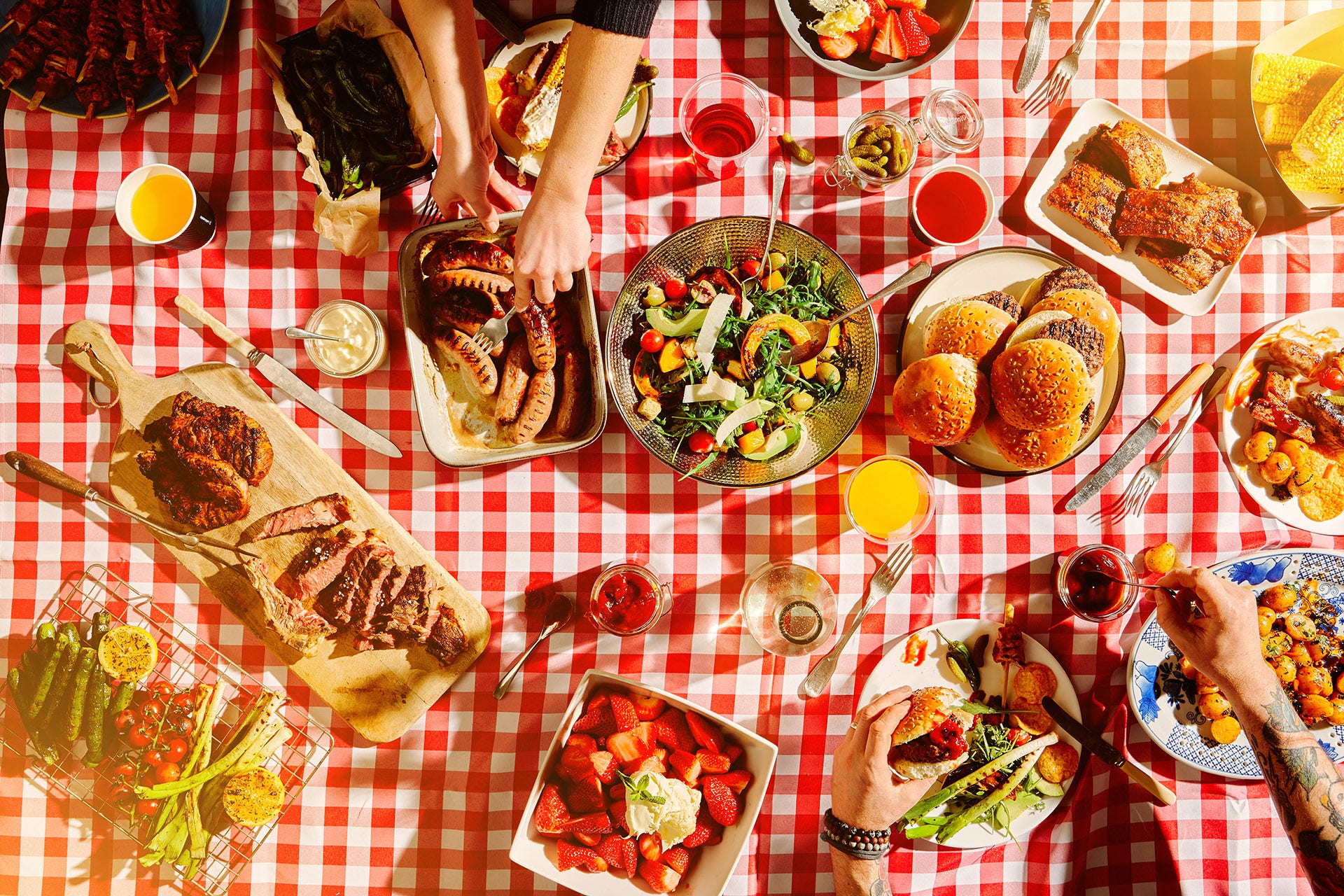
Whether it is the "terroir" of a specific vineyard or the specific wood smoke used in a North Carolina pit, both disciplines prioritize the expression of place and process. Both mediums rely on a delicate balance of acidity, tannin, and intensity. When these elements align, the result is a synergy that enhances the structural components of the meat while softening the sharp edges of smoke and vinegar.
Barbecue and Wine Pairing 101: The Core Principles
For the uninitiated, approaching a wine list for a barbecue feast can be daunting. The sheer variety of meat preparations—ranging from dry-rubbed, spice-crusted proteins to those drenched in sugary or acidic sauces—requires a strategic approach.
The Search for Acidity
The most vital characteristic to look for in a barbecue-friendly wine is acidity. Dana Beninati, host of Dine With Dana and a noted food and wine educator, emphasizes that high acidity is the "great equalizer." Barbecue is inherently rich, fatty, and heavy. Without a refreshing, high-acid wine to cut through that density, the palate quickly fatigues.
"Richness and fat play a huge role in barbecue, and we all know how we feel after we eat a really rich, heavy meal," says Beninati. "You need something refreshing to create balance."
The "Sweet Tea" Benchmark
Matthew Brown suggests a novel way to approach the selection process: think about what you crave with barbecue in the South. "To me, as a Southern boy, I think the quintessential barbecue drink is sweet tea. So, I want my wine to have that same light, refreshing, easy-to-drink quality—but with bold flavors."
Embracing the Chill
Abe Zarate, wine director at New York City’s Crane Club, is a proponent of temperature management. He advocates for "chillable reds," a category that has gained significant traction in recent years. "Any red can be chillable if that enhances the experience," Zarate argues. "It’s about digging deeper into what you’re consuming." By cooling a light red or a rosé, the tannins become less abrasive and the fruit profile becomes more vibrant, making them ideal for the heat and intensity of a backyard feast.

Regional Pairings: A Roadmap for the Pitmaster
To provide a concrete framework for this shift, experts have identified specific pairings for the most iconic styles of American barbecue.
Eastern Carolina Whole Hog: The Case for Cava
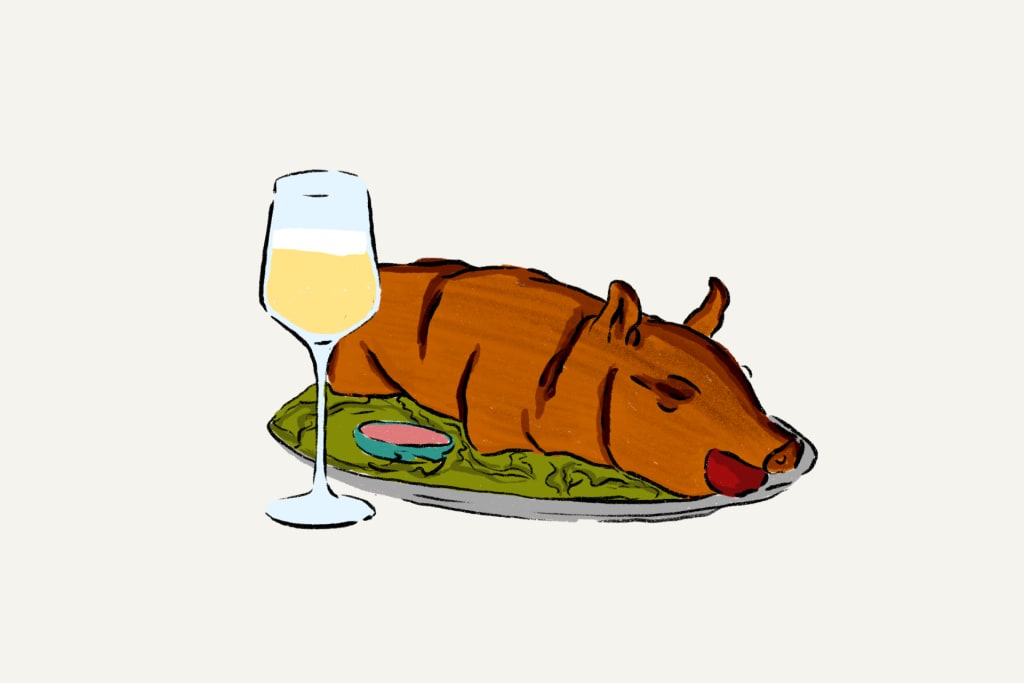
In the Tar Heel State, whole-hog barbecue is a religion. The meat is typically chopped and tossed in a thin, sharp vinegar sauce that cuts through the pork’s natural richness. Because the profile is so acidic and savory, it mirrors the Escabeche preparations found in Spain.
The Pairing: A crisp, dry Spanish Cava. The effervescence and bright acidity of a high-quality Cava mirror the tang of the vinegar sauce, providing a palate-cleansing effect that makes every bite of pork taste as fresh as the first.

Carolina Gold Pulled Pork: The Vouvray Connection
South Carolina’s signature mustard-based sauce, "Carolina Gold," introduces a complex layer of sugar, spice, and heat. The goal here is to complement the mustard’s pungency without being overwhelmed by the sauce’s sugar.
The Pairing: An off-dry Chenin Blanc from the Loire Valley (Vouvray). The natural residual sugar in these wines highlights the sweetness of the sauce, while the legendary acidity of Chenin Blanc ensures the wine remains structured and clean.
Alabama White Sauce Chicken: Textural Petit Manseng
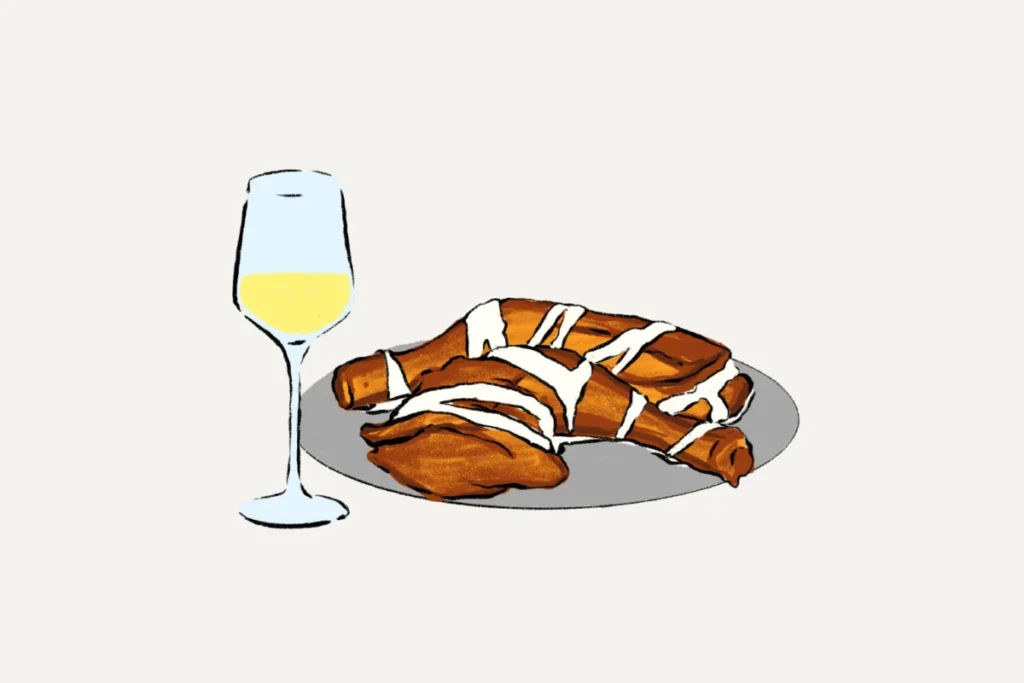
Alabama white sauce—a creamy, mayonnaise-based concoction with a vinegar kick—is a unique beast. It is rich, fatty, and tangy.
The Pairing: A textural, structured white like Petit Manseng. As Zarate points out, this grape possesses a "backbone of structural acid" that can stand up to the creamy intensity of mayonnaise while resetting the palate.
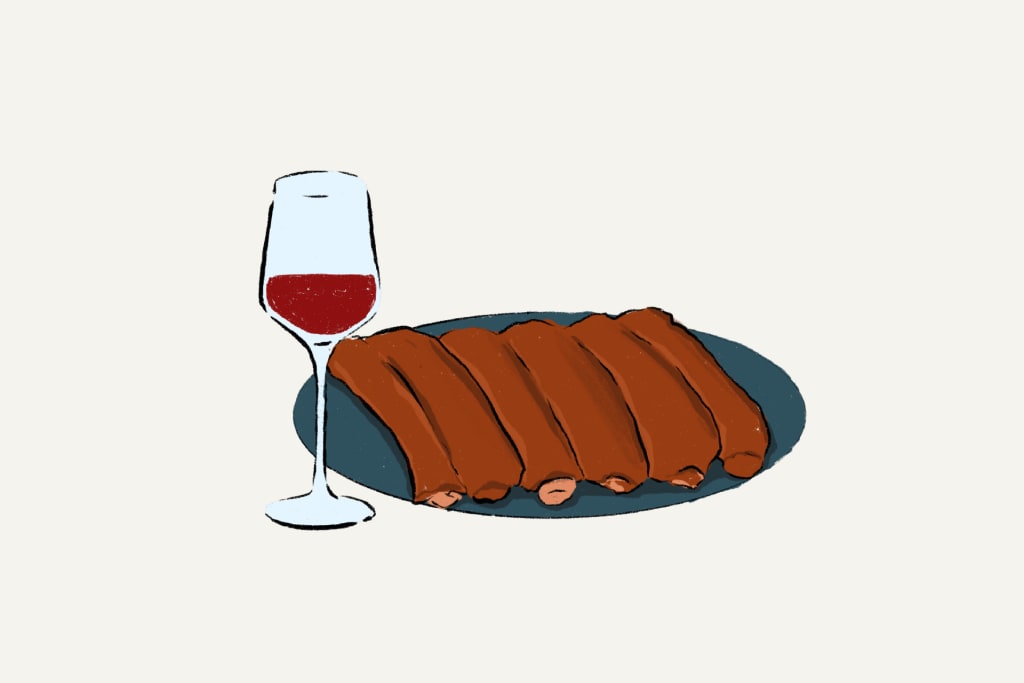
Memphis Dry Ribs: The Carbonic Red
Memphis-style ribs are famous for their spice-heavy dry rub. The flavor profile is an "intense bomb" of paprika, garlic, and sugar.
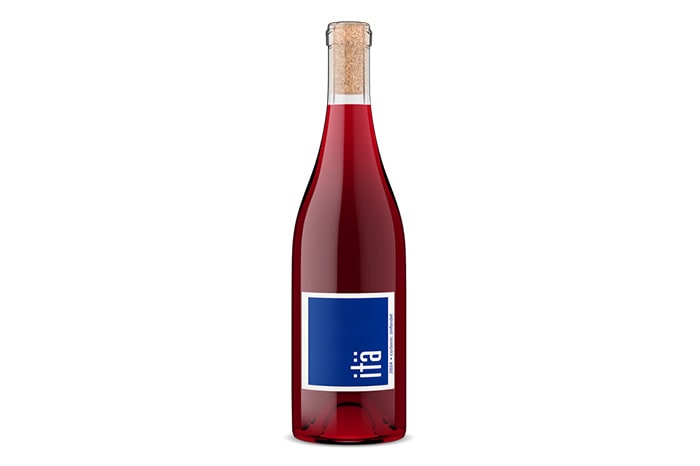
The Pairing: A carbonic-macerated red blend. Carbonic maceration creates a light, fresh, and fruit-forward profile that matches the "tang and freshness" of the dry rub, providing a vibrant counterpoint to the smoke.
Kansas City Burnt Ends: Sparkling Rosé
Burnt ends are the crown jewels of Kansas City, made from the marbled tip of the brisket and smothered in a thick, tomato-and-molasses sauce.
The Pairing: A Pinot Noir-based sparkling rosé. The red fruit notes of the Pinot Noir complement the sweet BBQ sauce, while the bubbles provide the necessary effervescence to break down the heavy marbling of the meat.
St. Louis Ribs: The Elegance of Franciacorta
St. Louis ribs are famously tender and coated in a sweet, sticky tomato-based glaze.

The Pairing: Franciacorta, Italy’s answer to Champagne. This sparkling wine has enough body and "structure to stand up to the rich boldness of the meat," offering a sophisticated alternative to a heavy beer.
Central Texas Brisket: The Bolgheri Boldness
Central Texas brisket is about purity: salt, pepper, and smoke. It is the most "serious" of American barbecue styles, requiring a wine of equal gravity.
The Pairing: A Cabernet Sauvignon-heavy blend from Bolgheri, Italy. The coastal influence of the region creates a wine that is powerful yet balanced with fresh acidity, capable of handling both the lean and fatty cuts of the brisket.

Santa Maria Tri-Tip: Cabernet Franc
Grilled over red oak, the Santa Maria tri-tip is smoky and garlic-forward.
The Pairing: A well-structured Cabernet Franc. With its inherently spicy, herbal notes and moderate tannin profile, it complements the smoky crust of the beef perfectly, especially when served with a slight chill.
Implications for the Future of Dining
The shift toward wine in the barbecue world signals a broader trend in American dining: the breaking down of silos. Just as we have moved past the idea that red wine can only be paired with steak, we are beginning to realize that the casual nature of barbecue does not preclude it from the elevated pairing standards of fine dining.

Furthermore, this trend has significant economic implications for the hospitality industry. By training staff to suggest wine with barbecue, restaurants can increase the perceived value of their offerings and provide a more elevated, memorable experience for guests.
However, the primary implication is one of enjoyment. As these experts suggest, the goal is not to adhere to rigid rules, but to explore the interplay of flavor. Whether you are at a backyard cookout with plastic cups or at a high-end restaurant with crystal, the principles remain the same: seek balance, prioritize acidity, and don’t be afraid to chill your reds.
As the lines between "casual" and "gourmet" continue to blur, one thing is certain: the next time you fire up the smoker, the most important tool in your arsenal might not be your temperature probe—it might be the wine list.